

Unleashing the potential of industrial real estate in Nghe An.
In recent years, in order to increase land access opportunities for investors, Nghe An province has proactively reviewed its planning and supplemented the land fund allocated for industrial production.
The market is booming.
Over the years, Nghe An has been considered an attractive destination for domestic and foreign investors not only because of its increasingly synchronized infrastructure but also thanks to its appealing investment attraction policies.
In particular, after the Government approved the investment plan for VSIP Nghe An II Industrial Park in Dien Chau district and Hoang Mai II Industrial Park with an area of 834.79 hectares, the industrial real estate market in Nghe An has become even more vibrant as many "big players" have flocked here to set up their businesses.
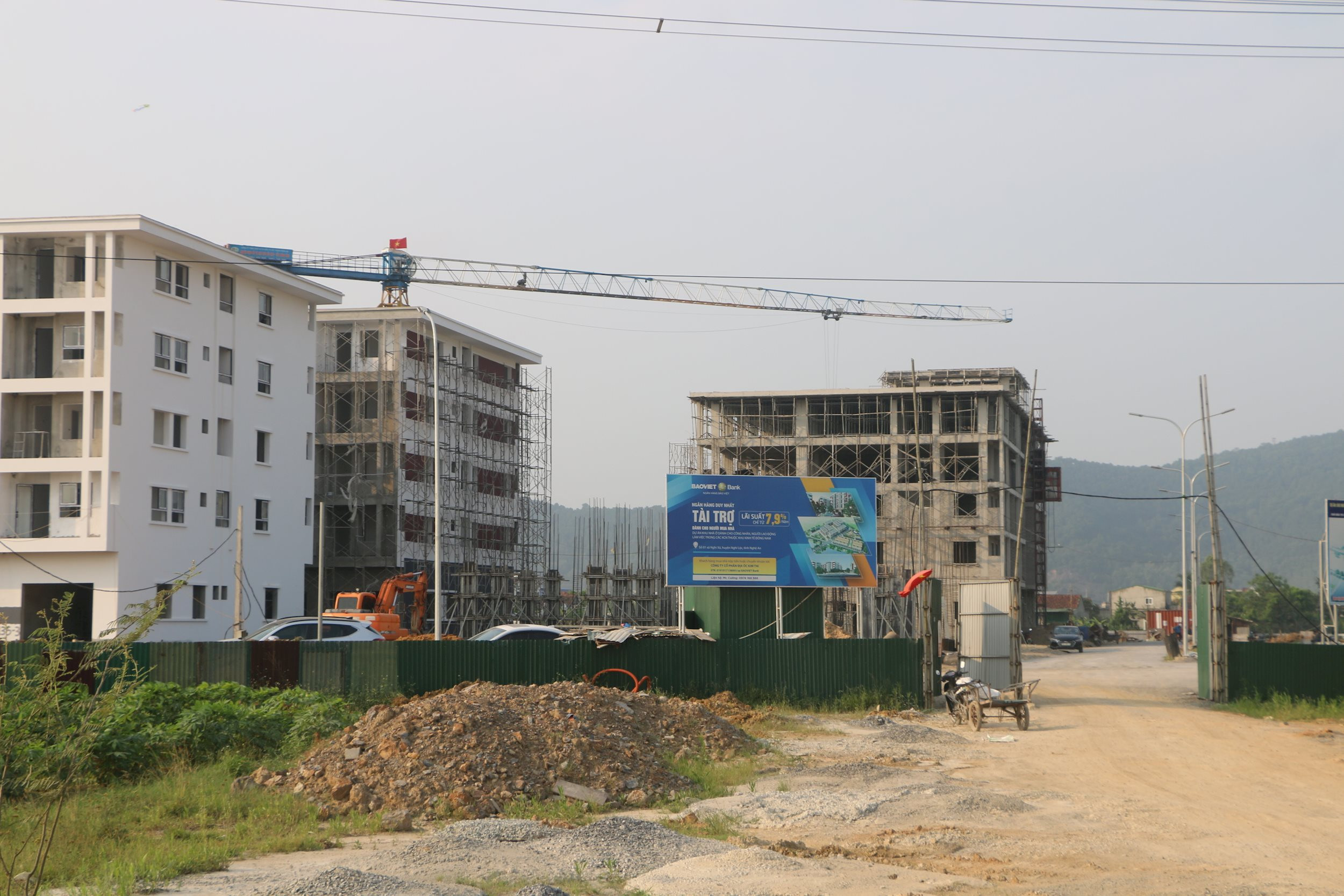
In a short period of time, the province has continuously welcomed investors to explore and carry out investment procedures. In Dien An commune, Dien Chau district, the Provincial People's Committee has approved the investment plan for a 700-hectare residential, resort, and sports complex located south of the N2 road in Dien An commune, Dien Chau district, to serve the housing and recreation needs of experts and workers at VSIP Nghe An II. Also in Dien Chau district, after the implementation of the Dien Thang industrial cluster with an area of 40 hectares in Minh Chau commune, an investor is also completing the procedures to build an industrial cluster in Dien Thai commune.
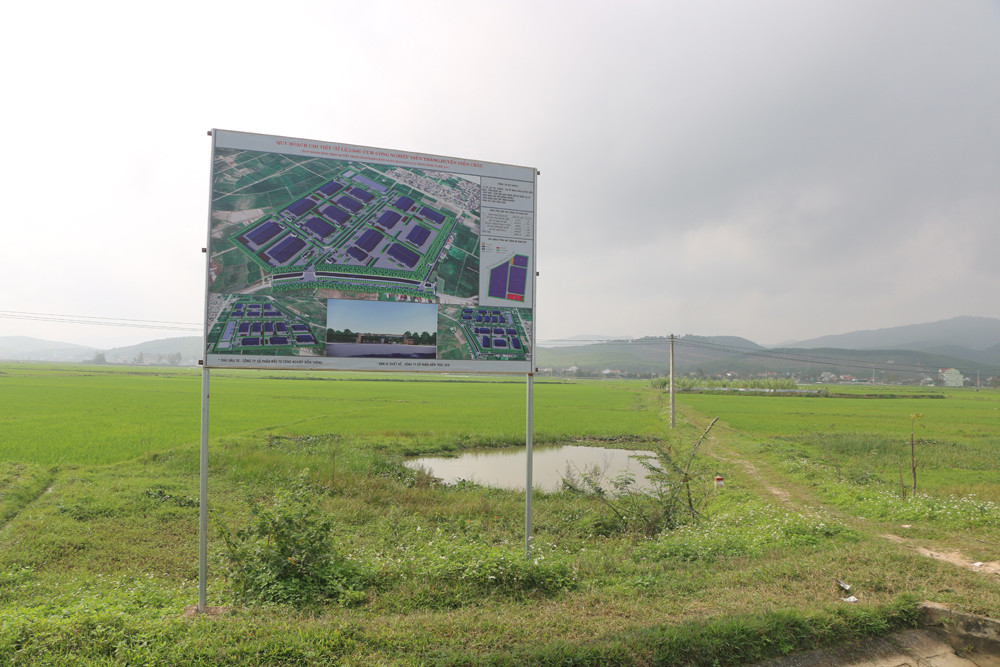
In Quynh Luu district, after announcing a call for investment in the Quynh Thuan Fisheries Logistics Service Area with an area of 35 hectares, the district issued a notice accepting applications and preparing documents for the establishment of the Quynh My Industrial Cluster with an area of 68 hectares located in the two communes of Quynh My and Quynh Hoa. Most recently, Anh Son district also issued a notice accepting applications and establishing the Phuc Son Industrial Cluster in Phuc Son commune with an area of 18.03 hectares.
Similarly, in the districts of Tan Ky, Do Luong, Nghi Loc, and Yen Thanh, after the implementation of the N5 road extension project from Hoa Son (Do Luong) to the Ho Chi Minh Trail and phase 2 of the N5 road from Nghi Long down to Nghi Quang (Nghi Loc) to Cua Lo port, the land allocated for warehouse and factory infrastructure serving industrial zones has also increased.
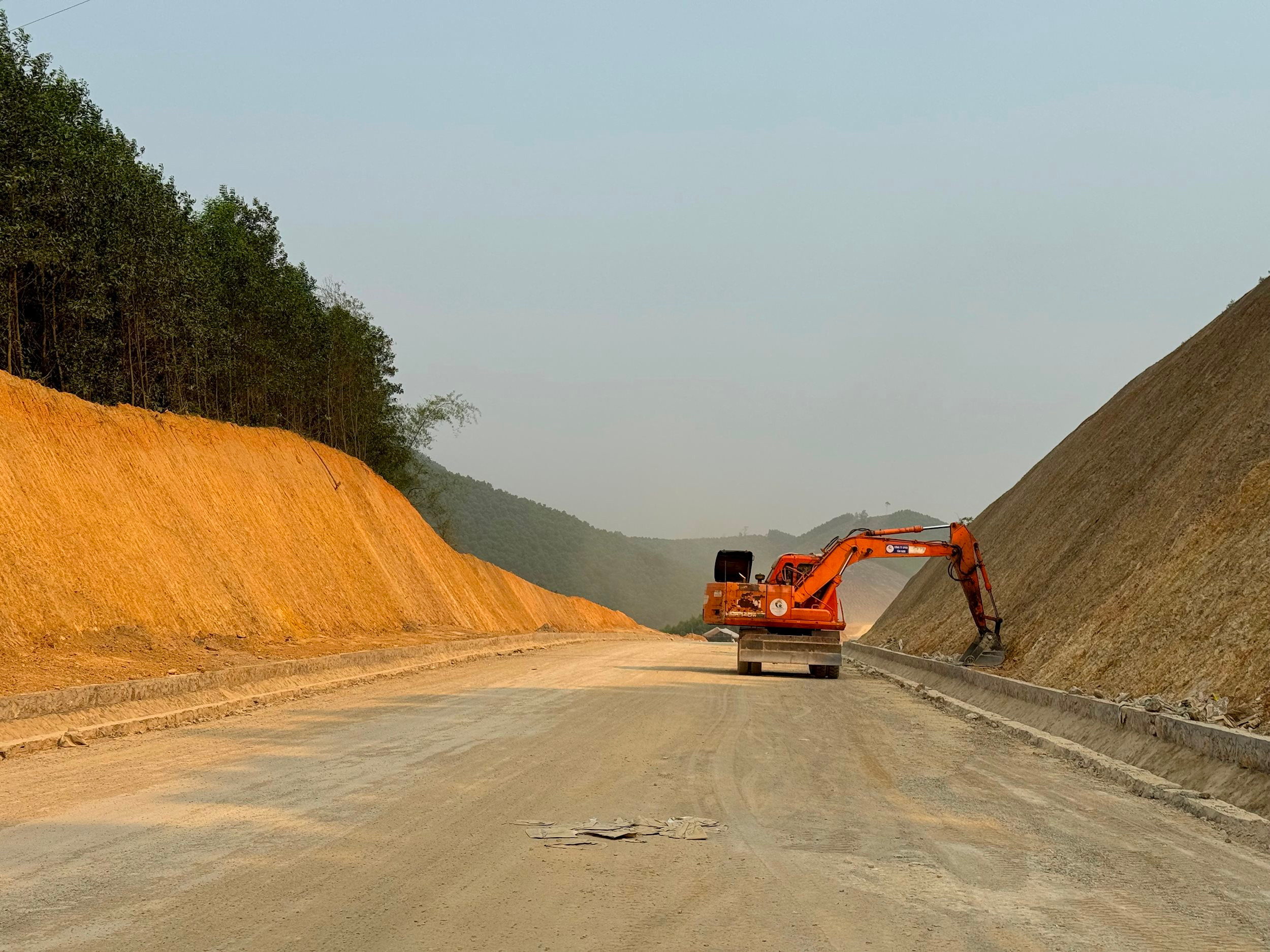
Mr. Phan Van Giap, Chairman of the Tan Ky District People's Committee, assessed: The extension of the N5 road, connecting Hoa Son (Do Luong) to the Ho Chi Minh Trail in Ky Tan, Tan Ky, opens up great opportunities to attract investors to further develop industrial park and cluster infrastructure in the area. With the extended N5 road, the district will not only have more convenient and shorter transportation routes, but its strengths in forestry products and construction materials will also be more easily and conveniently transported to Cua Lo port or industrial parks in the Southeast Economic Zone.
Strengthen management and improve efficiency.
According to Appendix XIII of the Nghe An Industrial Cluster Development Plan for the period 2021-2030, issued with Decision No. 1059/2023/QD-TTg dated September 14, 2023, on the planning of Nghe An province until 2030 and vision to 2045, by 2030 Nghe An will have 37 operating industrial clusters with an area of 1,068 hectares, increasing to 12,056 hectares after 2030; by 2030, 19 new industrial clusters with an area of 819 hectares will be added, and after 2030, 15 new industrial clusters with an area of 497 hectares will be added.
According to the 2021-2030 planning period, Nghe An has 15 industrial parks within the Economic Zone with an area of 8,056 hectares by 2030 and increasing to 14,117 hectares after 2030; and 8 industrial parks outside the Economic Zone with an area of 1,509 hectares by 2030 and 3,659 hectares after 2030. It is projected that after 2030, an additional 7 industrial parks will be added within the Economic Zone with an area of approximately 3,630 hectares and 6 industrial parks outside the Economic Zone with an area of approximately 3,550 hectares.
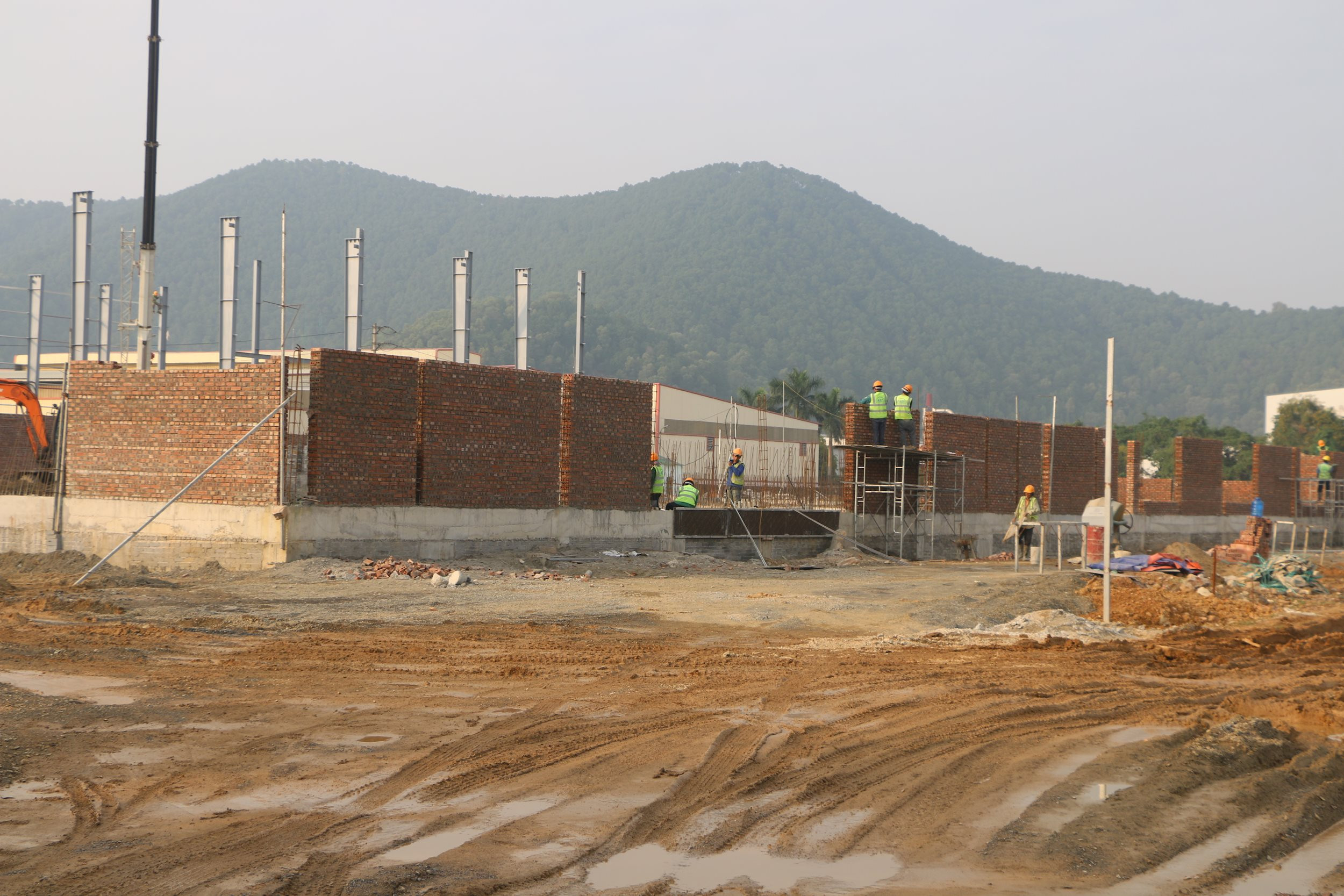
With the above planning roadmap, it can be said that industrial real estate for large enterprises and FDI investors has stabilized somewhat, but for small and medium-sized enterprises, finding suitable land for investment remains quite challenging. Currently, although the province has publicly announced the planning and included several industrial clusters in the priority list for investment attraction, attracting investors to develop industrial cluster infrastructure faces many difficulties.
Representatives from the Planning Management Department of the Department of Construction advised that, after the approval of the overall plan and investment in essential infrastructure development, the province and localities should allocate resources to develop zoning plans and detailed plans at a scale of 1/2,000 and 1/1,000. This will help investors easily access policies and plans, reduce waiting times; avoid situations where people leave land fallow but businesses cannot lease it; and prevent people from constructing buildings within planned areas...
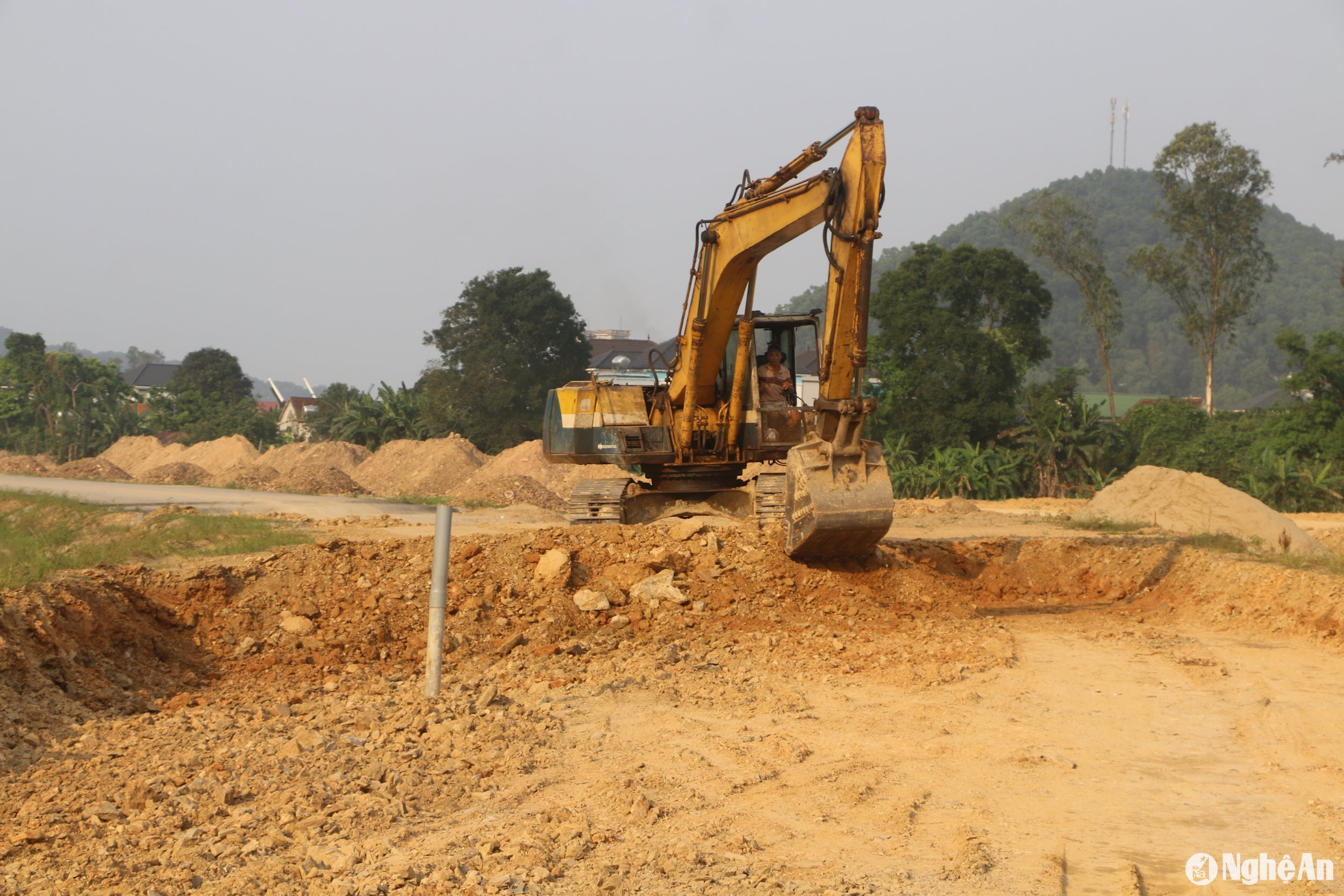
In fact, since 2020, along with allocating resources to implement key projects such as the N2 and N5 roads and the coastal road, the Provincial People's Committee has also assigned the Departments of Construction, Natural Resources and Environment, and Transport... to coordinate with relevant districts and towns to review and compare the current situation with the land use plan and scheme in order to advise and develop a land use plan for the new phase.
To limit the risk of violations along the corridors of new infrastructure routes, the Provincial People's Committee has also issued a document requesting the People's Committees of Tan Ky, Yen Thanh, Do Luong, and Nghi Loc districts (where the extended N5 road passes through); and Nghi Loc, Dien Chau, Quynh Luu districts and Hoang Mai and Cua Lo towns (where the coastal road and N2 road pass through) to effectively manage the spatial planning on both sides of the roads, preventing people from illegally constructing permanent structures; and ensuring land use is in accordance with the plan…
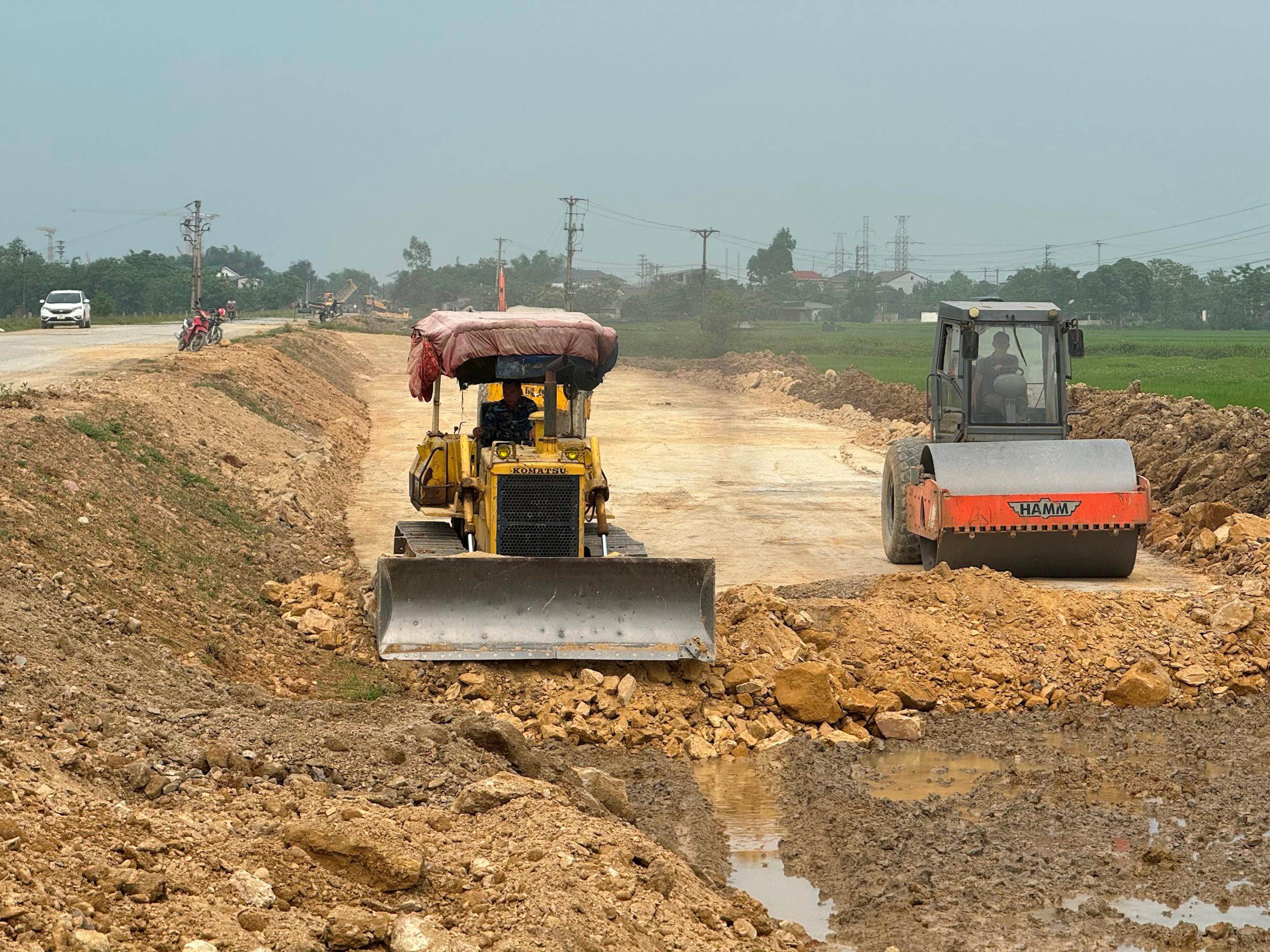
Currently, to develop production and business, there is a significant demand for land to build factories, warehouses, and production facilities. However, at the district level, some businesses and investors exploit their connections or influence to finance planning and construction projects in order to hoard land and speculate on prime locations. This is a case of "the fat hanging in the air while the cat starves," where businesses with available land leave it idle and do not develop projects, while businesses that genuinely need land cannot find it and are forced to rent it at exorbitant prices.
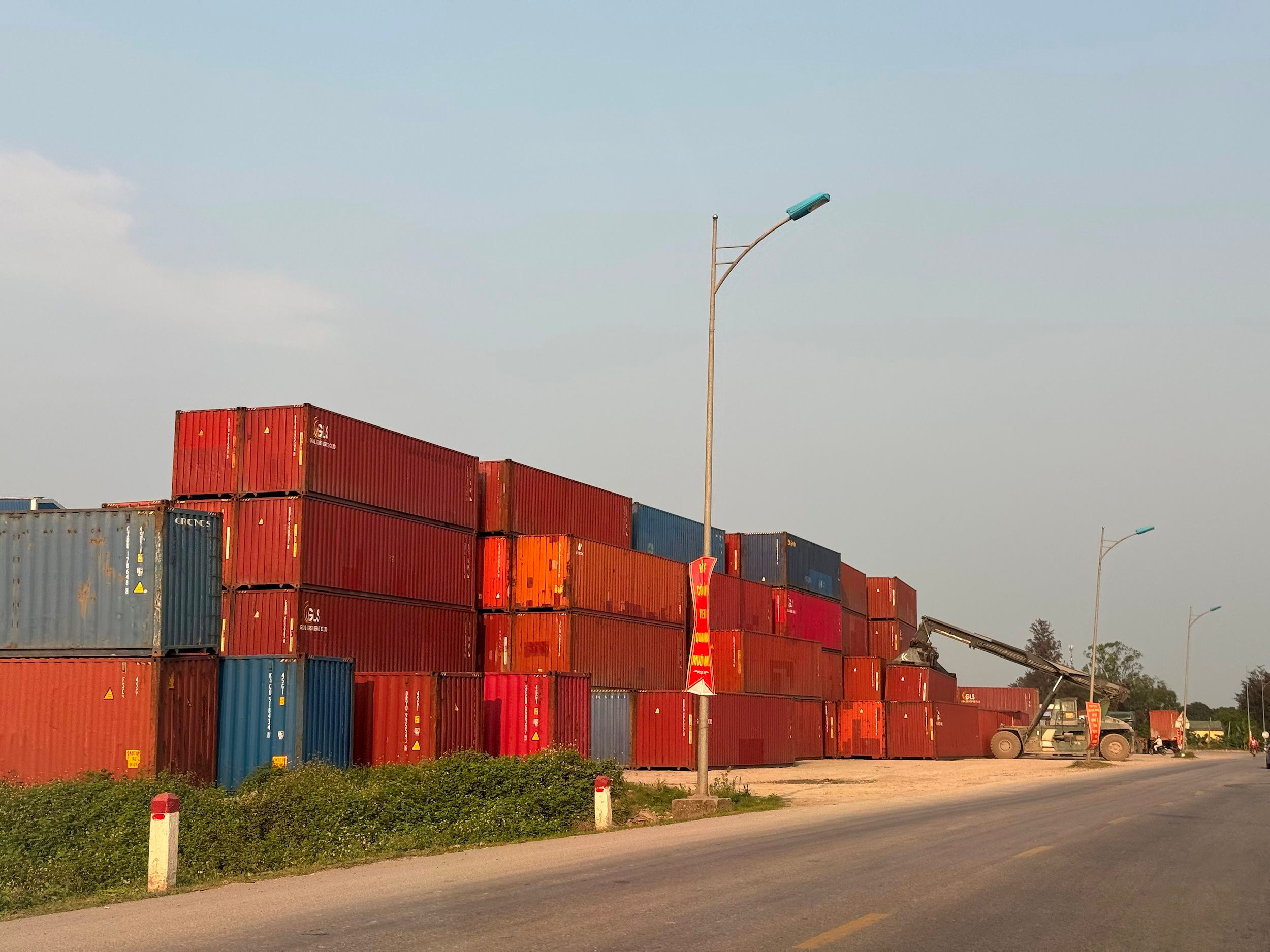
In addition, localities need to proactively allocate more land for industrial development and use land resources efficiently, avoiding waste; and strengthen support and guidance for businesses in carrying out investment procedures according to regulations.
During the implementation process, regular checks and reviews are necessary; any project/investor that benefits from preferential policies but fails to implement the project according to the schedule and deadlines stipulated in the land allocation regulations will have their land resolutely revoked and allocated to other enterprises...