

Struggling with... the Mineral Resources Law?
The shortage of sand, the lack of fill soil, and difficulties in managing scattered, small-scale mineral resources have been a long-standing reality in the mountainous and midland districts of the province, and are among the fundamental causes of law violations and social unrest.
.png)
THE PROBLEM OF "MINERAL THEFT"
A case of illegal quartz mining discovered and seized by the police caused a public uproar in early 2024. On February 22nd, on National Highway 1A in Quynh Thien ward, Hoang Mai town, the Anti-Corruption, Economic, Smuggling, and Environmental Crime Investigation Police Department and the Traffic Police Department inspected a tractor-trailer carrying 83 tons of quartz ore without invoices proving its origin. From there, the police investigated and identified the owner of the shipment, the storage site containing over 400 tons of quartz ore, the person organizing the collection, and discovered that the quartz ore was being illegally mined in Chau Hoan commune, a remote area of the mountainous Quy Chau district.
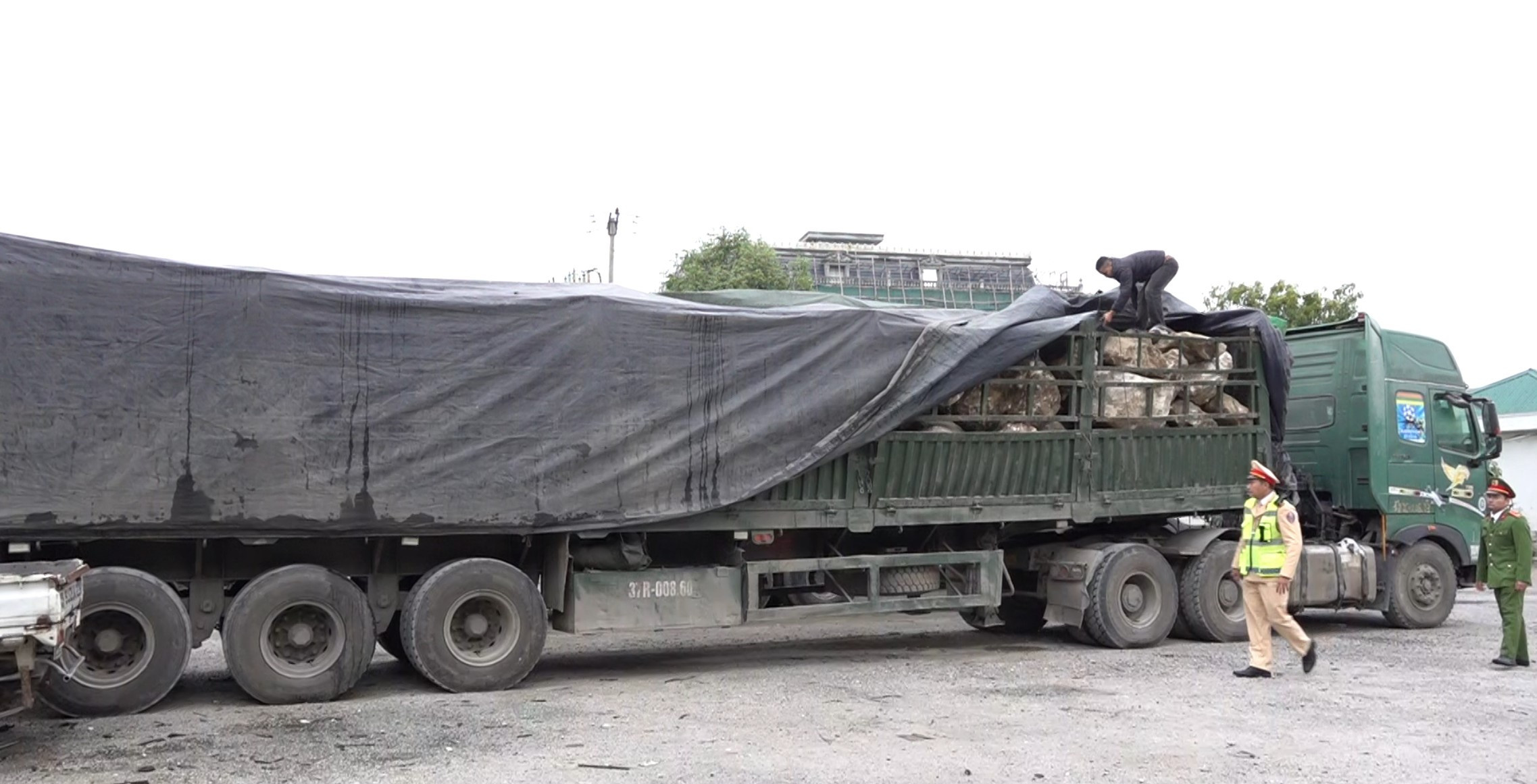
Quartz ore is a valuable mineral with significant demand in the processing industry. Within the province, quartz ore deposits are not formed into large mines but are scattered in small, scattered locations, often in remote mountainous and hilly areas, making management difficult and leading to instances of illegal mining. In 2019, illegal mining occurred in the Bay Nha area, Nhan Can village, Thanh Son border commune, Thanh Chuong district; and in 2020, it occurred in the Lan Toong mountainous area, Chau Hong commune, Quy Hop district…
Having previously collaborated with authorities to investigate illegal quartz mining cases in Thanh Chuong and Quy Hop districts, when we received information about a similar incident in Quy Chau district in early March 2024, we (reporters) traveled to Chau Hoan commune. There, we were taken to the southernmost point of Quy Chau district, the Pung ravine, located in Vat Tren village, bordering Quang Phong commune in the border district of Que Phong.
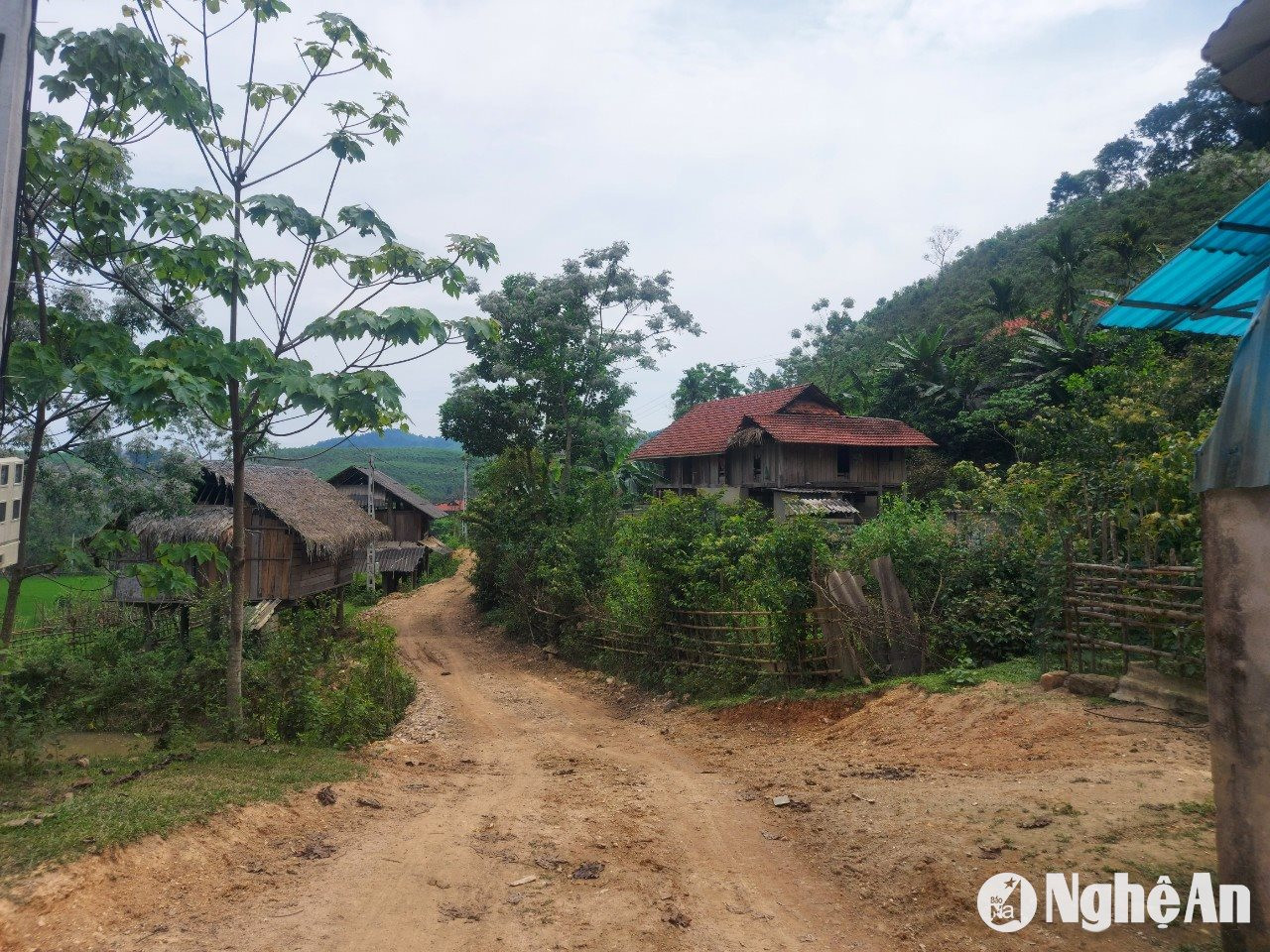
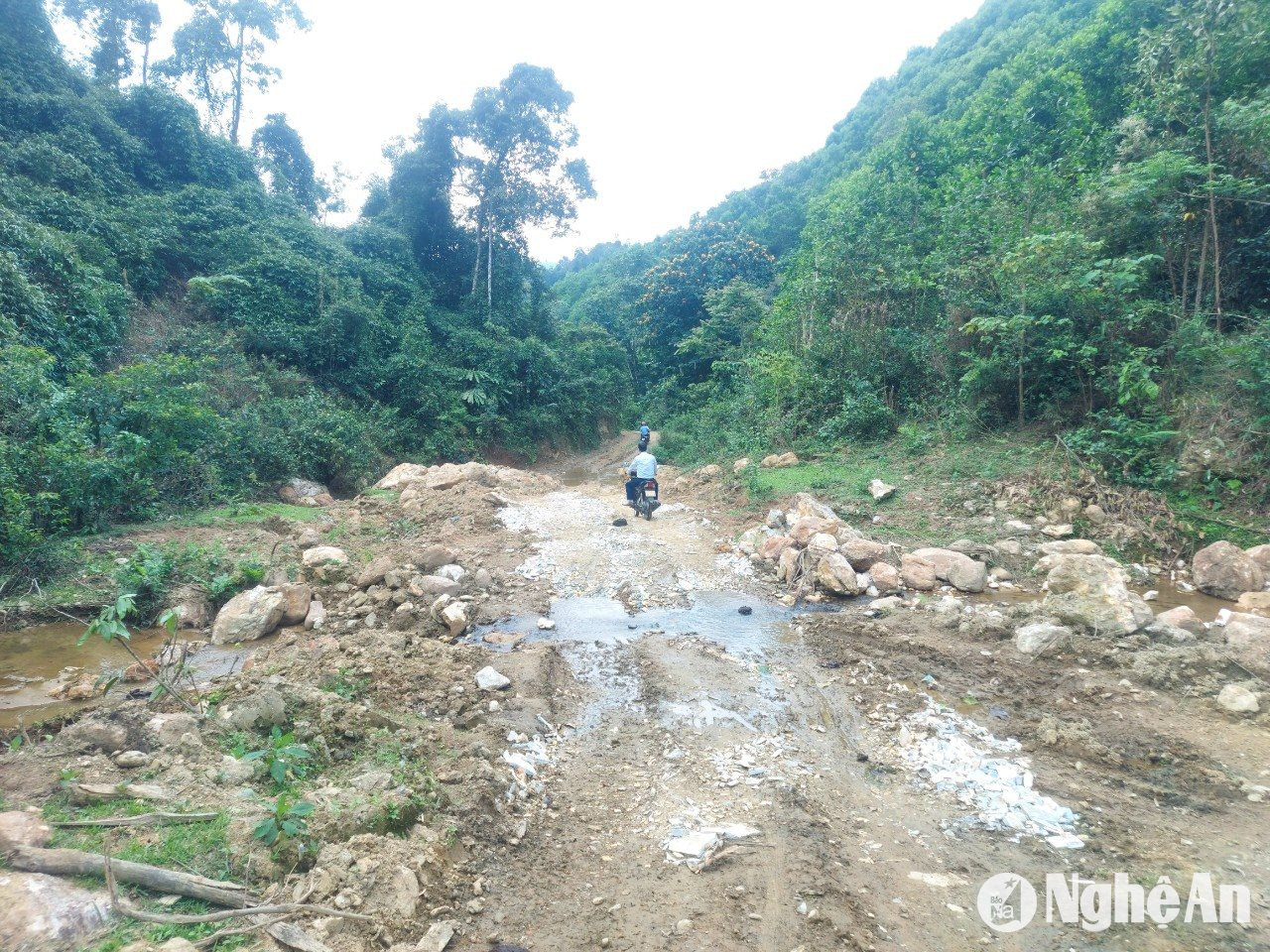
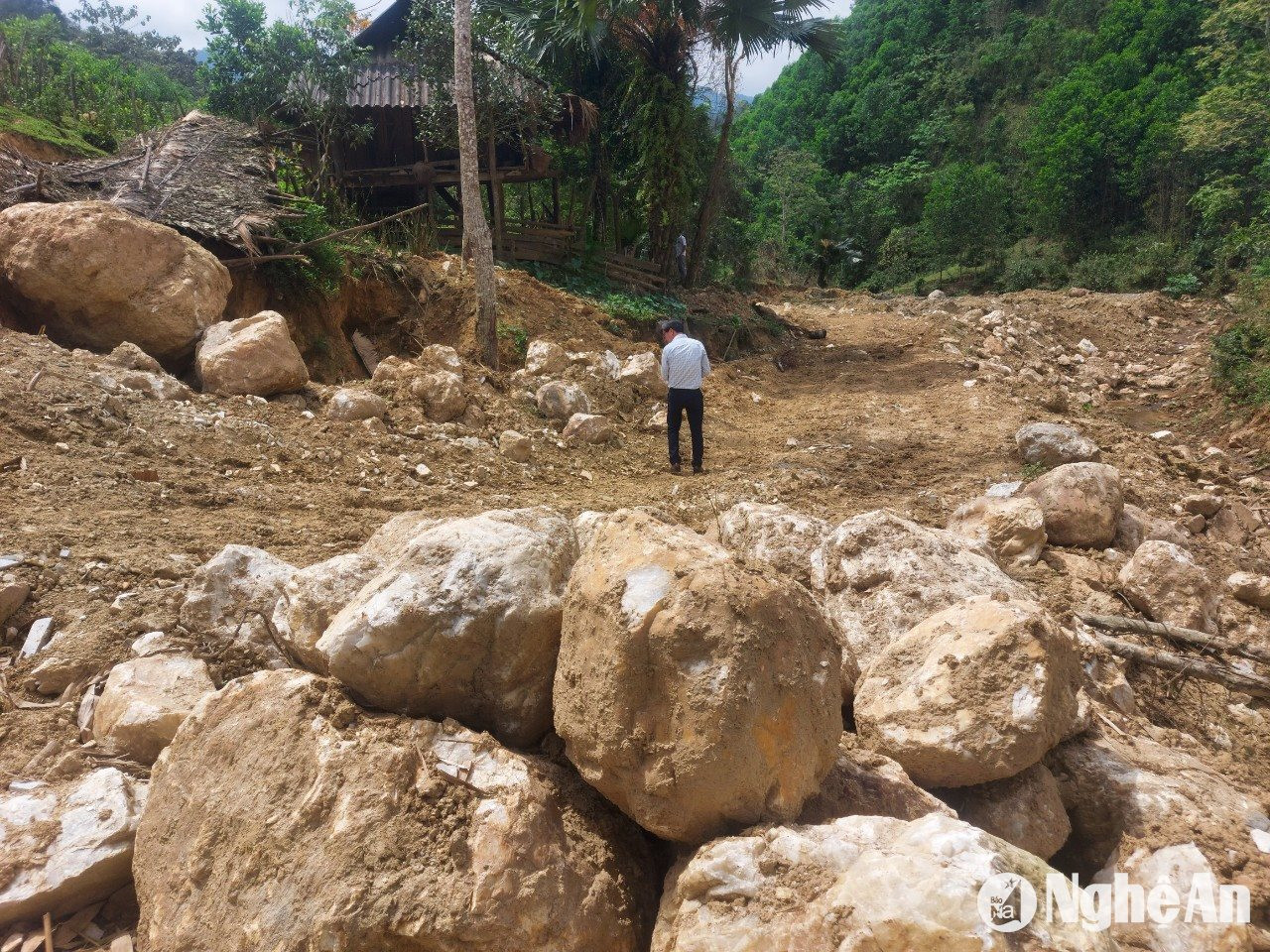
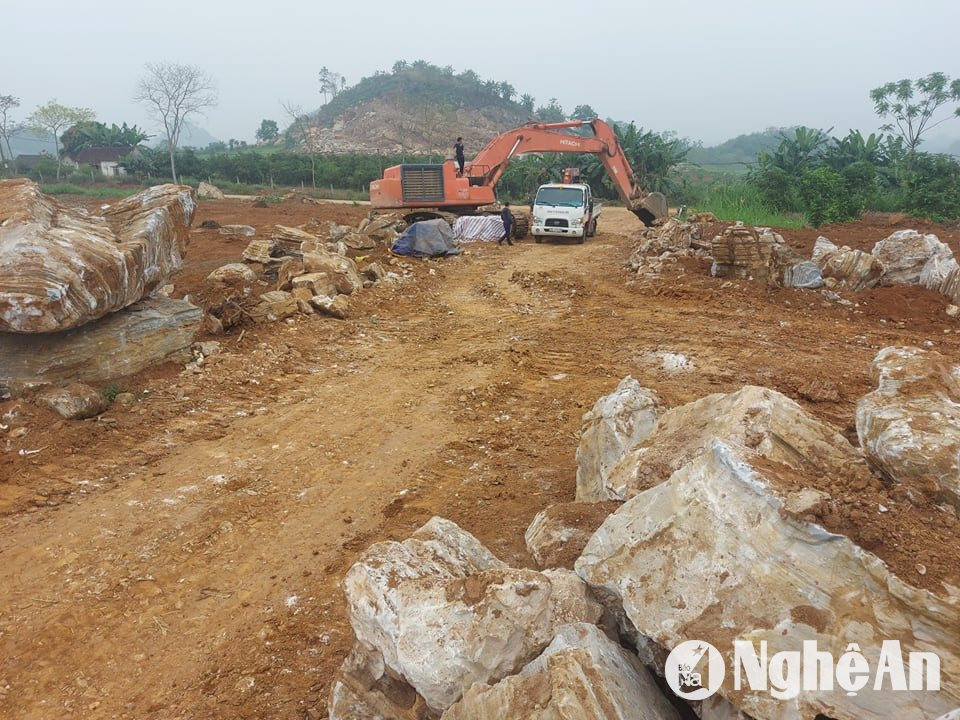
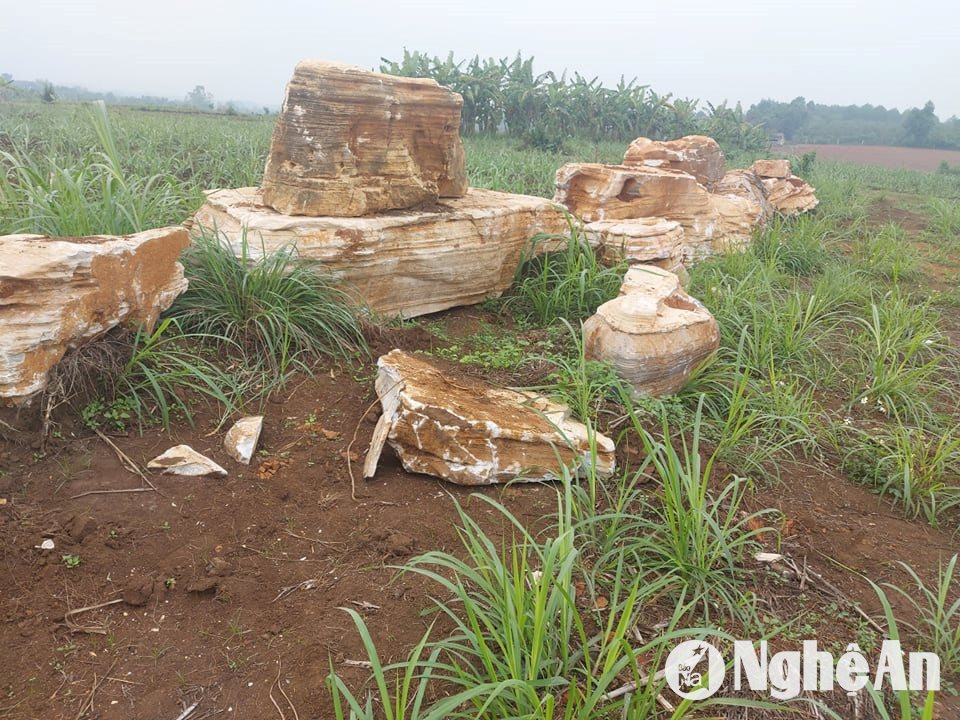
The road to the illegal mining area is winding, passing through several hamlets, villages, orchards, and rice paddies… But right on the way in, we saw scattered large, independent blocks of opaque white rocks with a metallic sheen, which the locals call "orphan rocks." Upon closer observation, this type of rock has many similarities to the quartz ore that the "miners" have been illegally mining in the communes of Chau Hong and Thanh Son. In about 30 minutes, we reached the quartz ore mining area that the police had identified. This is a hilly area with the Pung stream flowing through it. The area covers more than 500 square meters.2The area was scarred with the marks of machinery digging, and there were still many blocks of quartz ore of various sizes. Some blocks had been brought to the surface, some were exposed in the ravine, and some were half-submerged. Among them were some very large blocks of ore, up to 5-7 meters in diameter.3Following the Pùng stream towards Quế Phong district for a considerable distance, one notices that this area has a relatively large amount of quartz ore...
According to representatives of the Chau Hoan Commune People's Committee and the Quy Chau District People's Committee, the area where the mining is taking place falls under the management of Mr. Lo Van Huynh, residing in Lien Minh village. Since 1978, Mr. Huynh has been cultivating the land, creating rice paddies and fish ponds, and has erected watchtowers along the stream. Following the incident, the commune authorities verified the situation and concluded that due to the presence of scattered rocks on the surface of the fields, Mr. Huynh hired Mr. Vu Van Sy (born in 1992, residing in Tam Hop commune, Quy Hop district) to bring in machinery to excavate the land for farming purposes. During the excavation process, Mr. Vu Van Sy recognized the value of the rocks and independently collected, transported, and sold them outside the area…
Regarding the state's responsibility in managing the incident, the Chau Hoan commune authorities acknowledge that they underestimated the value of this type of stone, leading to complacency and a failure to fully understand the situation in order to detect and handle the issue promptly from the beginning.
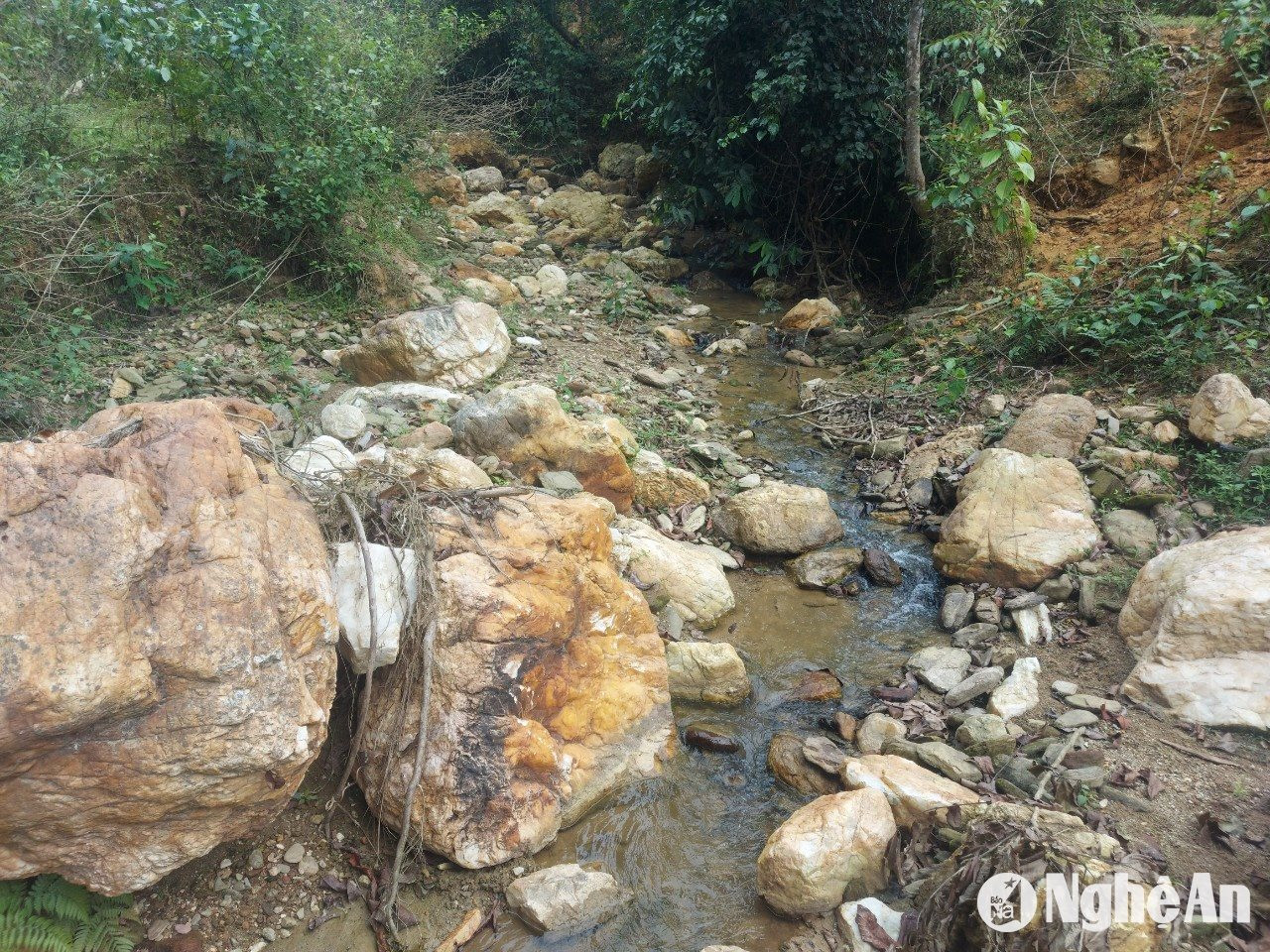
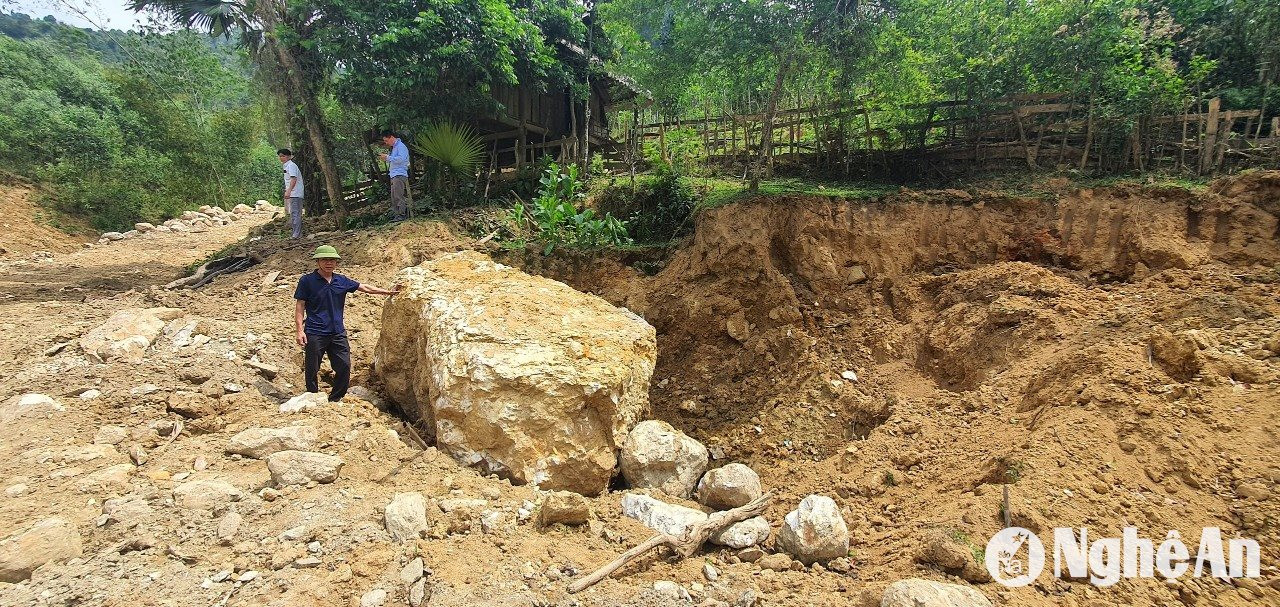
Mr. Tran Bao Linh, Head of the Department of Natural Resources and Environment of Quy Chau District People's Committee, confirmed that not only the people but also the officials were unaware that this was quartz ore. Due to a lack of understanding and recognition of the value of quartz ore, the people, when needing to improve their fields and develop the economy, allowed people from outside the district to dig and collect the ore; while the commune authorities were lax in their state management...
Actually, it was only when the police investigated the matter that people realized it was quartz ore, a valuable mineral..."
Mr. Tran Bao Linh - Head of the Department of Natural Resources and Environment of Quy Chau District
"THIRSTY" FOR BUILDING MATERIALS
Despite being a border district and the largest district-level administrative unit in the country, Tuong Duong has lacked sand mines for many years. To provide sand for construction purposes, the Provincial People's Committee, through Document No. 2839/XN-UBND dated July 6, 2018, authorized the exploitation of sand in the reservoir area of the Khe Bo Hydropower Plant. However, the exploitation period stipulated in Document No. 2839/XN-UBND expired in July 2020. Since then, organizations and individuals in Tuong Duong district have had to transport sand from lowland districts, incurring significant costs. Facing this difficult situation amidst the implementation of socio-economic development programs, the Tuong Duong District People's Committee has repeatedly submitted reports (or written submissions) to relevant authorities regarding this issue.
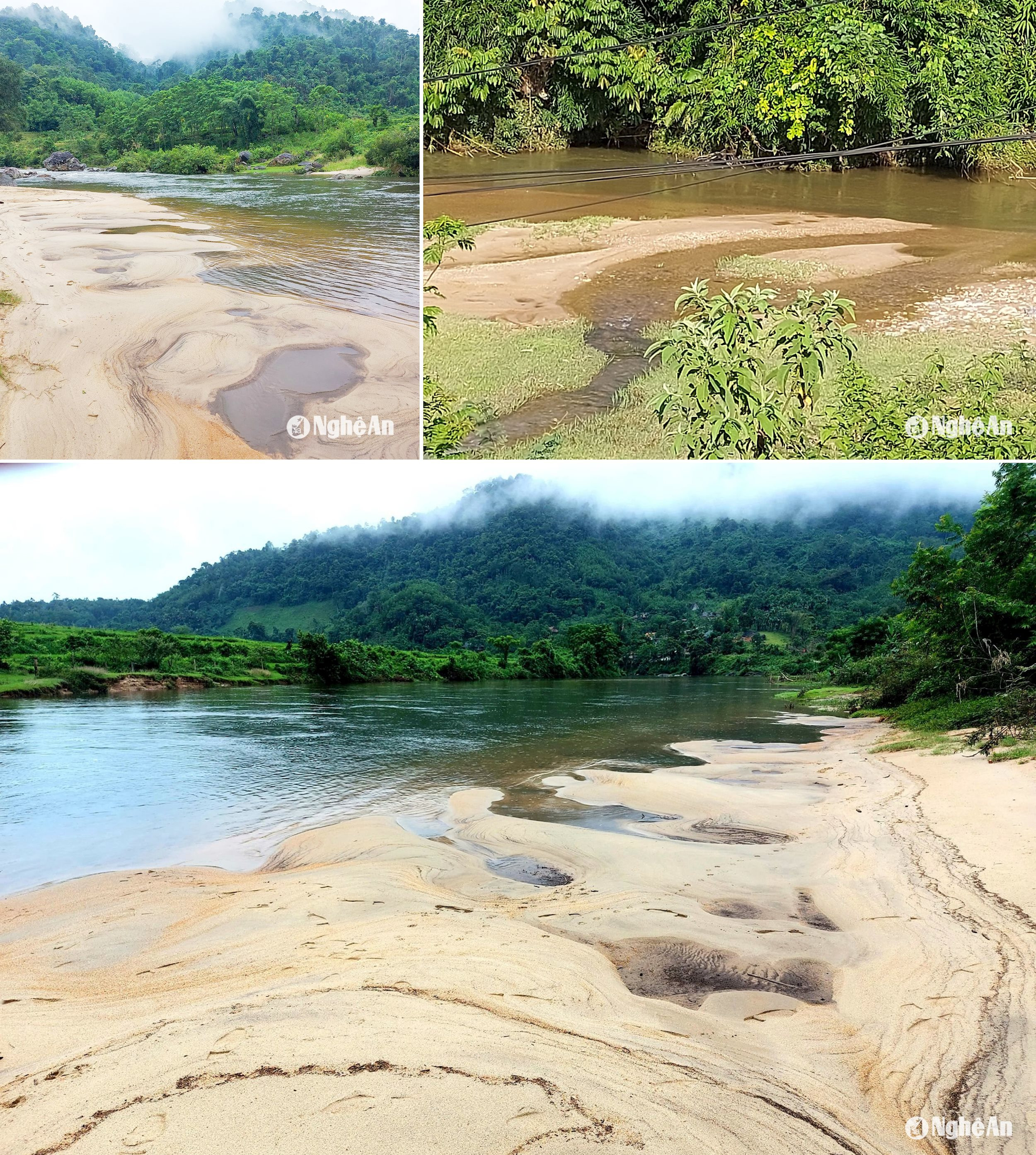
Mr. Nguyen Phung Hung, Head of the Department of Natural Resources and Environment of Tuong Duong District, said: Currently, basic construction activities in the district have to purchase sand from Anh Son and Do Luong districts, which are 100-140km away from the district center, Thach Giam town. Therefore, the price of sand fluctuates from 300,000 to 330,000 VND/m³.3This is approximately 150% higher than the unit price announced by the Provincial People's Committee, which is 220,000 VND/m².3High material costs, increased investment rates, and construction project cost overruns result in low economic efficiency.
Mr. Nguyen Phung Hung provided us with a document issued by the People's Committee of Tuong Duong District in June 2024, which shows that Tuong Duong District is currently accelerating the implementation of many infrastructure projects under the National Target Program on New Rural Development for the period 2021-2025. The document also states that people in this mountainous district (classified as a 30a area) are benefiting from policies supporting the construction and repair of houses for poor and near-poor households, with a total of 4,148 households receiving support (2,348 households building new houses; 1,800 households repairing existing ones). Therefore, the People's Committee of Tuong Duong District requests that the competent authorities consider and allow the development of a plan to exploit mineral resources in the area of the dredged Khe Bo reservoir.
“The sand and gravel deposits in the district have small reserves, scattered in small streams, and do not meet the conditions for granting mining permits according to current regulations. The area with large reserves is located within the Khe Bo hydroelectric reservoir, therefore, permission should be granted to develop a plan to recover minerals in the reservoir dredging area to contribute to increasing local budget revenue and reducing construction material costs…” - the People's Committee of Tuong Duong district proposed.
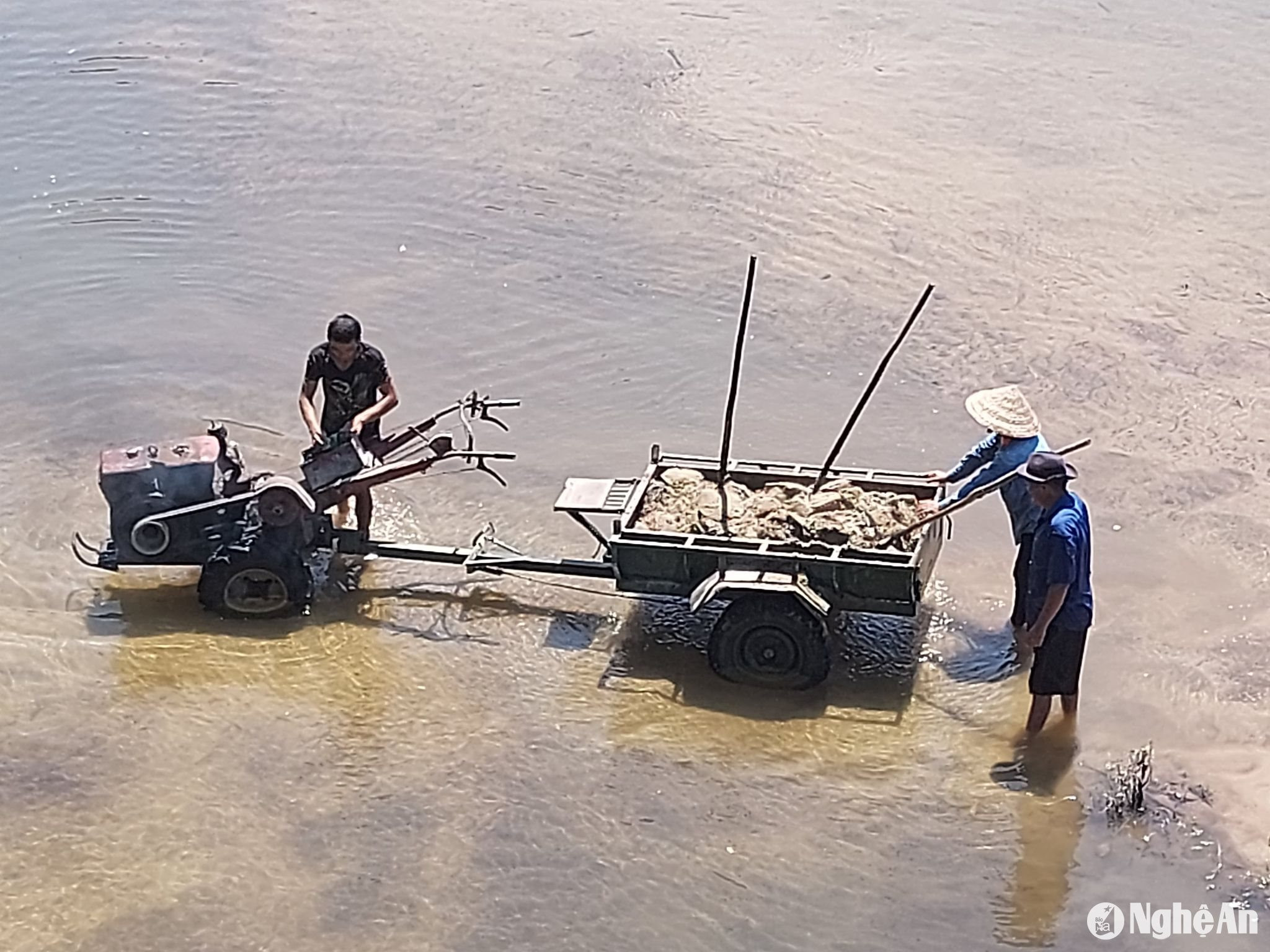
The border district of Quế Phong has many streams, rivers, and reservoirs with sand deposits, such as the Quàng River, Nậm Giải River, Nậm Việc River, and the Nậm Hạt and Nậm Hinh streams. However, ironically, the sand reserves in these rivers and streams are not large enough to warrant planning and licensing for mining according to regulations. This is the root cause of Quế Phong district's sand shortage for many years, leading to the problem of illegal sand mining and its many other negative consequences. Many local officials have lamented that despite all efforts, small-scale illegal sand mining still persists in many remote and isolated sections of rivers and streams.
Realizing that sand is available locally but has to be purchased from Nghia Dan, Quy Hop, and Quy Chau districts, leading to wasted budget and people's money, many localities in Que Phong have submitted written requests to the District People's Committee to report and propose to the competent authorities to allow the extraction of sand within their areas. For example, Muong Ngoc commune - a locality identified as achieving the new rural development target in 2025 in Que Phong district - once submitted a document explaining that the reason for not meeting the new rural development target was the high price of construction materials, with construction sand being the most problematic.
Detailed information on the average price of construction sand per 5m³ truckload.3With prices ranging from approximately 1.3 to 1.4 million VND for sand and 1.7 to 1.8 million VND for average-quality sand, the People's Committee of Muong Ngoc commune proposed: "If we are allowed to fully exploit sand in the area, prices will certainly decrease, and people, especially poor households and those living in dilapidated temporary houses, will face fewer difficulties in building their homes. Construction progress will be accelerated... gradually contributing to poverty reduction and the successful construction of new rural villages and communes. Therefore, on behalf of the people of Muong Ngoc commune, we propose to the District People's Committee and request the relevant authorities and the Provincial People's Committee to allow localities like Muong Ngoc to fully exploit sand in the area to alleviate difficulties for the people and successfully implement the National Target Program for building new rural areas."
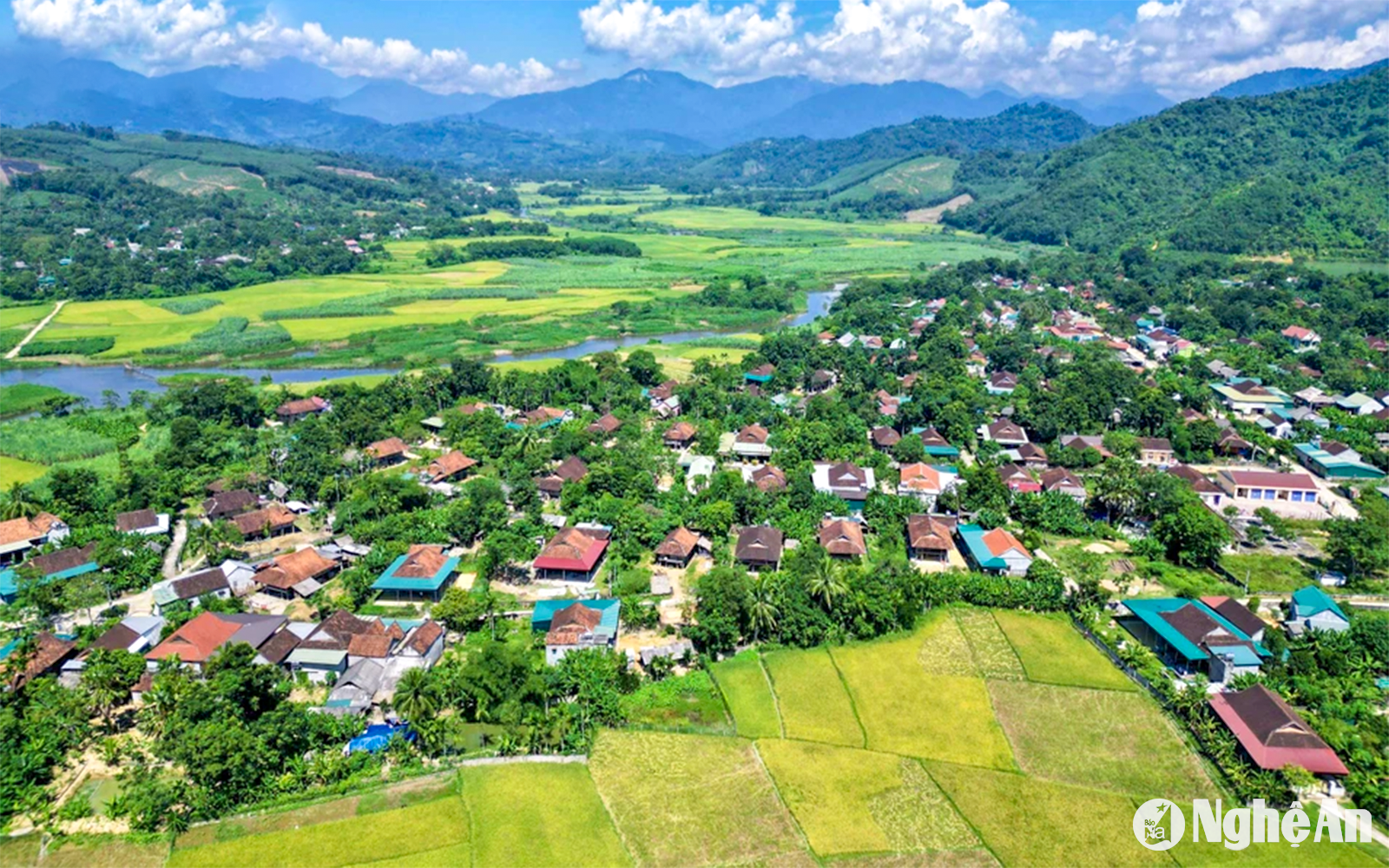
In a discussion with the Vice Chairman of the People's Committee of Que Phong District, Mr. Bui Van Hien, he stated that the sand issue remains unchanged. The district authorities regularly instruct the commune governments not to neglect their responsibilities despite the difficulties. However, they have also requested the Provincial People's Committee and relevant departments to study the unique characteristics of this border district, which faces many challenges, in order to find solutions to address the problem.
The difficulty in Que Phong district is the lack of mining sites with sufficient reserves to qualify for mining licenses according to regulations. Therefore, the district has requested higher authorities to consider surveying and planning 3-5 sand-bearing sites simultaneously to establish mines, organize auctions, and grant mining licenses. Only in this way can the pressure on the communes in the district be reduced; and the investment costs for construction projects by the people and the state be lowered…”.
Mr. Bui Van Hien - Vice Chairman of the People's Committee of Que Phong District
REVISING THE LAW, FOCUSING ON THE GRASSROOTS
The existing problems and shortcomings related to the mineral sector in Nghe An province are not only limited to the management of scattered, small-scale mineral resources and the scarcity of sand and gravel in the highland districts. Even in the lowland and midland areas, there are similar problems and shortcomings. For example, the shortage of fill soil leads to difficulties in state management and acts as a "bottleneck" in infrastructure development for socio-economic progress.
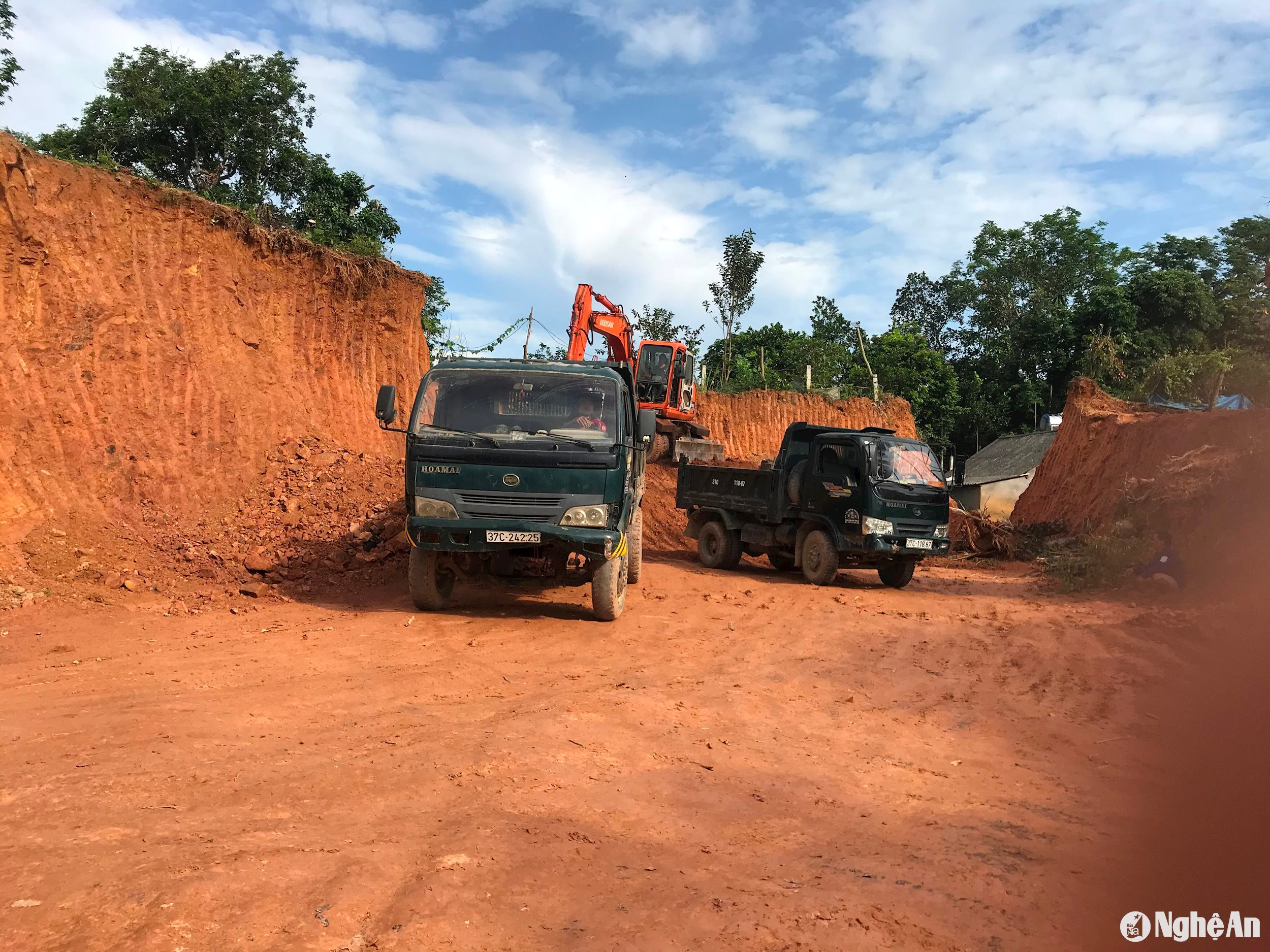
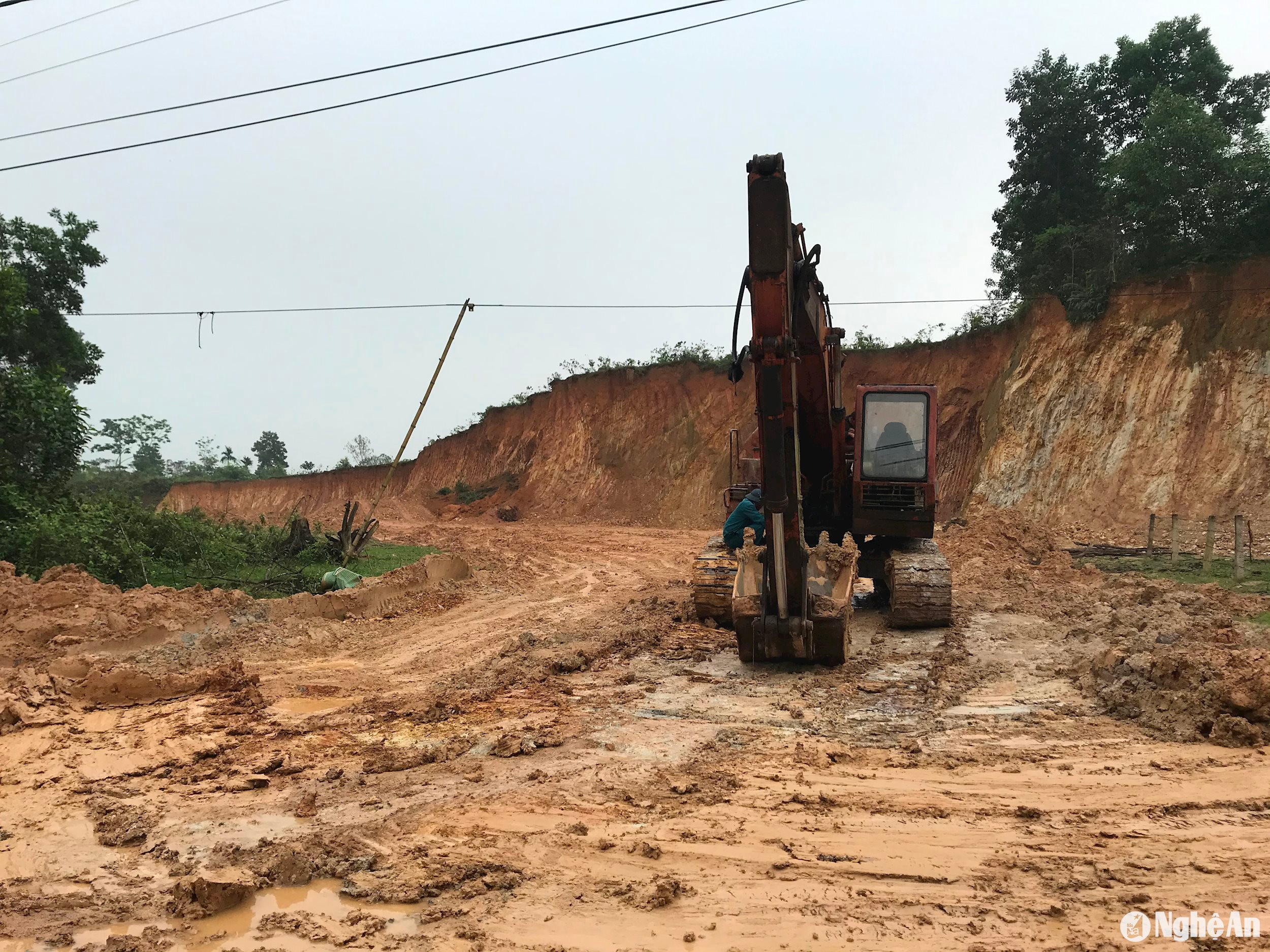
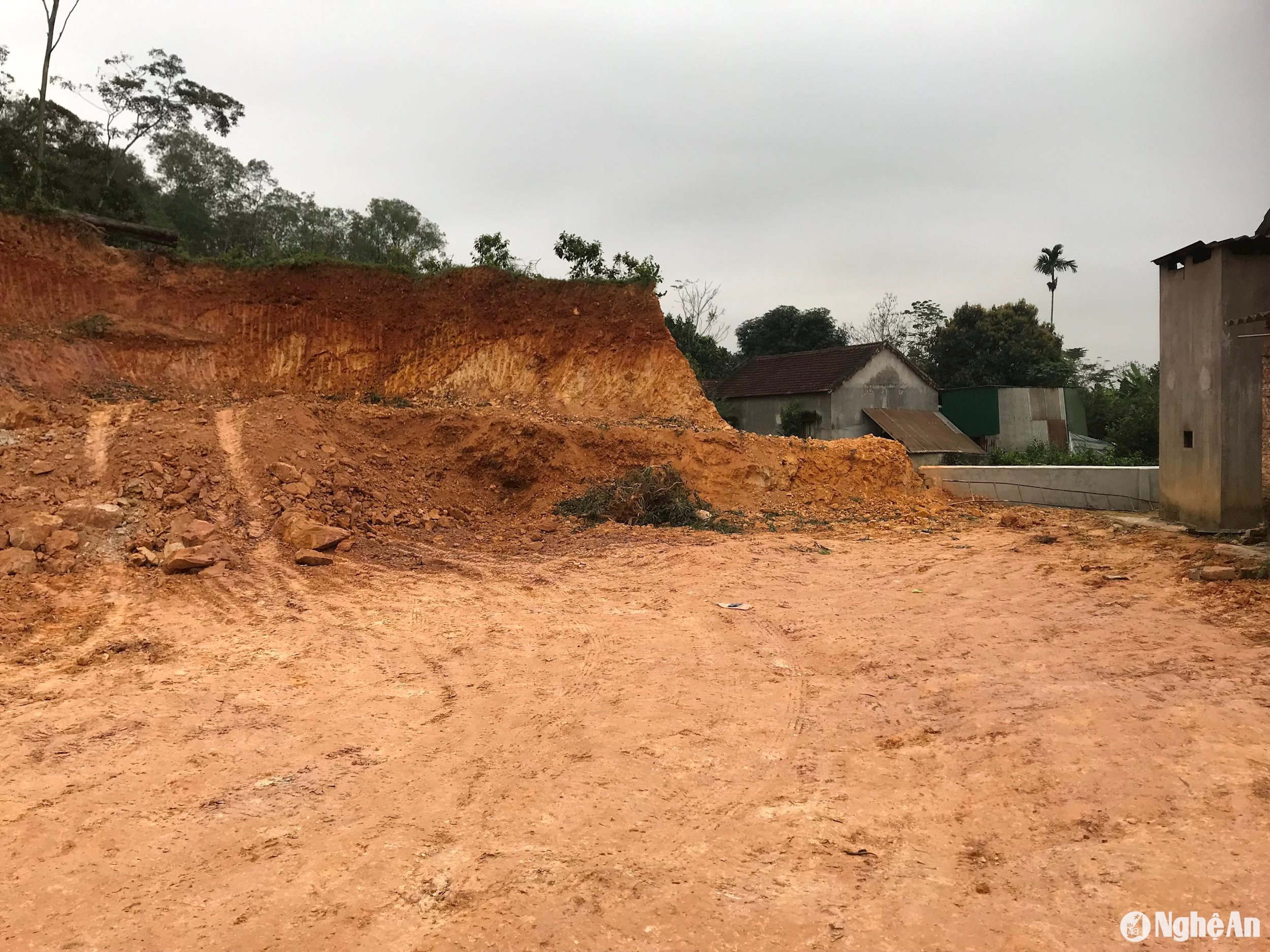
A practical example is the mountainous district of Quỳ Châu, where in mid-November 2022, a report was submitted to the Provincial People's Committee outlining the current situation and proposing solutions to ensure the supply of land for leveling the ground for public infrastructure projects under three National Target Programs. According to Quỳ Châu district, planning and licensing the exploitation of soil mines in the area is not feasible; four planned soil mines in Châu Bình, Châu Phong, Châu Tiến, and Châu Thắng communes have not received any applications from organizations or individuals due to low return on investment! The solution proposed by the Quỳ Châu District People's Committee is: “We request that the Provincial People's Committee and relevant departments consider and facilitate the Quỳ Châu District People's Committee to utilize the planned soil mines in the area during the implementation of public infrastructure projects under the District People's Committee's investment. The District People's Committee commits to developing a plan for proper use, accurate volume, and paying all taxes as required…”
I brought these shortcomings and inadequacies to the attention of some responsible officials in the relevant fields to ask whether, at the present time, while the 2010 Mineral Law is being considered for amendment, these issues have been addressed to create new, appropriate regulations to help localities in the province overcome difficulties? It is known that the draft Mineral Law has been submitted to the National Assembly for the first round of comments, however, it has only created "ease" for the issue of earth fill materials.
Regarding this same issue, in a discussion with Ms. Vo Thi Minh Sinh, National Assembly representative and Chairwoman of the Vietnam Fatherland Front Committee of Nghe An province, she acknowledged that these are all difficult problems that need to be addressed, especially in the mountainous districts with unique characteristics of the province. Ms. Vo Thi Minh Sinh also stated that these issues have been reflected upon and discussed by the National Assembly delegation of the province; however, they will pay closer attention to providing feedback during the upcoming consultation on the draft Mineral Law…