

4 health benefits of purple foods
Besides being visually appealing, purple foods also offer many health benefits.
Purple fruits and vegetables are a rich source of nutrients beneficial to health, including flavonoids, polyphenols, ellagic acid, vitamins, and minerals. Among them, anthocyanidin – the compound that gives fruits and vegetables their purple color – is a powerful antioxidant that can inhibit the harmful effects of free radicals in the body, providing numerous health benefits.
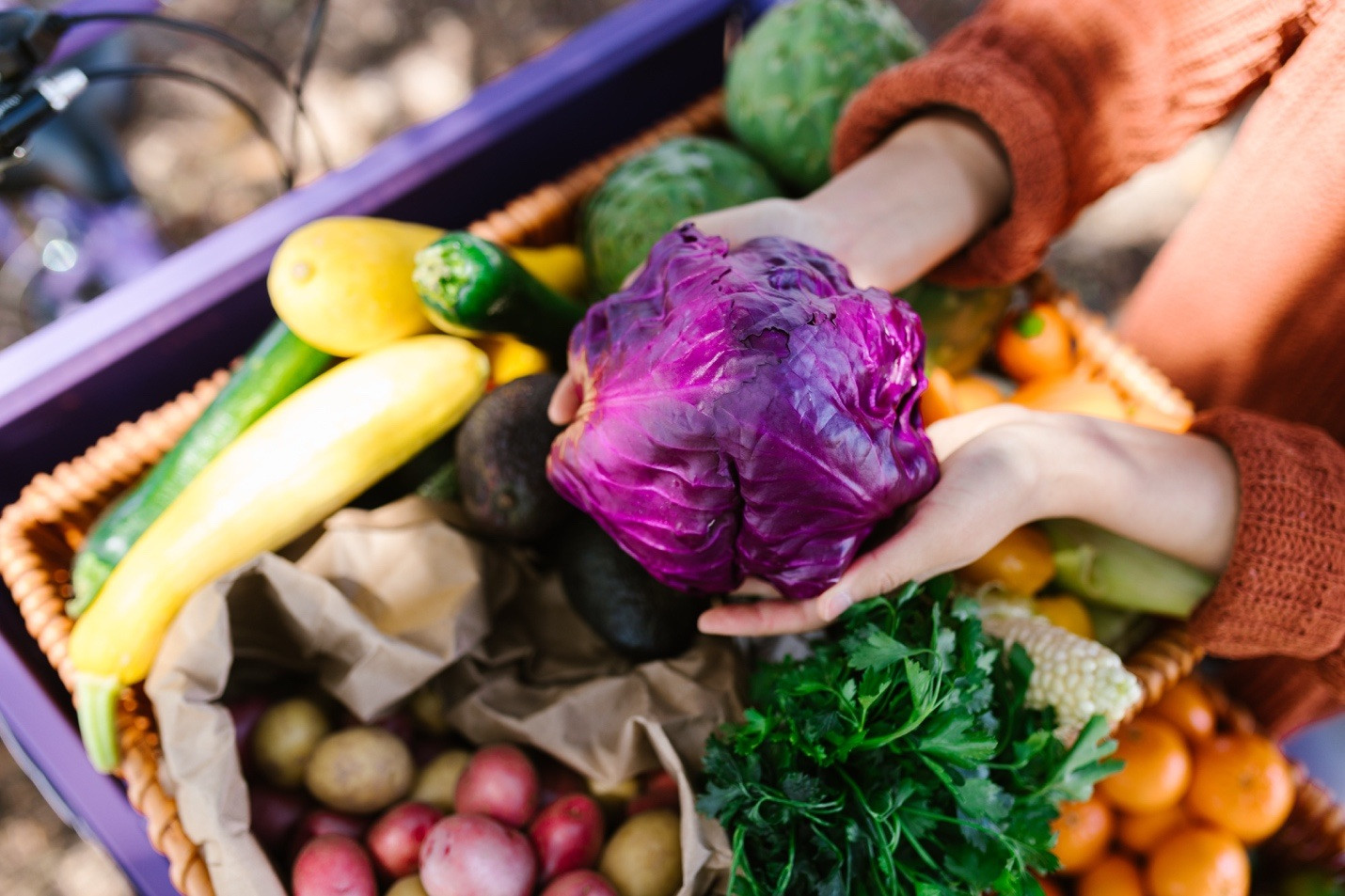
Good for the stomach
A study in the US showed that anthocyanins in purple fruits and vegetables help limit the formation of stomach ulcers, slow down oxidation, and enhance the activity of natural antioxidants (such as glutathione) in the body.
Good for the brain
According to a study published in the Archives of Pharmacal Research, purple foods like purple sweet potatoes help support memory enhancement. Anthocyanins help prevent age-related neurological decline while improving learning and memory abilities.
Improve cardiovascular health
According to the National Institute of Food Safety and Hygiene Testing, flavonoid compounds in general, and anthocyanins in particular, are believed to reduce the risk of coronary artery disease by preventing the oxidation of low-density lipoproteins in blood plasma. The circulatory system and heart muscle are protected from the negative effects of oxidation thanks to the anthocyanins found in purple foods.
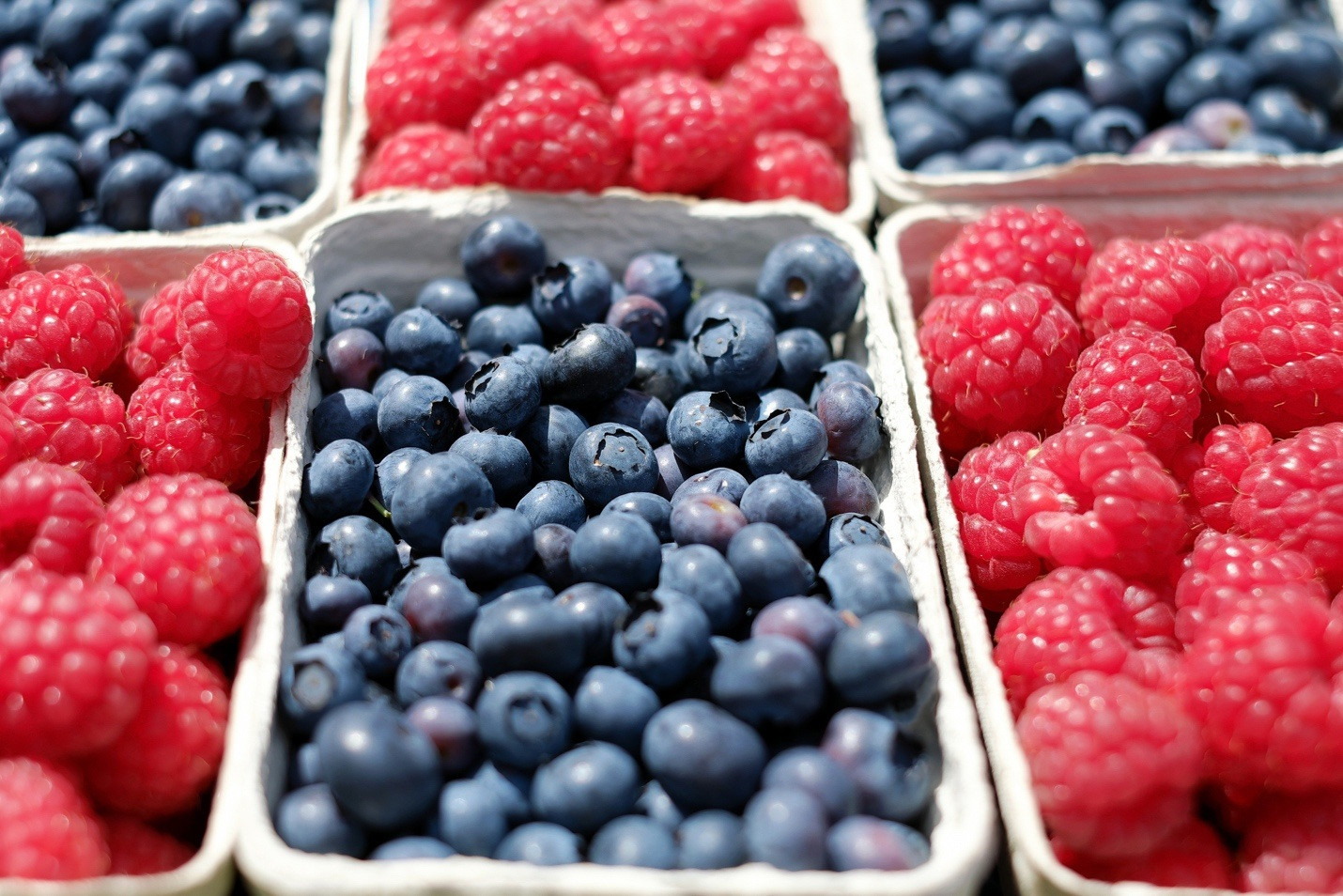
Helps lower blood pressure.
Research from King's University (London, England) shows that resveratrol (abundant in purple foods) oxidizes the protein PKG1a in blood vessel walls, helping to relax and widen them. When blood vessels dilate, blood flows more easily, the force exerted on the vessel walls is reduced, thereby lowering blood pressure.
Despite their numerous health benefits, purple foods are generally less common in Vietnam and other Asian countries, especially fruits and berries like blueberries, cranberries, raspberries, and currants. This is one of the reasons why many people suffer from deficiencies in purple phytonutrients. Meanwhile, according to the World Health Organization (WHO), a minimum of 400g of fruits and vegetables of all five colors (green, red, orange, white, and purple) should be consumed daily to ensure good health.