

This type of tea is very good for the heart and reduces the risk of diabetes.
Black tea is rich in antioxidants and can offer many health benefits, including improved cardiovascular and gut health, as well as reduced risk of certain diseases.
Besides water, black tea is one of the most widely consumed beverages in the world.
Black tea, or red tea, is a type of tea. Typically, it has a stronger flavor than other types of tea, such as green tea.
The name red tea (or black tea) originates from the color of the tea, and it is commonly used in East Asian countries and some other parts of the world.
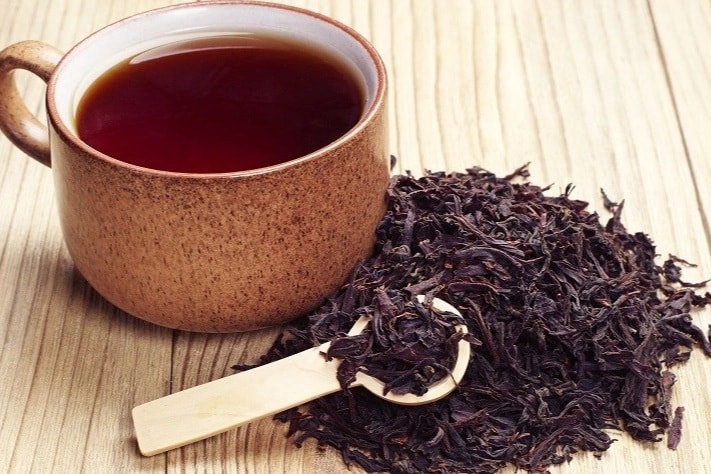
Black tea offers many health benefits (Photo: Getty).
Black tea has a stronger flavor and contains more caffeine than other types of tea, but less caffeine than coffee. Black tea also offers many health benefits because it contains antioxidants and compounds that may help reduce inflammation in the body.
According to the Vietnam Institute of Applied Medicine, here are 10 scientifically proven health benefits of black tea:
Antioxidants
Antioxidants are known to offer numerous health benefits. Consuming them can help eliminate free radicals and reduce cellular damage in the body. This helps lower the risk of chronic diseases.
Polyphenols are a type of antioxidant found in several foods and beverages, including black tea. Polyphenol groups, including catechins, theaflavins, and thearubigins, are the primary source of antioxidants in black tea and may enhance overall health.
A study on mice examined the role of theaflavin and thearubigins in black tea and their associated risk of diabetes, obesity, and high cholesterol. The results showed that theaflavin and thearubigins reduced cholesterol and blood sugar levels.
Improve cardiovascular health
Black tea contains another group of antioxidants called flavonoids, which are beneficial for cardiovascular health. Along with tea, flavonoids can be found in vegetables, fruits, red wine, and dark chocolate.

Black tea is good for cardiovascular health (Photo: Getty).
Regular consumption of these foods may help reduce several risk factors for heart disease, including high blood pressure, high cholesterol, elevated triglyceride levels, and obesity.
A large review of studies showed that for each cup of tea consumed daily, the risk of death from heart disease is 4% lower, the risk of heart attack and other cardiovascular events is 2% lower, the risk of stroke is 4% lower, and the risk of death from all causes is 1.5% lower.
Lowering "bad" LDL cholesterol
The body contains two lipoproteins that transport cholesterol throughout the body. One is low-density lipoprotein (LDL) and the other is high-density lipoprotein (HDL).
LDL is considered the "bad" lipoprotein because it carries cholesterol to cells throughout the body. HDL, on the other hand, is considered the "good" lipoprotein because it carries cholesterol away from your cells and to the liver to be removed from the blood.
When there is too much LDL in the body, it can build up in the arteries and cause plaque. This can lead to problems such as heart failure or stroke. Fortunately, some studies have found that drinking tea may help lower LDL cholesterol.
Improve gut health
The gut contains trillions of bacteria and a large part of your immune system. The polyphenols found in red tea can help maintain a healthy gut by promoting the growth of beneficial bacteria and inhibiting the growth of harmful bacteria.
Additionally, black tea contains antibacterial properties that help eliminate harmful substances, improve gut bacteria and immunity by helping repair the lining of the digestive tract.
It may help lower blood pressure.
High blood pressure can increase the risk of heart and kidney failure, stroke, vision loss, and heart attack. Fortunately, changes in diet and lifestyle can help lower your blood pressure.
A study examined the impact of tea consumption on blood pressure in individuals with hypertension or high blood pressure. The evaluation showed that regular tea consumption reduced systolic blood pressure by 4.81 mmHg and diastolic blood pressure by 1.98 mmHg in those with hypertension.