

What to do after driving through water.
After driving through water, the first thing the owner should do is open the hood and check if any trash, plastic bags, or leaves have floated into the engine compartment.
The reason is that engine compartments are often not sealed at the bottom, so wading through water can cause debris to get stuck there. Therefore, it is necessary to remove the debris to prevent rodents from damaging the engine compartment and to prevent fires and explosions.
Inspect the engine and engine compartment.
The engine is the heart of the car, so make sure it's in good condition before setting off again. Open the hood and inspect; if you see a lot of water accumulating in the air filter, engine, or oil reservoir, there's a high risk that water has entered the engine.
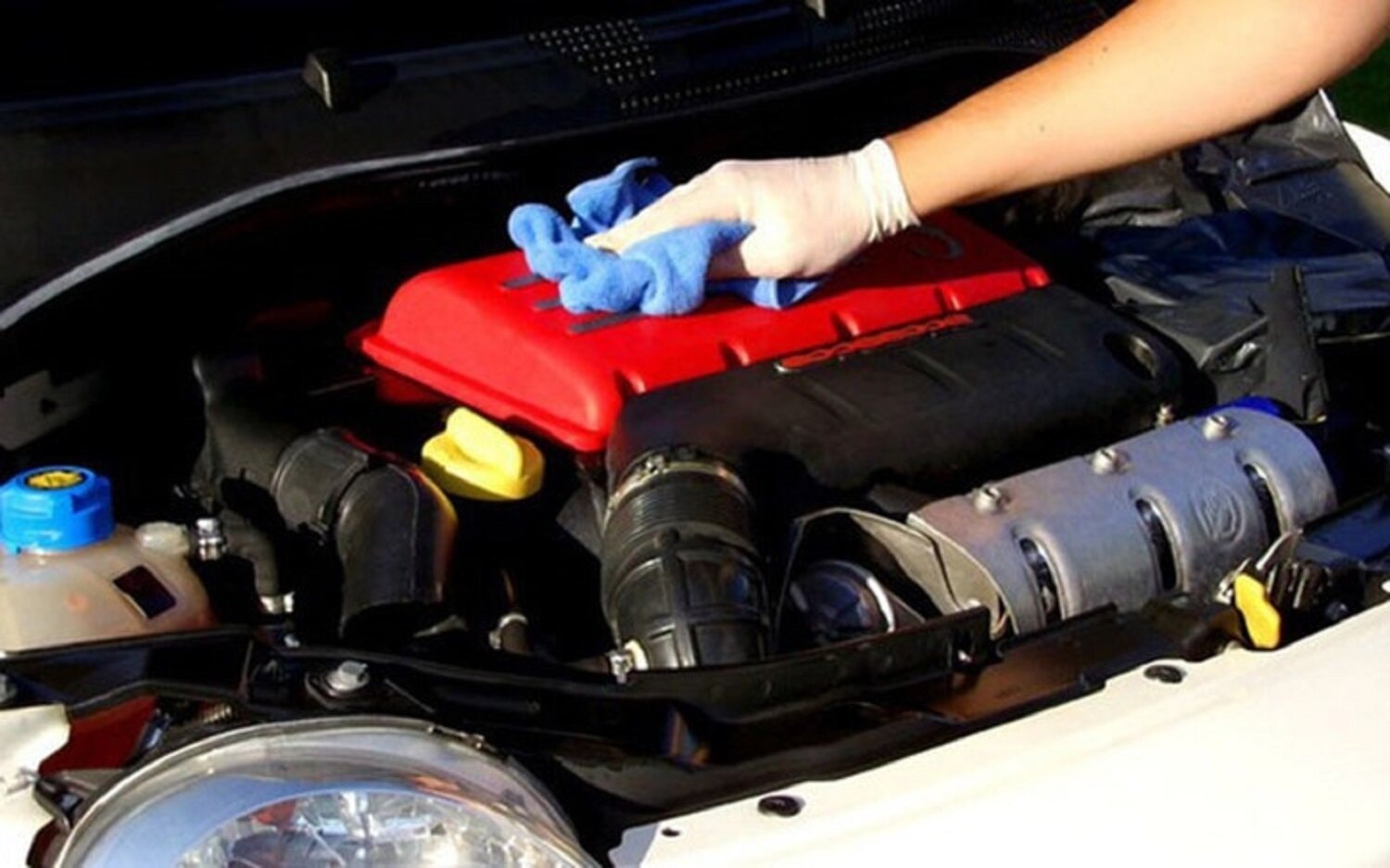
To ensure your car engine is still running properly, check by starting it while stationary and paying attention to whether the engine revs up or suddenly stalls, or if there are any strange noises. If you notice anything unusual, use the dipstick to check if water has gotten into the engine oil.
If the dipstick shows the engine oil is the color of milky coffee, then the engine oil has been contaminated with water. In this case, you need to replace the oil and filter, remove the spark plugs, and start the car to push out any remaining water. Then, use an air blower to dry the engine, reassemble everything, and start the car again to force the water out of the engine.
In addition to engine oil, drivers should also check other fluids such as brake fluid, power steering fluid, coolant, and whether the air filter is wet.
Check the brakes.
When driving through flooded areas, brake discs can get wet, causing the brakes to stick if the car is parked overnight with the parking brake engaged. To prevent this, car owners can find a dry place such as a parking garage and continuously apply the brakes while driving to allow the brake system to dry before parking. This will dry the brakes and prevent them from locking up.
The electrical system also needs a thorough inspection. Water can seriously damage the vehicle's electrical and electronic systems, leading to cascading failures. When submerged in water, the electrical system can short circuit, corrode connections, or affect signals, buttons, and controls for features such as lights, entertainment systems, power seats, and speakers.
Carefully inspect components such as fuses, the control unit, and the vehicle's lighting system for any damage. If any problems are detected, disconnect the power from the battery and call for roadside assistance immediately.
Inspect the interior.
After moving your car out of the flooded area, check the interior because water ingress can cause rapid damage. Soft parts of the car, such as floor mats and seat cushions, are always heavily affected because they absorb and retain water very effectively.
Therefore, the next step is to clean the carpets, seats, and other leather or fabric surfaces inside the car, as these areas are prone to mold and unpleasant odors if they get wet and aren't dried properly. A clean, dry cloth should be used for wiping. After cleaning the interior, slightly open the windows to allow for ventilation and faster drying. It's advisable to switch to rubber floor mats during the rainy season to prevent mold.
Finally, don't forget to check the spare tire area. If you see any water, dry it immediately. Leaving water standing in this area for too long will cause the metal parts of the spare tire and other equipment to rust and become damaged.