

Food of unknown origin is freely sold.
The issue of food safety and hygiene is not new, but it remains a pressing concern. Consumers face numerous food products of unknown origin and questionable quality. Despite this, inspecting and addressing the problem remains challenging.
Living with contaminated food
Currently, Hung Chinh slaughterhouse is the only centralized livestock slaughterhouse in Vinh City after the Nghi Phu slaughterhouse ceased operations in recent years. With a high population density and numerous markets, supermarkets, and restaurants, the consumption of pork in Vinh City is very large. Therefore, Hung Chinh slaughterhouse is always open from early morning to meet market demand.
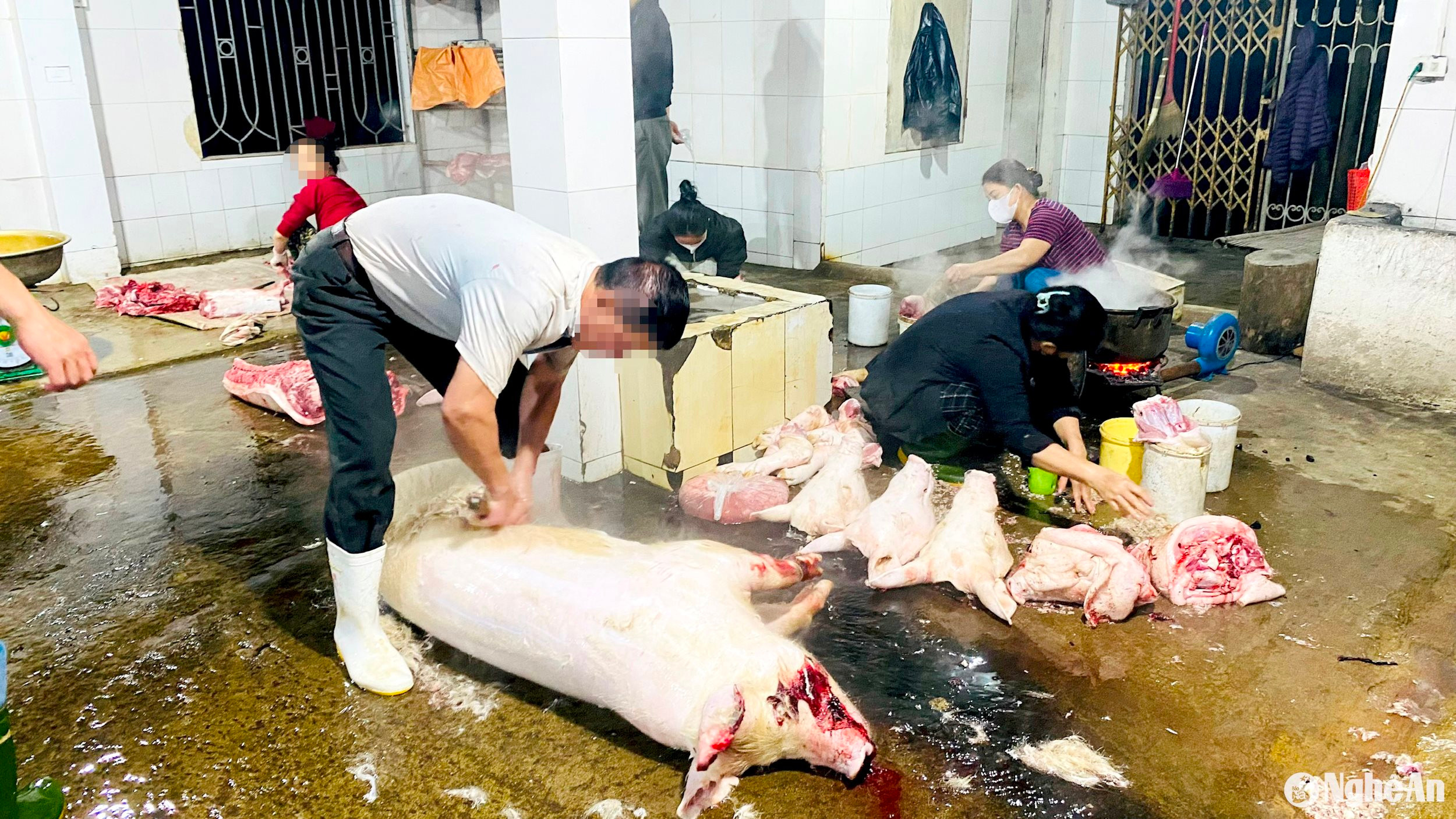
However, according to the reporter's observations, food safety and hygiene at the Hung Chinh slaughterhouse still have many shortcomings. Due to its long history of operation, many facilities at the slaughterhouse have deteriorated. All animal slaughtering processes are carried out directly on a cement floor filled with dirty water. Pork, offal, pig feces, wastewater, etc., are mixed together on the floor, making the risk of pork contamination high.
After slaughter, the pigs are loaded onto motorcycles and transported to various locations for consumption without any covering, with pieces of meat covered in dust and dirt during transport. It is known that this slaughterhouse slaughters an average of 20-30 pigs per day. Despite supervision by local veterinary officers and the issuance of quarantine stamps, the handling and enforcement of food safety and hygiene issues during the slaughtering process remain neglected.
.jpg)
According to statistics from the Provincial Department of Livestock and Veterinary Medicine, Nghe An province has 974 livestock slaughtering facilities. Of these, only 41 are centralized slaughtering facilities under regular veterinary supervision, while the remaining 933 are small-scale slaughterhouses. The risk of food safety and hygiene issues is very high at these small-scale facilities. These locations lack the necessary infrastructure and equipment for safe slaughtering. Most slaughtering takes place on the floor, and waste and wastewater are not properly treated.
Currently, street food, fast food, and processed foods with a wide variety of dishes are very popular, especially among young people. However, these are also the products with the highest potential for food safety and hygiene issues on the market.
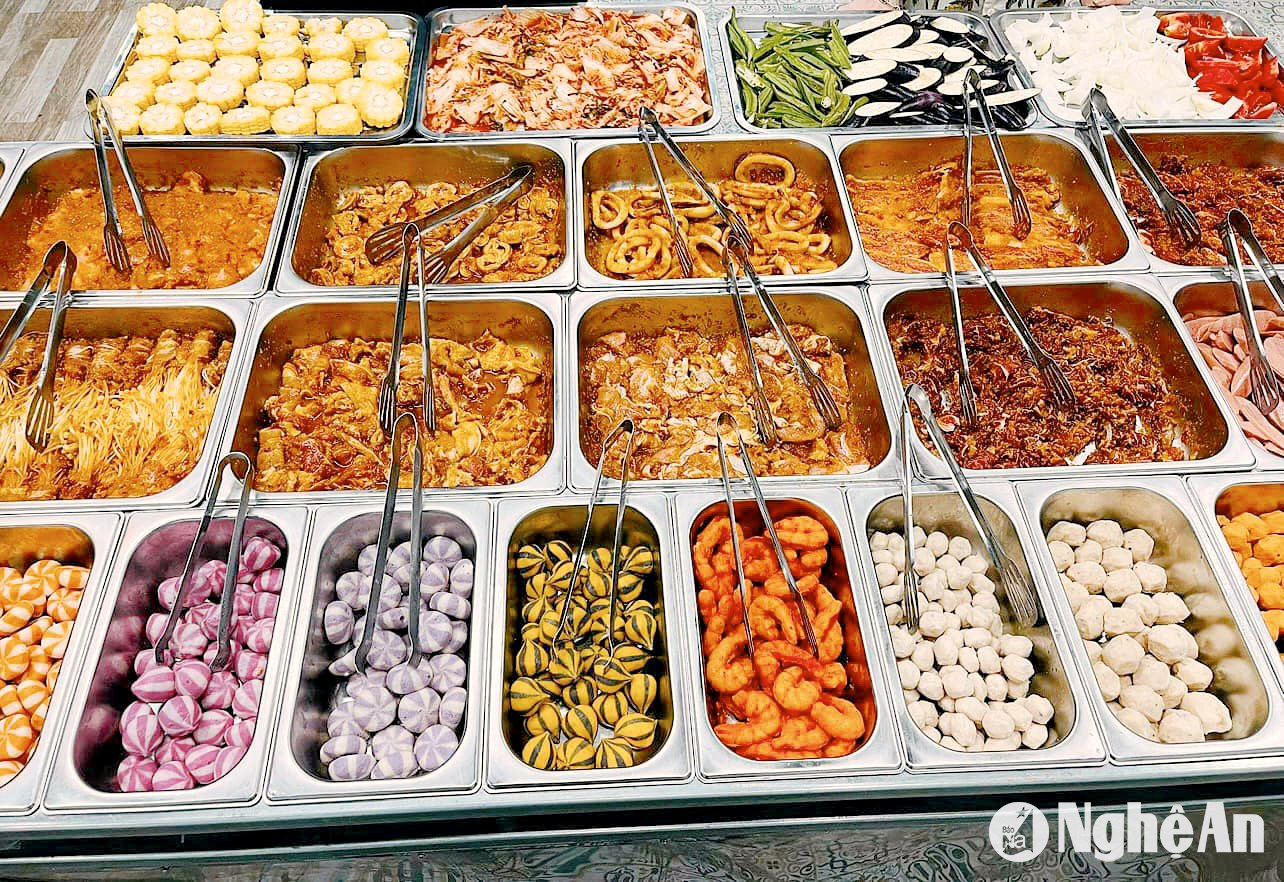
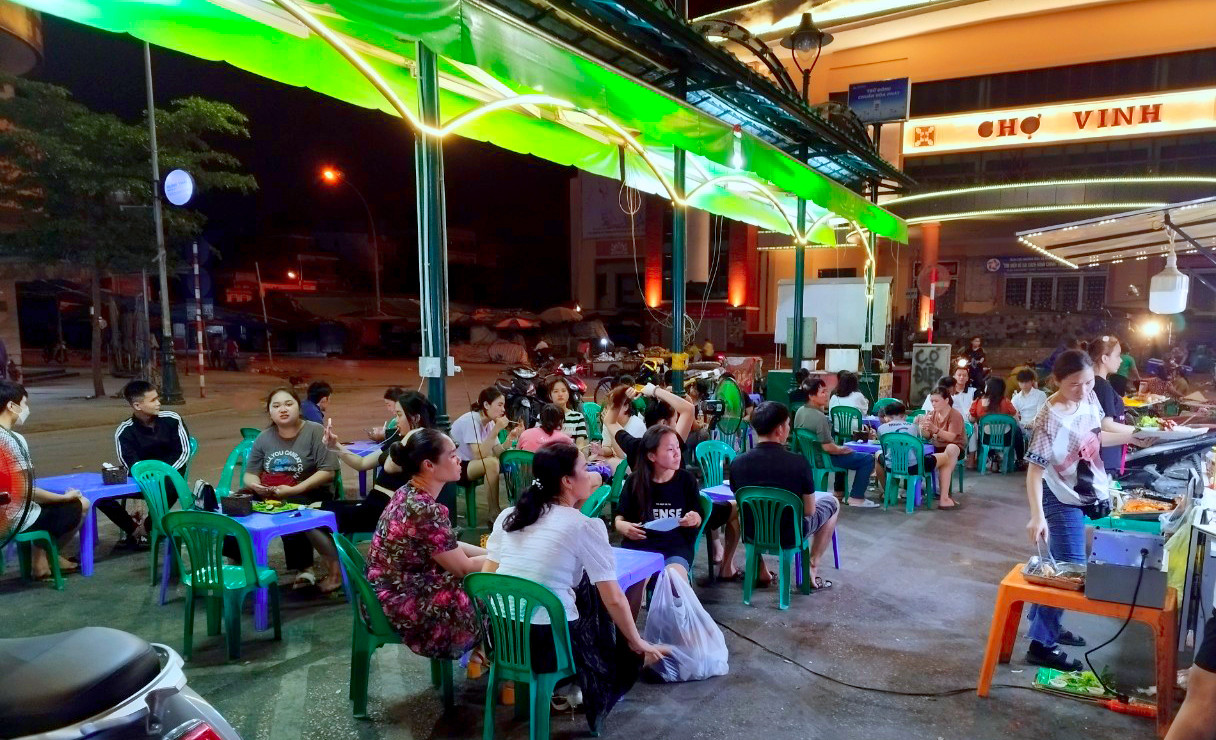
Walking around streets in Vinh City such as Nguyen Van Cu, Vo Thi Sau, Bach Lieu, etc., it's easy to notice that many affordable buffet restaurants have sprung up, attracting a large number of diners. For just around 100,000 VND, diners can enjoy unlimited servings of their favorite dishes such as: American beef, pork udder, beef udder, pork belly, stomach, octopus, chicken feet, squid, buttered bread, vegetables, and more.
According to a reporter's observations at a budget buffet on Vo Thi Sau Street in Vinh City, the dishes are arranged in a variety of large trays, seasoned attractively to impress diners while also masking the original colors and flavors of the food.
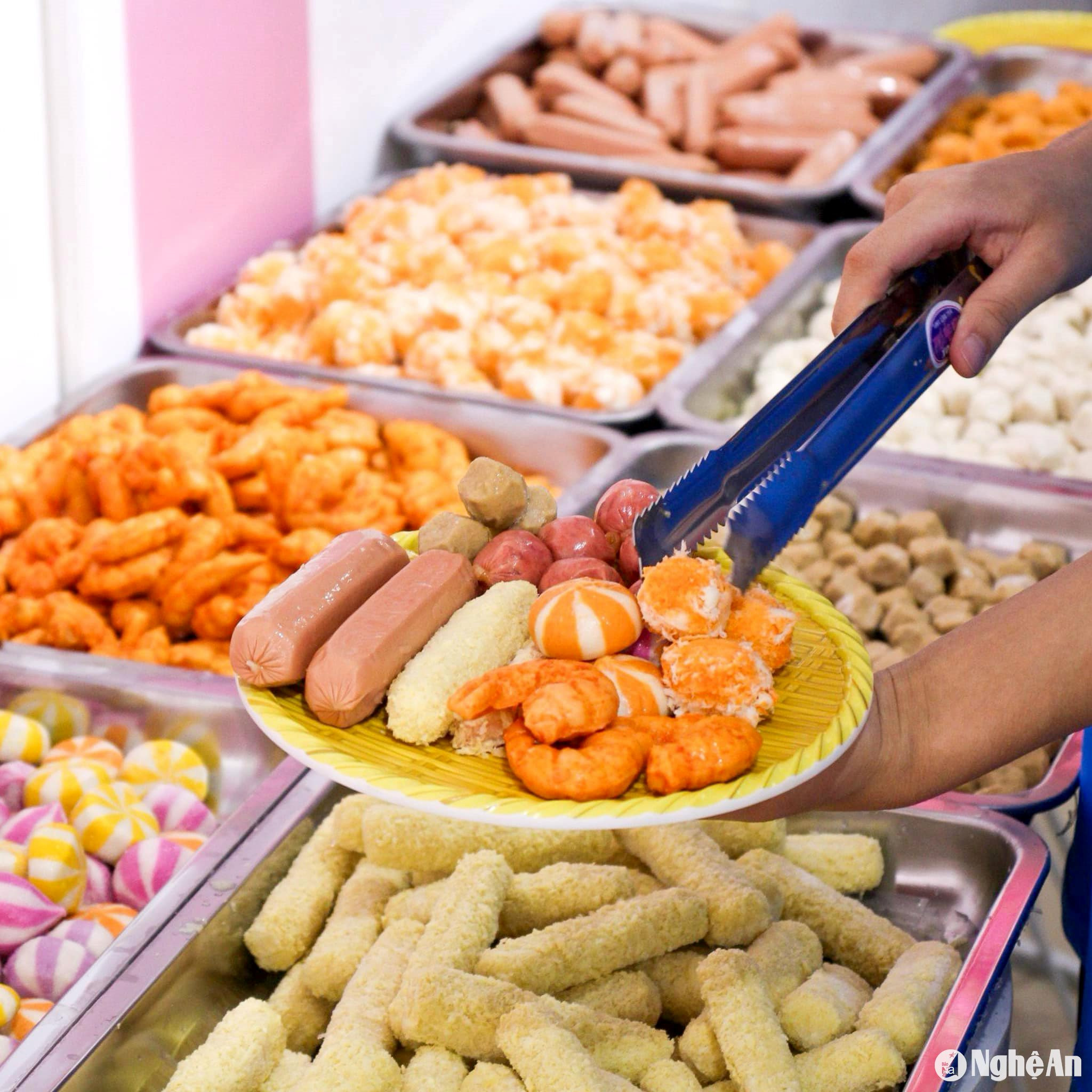
Currently, beef on the market costs over 200,000 VND/kg, pork belly costs 130,000 VND/kg, and seafood is even more expensive… yet for just 100,000 VND you can eat all of these foods freely, making consumers question whether the origin of these foods is guaranteed. My family tried it once and decided not to go back because the food was mostly frozen, of poor quality, and some had a foul odor… very harmful to the body.
Ms. Phan Tú Thảo, Ben Thuy Ward (Vinh City)
Currently, this type of super-cheap barbecue and hot pot buffet is "making waves" in the market, still attracting a large number of diners, especially young people. It's clear that a lack of awareness about contaminated food and food of unknown origin still exists among a segment of consumers. Furthermore, inspections of these establishments are not carried out regularly or consistently.
According to the Food Safety and Hygiene Department (Ministry of Health), currently, those directly involved in food preparation and even consumers generally lack knowledge in ensuring food safety and hygiene. Cheap street food is largely of unknown origin; stalls are located on sidewalks, close to traffic, and if dust, mold, and exhaust fumes such as gasoline contaminate the food, the risk of food poisoning is very high.
Tighten management
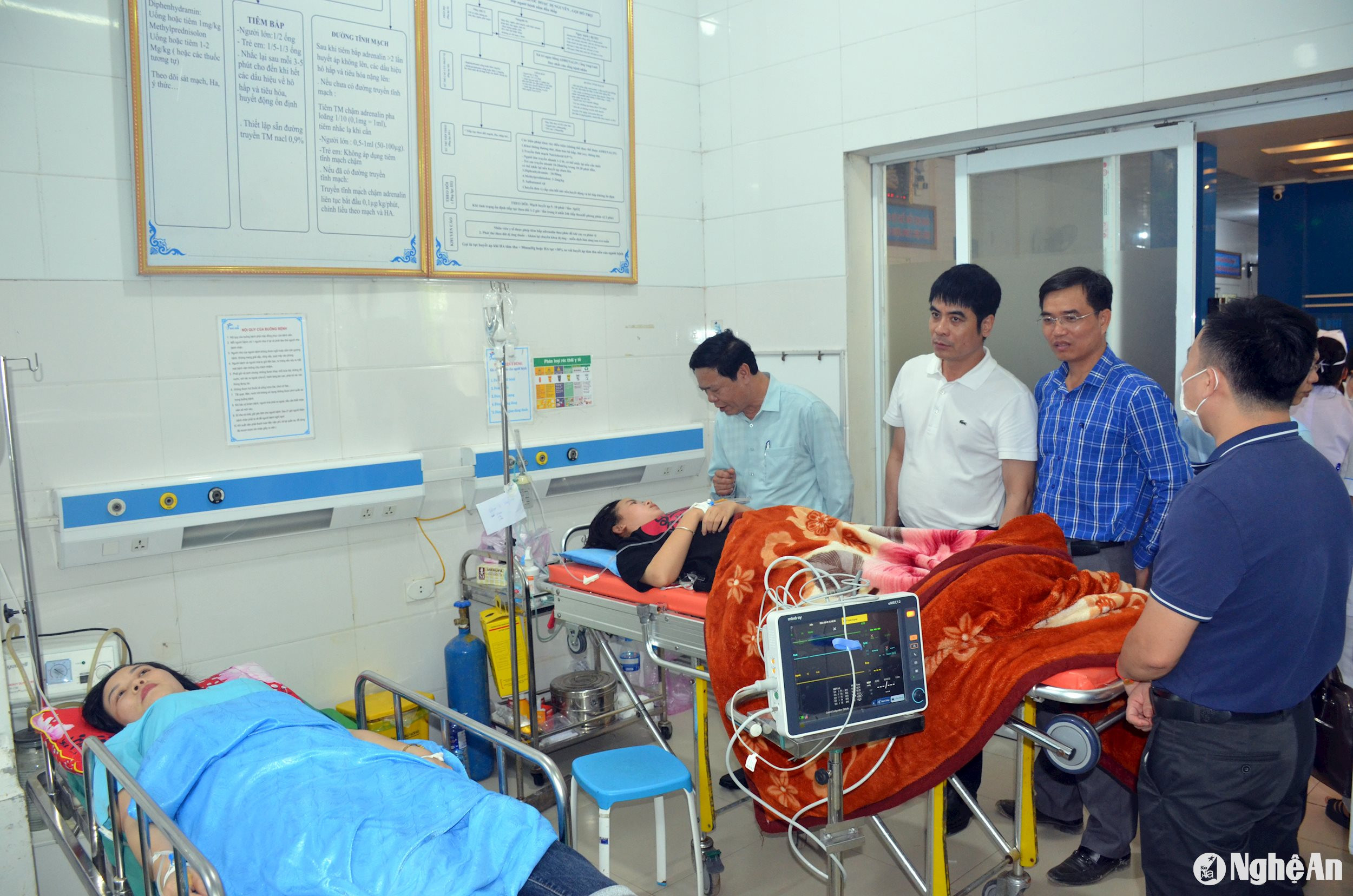
On May 28, 2024, a mass food poisoning incident involving over 70 people occurred at the canteen of MLB Tenergy Co., Ltd., located in Block 3, Yen Thanh Town, Yen Thanh District. The Provincial Food Safety and Hygiene Department determined that this was a suspected food poisoning incident caused by histamine present in a sample of fried mackerel. Company workers were hospitalized with symptoms including abdominal pain, nausea, vomiting, and headaches; some cases also had scattered red rashes. This is the largest food poisoning incident in recent years.
According to the Department of Industry and Trade, the province has 48,552 food production, trading, and processing establishments, of which nearly 14,000 are under the management of the Industry and Trade sector; 24,659 are in the agricultural, forestry, and fisheries sectors (1,792 under provincial management, and 22,867 under district and commune management); and 9,893 are under the management of the Health sector.
From 2021 to the present, the province has recorded 6 food poisoning incidents under the management of district and commune levels, affecting 175 people, with no fatalities (in the first 6 months of 2024, there was one food poisoning incident at the collective canteen of Tenergy Garment Company in Yen Thanh district, affecting 72 people).
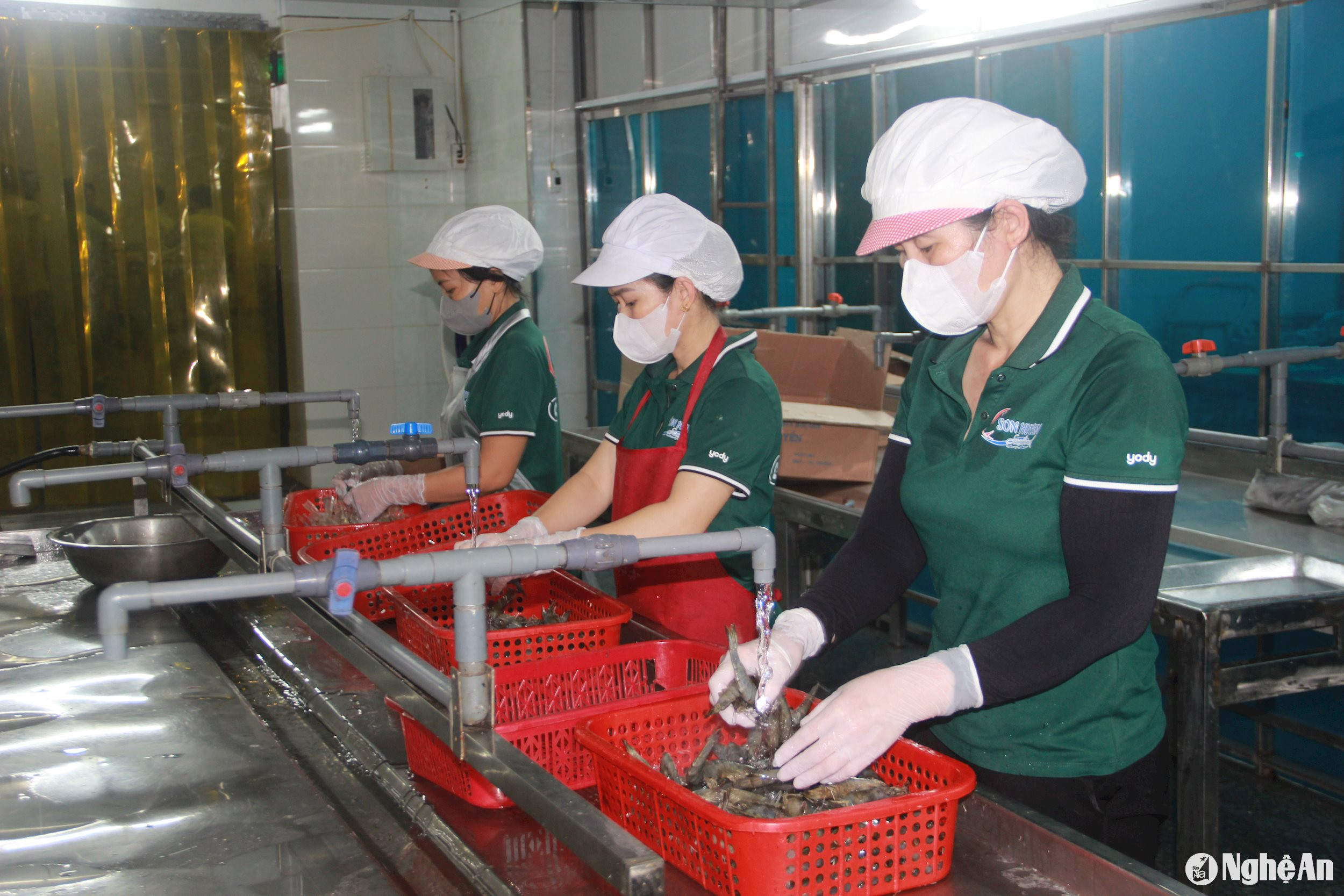
Although food safety inspections have yielded many positive results, there are still limitations in controlling food safety and preventing food poisoning in the province.
The current food safety management model in the province is not unified; management is currently divided among three sectors: Health, Agriculture and Rural Development, and Industry and Trade. The Department of Industry and Trade does not have a dedicated unit and is assigned food safety management to a functional department within the department.
Furthermore, the management of food production, processing, and trading facilities also involves the participation of environmental police and market management forces. Coordination in food safety management is not highly effective, and management is even more difficult at the commune level.
The large number of state management documents on food safety, issued by various entities, leads to a lack of uniformity among management sectors, sometimes causing difficulties in searching and applying them to serve the food safety management work of management agencies and the food production and business activities of establishments. The illegal business and advertising of functional foods, especially on social media, is becoming increasingly complex and difficult to manage, affecting consumer rights...
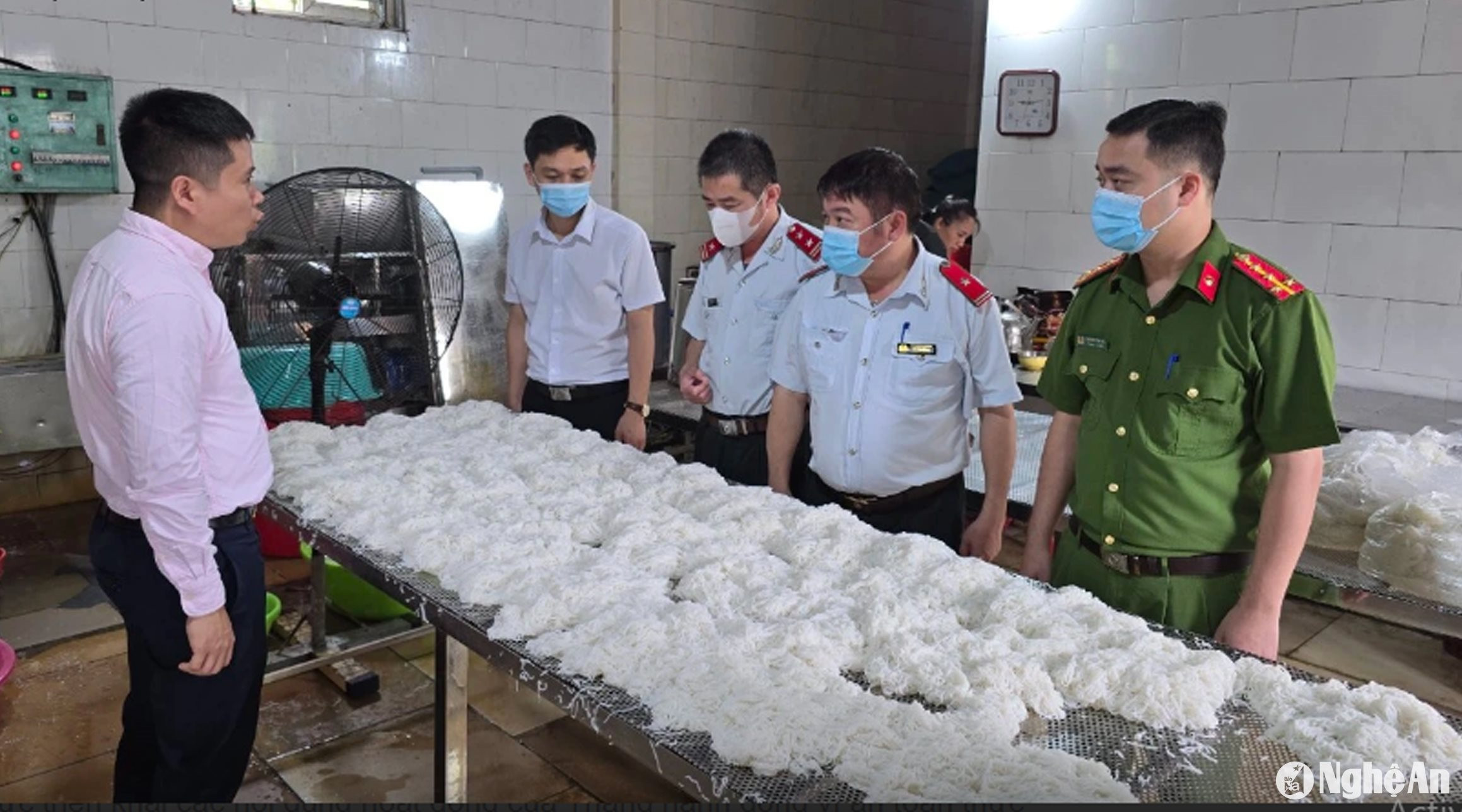
In accordance with Decision No. 934/QD-UBND on inspecting compliance with food safety regulations during the 2024 Food Safety Action Month in Nghe An province, from April 16, 2024 to May 15, 2024, the inter-agency inspection team conducted food safety inspections at 23 establishments in the province. The inspections revealed that 17 establishments met the standards, while 6 establishments were found to be in violation and had violation reports filed. During the inspection process, the team also combined the inspection with the dissemination of information and guidance to ensure that the establishments complied with food safety regulations.
Mr. Nguyen Huu Le – Deputy Director of the Department of Health
Mr. Pham Van Hoa, Director of the Department of Industry and Trade, stated: To effectively ensure food safety and hygiene, the department has implemented specific solutions, focusing on further enhancing the leadership and guidance role of Party committees, Party organizations, agencies, and socio-political organizations in coordinating food safety management. This includes promoting awareness campaigns and improving legal knowledge on food safety for business owners, establishments, and those directly involved in food production and business. Furthermore, it emphasizes strengthening food safety inspections and promptly detecting and strictly penalizing food production and business establishments that violate food safety laws.
From 2021 to June 2024, Nghe An province established 3,336 inspection teams, inspecting a total of 31,402 establishments. Of these, 28,666 establishments met the standards (91.29%) and 2,736 establishments violated regulations (8.71%), resulting in total fines exceeding 8.2 billion VND. In addition, the police and market management forces inspected, seized, and destroyed numerous items related to food safety and hygiene.