

Should you cover your car's ceiling with plastic wrap?
While covering the car ceiling with plastic film helps keep it clean, it can be expensive and even uncomfortable for those inside the vehicle.
Therefore, depending on the intended use and the method of protecting the car's ceiling, users can decide whether or not to cover the ceiling.
Most materials used for car ceilings today are typically felt fabric, although some high-end vehicles use premium leather or synthetic leather. The reason is that these materials are inexpensive and have effective soundproofing and heat-resistant properties.
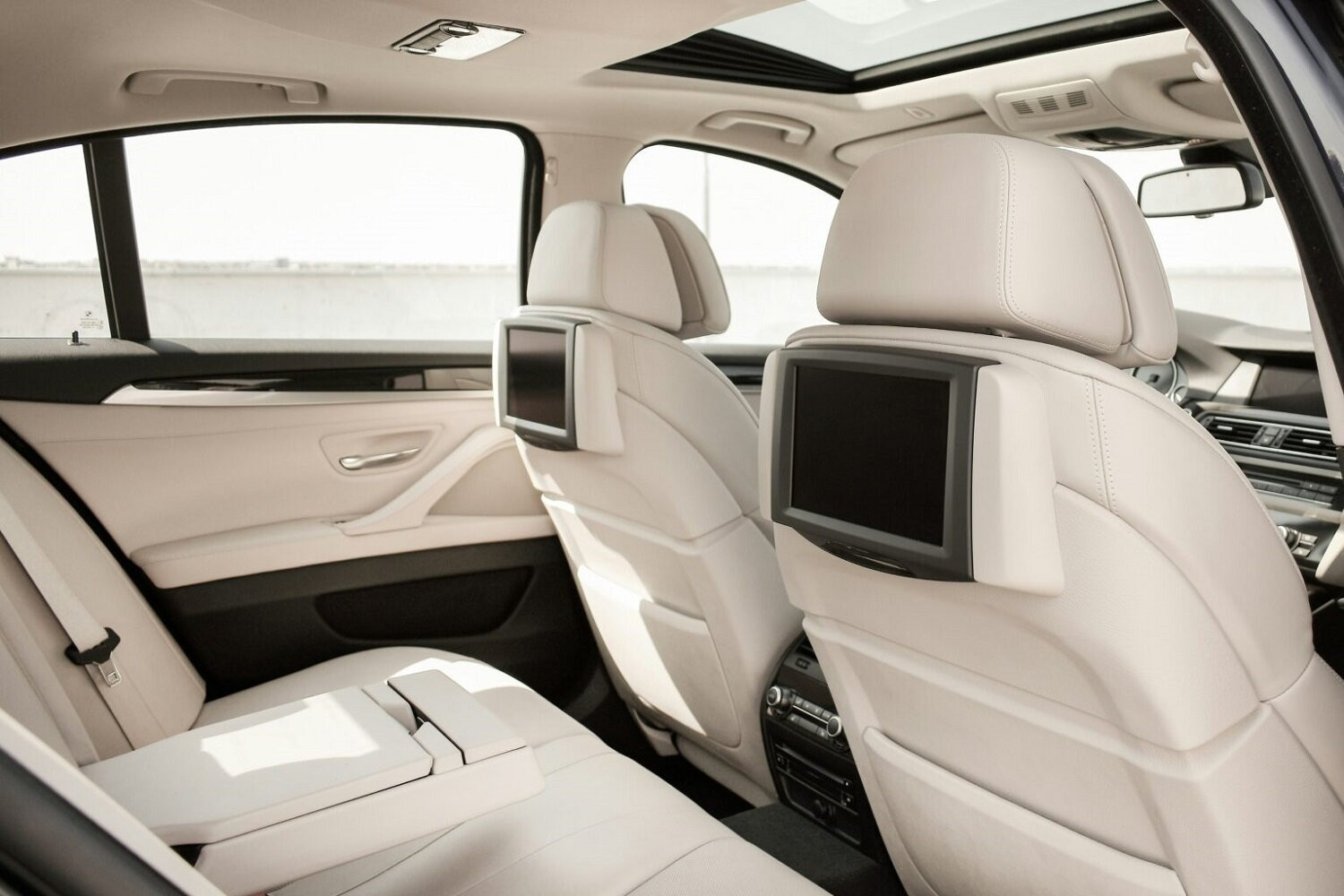
What is the purpose of covering the car's ceiling?
The car roof is known to absorb the most heat, so without a thick, heat-insulating roof, the car will absorb a significant amount of heat. This will cause discomfort for passengers, especially children and the elderly. It will also negatively impact the car's interior, causing leather details to fade quickly. High temperatures will also reduce the efficiency of the car's air conditioning, leading to increased fuel consumption.
It enhances the aesthetics and creates a luxurious and classy look for the car.
It helps protect your health and the health of your family during use.
It makes the cleaning process easier and faster.
Upholstering your car's ceiling with high-quality leather will help it resist heat, reduce the temperature inside the vehicle, and especially limit UV rays and harmful radiation from the outside environment.
For those who buy cars for ride-sharing services, keeping the interior looking new improves resale value after recouping their investment. Therefore, the vast majority of owners of cars used for ride-sharing services choose to wrap the car's ceiling in plastic film right from the start. Those who buy cars for family use rarely do this.
Disadvantages
However, using felt ceilings for a long time will inevitably lead to some drawbacks:
Easily attracts dust: Because felt is made from fabric and wool fibers, these small fibers attract a lot of dust. Over time, this dust buildup will make the car ceiling dirty and can also affect people's health.
Retains unpleasant odors: Fabric easily absorbs and retains odors for a long time, especially food smells, smoke, and dust. These lingering odors can cause discomfort while sitting in the car and are a major cause of motion sickness.
Difficult to clean: Felt ceilings cannot be cleaned using simple methods such as sweeping with a broom or spraying with water. The more they are used, the dirtier and more quickly they will deteriorate.
Prone to bacterial and mold growth: Fabric is a material that easily absorbs moisture. If the car is rarely used and left empty with the windows open, dust will accumulate, while keeping the windows closed creates conditions for bacteria to thrive. The environment inside the car is already damp, and if users don't clean it regularly, the interior environment will become even more polluted.
Short lifespan: Fabric upholstery deteriorates quickly with short-term use. If the car is left in direct sunlight for extended periods, the fabric won't withstand high temperatures, causing it to rot, peel, and detract from the car's appearance.