

Foods to eat and avoid when you have anemia.
There are certain foods you should eat if you have iron-deficiency anemia because they help increase red blood cell count and hemoglobin levels.
According to experts, creating a balanced diet can help reduce anemia while meeting your daily nutritional needs.
This article lists the best foods to eat and avoid when building a diet plan for people with anemia. It also helps in planning and preparing meals and explains how long it takes to achieve positive results.
Dietimprove anemia
Anemia is a blood disorder in which you have too few red blood cells or too much of a protein called hemoglobin. Hemoglobin is an iron-rich protein in red blood cells that functions to “carry” oxygen molecules.
If you don't have enough iron—known as iron deficiency—your body can't produce enough hemoglobin and red blood cells.
Iron deficiency anemia is the most common type of anemia and is largely influenced by diet.
Iron is an important nutrient that you can only get from food. According to the Dietary Guidelines for Americans 2020-2025, the recommended iron intake for most adults is between 7 and 18 grams per day. The amount you need depends on your gender, age, and pregnancy status.
Some foods have a higher iron content and are more suitable for increasing iron levels. Some types of iron are absorbed better by the intestines and are more effective in producing hemoglobin.
Sources of iron in food include:
Heme iron
This type of iron is found in meat, poultry, and fish. It is well absorbed and accounts for up to 95% of the body's functional iron.
Non-heme iron
This type is found in plants. Although less readily absorbed, it remains an important part of anemic diets due to the dangers associated with consuming excessive amounts of red meat and saturated fats, which are primarily found in animal products.
To effectively treat anemia, you need to increase your iron intake through a balanced diet that includes animal protein, eggs, fruits, vegetables, nuts, legumes, and whole grains.
Fruits and vegetables
The following list of iron-rich fruits and vegetables includes not only fresh produce but also fruits and juices: beetroot, broccoli, Swiss chard, dandelion greens, dried apricots, dried peaches, figs, green beans, kale, peas, plums, prune juice, raisins, spinach, strawberries, sweet potatoes, tomatoes, watermelon, nuts and seeds.
Meat, poultry, and fish
Experts suggest that the best sources of iron are meat, poultry, and fish. However, you need to adhere to the recommended daily intake for these protein sources, especially for red meat.
Many experts recommend not eating more than two servings of red meat per week, or a total of 100 grams per week. Red meat should be replaced with poultry and fish.
Sources of iron-rich meats, poultry, and fish include: beef, chicken, shellfish, beef jerky, eggs, cod, ham, lamb, liver, liver sausage, mackerel, oysters, pork, sardines, clams, shrimp, tuna, and veal.
Foods to avoid when you have anemia
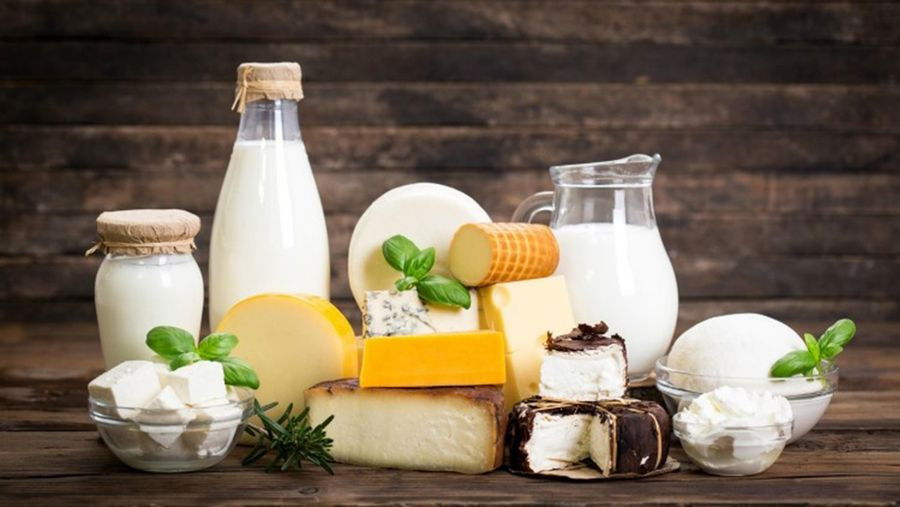
There are certain foods you should limit or avoid if you have iron-deficiency anemia. Leading the list are dairy products and tannins.
Dairy products
Milk and dairy products are poor sources of iron. The calcium in milk also hinders the body's ability to absorb iron, including: cow's milk, butter, cheese, cream, and yogurt.
This doesn't mean you should avoid dairy products entirely. While there is evidence that high calcium intake moderately reduces iron absorption, occasional consumption of milk or yogurt doesn't appear to significantly affect hemoglobin levels.
Rich foodstannin
Drinks and foods containing tannins can also interfere with iron absorption. Foods high in tannins include: black tea, cocoa and dark chocolate, coffee, and red wine.
Things to note
If you've been diagnosed with iron-deficiency anemia, a high-iron diet is essential. But even if diet can improve your blood iron levels, it takes time to do so, especially if your anemia is severe.
In general, most dietary interventions are effective in improving mild to moderate iron-deficiency anemia. Severe cases may require specialized interventions, including iron supplementation, intravenous iron infusion, or blood transfusion.
By checking your blood iron levels, you and your healthcare provider can make the best decisions about how to treat iron-deficiency anemia. You should also be checked regularly to monitor your progress until your blood iron levels return to normal.