

A series of foods and drinks that are the enemy of breakfast.
Eating breakfast has been shown to reduce the risk of heart attack, lower the risk of diabetes, and improve concentration.
Not only is breakfast good for your health, but it can also help you lose weight. According to a research project from the U.S. Weight Management Registry, 78% of people who successfully lost and maintained their weight ate breakfast every day.
But the issue isn't just about breakfast; it's about what you're eating. And if you choose unhealthy foods and drinks, you're unknowingly undermining your health.
Below is a list of foods and drinks that nutrition experts advise you to definitely avoid in the morning.
Sugary breakfast cereals
Kelli McGrane, a registered dietitian in the United States, says: “Starting the day with a bowl of cereal will make you feel hungry again soon after because most cereals are made with refined flour, meaning they are low in fiber.”
Additionally, they tend to be high in sugar and low in protein. Remember that even cereals marketed as whole grain often contain very little actual whole grain.
Sausage

Nutrition expert Roxana Ehsani says: “Although sausages are a popular breakfast or weekend brunch food, they are not the most nutritious choice for breakfast.”
Sausages, made from ground meat, fat, spices, flavorings, and binders, tend to be high in sodium (high-sodium foods can raise blood pressure and therefore do not support a healthy heart or healthy blood pressure), high in saturated fat (high-saturated fat foods can raise bad LDL cholesterol), and high in overall calories.
Processed meats such as sausages have been linked to an increased risk of chronic diseases and cancer.
Instead of choosing sausage for breakfast, why not opt for something else high in protein like eggs or a nut butter like almond or sunflower seed butter?
Fruit juice
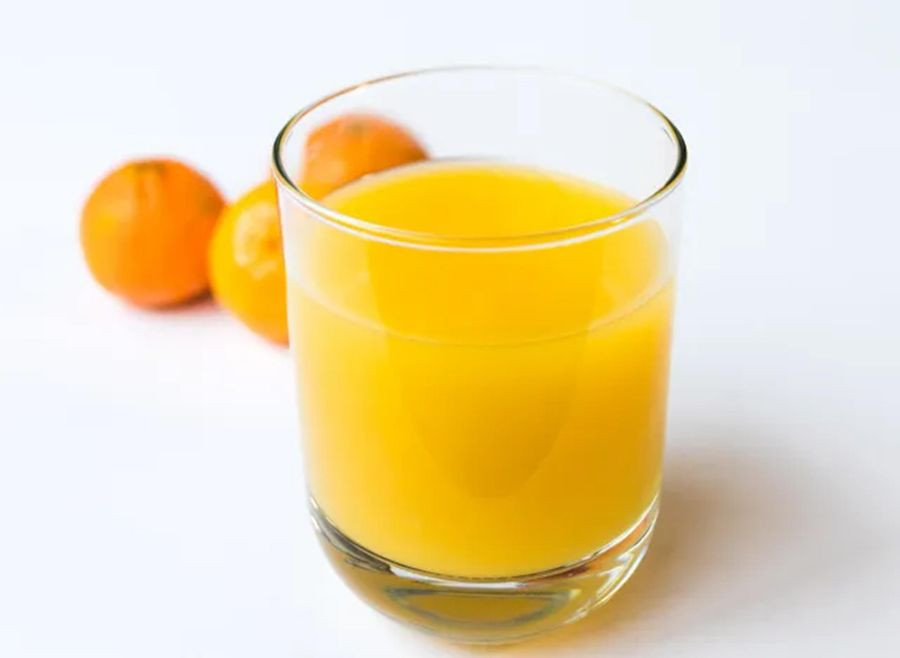
Many people want to get a quick dose of vitamin C or other nutrients in the morning, but fruit juice isn't a helpful option.
When you drink fruit juice, you get rid of all the fiber but still get all the sugar and calories. Drinking a glass of orange juice is equivalent to eating about 5-6 oranges and over 300 calories. Amy Shapiro, founder of Real Nutrition and registered dietitian at Daily Harvest, says: “Too much sugar from fruit can also lead to weight gain, sugar cravings, and energy dips.”
Skip the fruit juice and opt for a smoothie instead. This way, you retain all the natural fiber from the plants, keeping you feeling full longer and slowing down digestion.”
Flavored yogurt
McGrane said: “Plain yogurt, especially Greek yogurt, is a great choice in the morning because it’s high in protein and calcium.”
However, steer clear of fat-free flavored yogurts, as most brands compensate for the lack of sugar by adding more. A cup of such yogurt is equivalent to a large serving of ice cream.”
Cake
Despite their appealing appearance and delicious taste, pastries are full of carbohydrates that make you feel full for a short time, but then leave you feeling sluggish and hungry again immediately.
In addition, some of the toppings for pastries also contain high amounts of saturated fat, leading to high cholesterol and clogged arteries. Generally, one pastry is equivalent to 5-7 slices of regular bread.
In fact, most cakes contain more calories, saturated fat, and sugar than some other types of pastries. They also tend to contain very little protein and are unlikely to keep you feeling full for long.
Coffee has flavor.
Maggie Michalczyk, a registered dietitian at Once Upon a Pumpkin, says: “I love enjoying my morning coffee. However, most flavored coffee drinks are high in calories and sugar, while containing little to no other nutrients.”
Not to mention, drinking coffee in the morning can make you feel sluggish due to a lack of sugar soon after. Instead of coffee, I recommend making a coffee-flavored smoothie at home with bananas, almond butter, and some pure honey.”