

Culture of gratitude in the modern era
In reality, activities expressing gratitude to martyrs, wounded soldiers, and those who have made contributions to the nation have become regular social activities; not just on the Day of Wounded Soldiers and Martyrs (July 27th), and not just in July as the Month of Gratitude. The policies of our Party and State have been nurtured and elevated into a cultural expression of gratitude of the Vietnamese people in the era of integration and development.
I have an old friend, Lieutenant General Nguyen Manh Dau, who is almost a decade older than me, from Dai Xa village, Nghi Loc district, Nghe An province. He was the Director of the Policy Department of the Ministry of National Defense for nearly a decade at the end of the last century. He was the first high-ranking officer of our army to lead an inter-agency delegation to access the Vietnam War records of the US Department of Defense, to cross-check and verify many cases of our officers and soldiers captured, killed, or missing during the resistance war against the US. At that time, Vietnam and the United States had not yet normalized relations. He was the one who chaired the planning and proposed many regimes and policies to reward and honor martyrs, wounded soldiers, and those who rendered meritorious service... in the new era; including the Ordinance stipulating the State honorary title of Heroic Vietnamese Mother in 1994...
Exactly a quarter of a century ago, before leaving the Policy Department to take on a new role, he was troubled and uneasy, thinking: Although he and his colleagues and predecessors had tried their best, the volume of issues and individuals requiring adequate policies and benefits remained enormous. Many urgent and pressing cases and matters were still unfinished. He wished he could stay and share the burden of the war's unresolved problems with his colleagues...
At the beginning of the Year of the Dragon (2014), during a meeting to congratulate him on his admission to the Vietnam Writers Association, making him a young writer-general at the age of seventy-five, I reminded him of his concerns and anxieties from a quarter of a century ago. His voice suddenly softened: "The lingering effects of war are still too great. If we stay for another ten years, you and the entire national policy sector will only be able to partially resolve the painful remnants of the war of national liberation, which has long since ended and will continue to fade away... This is a crucial and extremely difficult problem, requiring many measures and persistent efforts to solve it over many more years!"
His words reminded me of a time more than a decade ago when I participated in a working trip by the General Political Department of the Vietnam People's Army to work with several functional agencies of the Army of the Republic of Belarus. By chance, I came across a section in the October 15, 2013 issue of the Belarusian Army newspaper (Vaiar) titled "Letters from the Front." Page 6 was occupied entirely by a letter from a Red Army soldier dated September 3, 1943, from the Western Front, complete with the letter's handwriting and portrait.
Colonel Andrey Subaderov, Editor-in-Chief of the Belarusian Army Information Center, stated: "For decades, the Vaiar newspaper has consistently maintained this column, and we have never worried about running out of source material."
Furthermore, the Belarusian Army's General Directorate of Ideological Work (similar to the General Political Directorate of our army) has an agency called the "War Remembrance Department," which specializes in resolving post-war issues such as: searching for missing soldiers; verifying cases of sacrifice, injury, or meritorious service; and resolving entitlements and policies according to current state regulations. More than 70 years have passed, but the work of searching, verifying, and honoring remains undiminished. Currently, the Belarusian army still maintains a special battalion that tirelessly searches for comrades across the former battlefields.
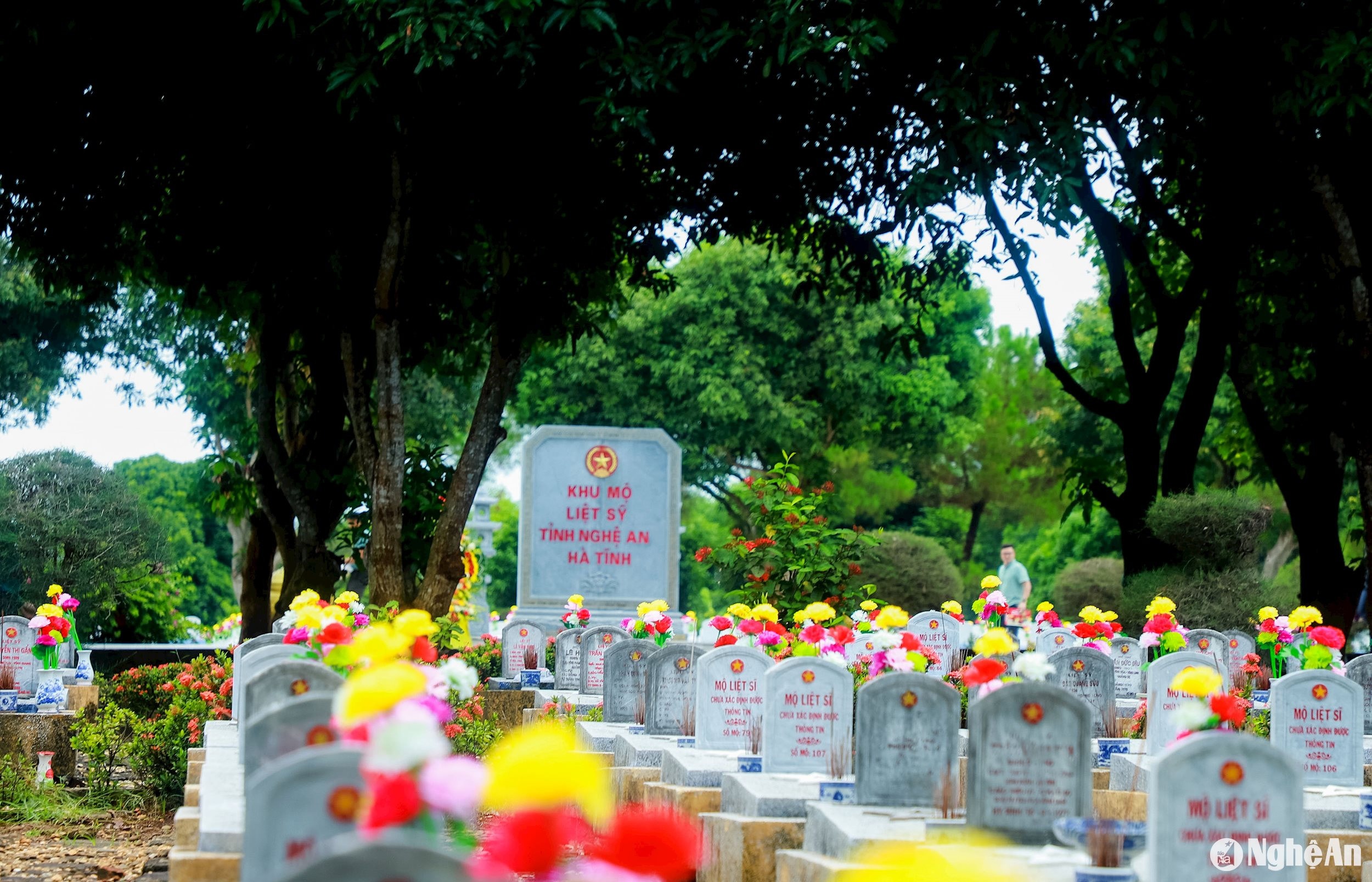
So, the lingering effects of war are a problem for every nation and people in the world. Immediately after gaining independence through the August Revolution of 1945 and establishing the new Vietnam, our country had to wage several wars of resistance for nearly forty years to liberate the nation, protect the homeland, unify the country, and fulfill international obligations... Therefore, the consequences of war in our country are extremely heavy and complex. Along with that are the limitations of the socio-economic conditions of a backward, agrarian country and a young army "born from the people," fighting and building up its forces in a regular direction...
Besides that, there are subjective reasons, such as: Previously, leading officials and agencies at all levels did not fully understand the significance and necessary actions of policies for wounded soldiers and martyrs before, during, and after each battle and campaign; they did not fully anticipate the complexity and difficulties in implementing the policy. After the war, the organization and implementation of the policy were not fundamental, systematic, or scientific; some individuals and departments were negligent, bureaucratic, and inefficient... There were even negative phenomena such as: reducing the entitlements of policy beneficiaries, forging documents to gain illicit benefits...
The aforementioned negative phenomena not only affect policy work but also provide a pretext for hostile forces and political opportunists at home and abroad to exploit and distort the policies and guidelines of our Party and State. In reality, there have been many cases where hostile and disgruntled forces have taken advantage of the negative behaviors of officials and the difficulties and shortages in the lives of some war invalids, families of martyrs, and policy beneficiaries to incite unrest, disrupt social order and political security, and divide the great unity of the people. This requires Party committees, governments, and functional agencies at all levels in localities to regularly propagate and educate war invalids, families of martyrs, and people with meritorious services to continue to uphold their personal and family traditions in the new era, truly deserving to be exemplary citizens and outstanding families.
The price our nation paid for independence, freedom, peace, and unity is immeasurably great. Bombs and war have receded many decades ago, but their consequences remain immense and devastating, affecting every corner of the country with complex, difficult, and pressing issues, impacting all levels of society. In particular, even today, tens of thousands of mothers still anxiously await news of their sons, tens of thousands of wives still long for news of their husbands, tens of thousands of martyrs remain unidentified, and tens of thousands of martyrs' remains or graves have yet to be found... This is a great sorrow for the entire nation.
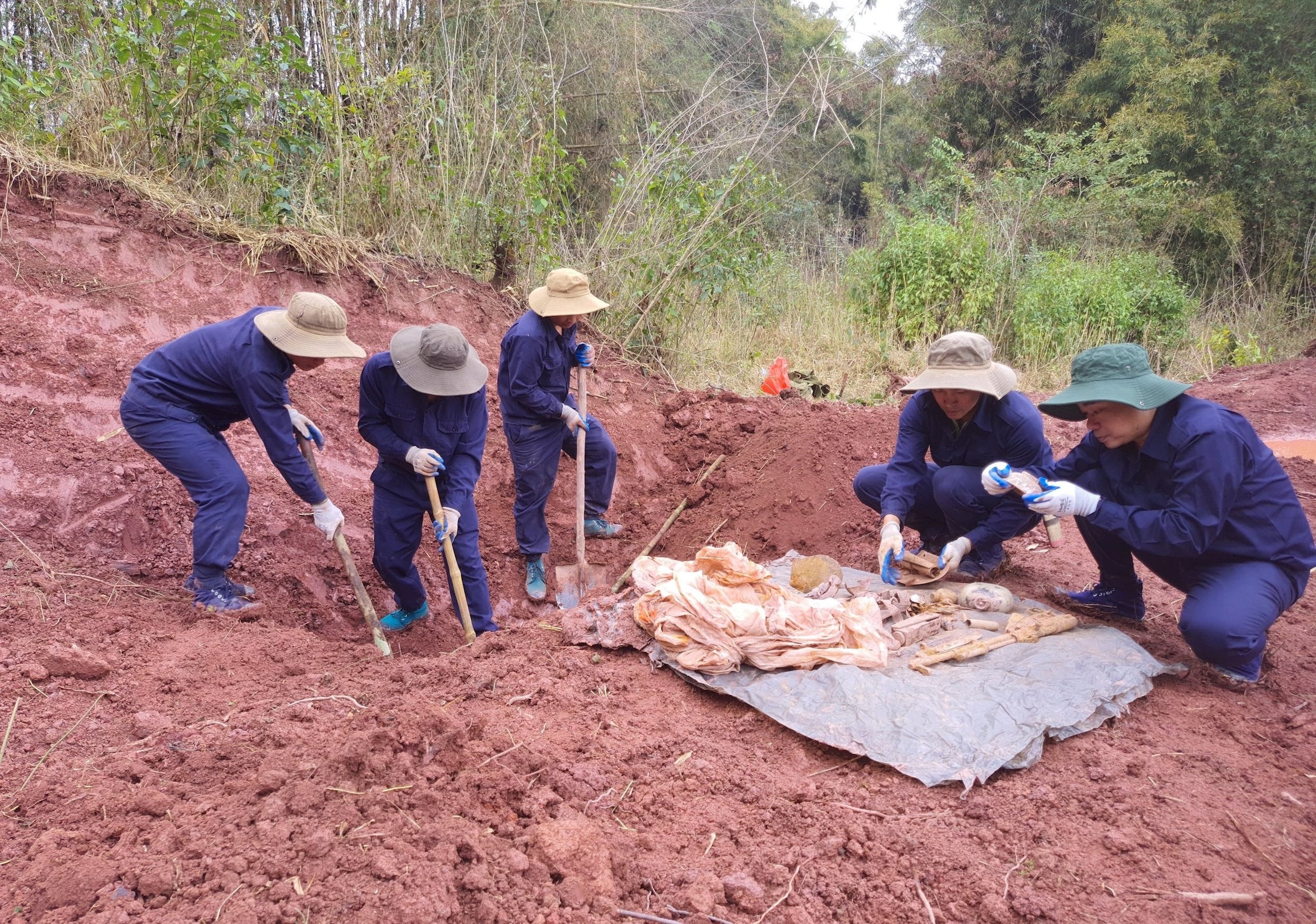
The policy on war invalids, martyrs, and meritorious individuals is a major policy within the social policy system of our Party and State. Along with the development of a socialist-oriented market economy, our State has consistently researched, revised, and promulgated policies to provide adequate, reasonable, and appropriate benefits, in line with the socio-economic conditions of the country in each period.
Agencies, organizations, social groups, and businesses need to continue to maintain and promote campaigns to contribute to the care of the lives of wounded soldiers, families of martyrs, and people with meritorious services in a socialized manner. This is a beautiful traditional cultural aspect of the nation, a moral principle of loyalty, and a political responsibility of the entire Party and people towards those individuals and families who have dedicated and sacrificed themselves for the independence and freedom of the Fatherland, and for the peaceful and happy lives of the people.