

To ensure Nghe An's forests meet the Green List standards.
For localities with large forest areas like Nghe An in particular, developing the forest economy and combating climate change is an inevitable trend in building a green and circular economy. In this context, meeting the Green List standards for nature reserves and national parks is of paramount importance.
For localities with large forest areas like Nghe An in particular, developing the forest economy and combating climate change is an inevitable trend in building a green and circular economy. In this context, meeting the Green List standards for nature reserves and national parks is of paramount importance.

The Vietnam Forestry Development Strategy for the period 2021-2030, with a vision to 2050, approved by the Prime Minister in Decision No. 523/QD-TTg dated April 1, 2021, has identified: “Forests are both a resource and a particularly important means of production, capable of regeneration, a great asset and resource of the country, and an important element of the ecological environment, contributing to mitigating natural disasters, adapting to climate change and conserving biodiversity...”.
Nghe An is one of the provinces with an important location in the North Central region, with a total natural area of 1,648,997.2 hectares; forest and forestry land account for more than 70% of the province's natural area, of which 789,933.97 hectares are natural forests, mostly located in the Southwest region.
In 2007, the United Nations Educational, Scientific and Cultural Organization (UNESCO) recognized the Western Nghe An Biosphere Reserve as a World Biosphere Reserve, and the largest of Vietnam's 11 World Biosphere Reserves, covering 1,299,795 hectares. It is located within the administrative boundaries of 9 mountainous districts and lies in the headwaters of the Ca River basin. The core area of the Biosphere Reserve comprises three special-use forests: Pu Mat National Park, Pu Huong Nature Reserve, and Pu Hoat Nature Reserve.
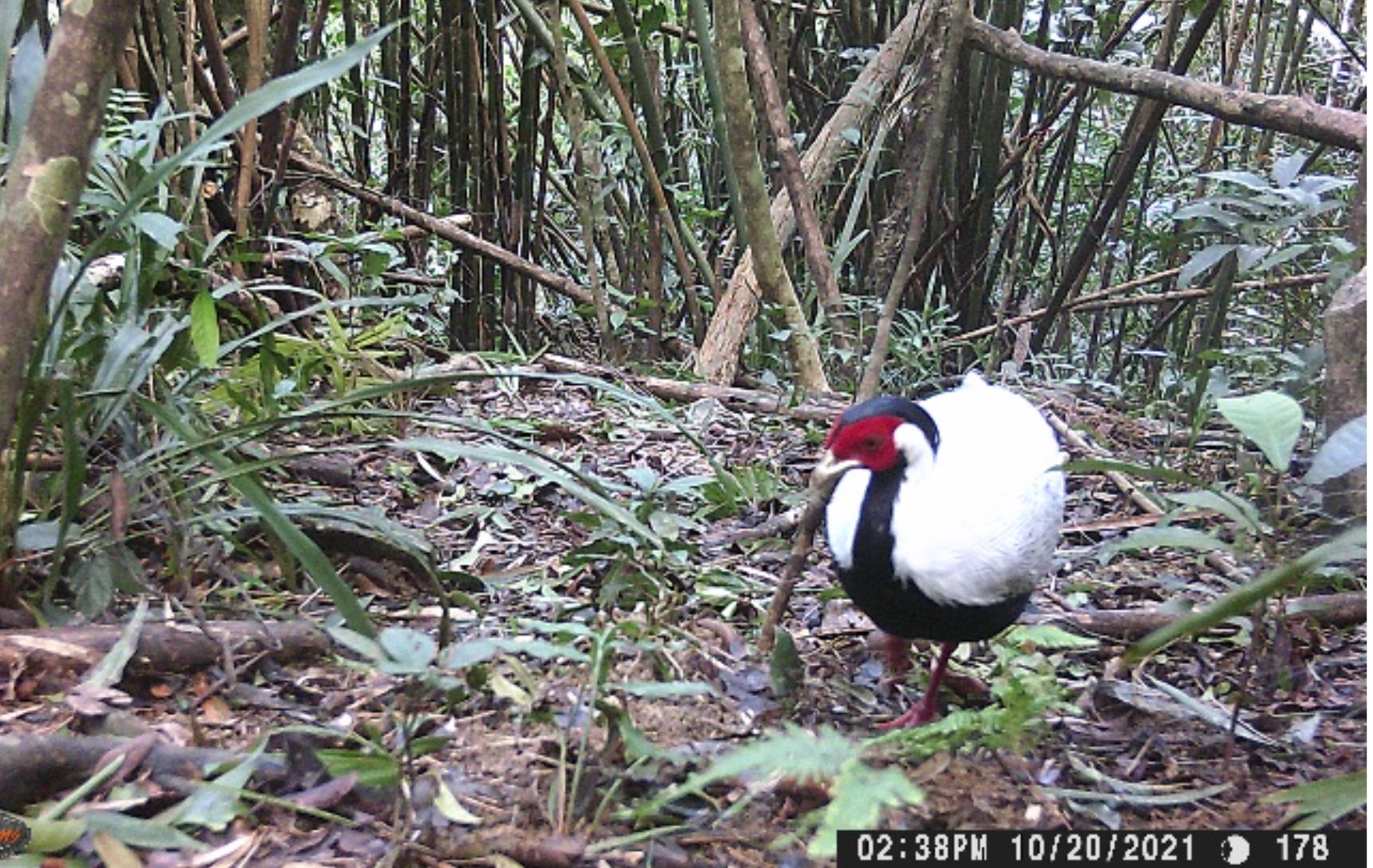

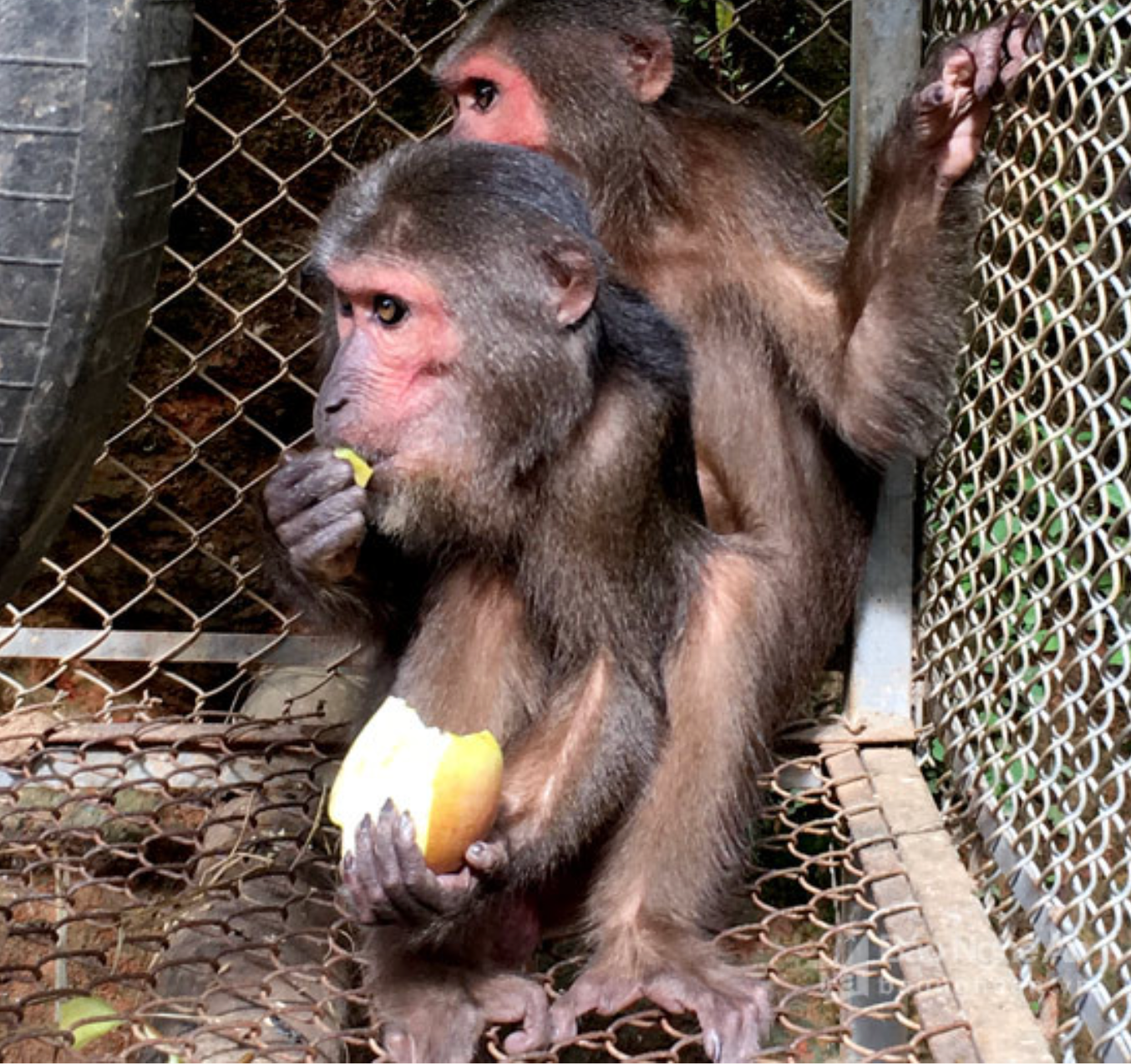
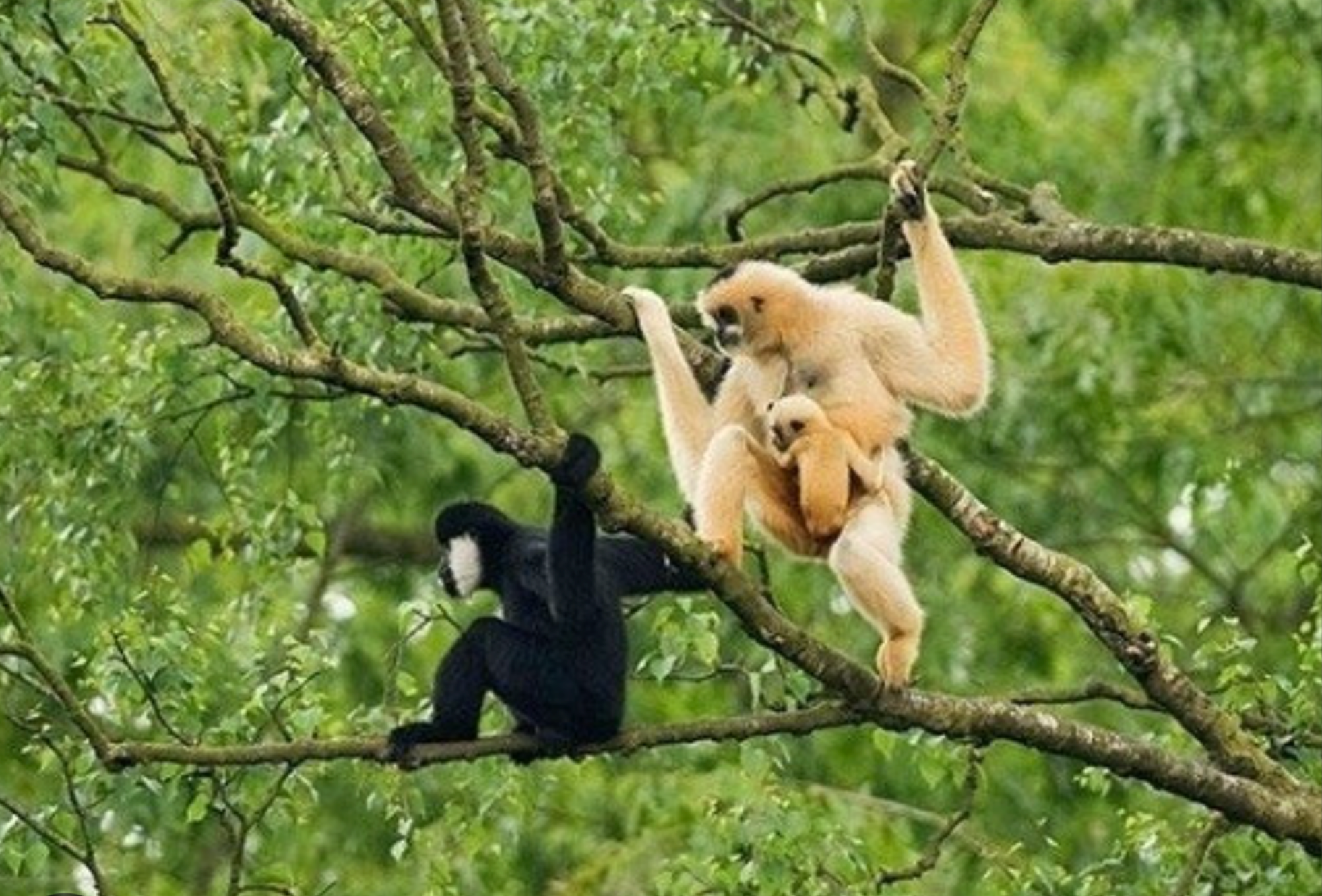
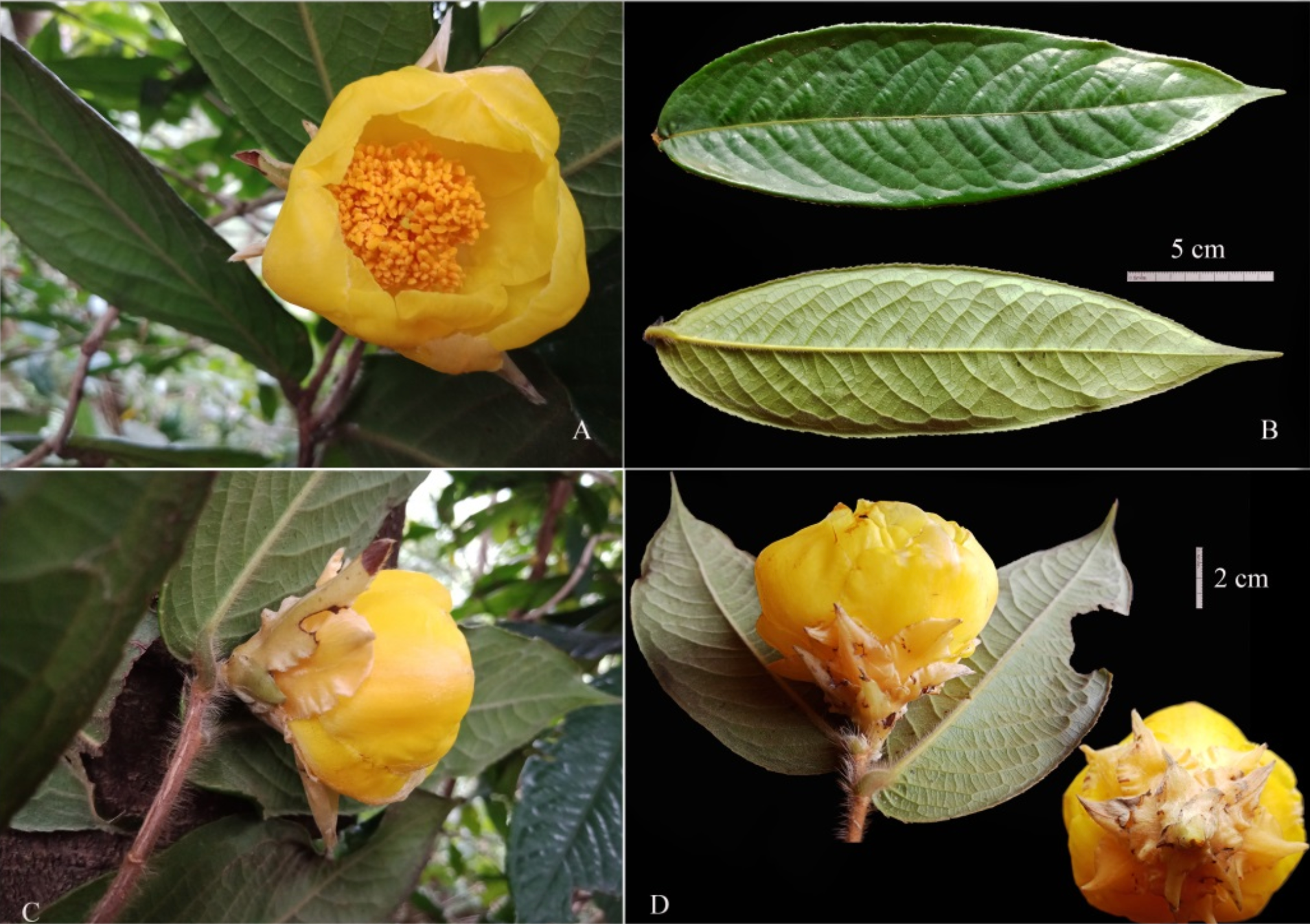
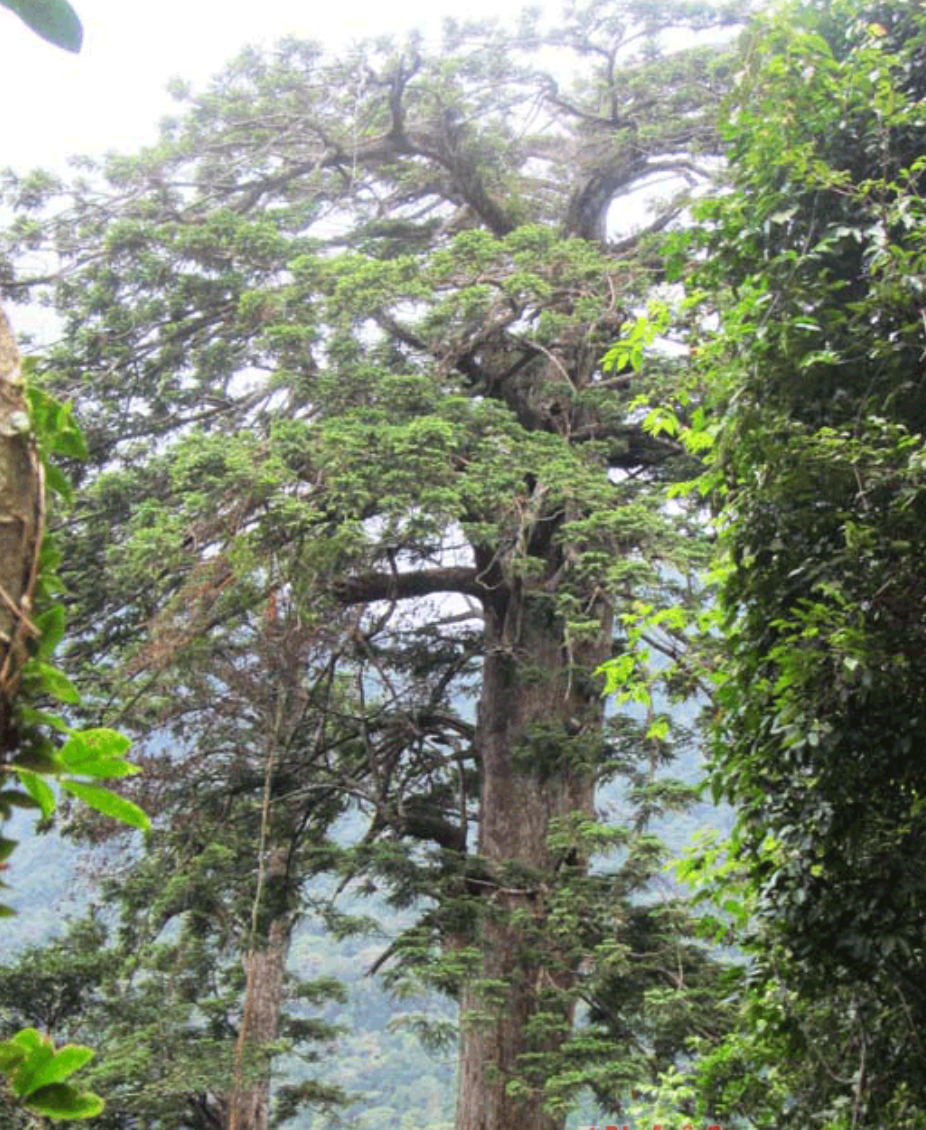
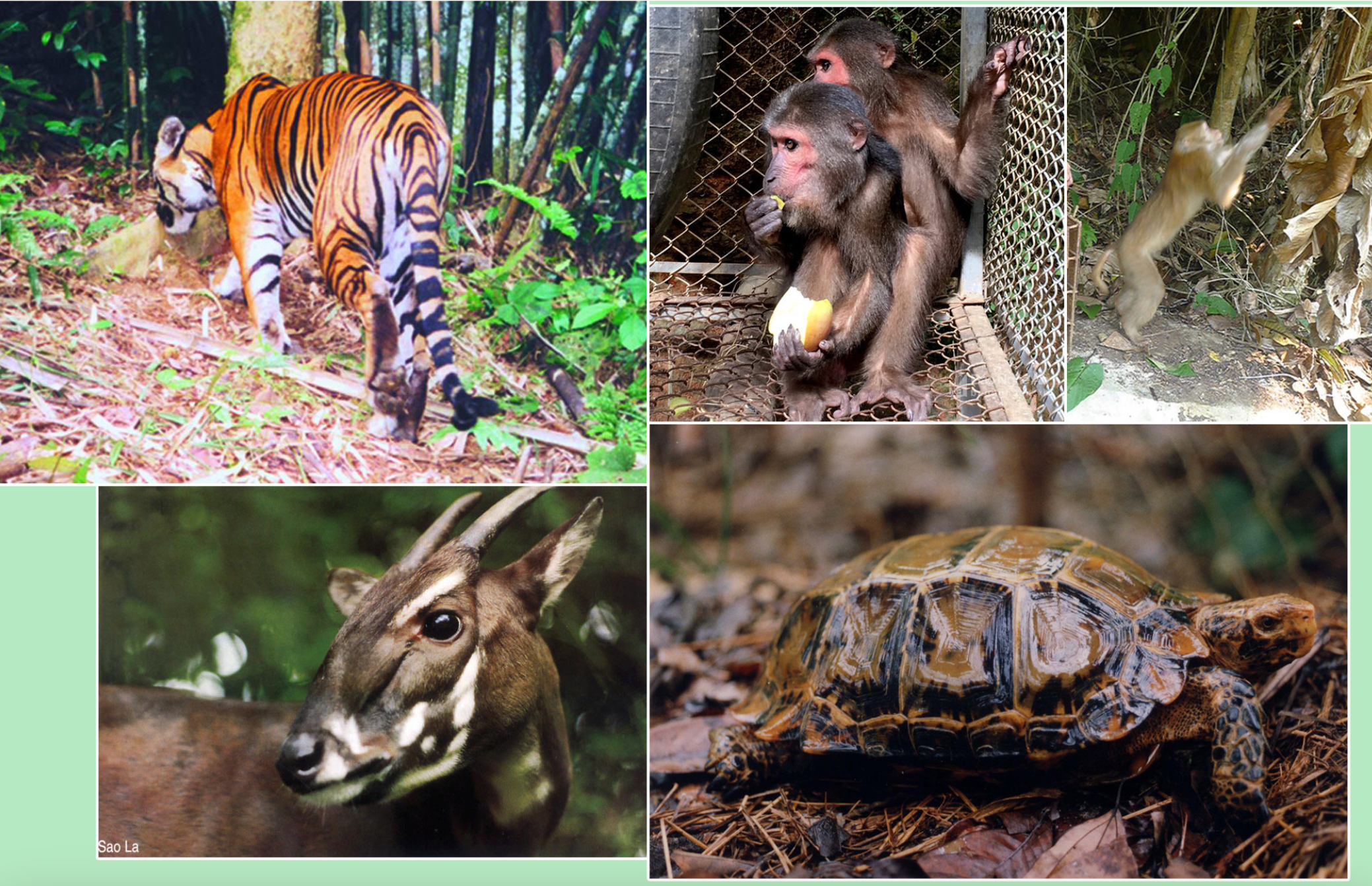
This area boasts a high level of biodiversity with a rich variety of species, ecosystems, and plant and animal genetic resources. Currently, the Western Biosphere Reserve has recorded over 3,600 plant species belonging to 1,184 genera and 205 families; and hundreds of rare and valuable medicinal plants. Regarding animals, 39 orders, 131 families, and 480 genera have been recorded, with 942 vertebrate species and over 1,000 insect species. Of these, 34 species are listed in the 2007 Vietnam Red Book; 20 species are on the International Union for Conservation of Nature (IUCN) 2021 list of endangered and endangered species. In addition, 56 species are protected under Decree No. 84 (regulating the management of endangered, rare, and precious forest plants and animals and the implementation of the Convention on International Trade in Endangered Species of Wild Animals and Plants).
“With its diverse and abundant flora and fauna, large area of natural forest, and the efforts of the entire political system to protect natural resources, in Nghe An, besides Pu Mat National Park, the Pu Huong and Pu Hoat Nature Reserves are also on the list of those eligible to be considered for IUCN Green List assessment and recognition,” said Mr. Vo Cong Anh Tuan, Head of the Science and International Cooperation Department of Pu Mat National Park.



The International Union for Conservation of Nature (IUCN) Green List is a global set of standards recognizing protected areas that have achieved conservation results. The standards outline the verification and certification processes for areas that meet and maintain 17 criteria and 50 indicators, divided into four areas: good governance, good design and planning, effective management, and successful conservation outcomes.
Unlike other designations such as World Heritage Sites and Biosphere Reserves, the IUCN Green List supports the successful conservation of Protected Areas and Nature Reserves by certifying, encouraging, and enhancing the capacity to achieve specific impacts across legal, cultural, social, geographical, and ecological dimensions.
This helps establish international standards for quantitative, consistent, and inclusive management effectiveness across all aspects of conservation in the region.
A protected area or nature reserve will achieve IUCN Green List certification after achieving consistent conservation results for both people and nature in an equitable and effective manner.
Areas certified under the IUCN Green List typically experience increased tourism, contributing to the local economy. Simultaneously, it helps ensure a harmonious balance between sustainable development and other activities. Participation in the IUCN Green List opens doors to international cooperation, knowledge exchange, and access to funding for nature conservation projects at both national and local levels.
Currently, more than 20 areas worldwide are recognized as being included in the IUCN Green List. Vietnam has made encouraging progress in biodiversity conservation, and its participation in the IUCN Green List demonstrates its commitment to global environmental sustainability. Vietnam has been a member of the IUCN Green List program since 2016.
Currently, 10 protected areas and nature reserves in Vietnam participate in the Green List program, including: Cuc Phuong National Park, Phong Nha-Ke Bang National Park, Vu Quang National Park, Bach Ma National Park, Dong Chau - Khe Nuoc Trong Nature Reserve, Song Thanh National Park, Bidoup - Nui Ba National Park, Cat Tien National Park, Pu Mat National Park, and Con Dao National Park. After a meticulous two-year evaluation process, Van Long was the first protected area in Southeast Asia to be certified with the Green List in 2019. This is the first protected area in Vietnam to achieve this title. In December 2023, Cat Tien National Park (Dong Nai) was recognized as meeting the Green List standards.
.png)
Mr. Le Anh Tuan, Director of Pu Mat National Park, said that the unit is currently in the process of implementing the criteria of the Green List standard. Being recognized as a Green List will help Pu Mat National Park in particular, and the forest resources of Nghe An in general, to be elevated to an international level.
Currently, every year, along with the mechanisms and policies of the Central Government, the authorities at all levels in Nghe An are also carrying out activities to manage and conserve nature and biodiversity in the core, buffer, and transition zones of the Western Nghe An Biosphere Reserve, especially Pu Mat National Park.
Most recently, on February 28, 2024, the People's Committee of Nghe An province issued the Plan for the Management and Protection of the Environment of the Western Nghe An Biosphere Reserve, for the period 2023-2027, with a vision to 2030. Among the many objectives outlined, the contents regarding economic development and environmental protection are given special attention. These are also important criteria for conservation areas and national parks to be recognized as Green Lists.
The Provincial People's Committee's plan outlines specific economic goals: Focusing on sustainable development, building ecological economic models through socio-economic development activities, and the efficient and sustainable exploitation and management of natural resources and the unique cultural values of the community. Particularly, promoting the multi-purpose value of forest ecosystems, payment for forest environmental services, and carbon credit trading. Developing ecotourism, landscape tourism, and non-timber forest products and medicinal plants under the forest canopy, linked to biodiversity conservation, environmental protection, and climate change adaptation.
The plan also aims to promote the value of biological resources, forest ecosystems, traditional cultural values, indigenous knowledge, etc., in order to create more livelihoods, enhance product value, and improve income, contributing to the implementation of the national strategy and international commitments on green growth, sustainable development, and moving towards a low-carbon economy. First and foremost, it is necessary to improve the effectiveness of the Forest Environmental Services Payment Program and implement the Forest Carbon Credit Payment Program; conserve, develop, and sustainably exploit medicinal plants; and preserve indigenous plant and animal breeds with scientific and economic value.
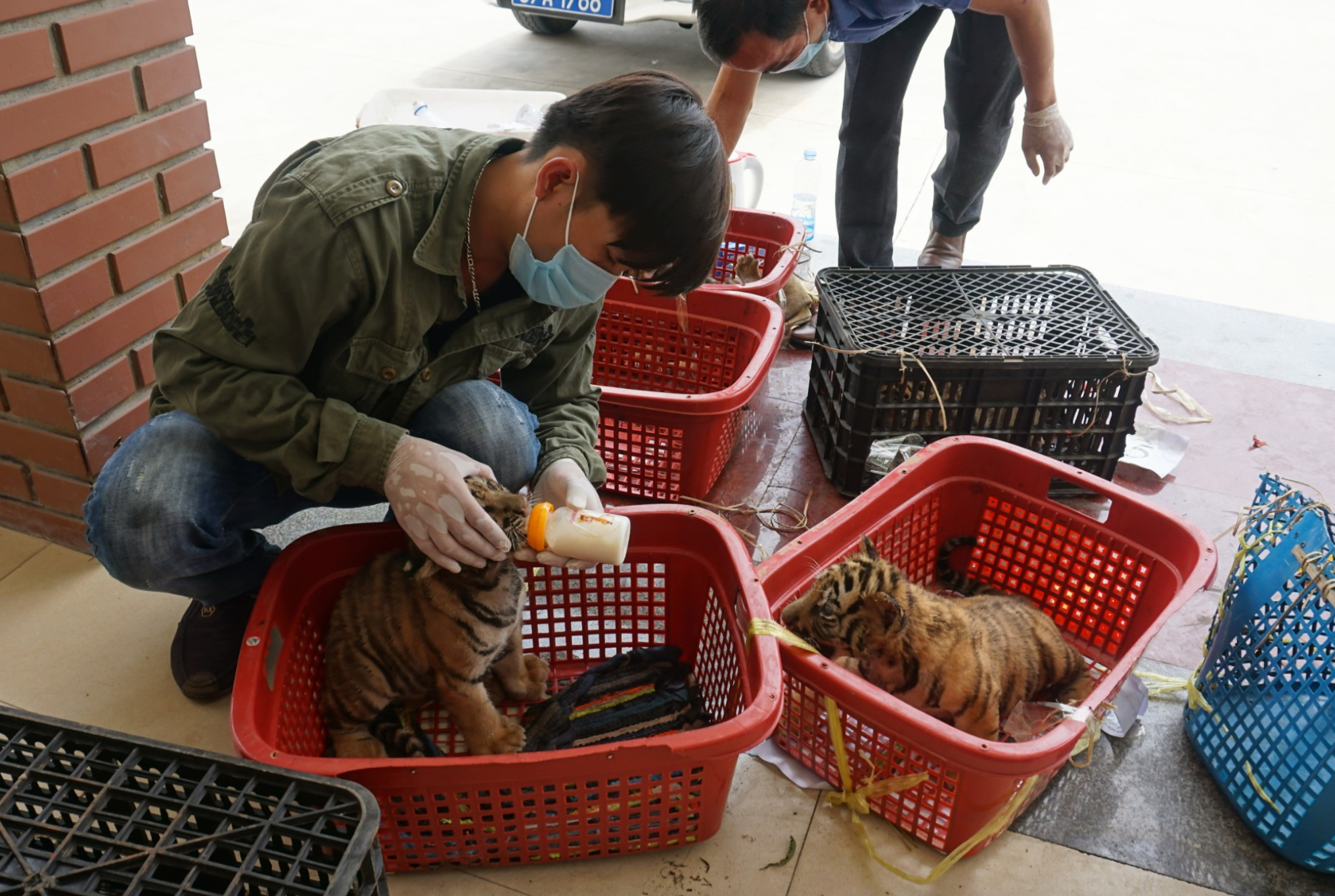
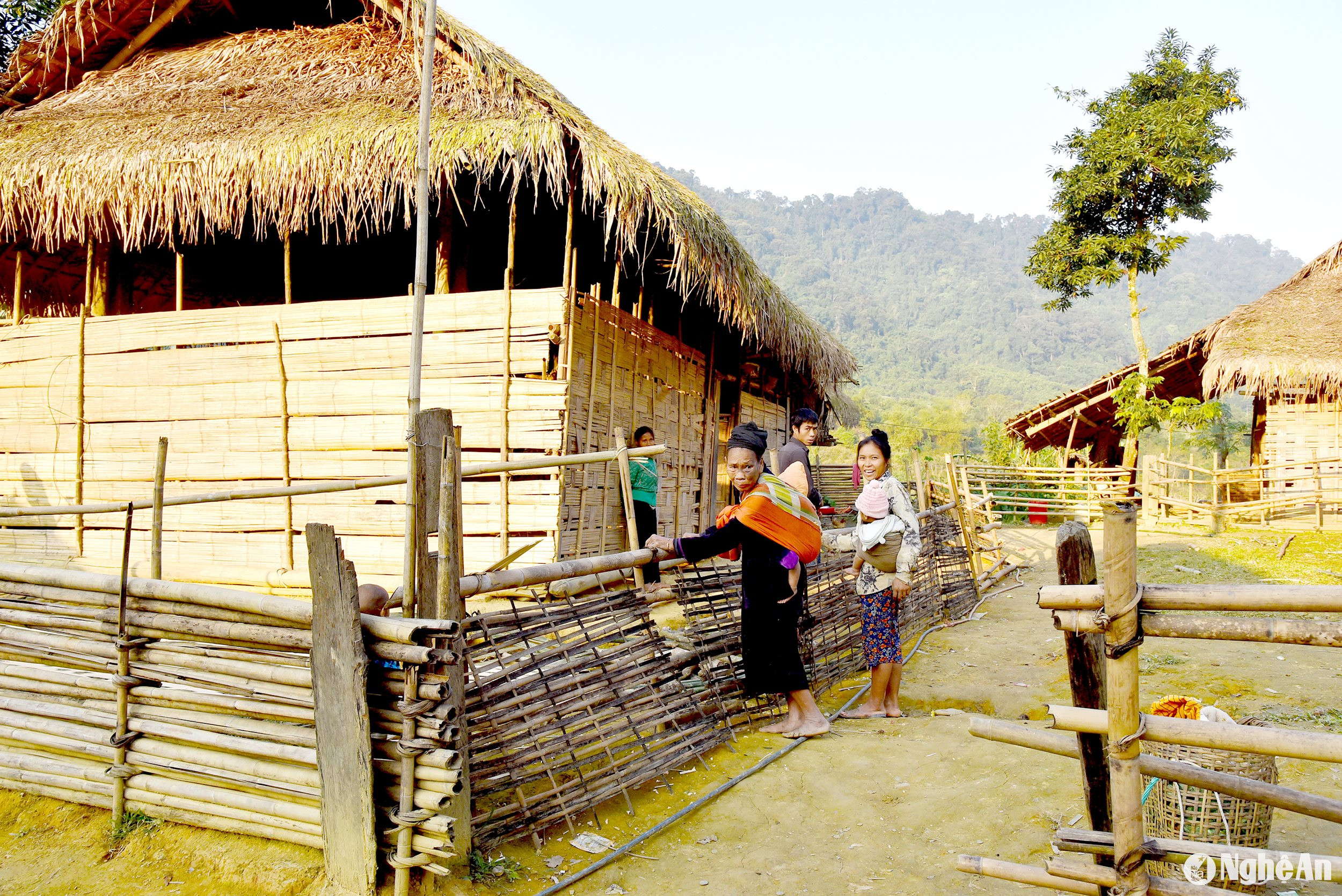

At Pu Mat National Park, according to the plan of the Provincial People's Committee, the unit also coordinates with local authorities and functional agencies to implement periodic monitoring and assessment activities on environmental changes and natural values that need protection and conservation. It reviews and hands over land for residential and production use to local authorities for people living in the buffer zone of the national park. It implements a program to monitor two species of bears, the Asiatic black bear and the sun bear, using camera traps (2024-2026), and a program to monitor the serow species (2025-2027)...
The IUCN Green List assessment process comprises three stages: the Application stage, the Candidate stage, and the Green List stage. Each stage is independently assessed by the Expert Assessment Group for the Green List (EAGL) and independent assessors. Currently, Pu Mat National Park is in the Candidate stage. To be recognized as a Green List, in addition to the efforts of the national park's staff, the involvement of the entire political system is needed in implementing mechanisms and policies, as well as carrying out activities to protect forests, conserve nature, and promote the potential value of its resources for economic development and climate change mitigation.