

Why shouldn't you eat too much garlic for your health?
Eating one or two cloves of garlic a day may be beneficial for your health, but eating more than that can cause bad breath, heartburn, stomach problems, and other unpleasant side effects.
For many, garlic is a favorite cooking spice, thanks to its pungent flavor and aroma. It's particularly effective in stews, sauces, pizzas, and pasta dishes. It also offers several health benefits due to its medicinal properties. However, despite its versatility and health benefits, some garlic lovers wonder if it's possible to eat too much of it?
Side effects of garlic
According tographlineAlthough garlic is a healthy addition to a balanced diet, consuming too much can cause some side effects.
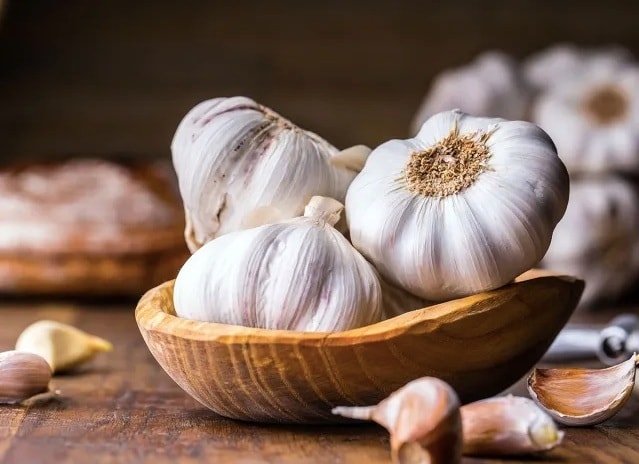
Ideally, you should eat garlic in moderation. Photo: Shutterstock
Increased risk of bleeding
One of the most serious side effects of eating too much garlic is an increased risk of bleeding, especially if you are taking blood thinners or have had surgery. This is because garlic has antithrombotic properties, meaning it can prevent blood clots from forming.
Although bleeding caused by garlic is uncommon, one report detailed a case of increased bleeding after regularly consuming 12 grams of garlic (about 4 cloves) daily before surgery.
One case involved bruising after surgery. The cause may have been a dietary supplement the person was taking, containing fish oil and 10mg of garlic extract, both of which affect blood clotting.
Therefore, it is important to consult with your doctor before using garlic supplements. If you are taking any medications or preparing for surgery, you should also consult your doctor before adding garlic to your diet.
Similarly, according to Dr. Ha Hai Nam, MD, MSc, K Hospital (Hanoi), garlic has the effect of thinning the blood, preventing the formation of blood clots, and inhibiting platelet aggregation, thus increasing the risk of bleeding and blood loss. Therefore, people who eat more than 12 grams of garlic per day (more than 4 cloves) will have a higher risk of excessive bleeding during surgery.
Garlic breath
Garlic contains many sulfur compounds, which offer numerous health benefits. However, these compounds can cause bad breath, especially when consumed in large quantities. This is particularly true for raw garlic, as cooking reduces the levels of these beneficial sulfur compounds.
However, you can try some home remedies to get rid of garlic breath.
Digestive problems
Like onions, leeks, and asparagus, garlic is high in fructan, a type of carbohydrate made up of fructose chains, a simple sugar. It can cause bloating, gas, and stomach pain in some people.
In fact, when people with fructan intolerance eat foods high in fructan, those foods are not fully absorbed in the small intestine. Instead, they travel to the large intestine unaffected and ferment there, a process that can cause digestive problems.
Furthermore, according to Dr. Nam, garlic contains a lot of fructose, which can cause bloating and stomach pain in people with fructose intolerance. The reason is that fructose is not digested in the small intestine but goes straight to the large intestine, where it ferments, causing bloating and other digestive problems.
People with pre-existing gastrointestinal conditions should exercise caution when using garlic.
Heartburn
If you have gastroesophageal reflux disease (GERD), you might consider reducing your garlic intake. GERD is a common condition that occurs when stomach acid flows back up into the esophagus, causing symptoms such as heartburn and nausea.
Garlic can reduce the tone of the lower esophageal sphincter. This muscle helps prevent food from remaining in the stomach during contractions and being pushed back up into the esophagus. When this muscle is weak, the upper end of the stomach doesn't close properly, leading to reflux of food and acid into the esophagus, causing burning sensations, heartburn, and nausea.
However, certain foods affect people with GERD in different ways. If you find that eating a lot of garlic doesn't cause symptoms, then you probably don't need to restrict your garlic intake.
How much garlic should you eat each day?
Although there are no official recommendations on how much garlic you should eat, studies suggest that consuming 1-2 cloves (3-6 grams) per day may offer health benefits. If you notice any side effects after consuming more than this amount, consider reducing your garlic intake.
Cooking garlic before eating can also help prevent side effects such as garlic breath, digestive problems, and acid reflux.
If you have any underlying health conditions or are taking medication, it's best to talk to your doctor before making any changes to your diet or using any herbal supplements.
In summary, garlic is very nutritious and offers many health benefits. However, if you consume too much, it can cause side effects such as bad breath, acid reflux, digestive problems, and an increased risk of bleeding. Therefore, it's best to enjoy this delicious spice in moderation and reduce your consumption if you start experiencing any side effects.