

Thanh Chuong - a land of deep affection and warmth.
With its rich history, long-standing culture, picturesque landscapes, numerous historical sites, scenic spots, and local specialties, Thanh Chuong district is not only famous for its revolutionary traditions and love of learning, but also an attractive destination for tourists from all over the world on their journey to explore Nghe An province.
Traditional dishes
1. Rich and flavorful fermented bamboo shoots
When people think of Thanh Chuong, they often think of a famous and rustic dish: "nhut" (fermented bamboo shoots). It seems that the harsh natural environment and difficult living conditions have inspired the people here to create this dish, "a taste you'll never forget."
In fact, many rural areas have "nhút," which is a type of pickled and fermented vegetable and fruit product used to preserve food for longer periods, such as "nhút đầu đậu" (pickled bean sprouts), "nhút hoa chuối" (pickled banana blossoms), "nhút trộn" (mixed pickles), etc., but Thanh Chương's "nhút" is special because it is made from unripe jackfruit that is peeled, chopped, and fermented in earthenware jars.
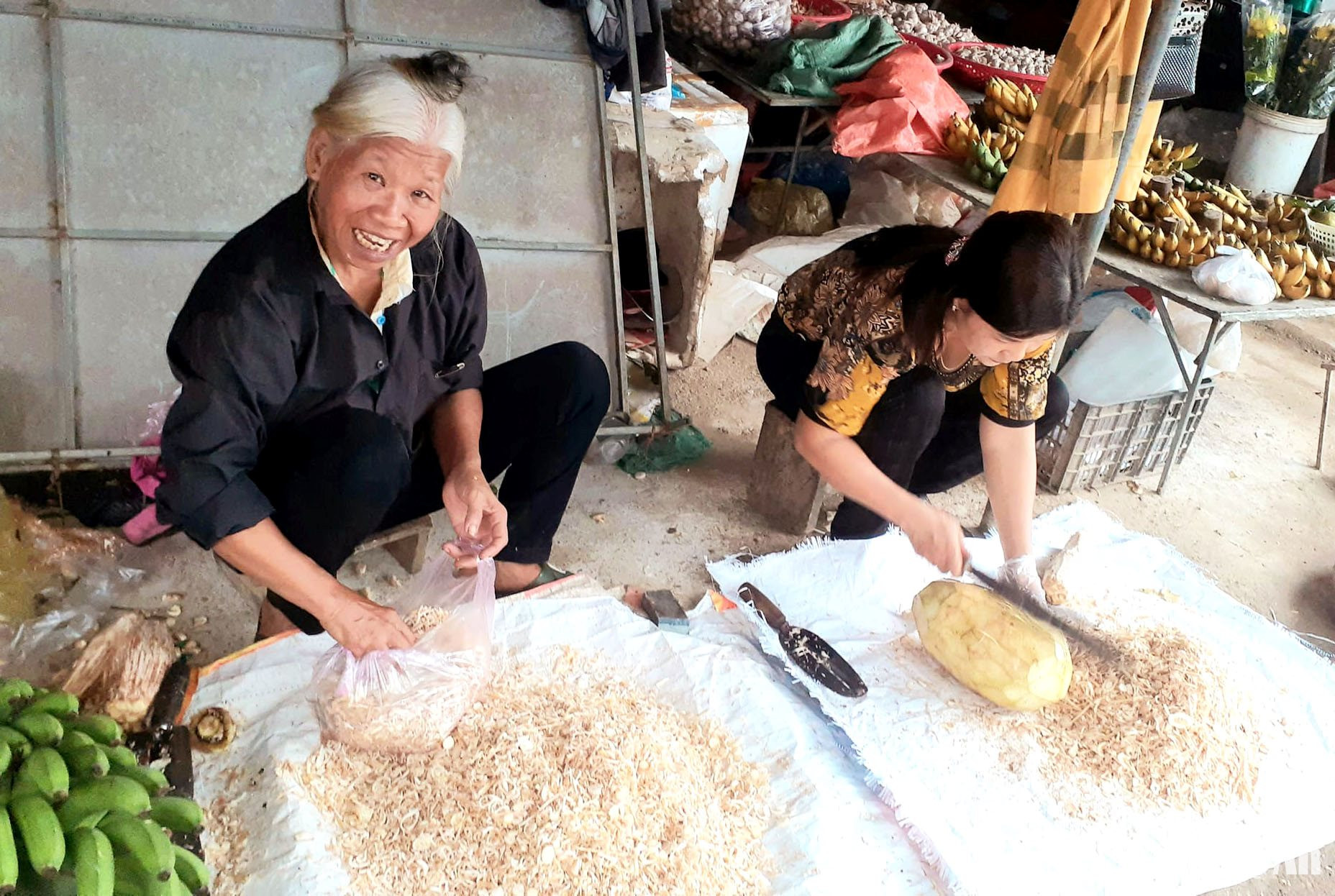
Although not very nutritious, the unripe bamboo shoot can be prepared into many delicious dishes such as stir-fried unripe bamboo shoots, unripe bamboo shoot salad, unripe bamboo shoots cooked with peanuts, and unripe bamboo shoot sour soup… On a hot summer day, a pot of snakehead fish soup with unripe bamboo shoots would be wonderful.
The dish called "nhút" (fermented jackfruit) has accompanied the people of my hometown through the years of poverty, when rice was mixed with cassava and corn. In those days, "nhút" was the main food on the dinner table for many families in Thanh Chương. To have "nhút" to eat all year round, each jackfruit season, large families had to make several jars of "nhút".
The tangy flavor of jackfruit pickle stimulates the appetite, making it a dish that makes you eat a lot of rice, even if the rice consists only of potatoes and cassava. Jackfruit pickle was a delicacy for the people in my hometown during the days when "there wasn't enough rice to eat, and not enough clothes to wear."
Nhút has contributed to nurturing and shaping the feelings and thoughts of generations of people in Thanh Chương:
"Even though things may have been different in the past than they are now."
But I believe the essence of Nghe An still flows.
It's in the blood of the people from your hometown.
"No matter where you live, there's always salt and ginger" (st)
Living far from home, seeing or thinking about pickled bamboo shoots evokes a longing for home and family. It reminds one of the rich, flavorful taste of pickled bamboo shoots, like the deep affection of one's ancestral land: “Thanh Chương's pickled bamboo shoots are salty and sour. Perhaps that's why you dislike them. Perhaps that's why you don't return.” (Phan Thanh Chương)
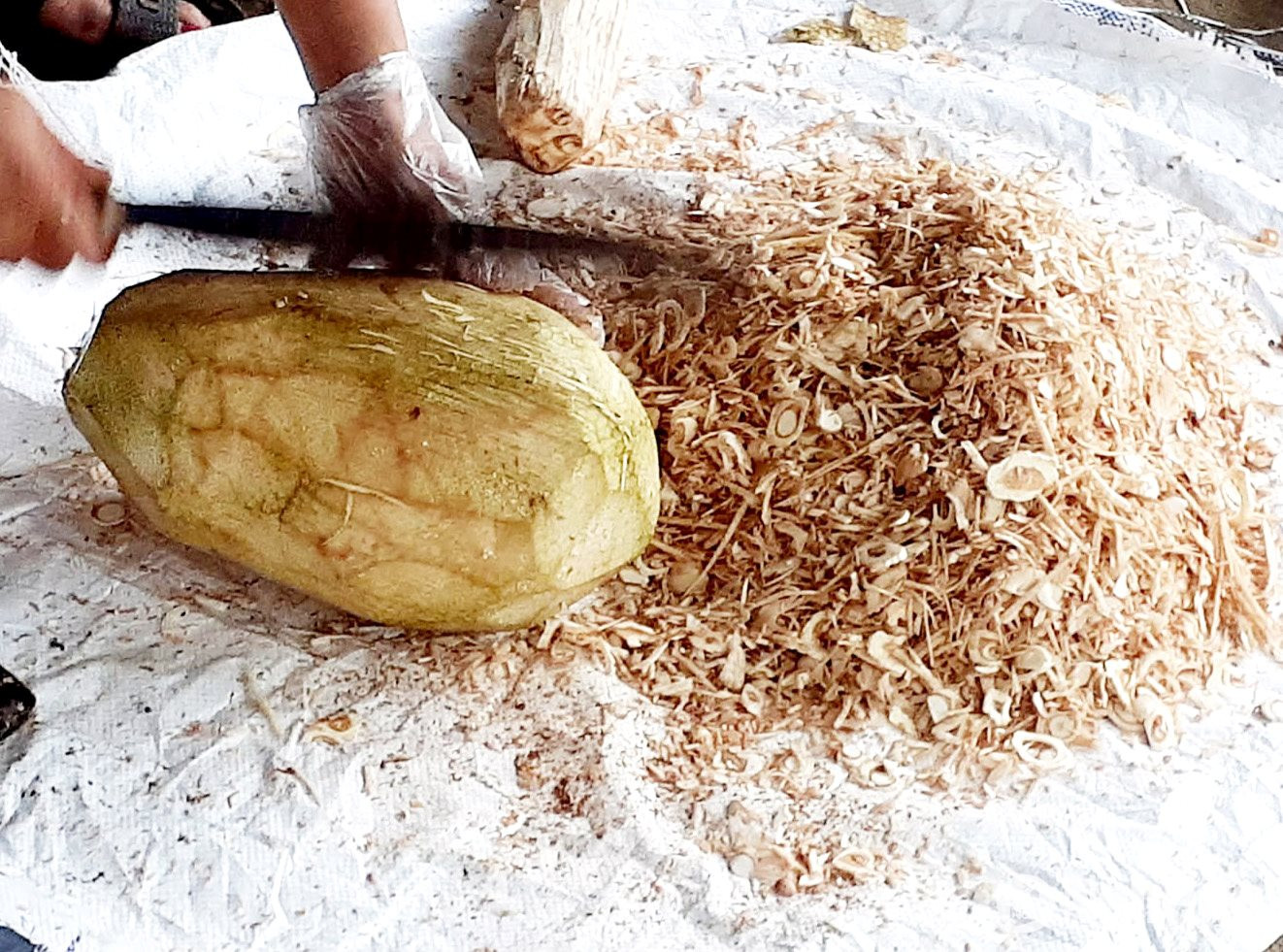
From a simple, rustic dish, "nhút" (fermented bamboo shoots) has gradually become a specialty, a famous product that is actively traded in the market. This gift from the countryside may not have much material value, but it carries the soul and feelings of the people of "nhút homeland," accompanying tourists from North to South, spreading the flavor of the countryside far and wide.
Nhút has become a deeply cherished symbol, tinged with a sense of pride, for the people and land of Thanh Chương, a poor but warm-hearted rural area: "nhút people," "nhút homeland," "nhút land"...
2. Chicken soup with a rich, sweet, traditional flavor.
Thanh Chuong, a hilly and mountainous region, is not only known for its jackfruit and wild vegetables, but also for its abundance of chickens. The native chicken breeds, such as the "kien" and "co" chickens, are raised naturally on rice, bran, and corn in home gardens and forest gardens. Although they don't grow as large as hybrid breeds, they are delicious and clean.
On every holiday, party, or when guests come to visit, people in Thanh Chuong often cook the familiar chicken soup.
"The chicken clucks, the lime leaves..."
Whoever wants to go to Nhut village with me, let them go.
"The art of cooking adds a rich taste of the countryside..." (An Nam)
People in Thanh Chuong often cook chicken soup because the ingredients—lime leaves, onions, turmeric, chili peppers, and salt—are readily available at home. Whether chopped or deboned, minced, or rolled into balls, chicken soup is easy to cook. Unlike grilled chicken, which is dry and tough, or boiled chicken, which is bland, chicken soup offers tender, sweet meat and a rich, flavorful broth with a distinctive aroma.
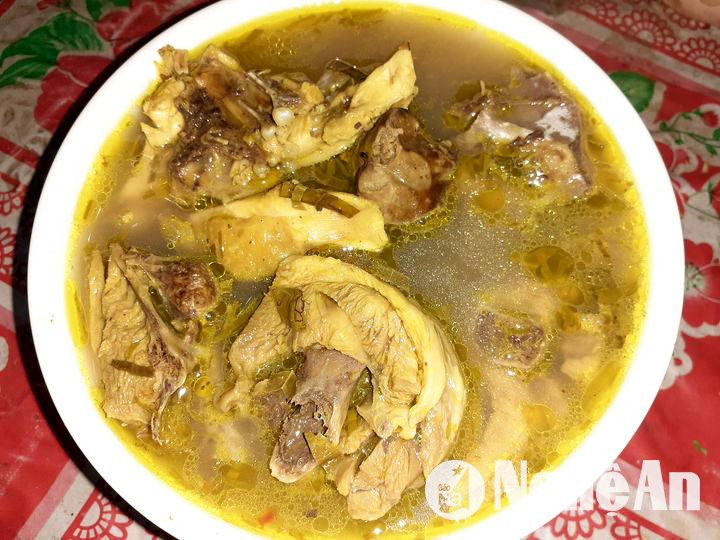
From distant markets and far away, with readily available home-raised chickens, when children return home from afar, when families reunite, or when guests visit, the people of Thanh Chuong will always slaughter a chicken to treat them to a delicious chicken soup. This flavorful dish, rich in the taste of the countryside, costs nothing to buy, and the fact that the host and family members prepare it themselves further demonstrates their heartfelt affection and love.
Today, chicken is prepared in many dishes considered "delicacies," but chicken soup is still preserved and passed down by the people of Thanh Chuong as a culinary specialty of their homeland—simple yet delicious, unpretentious yet refined.
Chicken soup with fermented bamboo shoots, a traditional dish from the countryside, has transcended the confines of family kitchens, becoming a popular item on the menus of many restaurants and hotels. Far from home, eating a bowl of this chicken soup evokes feelings of longing for father, mother, and hometown, a heart-wrenching nostalgia...
3. Sweet and savory black olives
It seems that harsh nature, not only to test human resilience, has also bestowed upon the land of Thanh Chuong many specialties, including black olives. These olives are rich, fragrant, and possess a distinctive flavor characteristic of the western region of Nghe An province. Thanh Chuong black olives can be processed into many delicious dishes, such as stewed olives, salted olives, stir-fried olives, sweet and savory braised olives, olives in soy sauce, and olives cooked with meat… Although not prepared in elaborate ways like olive salad or olive sticky rice as in other places, the unique flavor of dishes made from Thanh Chuong olives is still captivating.
The long, firm canarium fruits seem to embody the resilience and fortitude of the canarium tree in nature. The rich, nutty flavor and unique aroma of black canarium fruit seem to be distilled and nurtured from the harsh soil and climate of this sun-drenched, rain-soaked countryside.
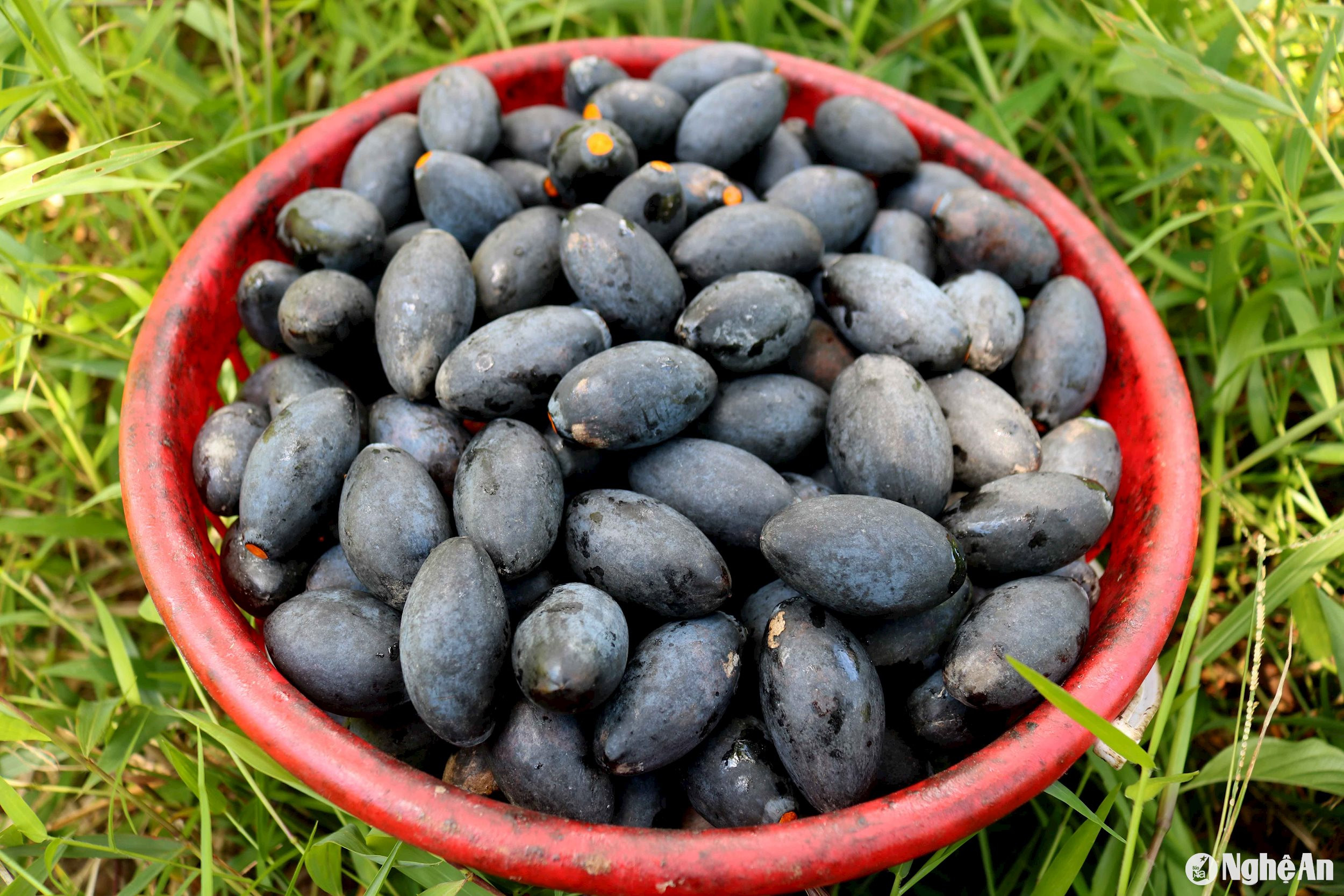
The distinctive aroma of the canarium fruit is unmistakable; just smelling it makes you crave it. Enjoying dishes made with canarium fruit also allows you to feel the salty, profound taste of the land and people of the region.
Today, with the market overflowing with chemicals in food, Thanh Chuong black olives have risen to prominence, marking a resurgence of local cuisine. The price of olives is increasing, promising many bountiful harvests that will bring billions of dong to the people, enriching family meals with the rich, savory flavor of olives – a simple, rustic dish that is incredibly dear to the heart. For those from the olive-growing region who live far away, each olive season brings back a longing for their homeland with heartfelt nostalgia: "Sour starfruit becomes sweet, the rich olives evoke deep affection."
Perhaps the scorching hot countryside with its rustic dishes has contributed to the "shy" character of the people of Thanh Chuong: simple, hardworking, thrifty, sincere, and upright... Regardless of the circumstances, they remain determined to rise above adversity, living a life of integrity and profound loyalty.
"Salted pickled tomatoes" - the old folk song still resonates.
Thanh Chuong, my poor hometown, I will remember it all my life.
I appreciate that clumsy remark: "Surely the crane is that quick, and yet you still criticize it."
Now that I am far from my homeland, I long to return.
The pickled bamboo shoots are salty, the eggplant is sour, but I'll still come home no matter what.
My hometown, Thanh Chuong, is charming both now and in the future.
"The simple and endearing neighborly spirit and community spirit" (Hung Thai)
Revolution and a love of learning
Upon arriving in Thanh Chuong for the first time, many are captivated by the picturesque landscape of lush green mountains and clear blue waters. Beside the romantic Lam River, the majestic Nguoc Mountain stands tall, symbolizing the unwavering spirit and courageous loyalty of the people of this land. With its high mountains, deep rivers, and steadfast people, Thanh Chuong was once the base of the Nghe An Provincial Party Committee in its early years.
During the arduous yet glorious revolutionary struggle of the Party, the Nghe An Provincial Party Committee secretly operated in Yen Lac village, Thanh Ngoc commune. The people of Yen Lac wholeheartedly followed the Party, regardless of hardship and sacrifice, saving everything they could – potatoes, butter, rice, jars of fermented bamboo shoots – to shelter cadres, ready to sacrifice their lives for the common cause. During the Nghe Tinh Soviet Uprising, Yen Lac village was subjected to fierce repression by the enemy; dozens were arrested, imprisoned, and tortured to death. The fallen trees, the village communal house, and the courtyard of the communal house from that time have become testaments to the resilience, courage, and sacrifice of the homeland.
From September 1930 to February 1931, Dien Trang village, Thanh Phong commune, was also a secret operational location for the Provincial Party Committee. The Nguyen Duy family church served as the residence and meeting place for Provincial Party Secretary Nguyen Tiem, while the Nguyen Ba and Nguyen Ich family churches, along with the Dien Trang banyan tree, were used for printing and storing documents.
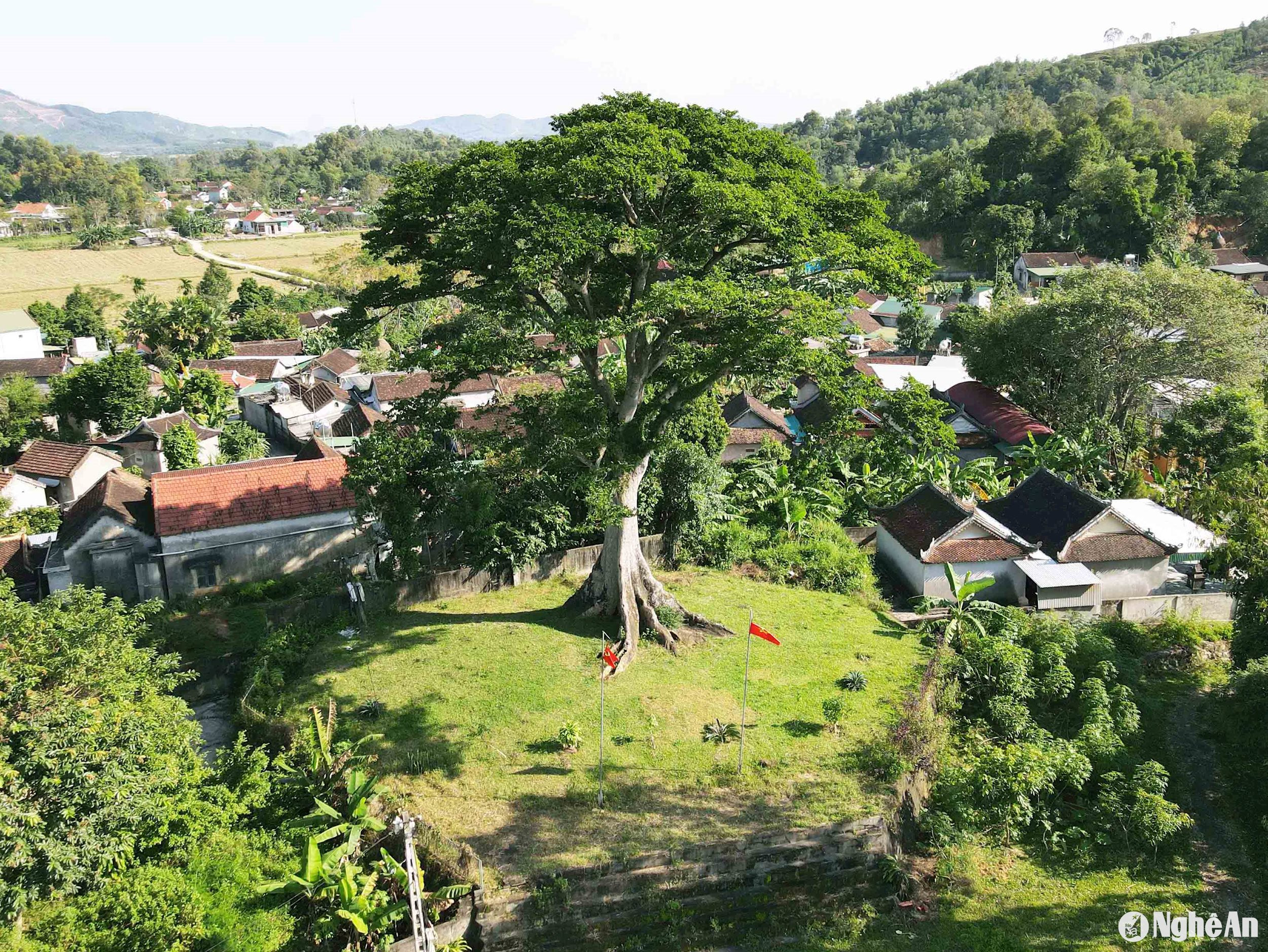
Having survived for hundreds of years, enduring storms, bombs, and bullets of war, the Dien Trang banyan tree still thrives on the summit of Mount Tron, symbolizing the indomitable spirit, resilience, vibrant vitality, and deep affection of this revolutionary homeland.
During the Nghệ Tĩnh Soviet Uprising (1930-1931), Thanh Chương was the first locality to rise up. On May 1, 1930, thousands of people from Hạnh Lâm and La Mạc, after gathering and holding a rally for International Labor Day at Hạ village communal house, marched to Ký Viện plantation, burning down houses and warehouses... In just a short time, the plantation of the landlord and capitalist was completely destroyed. The French deployed troops to fill Thượng village communal house, organizing a crackdown that resulted in 17 deaths and 18 injuries.
On September 1, 1930, more than 20,000 farmers from Thanh Chuong district, including Dai Dong, Xuan Lam, Vo Liet, and Cat Ngan, rose up in unison, marching to Ro to attack the district headquarters, smashing the prison, freeing prisoners, and burning documents. Taking advantage of this victory, the people of the villages and communes in the district simultaneously rose up in demonstrations and protests, completely dismantling the colonial and feudal administrative apparatus in Thanh Chuong.
The Red Peasant Associations in the villages and communes took charge of all affairs like a government. The earth-shattering demonstration on September 1, 1930, in Thanh Chuong is considered the starting point, marking the birth of the Nghe Tinh Soviet, a new form of government in the nation's history.
Thanh Chuong is also famous as a region known for its studiousness and respect for talent; even the names of its mountains, wharves, and villages reflect the spirit of learning. The Thap But Mountain, rising high against the blue sky like a pen in Thanh Huong commune, is a symbol of Thanh Chuong's scholarly heritage. Ba Nghe Wharf and Ba Nghe hamlet in Thanh Giang commune are home to three scholars who passed the imperial examinations during the feudal era: Nguyen Tien Tai (passed the examination in 1664), Pham Kinh Vy (passed the examination in 1724), and Nguyen Lam Thai (passed the examination in 1739).
These unique stone steles, commemorating the scholars and mandarins, will endure for generations to come. In front of the Vo Liet communal house (Vo Liet commune), there are two rows of stone steles inscribed with Chinese characters, recording the names of 455 successful individuals (bachelor's degree holders, bachelor's degree holders, doctorates holders, and vice-bachelor's degree holders) from the Vo Liet district, from the Le dynasty to the Nguyen dynasty.
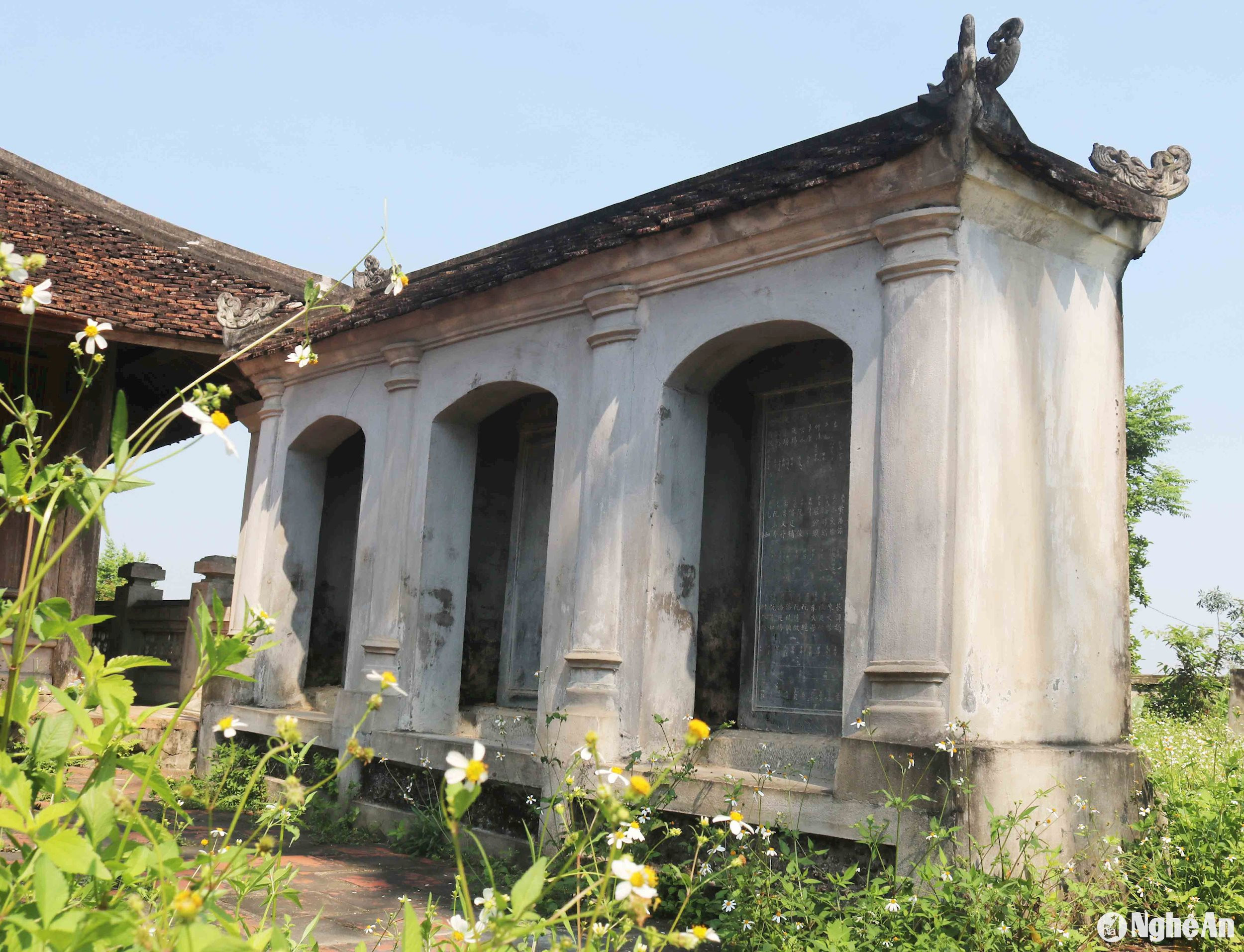
In Thanh Lien commune, there are still three stone steles from the former Cat Ngan district's Confucian temple that clearly record the names of 267 people who passed the highest-level imperial examinations (Thám Hoa, Tiến Sĩ), Cử Nhân, and Tú Tài in the history of the feudal examination system of Cat Ngan district. Among them are the names of prominent scholars such as Dinh Bo Cuong and Nguyen The Binh.
A region rich in history and home to many distinguished families, such as the Nguyen Canh, Nguyen Sy, Nguyen Phung, Phan Sy, Tran, Chu, Ton, and Dang families, has produced generations of scholars, military leaders, revolutionaries, and cultural figures who have made significant contributions to their homeland: Nguyen Canh Huy and his descendants, Nguyen Phung Thoi, Chu Di Hien, Tran Hung Hoc, Tran Hung Nhuong, Dang Thai Mai, Ton Quang Phiệt…
In Thanh Luong commune, the village of Ke Tram is famously known for the folk song "Ke Ngan's fields, Ke Tram's officials" - meaning Ke Ngan has many fields, and Ke Tram has many officials. Among them, the Chu family is a prominent and respected lineage. Their history spans a thousand years, with many generations serving as dukes, doctors, civil servants, and military generals of the imperial court.
The revolutionary and studious traditions of the people of Thanh Chuong are being continued, nurtured, and developed in the modern era. In each examination period, the number of Thanh Chuong children successfully enrolling in top universities and academies nationwide, and attending prestigious schools around the world, is steadily increasing. Many have achieved success as high-ranking officials, and there are numerous professors, doctors, engineers, scientists, poets, and artists renowned in Nghe An province and throughout the country.

Thanh Chuong, a land yearning for progress: the desire to learn, to escape poverty, to reach further, the yearning to contribute to building the homeland and the nation remains a constant concern and a source of anxiety for the people of Thanh Chuong, past and present.
"The scorching Lao wind and the biting North wind are unbearable."
Even barren, rocky soil can still rise up.
Even in hardship, I still dream of that distant place.
Every examination season brings many "scholars and mandarins." (An Nam)
Attractive destinations
1. The picturesque Tea Island
The land and people of Thanh Chuong possess a hidden beauty, one that is captivating only when you truly appreciate it. It is an attractive destination for tourists from all over the world on their journey to experience and explore Nghe An province.
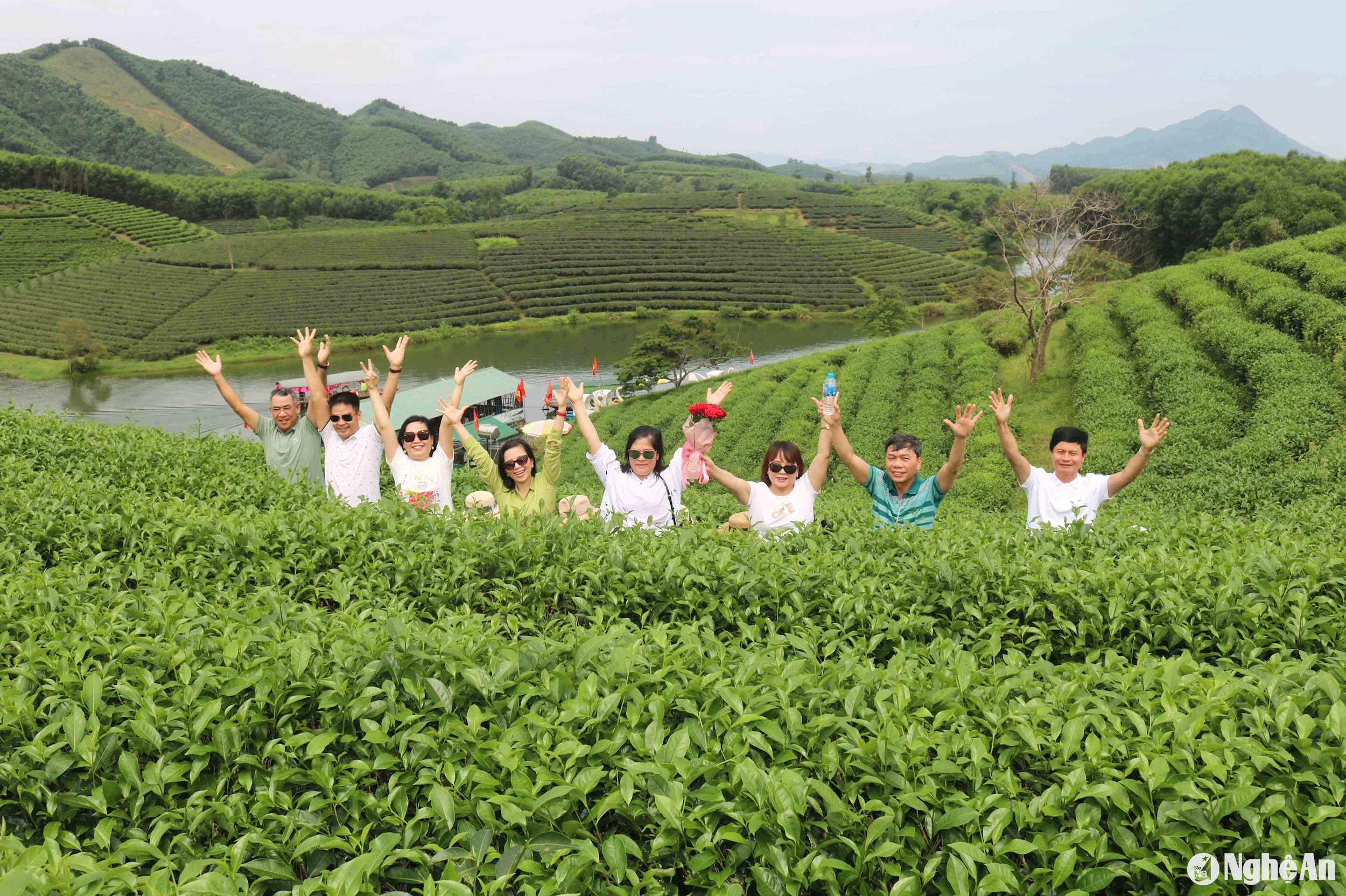
Cau Cau Tea Island has long been likened to the "Ha Long Bay of Nghe An" thanks to its lush green mountains and clear blue waters, a picturesque landscape with unique characteristics rarely found elsewhere. Rising from the reservoir, these tea islands, amidst the rolling hills and water, boast a natural, pristine, and romantic beauty, making them an interesting spot for sightseeing, relaxation, and photography.
The tea island is located next to the Ho Chi Minh Highway, making it convenient for tourism and connecting various destinations in the area. The ideal time to visit the tea island is during spring and autumn. Here, shopping, food, and beverage services catering to tourists are becoming increasingly vibrant.
.jpg)
2. Liep Waterfall
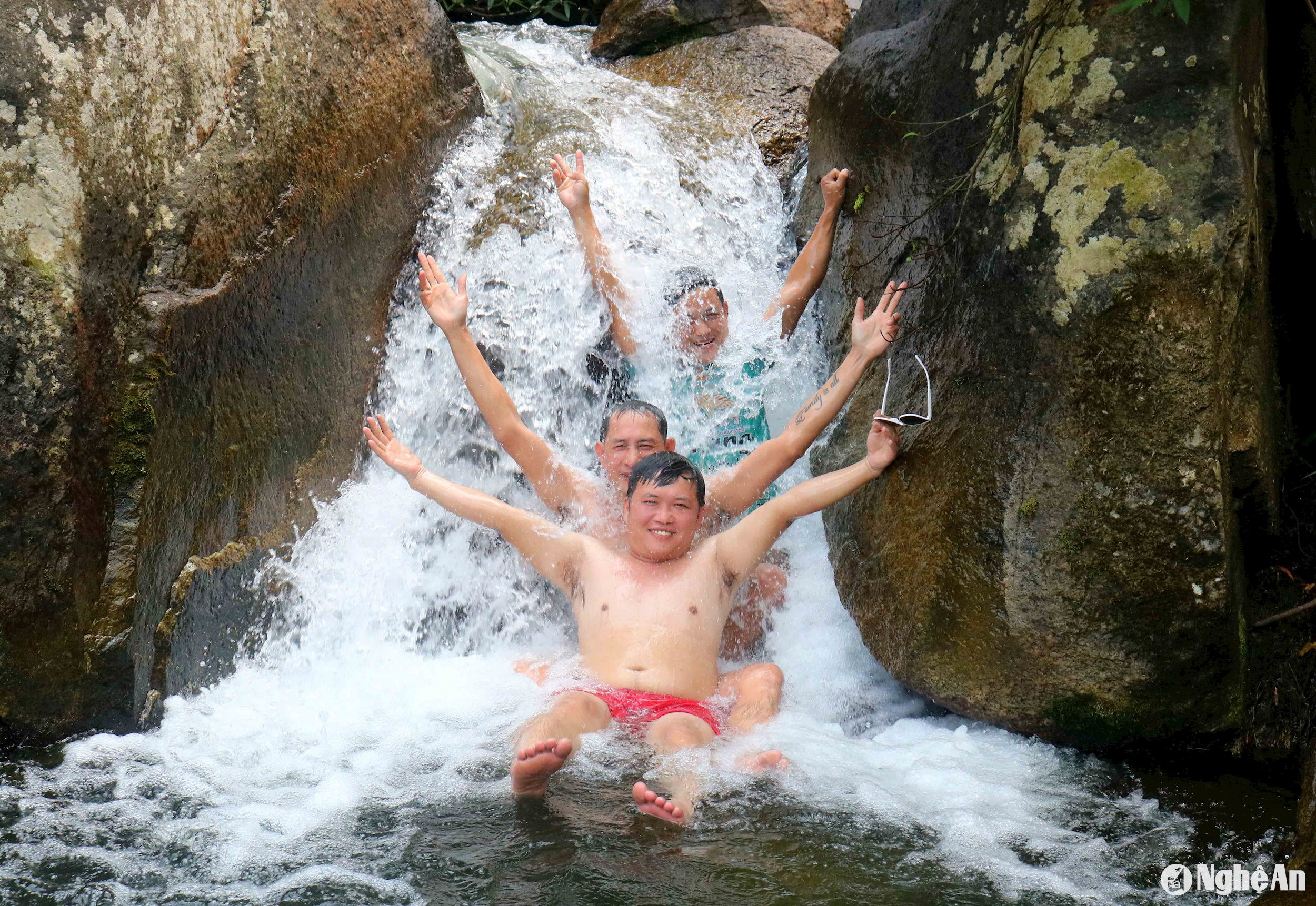
Thanh Chuong is a mountainous district with many rivers and streams, and especially many beautiful waterfalls. Still retaining their pristine beauty, Liep Waterfall in Thanh Son commune and Van Waterfall in Thanh Ha commune are attractive destinations for locals and tourists during hot weather.
Although lacking the grand, imposing columns of water, these two waterfalls are still as beautiful as a watercolor painting, with unique and captivating features. Between the lush green banks, crystal-clear water meanders through the rocky crevices, flowing downstream in a refreshing and peaceful atmosphere.
3. Bach Ma Temple
Besides its natural tourism potential, Thanh Chuong district also boasts a unique system of temples, communal houses, and shrines. The Bach Ma Temple in Vo Liet commune, built during the Le Dynasty to worship the famous general Phan Da, is one of the most sacred temples in Nghe An province. The temple has a magnificent architecture. The main hall is intricately carved, creating exquisite works of art.
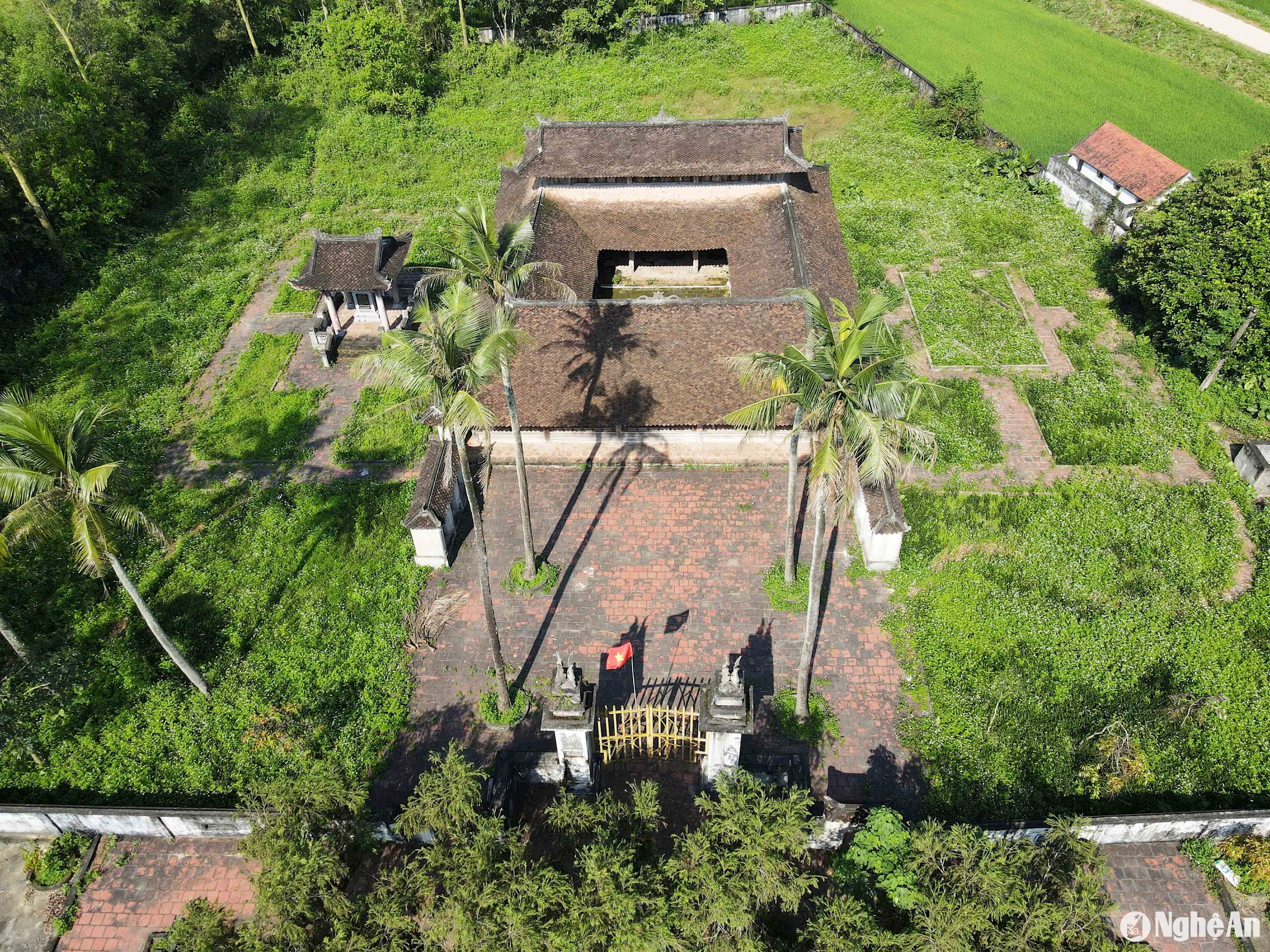
Vo Liet Temple, built in 1859, is one of the largest ancient temples in the province. The main temple has a distinctive architecture with four enclosed buildings forming the shape of the Chinese character "口" (mouth), in which the upper temple is a unique eight-roofed, multi-tiered structure.
4. Dang Cao Palace
The Dang Cao Temple in Dai Dong commune was built in the 16th century to worship three historical figures of the Nguyen Canh family who made great contributions to the country during the late Le Dynasty. The temple has many structures, among which the three-tiered ceremonial gate with its majestic form and exquisite patterns is the most distinctive feature.
The ceremonial gate of Dang Cao Palace has a unique architecture, harmoniously combining French-style architecture with traditional Eastern architecture. It is a work of high artistic value and is considered the most beautiful ceremonial gate among the historical sites in Nghe An province.
5. Nguyen Viet Family Church
Also in Dai Dong commune, the Nguyen Viet family ancestral temple is a work of art with a rare, ancient beauty in Nghe An. Built during the Nguyen dynasty, the temple consists of a lower hall and an upper hall, with the lower hall being a three-bay, two-gable house that most fully and comprehensively showcases the exquisite beauty of the ancient people's wood carving art...
Located not far from Vinh City and easily accessible, Thanh Chuong district, with its rich cultural heritage, beautiful scenery, and simple, friendly people, has been and continues to be an attractive and interesting destination for tourists from all over the world.
Here, visitors can not only immerse themselves in the picturesque landscape of lush green mountains and clear blue waters, visit typical historical sites and scenic spots to better understand and appreciate the land and people of Thanh Chuong, but also enjoy and shop for the famous delicious and clean specialties of this region.