The price of the "rành rành" tree on the hills of Nghe An has dropped.
Annam•August 15, 2024 09:33
At this time of year, farmers in Thanh Chuong and Nam Dan districts are busy harvesting. The price of broom grass has dropped sharply, to only two-thirds of last year's price.
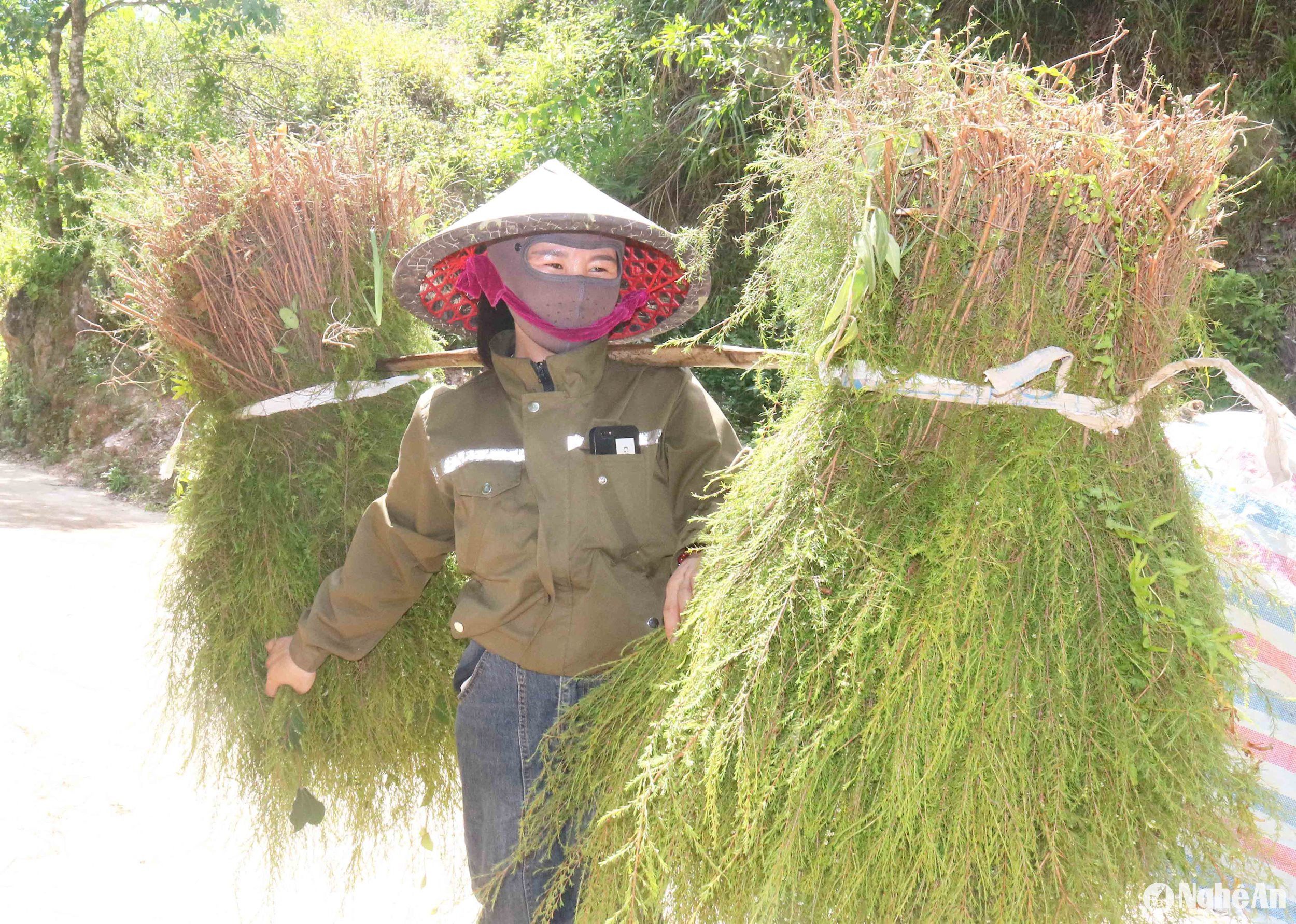
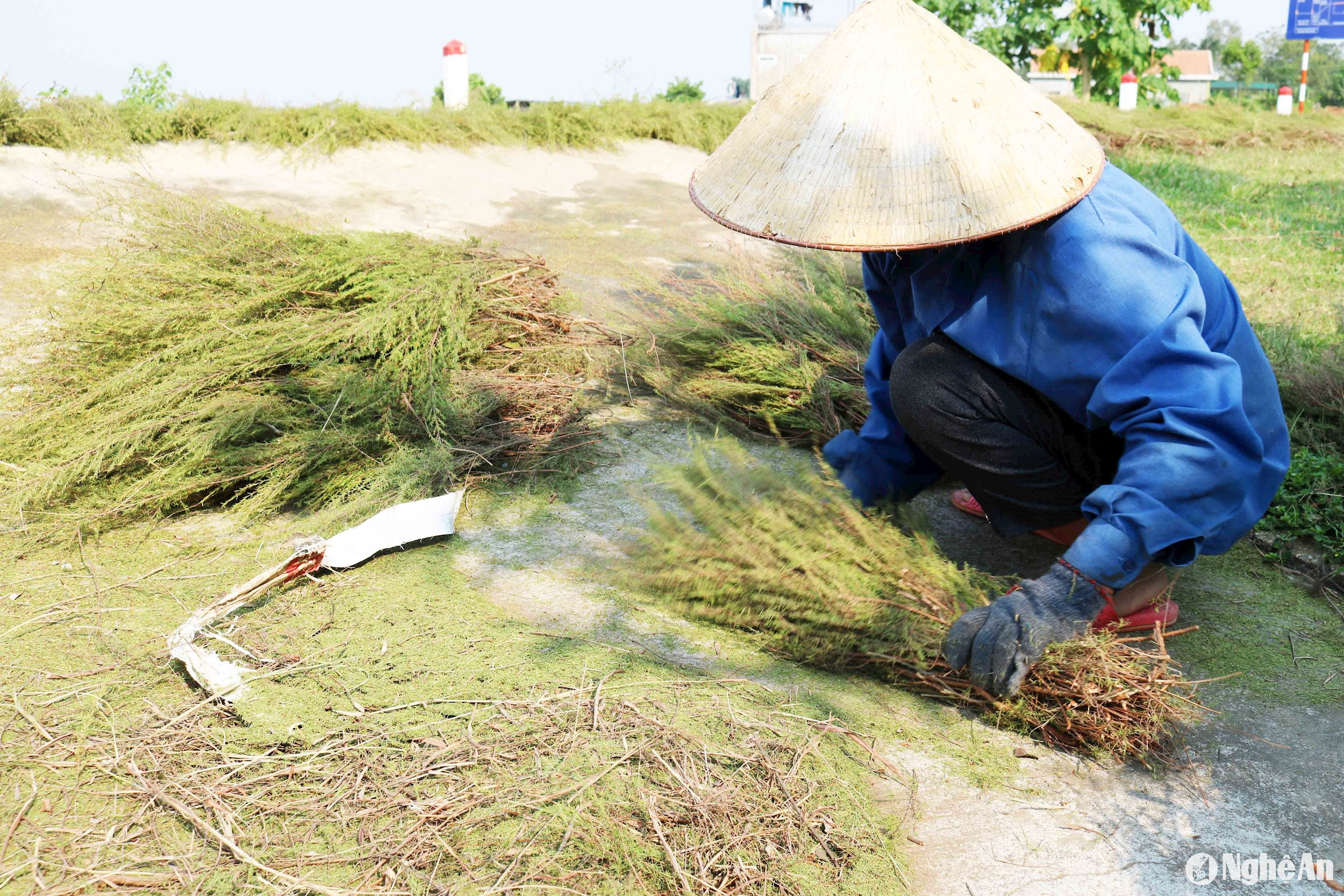
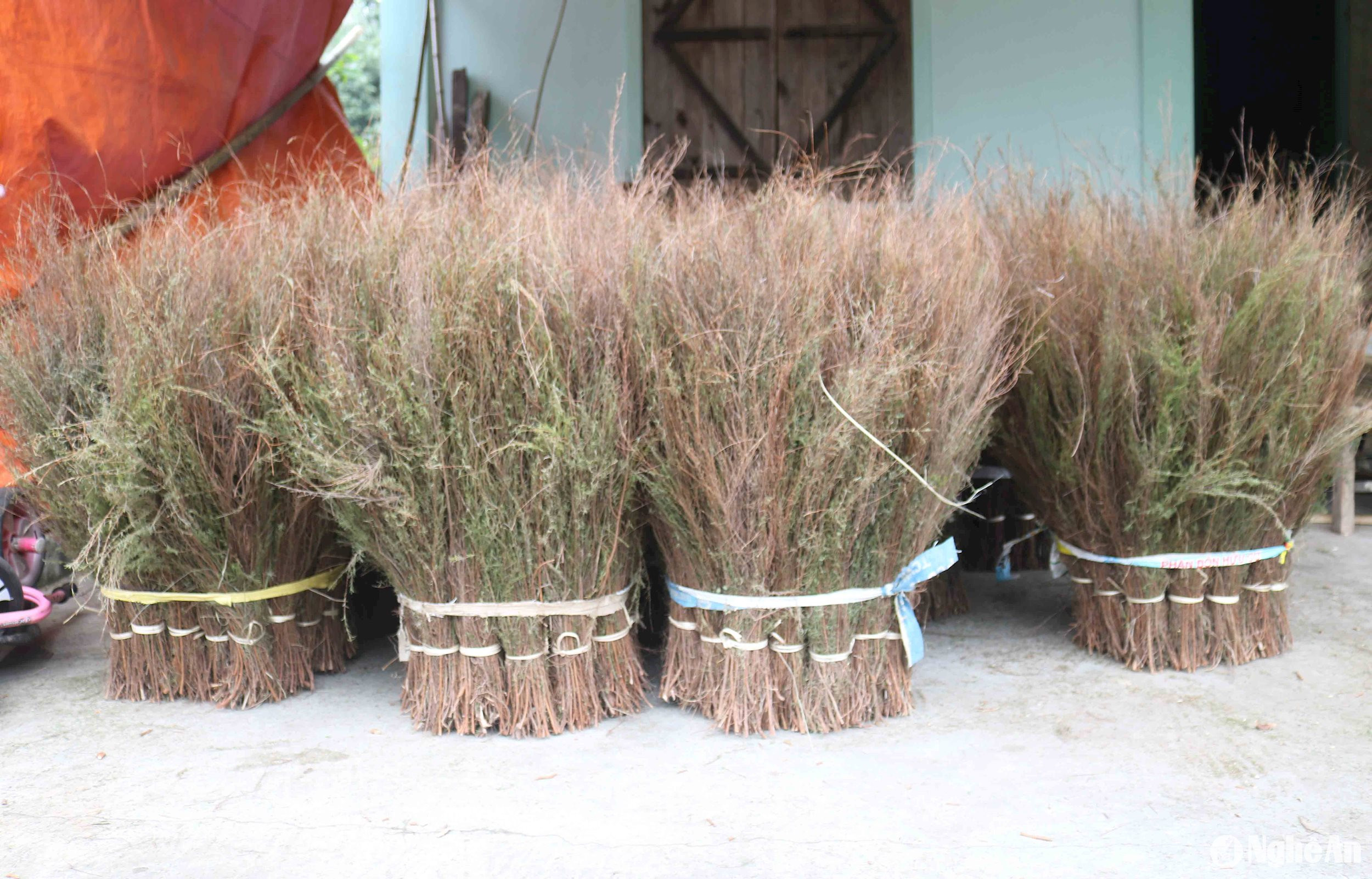
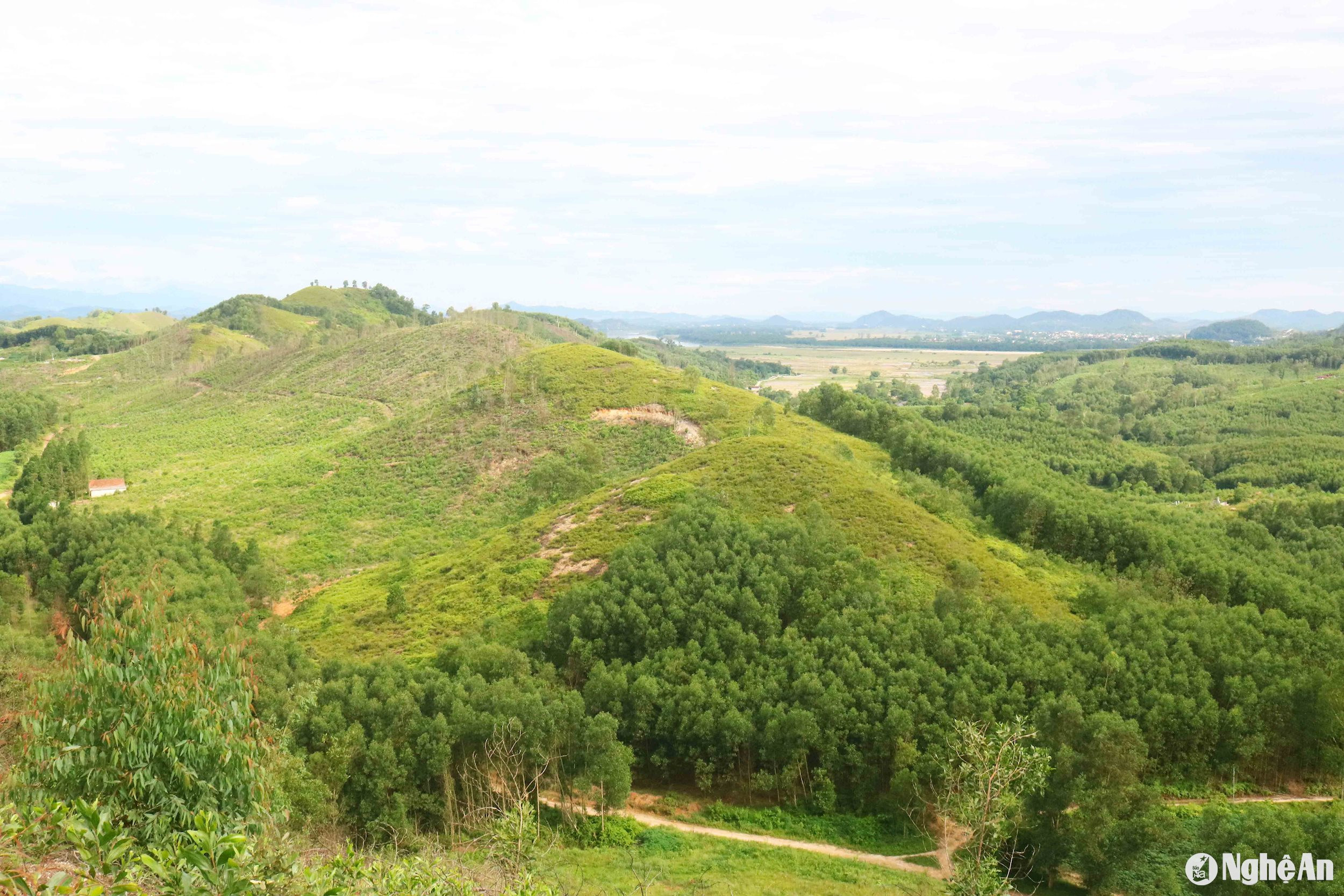
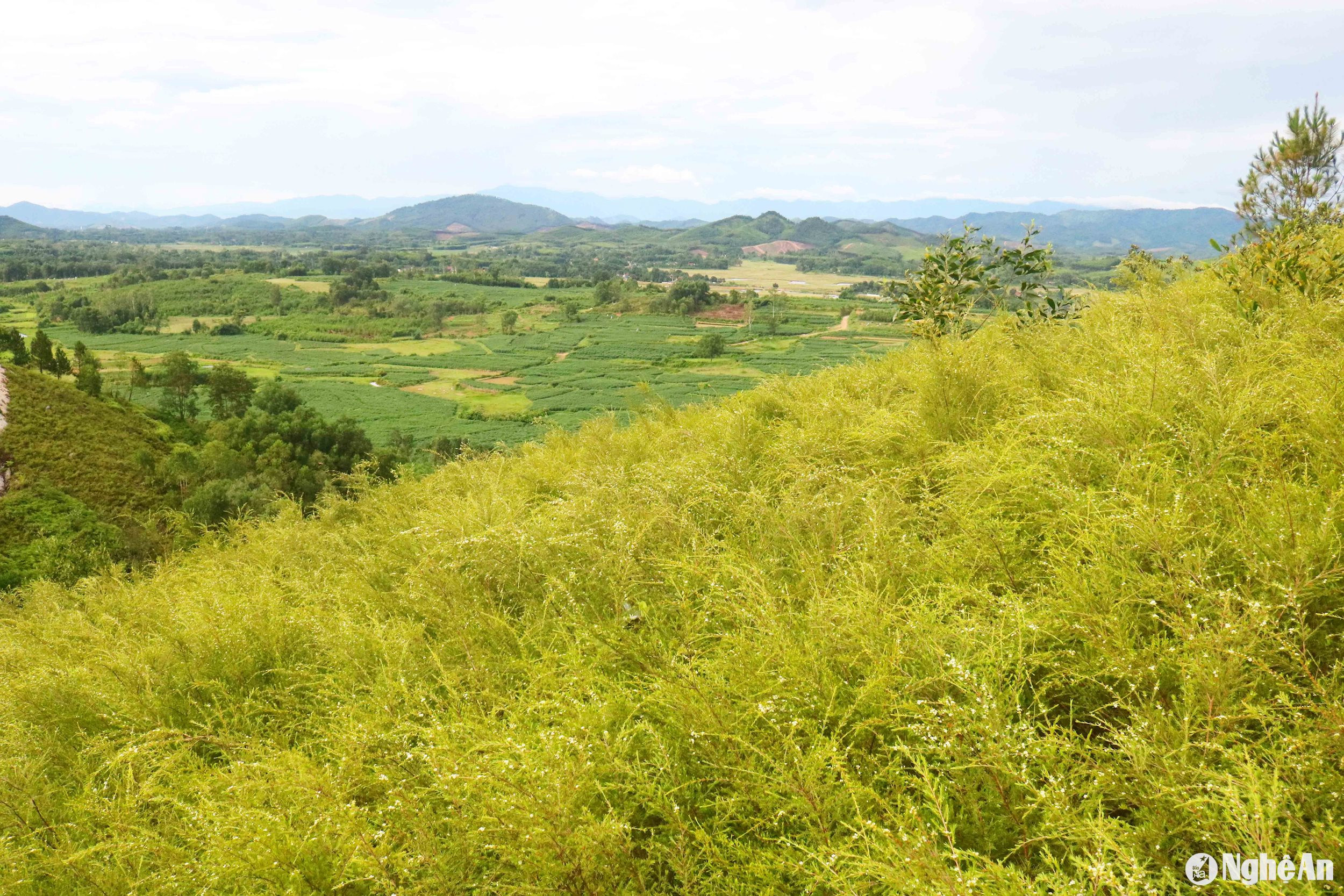
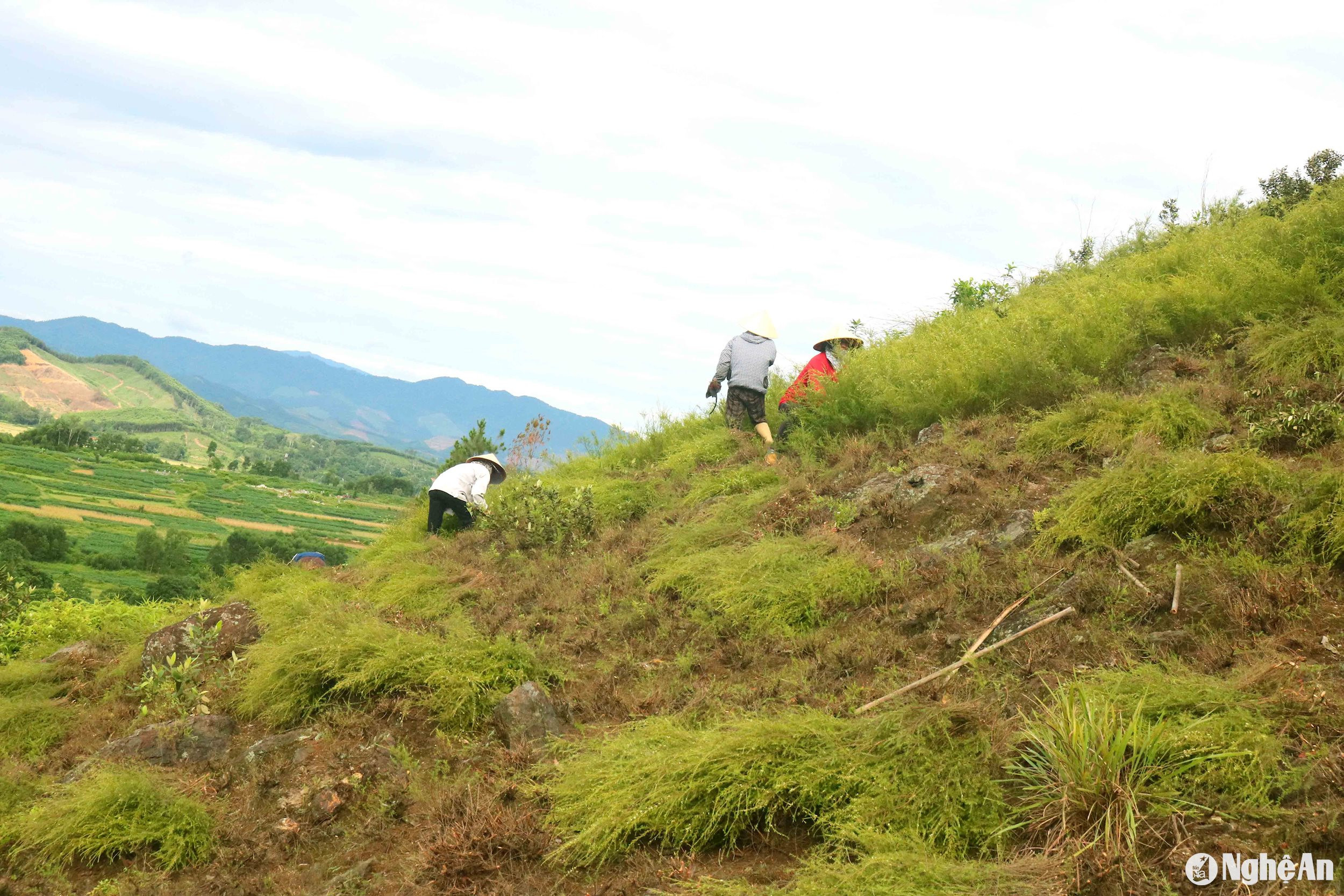
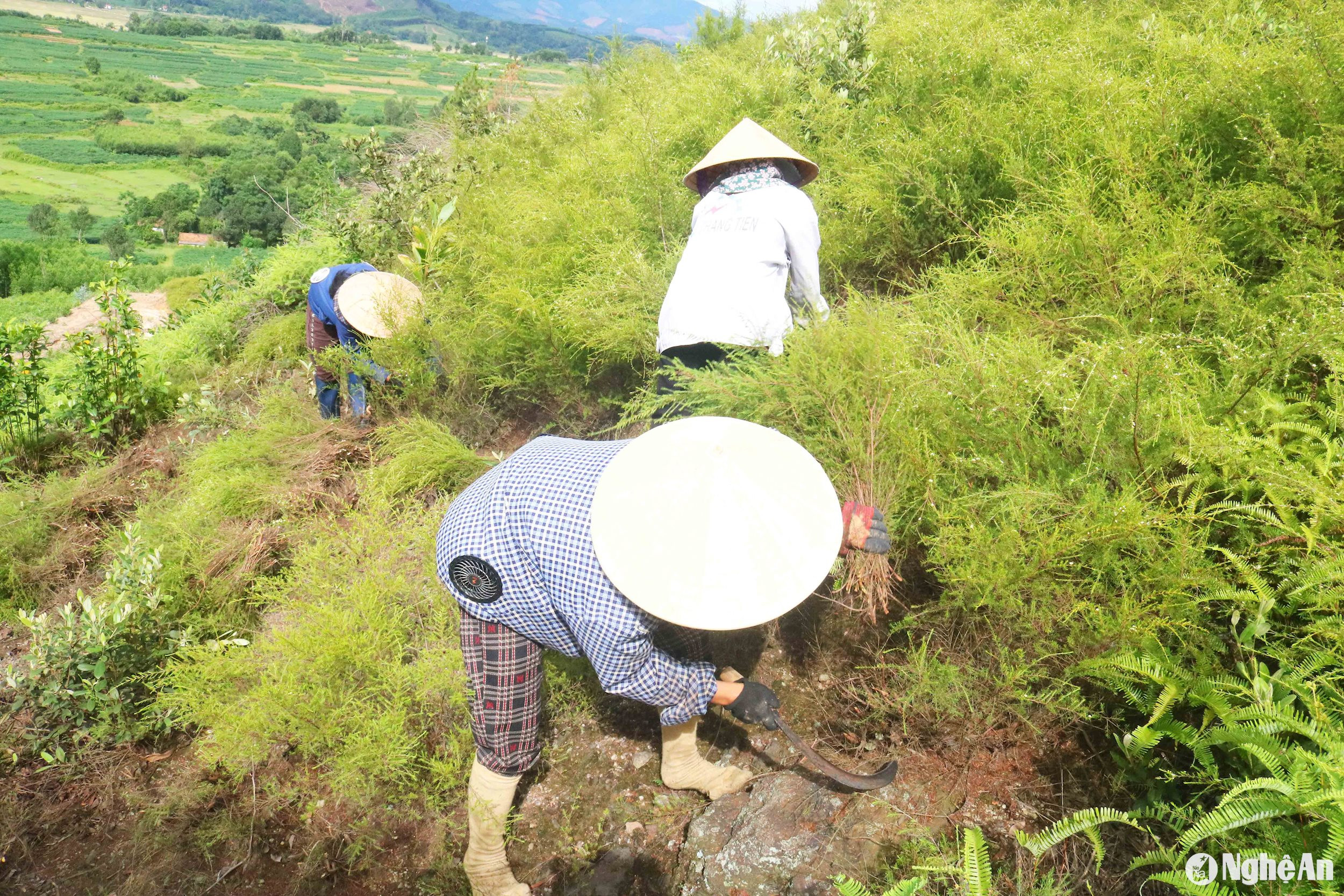
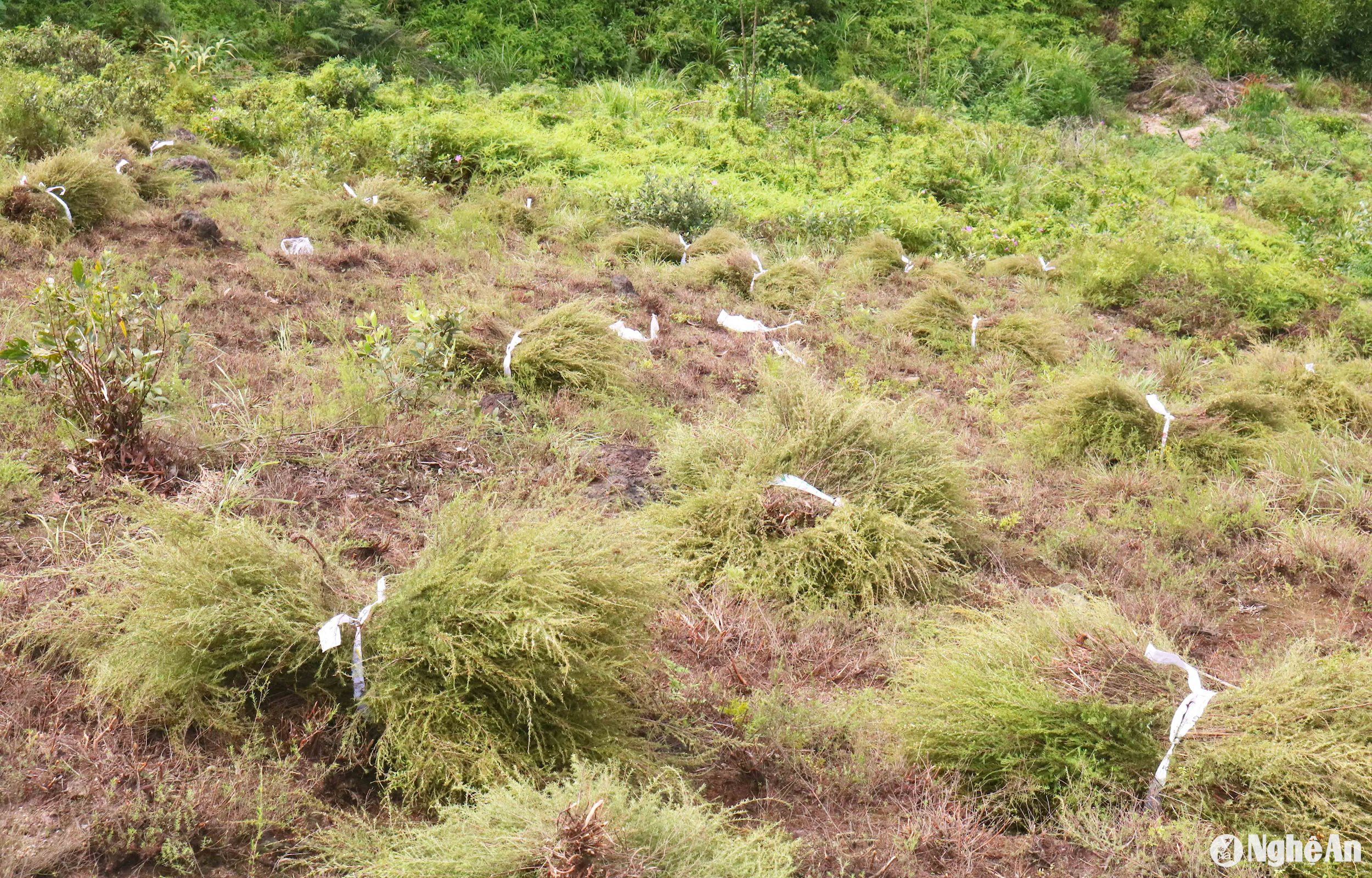
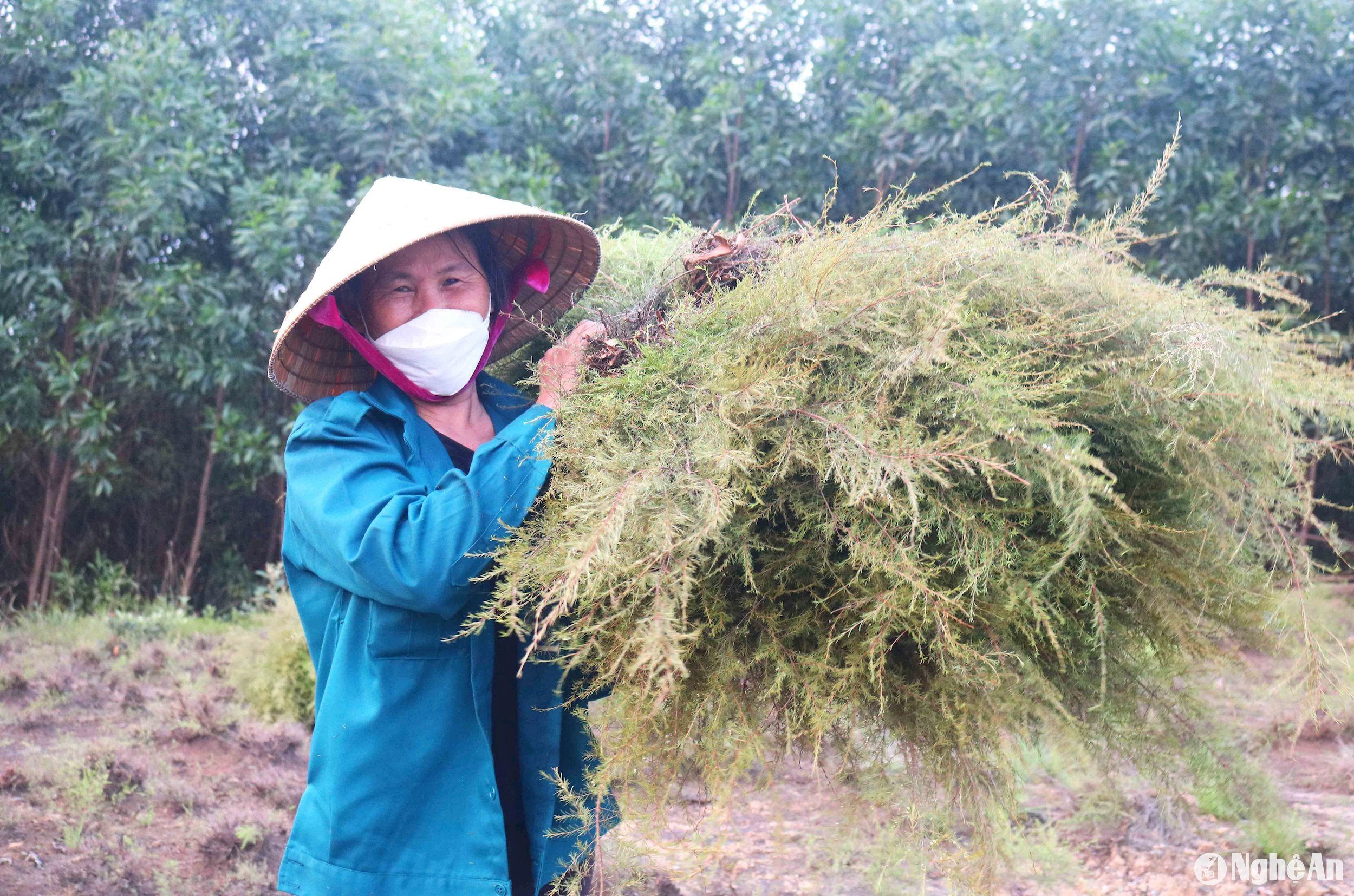
Over the years, the cultivation of rhododendron hills in Thanh Chuong, Nam Dan, etc., using specialized farming, intercropping (sim - rhododendron), and mixed farming methods has brought economic value to many farming households. In the photo: A rhododendron hill in Thanh Lam commune (Thanh Chuong). Photo: Huy ThuLocals in the province usually harvest the rambutan plant during the dry season (April to August) for easier drying. This year, with heavy rains in July, the harvesting of this plant seems to be taking longer. Ms. Nguyen Thi Bien from Thanh Xuan commune (Thanh Chuong district) said that, as of now, her purchasing group still has a large area of rambutan that they have bought from local people but have not yet harvested. Photo: Huy ThuCurrently, locals often sell the entire hillside of rambutan to traders, who then hire laborers to harvest it. Some families cut, dry, and clean the rambutan themselves before selling it to traders. Harvesting rambutan on gentle hills near roads is quite convenient. Conversely, on high hills far from roads, transportation is difficult and quite arduous. Ms. Bui Thi Thuy from Thanh Lam commune (Thanh Chuong district) shared: Starting in April, her group went to buy rambutan from various communes in the area, then hired laborers to harvest it for several months. Normally, they only hire 4-5 people to cut the plants each day. On days when they need a large quantity, they have to mobilize 15-17 laborers. Photo: Huy ThuPeople who go to cut down trees on sunny days usually wear long-sleeved shirts, gloves, and boots to avoid cuts to their hands and feet, especially if they step on sharp tree stumps, and also to protect themselves from bee stings. Photo: Huy ThuAfter harvesting, the rambutan can be dried on-site for 1-2 days before being transported home, or it can be brought home after harvesting and stored for drying. Farmers usually choose sunny days to dry the rambutan, and after drying, they still need to beat, rub, and bundle it. Mr. Phan Thai Xuan, one of the households with the largest rambutan cultivation area in Thanh Xuan commune (Thanh Chuong district), shared: "This year, rambutan prices have dropped sharply. Last year, my rambutan hill sold for 45 million VND, but this year it only sold for 21 million VND." (Photo: Huy Thu)According to local people, harvesting the rambutan in May or June during the hot, sunny months will weaken and burn the regenerating shoots, affecting the quality of the rambutan crop in the following season. Conversely, harvesting the plants in late spring or early summer, in August or September, will result in better-developed seedlings. Photo: Huy ThuDuring the harvest season, transportation services in the localities are bustling. Each trip by tractor carrying broomsticks from the mountains to people's homes earns buyers around 400,000 VND. Photo: Huy ThuMs. Nguyen Thi Lien, a farmer who has been cultivating rambutan for many years in Thuong Tan Loc commune (Nam Dan district), said: "Farmers who harvest themselves can cut rambutan in a rolling manner (cutting the entire plant, both large and small) or by pruning (only selecting the good plants to cut). My family chooses the pruning method, so we can harvest rambutan year-round. Each time we cut and dry it, we call a truck to pick it up. This year, rambutan prices have dropped sharply, and sales aren't as good as in previous years," Ms. Lien said. (Photo: Huy Thu)After bringing the plants home, people choose a sunny day to dry them. Once dried, they beat and rub them to remove excess flowers and leaves. The process of rubbing the plants clean also takes a considerable amount of time. Each worker involved in harvesting the plants is paid 250,000 VND per day. Photo: Huy ThuThe plant known as "rành rành" (a type of shrub) yields two main products: brooms (bundled together) and leaves and flowers packaged in bags. The current price of brooms is 11,000 VND/kg (down about 7,000-8,000 VND/kg compared to 2023). The price of "rành rành" leaves and flowers is 80,000 VND/bag (down 20,000 VND/bag compared to last year). Ms. Nguyen Thi Hai, a trader specializing in buying "rành rành" brooms in Xuan Tuong commune (Thanh Chuong district), shared: "Due to the increasing variety of brooms, and their import from various places like the South and Laos, the price of 'rành rành' brooms is falling." (Photo: Huy Thu)Harvesting the "rành rành" plant in Thanh Lâm commune (Thanh Chương district). Video: Huy Thư


.jpg)