

How to change power steering fluid
Low power steering fluid levels can affect the entire steering system, posing a safety hazard while driving, and therefore require regular inspection, top-up, or replacement.
Check the power steering fluid.
Locate the power steering fluid reservoir.
To check and replace power steering fluid, the driver first needs to locate the power steering fluid reservoir. Typically, power steering fluid is contained in a cylinder-shaped reservoir located next to the power steering cable. The reservoir is usually made of plastic or metal.
Check the oil level in the tank.
If the power steering fluid reservoir is made of translucent plastic, drivers can easily observe the remaining fluid level inside to determine the appropriate course of action. If the reservoir is made of metal or opaque plastic, drivers can use a dipstick to check the remaining fluid level. However, on all modern vehicles, the power steering fluid reservoir cap is equipped with a dipstick by the manufacturer.
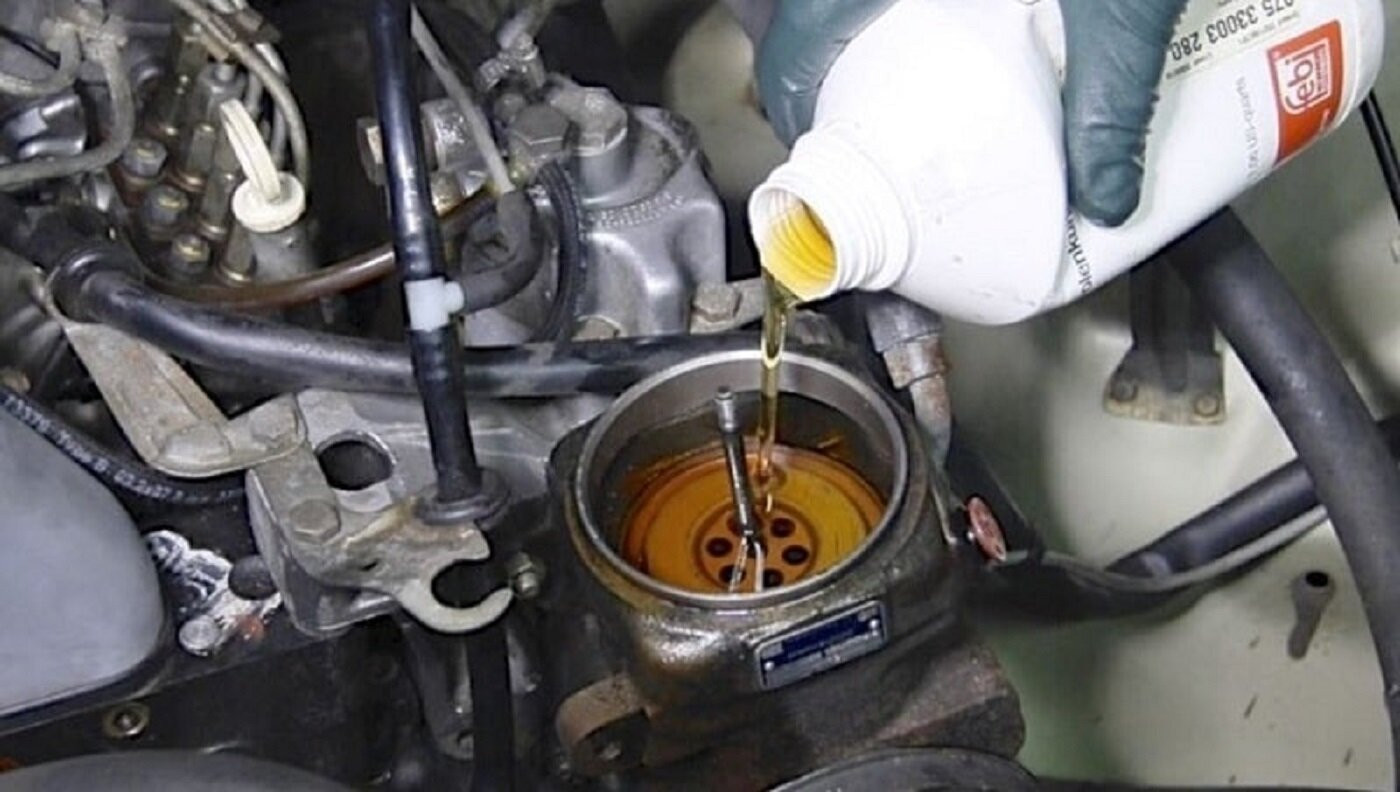
Before using the dipstick, the driver should thoroughly clean it with a rag to prevent contamination of the oil. Then, insert the dipstick into the reservoir and remove it to observe the oil level according to the marked maximum and minimum levels. If the power steering fluid level is at or below the minimum level, it means the vehicle is low on power steering fluid and needs to be topped up immediately.
Oil quality testing
Drivers should also regularly check the power steering fluid to determine if it is still usable. If the power steering fluid is orange or light pink, it is still good to use. If the fluid is brown or black, it indicates that the fluid is dirty and should not be used further; it needs to be replaced.
How to refill power steering fluid
Adding power steering fluid isn't too complicated, so drivers can easily do it themselves at home. Vehicle owners simply need to add power steering fluid to the reservoir up to the manufacturer's marked line.
Next, start the engine while stationary, turn the steering wheel back and forth to remove any air bubbles from the system, and inspect the vehicle. After the inspection is complete, turn off the engine and carefully close the fuel tank cap.
During the oil change and oil top-up process, care must be taken to prevent dust from falling into the oil reservoir, which could affect the oil quality.
Change the power steering fluid.
When power steering fluid is found to be of poor quality and unusable, the vehicle owner should replace the entire amount of power steering fluid.
Use a suction bottle.
The driver uses a siphon to drain all the old oil. Then, new oil is added, and the process is complete. When draining oil this way, the driver can only remove the oil from the siphon container, not all the oil in the power steering system. Therefore, a few additional steps are needed.
Specifically, after the first pumping, if some oil hasn't been completely removed, the driver should add a small amount of new oil to the reservoir, then start the engine and drive for about 15-20 minutes to allow the new oil to mix evenly with the old oil. After that, use the pump again to remove all the remaining oil. Only then should new oil be added, the vehicle run, and the remaining oil be pumped out again.
After each pumping session, the oil quality improves. Performing this 3-4 times should ensure complete removal of the old oil. For the final oil change, the driver should fill the reservoir with new oil and tightly close the cap. This power steering fluid replacement process, while time-consuming, eliminates the need to jack up the vehicle.
Change the oil manually.
This method is more complicated, but it can completely drain the old power steering fluid in a single go.
Specifically, use a car jack to lift the vehicle.
Remove the oil return hose from the tank, attach a replacement plastic tube, and raise the other end of the plastic tube to prevent oil from leaking out.
Place the oil return hose in a basin to catch the old oil that drains out.
Start the engine and turn the steering wheel a full turn from left to right and vice versa. This will help the power steering fluid flow down the return hose.
At the same time, pour new oil into the upper container. Pour continuously until the old oil flowing in the basin has a similar color to the new oil, then stop.
Turn off the engine, reattach the return hose, and remember to tighten the nuts securely.
Restart the engine and turn the steering wheel in a full circle from left to right and back again to expel all the air bubbles from the system.
Check the oil level in the reservoir; if it's not enough, add more oil to the required level. Then, close the oil reservoir cap and complete the oil change.
Although oil changes can be performed at home, to ensure quality and effectiveness, car owners should still choose to take their vehicles to a garage for inspection and maintenance by qualified technicians according to proper procedures.