In the hot August sun, many people in Nghe An who make a living digging wells still have steady work. The work is arduous and involves many risks; the income from well digging is often soaked in sweat and tears.
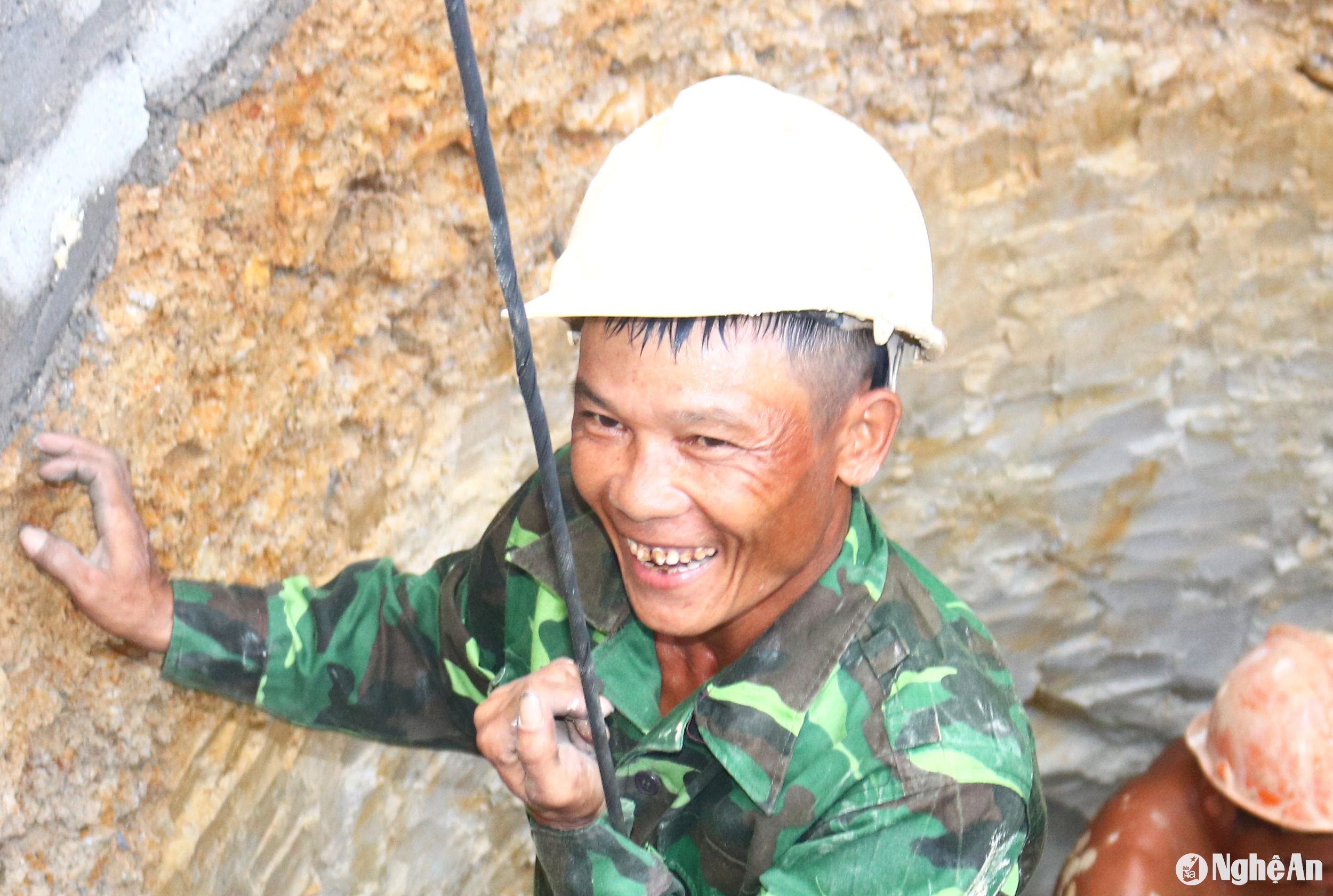
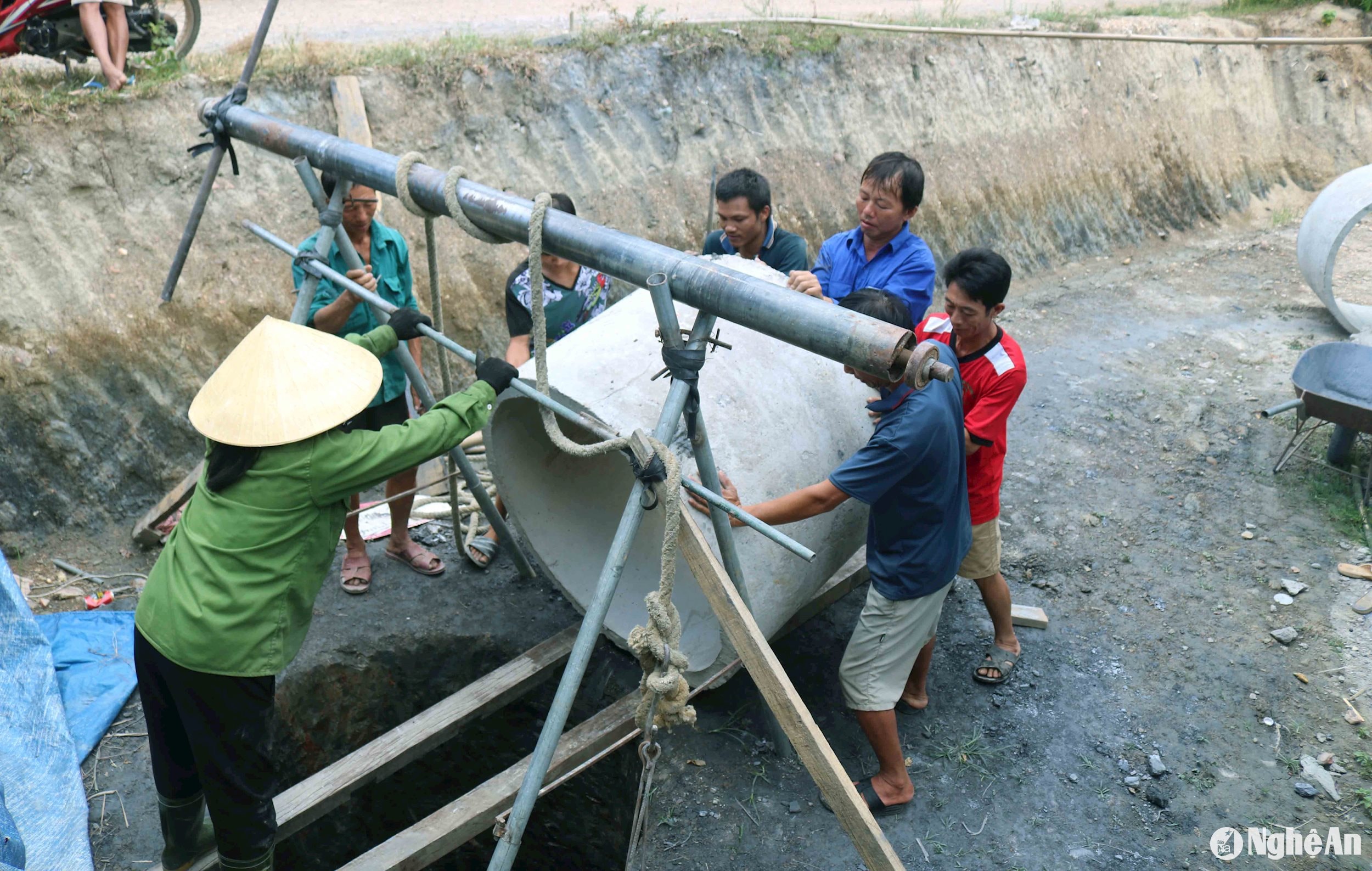
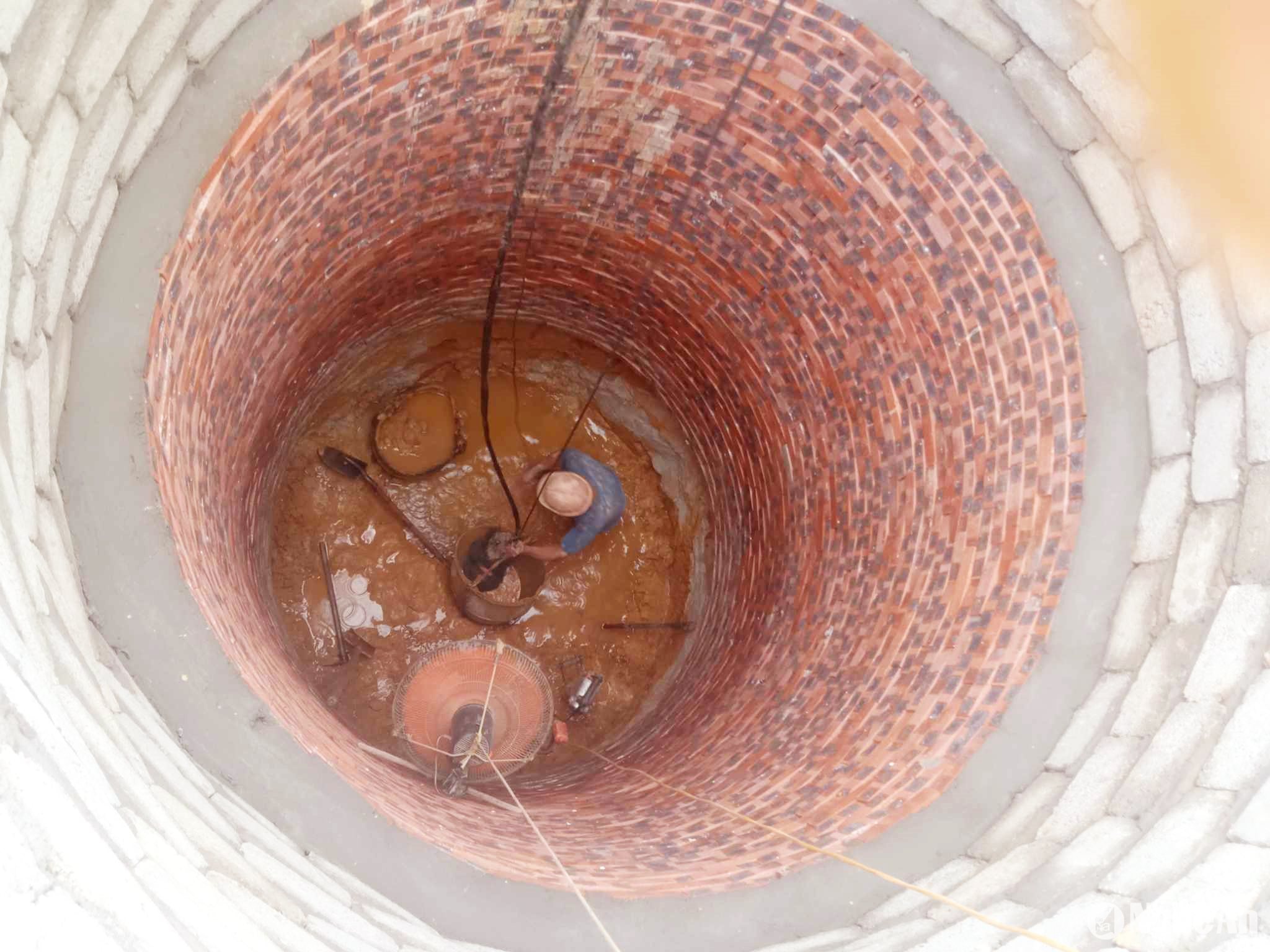
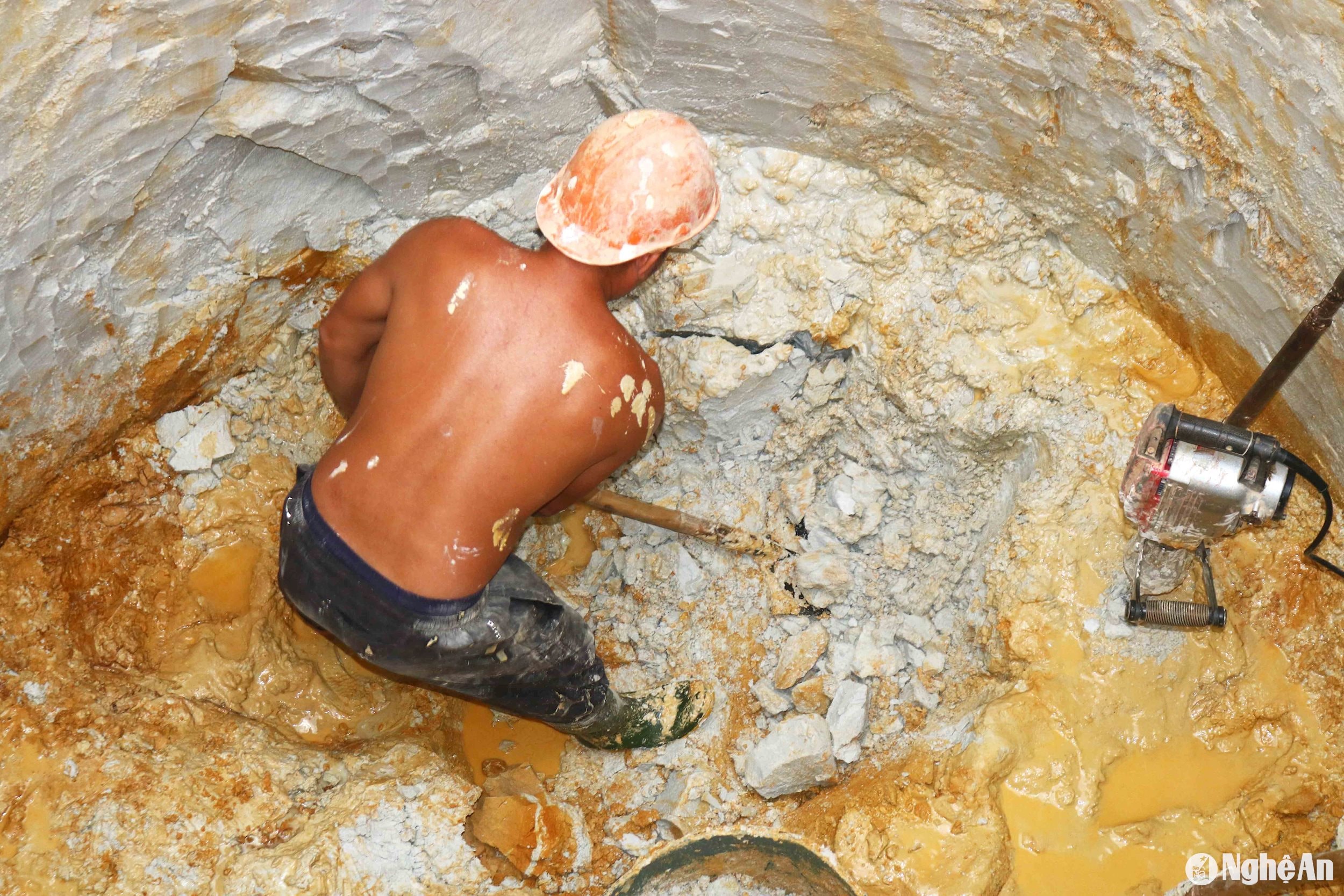
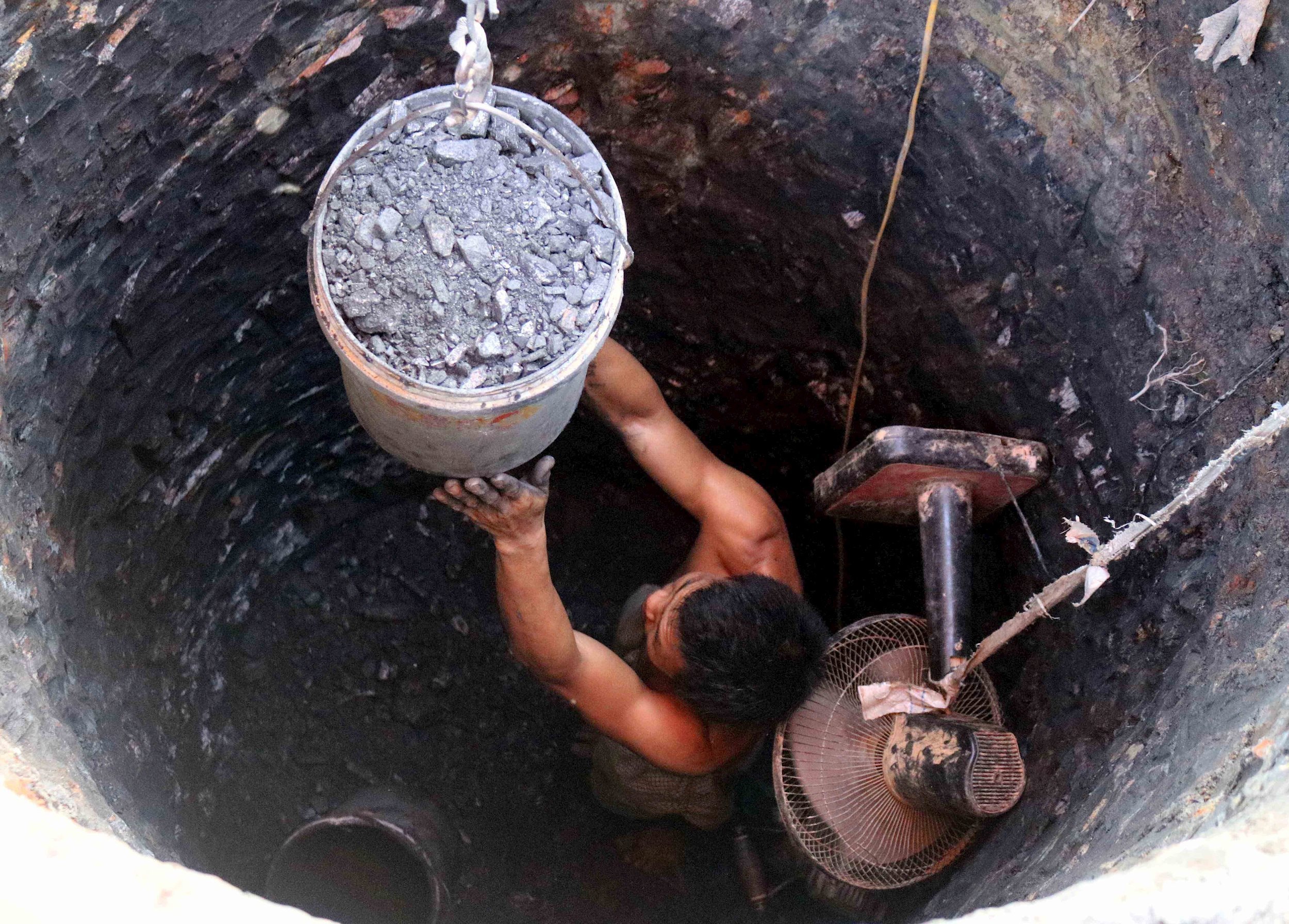
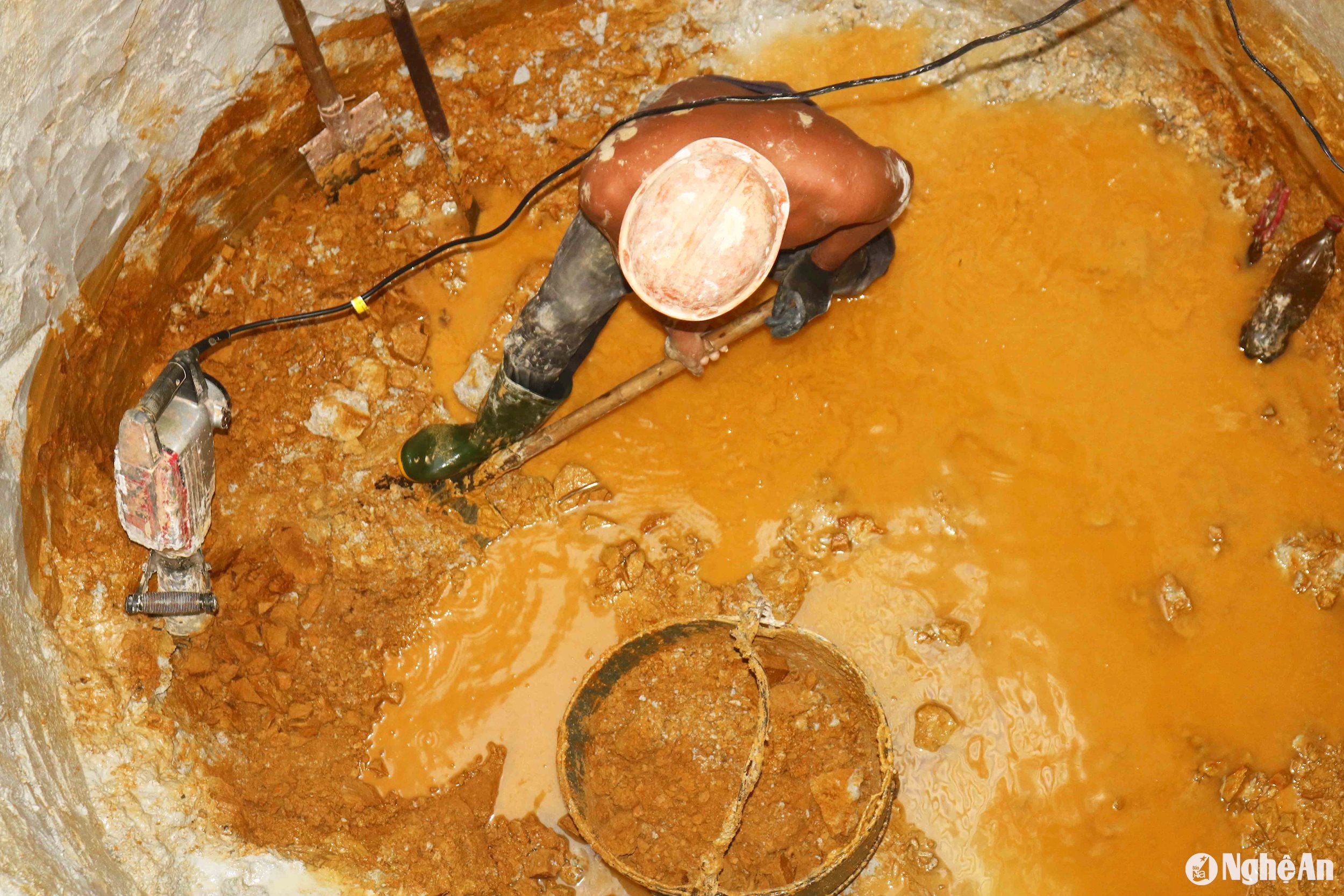
This year, the weather has been unfavorable for well-digging, with erratic rain and sunshine, especially in July when heavy and prolonged rains forced well-digging teams to frequently stop working. Some people in the profession have switched to other jobs such as cutting acacia trees or leveling house foundations. In August, with the sunny weather, those who remained in the profession had regular work. In the photo: A well-digging team in Do Luong is digging a well for a household in Thanh Tung commune (Thanh Chuong district). Photo: Huy ThuCurrently, the traditional well-digging profession doesn't have as many opportunities to thrive as before because people have access to many other water sources, especially facing competition from modern well-drilling using advanced drilling equipment. Photo: Huy ThuTraditionally, well diggers in the province worked in groups of at least three people (one digging, one shoveling, and one dumping the excavated soil). Although tools have improved, using earth drills, winches, and rotating shafts, well digging remains a strenuous and dangerous job. Nowadays, well-digging groups often use social media platforms like Facebook and Zalo to connect with people seeking well-digging work. (Photo: Huy Thư)Throughout the province, from the lowlands to the highlands, there are well-digging professionals. In Thinh Thanh commune (Yen Thanh district), there are 6 groups of well-digging workers with dozens of people. These groups usually operate within a specific area (one to several districts), while some reputable groups work throughout the province. Photo: Huy ThuAccording to the well-digging teams, the speed of digging depends on the geology, size, and depth of the well. The harder the soil and the smaller the well, the more difficult it is to dig. In mountainous areas with hard soil and lots of gravel and rocks, even with maximum effort, each team can only dig 1-2 meters a day, or even just half a meter in some cases. However, digging wells in mountainous areas with hard soil is quite safe; digging deep doesn't cause landslides. Digging wells in lowland areas with soft soil is easier, but landslides are more common, especially along rivers. Prolonged sunny weather is favorable for digging open wells. Digging wells during rainy weather or when encountering abundant water sources is quite difficult. Photo: Huy Thu To pursue a career in well digging, workers must possess well-digging skills, be proficient in using necessary tools, have good physical stamina, and be courageous and adventurous. In addition, they need quick reflexes to react to and handle situations while working inside or at the bottom of the well. (Photo: Huy Thu)Some well-digging teams have continuously innovated and improved their tools for well-digging. Well-digging workers in Do Luong have invented a hand-crank winch consisting of a vertical steel shaft and a winch arm extending into the well that can rotate around this shaft. When the motor is running, lifting the soil from the well and emptying it out is quite easy and less strenuous than the pulley system with a motor suspended horizontally above the well. Photo: Huy ThuWell diggers working at the bottom of wells face many dangers such as landslides, well collapses, and electric shocks. When a landslide or sinkhole is detected, the worker must quickly find a way to deal with it. Depending on the depth of the well, they must decide whether to continue digging, stop, install culverts, or reinforce the foundation with bricks. In recent times, during the process of digging and cleaning wells, some localities have experienced well collapses and landslides causing tragic accidents. Photo: Huy Thu Mr. Hoang Xuan Son (41 years old), a long-time well digger in Giang Son Dong commune (Do Luong district), said: His well-digging team operates year-round. Recently, after finishing one well in Tan Ky district, he had to go dig for a household in Thanh Tung commune (Thanh Chuong district) before he could even rest. In a few days, he will be digging for a family in Thuong Tan Loc commune (Nam Dan district). According to Mr. Son, his team has dug nearly 40 wells since the beginning of the year. In years with high demand, his team has dug 76 wells. "As long as we are dedicated, enthusiastic, and responsible, people will call us," Mr. Son said. (Photo: Huy Thu)Modern well-digging teams are not only skilled in digging wells but can also install pipes, build walls, assemble stones, and lay bricks... according to the well owner's requirements, to create complete wells that are safe and durable for long-term use. Photo: Huy ThuRecently, brick-lined wells have become popular in many localities. The cost of digging a well varies depending on the type of well, the location, and the group of workers: a 1.6m diameter earthen well costs 1 million VND/meter deep; a 1.8m well costs 1.3 million VND/meter deep; and a 2m well costs 1.5 million VND/meter deep. Brick-lined wells with a diameter of 2.2m cost 2.5 million VND/meter deep for both digging and lining... While the income from well digging may be higher than some other manual labor jobs, well diggers face numerous dangers. (Photo: Huy Thư)Digging a well in Thanh Tung commune (Thanh Chuong district). Video: Huy Thu


.jpg)
.jpg)
.jpg)
.jpg)
.jpg)