

Part 1: The urgent need to reorganize the vocational school network.
In recent years, the number of skilled workers in Nghe An has increased significantly. However, compared to the potential of the labor market and actual needs, it still falls short of requirements. The vocational school system, in general, has not fully utilized its functions and roles in training.

Thanh Nga - My HaAugust 26, 2024

Vocational education is one of the important tasks that Nghe An province has focused on for many years. With a vocational school system comprising 53 schools, Nghe An is considered a vocational education center in the region and holds a significant position nationwide, with 9 colleges, 12 secondary schools, 22 vocational education centers, and 10 other institutions involved in vocational training.
In fact, over the past period, vocational schools in Nghe An have made many efforts in recruiting and training students. The scale of enrollment and training at vocational education institutions in the province has increased, and the structure of training fields has been planned and developed to meet social needs. As a result, the number of students enrolling in vocational courses and high school graduates registering for vocational training has increased. In addition, due to effective communication efforts, people's awareness of vocational training has gradually changed, creating a foundation for vocational schools to have a more favorable enrollment situation.

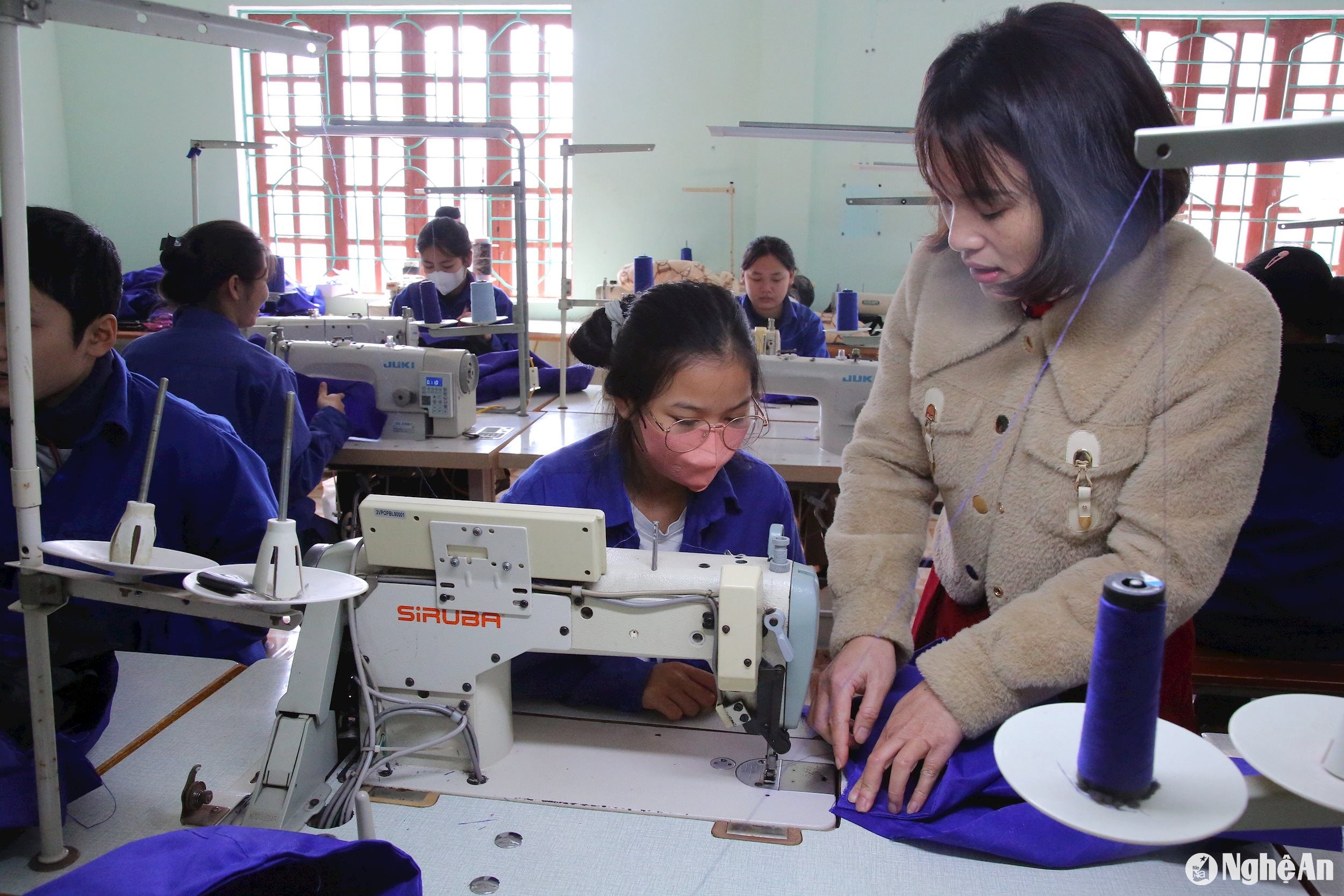
Yen Thanh Vocational School of Economics and Technology (Yen Thanh district) is one of the bright spots in vocational training in recent years. In particular, in the last few years, the school has almost consistently achieved over 90% of its enrollment targets, with nearly 300 students enrolled annually in the vocational training program alone. School leaders stated that this is a significant achievement, the result of the diligent efforts of the school's admissions officers in promoting and encouraging enrollment from families, parents, and students.
The fact that enrollment has basically met targets in recent years has helped Yen Thanh Economic and Technical College maintain stable operations, create regular jobs for its staff and teachers, and effectively manage personnel and policies.
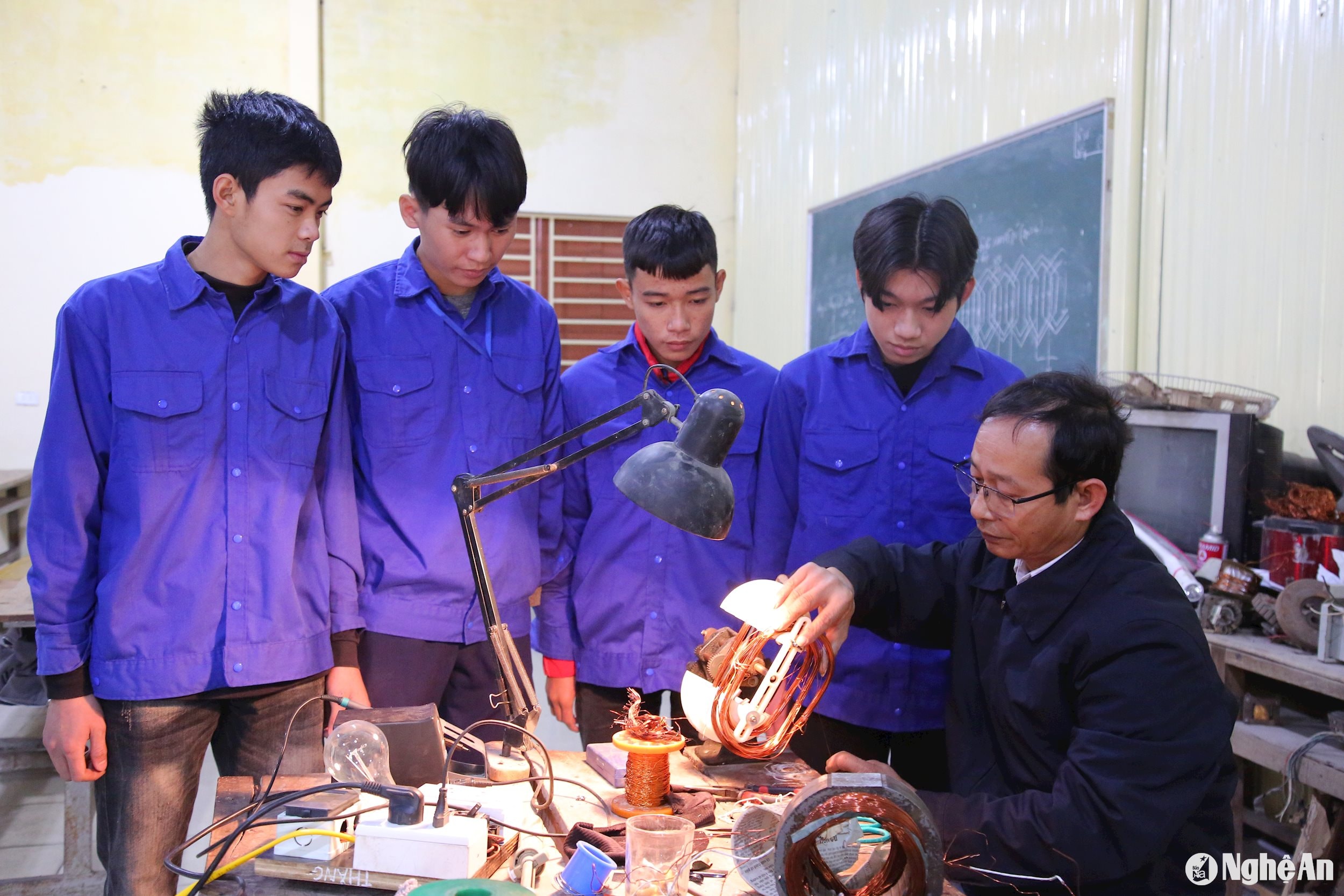
Sharing more about those results, Mr. Tran Trung Thuan - Vice Principal in charge of school administration, added: The school recognizes that student recruitment is crucial to the effectiveness of its operations. Therefore, in an area where the recruitment area is mainly limited to the district, if vocational training is not done well, people will find it difficult to trust and send their children to study here. Furthermore, we also consider job placement after training as a vital task in the school's development strategy.
Over the years, despite the difficulties caused by the pandemic, Yen Thanh Economic and Technical College has consistently sought to expand and strengthen cooperative relationships with businesses to provide employment for its students. To date, the school has established sustainable partnerships with many companies and businesses nationwide, including: LILAMA 18 Company; AMECC Construction Machinery Joint Stock Company; Nam Trieu Shipbuilding Company; MLB Japan Garment Company; An Hung Co., Ltd., etc. As a result, over 90% of graduating students have secured 100% of their job opportunities at various corporations.
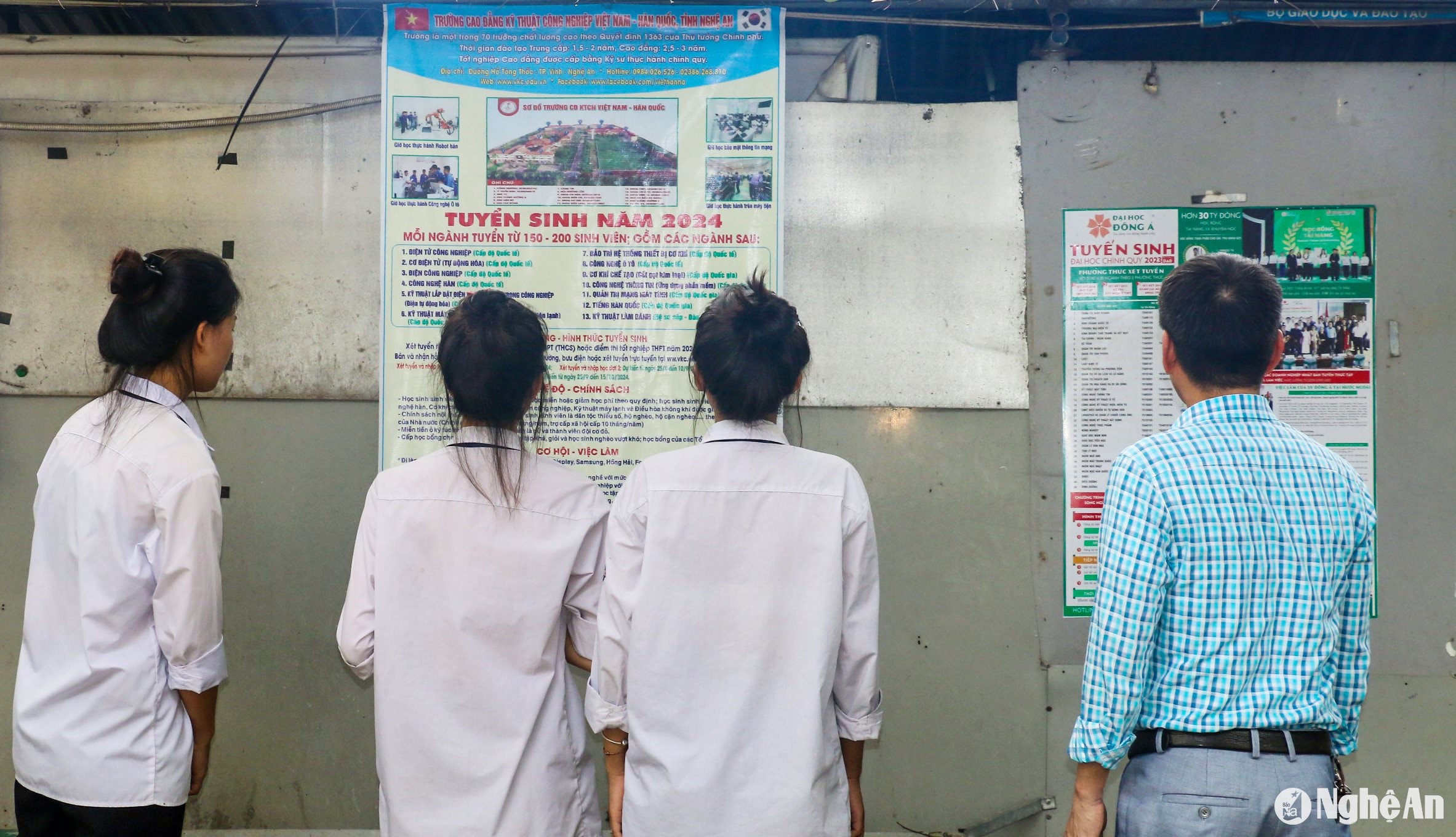
According to a report from the People's Committee of Nghe An province, over the past years, the Department of Education and Training, the Department of Labor, War Invalids and Social Affairs, the People's Committees of districts, cities, and towns, and educational and vocational training institutions have done a good job of advising, guiding, and directing students graduating from junior and senior high schools towards vocational training.
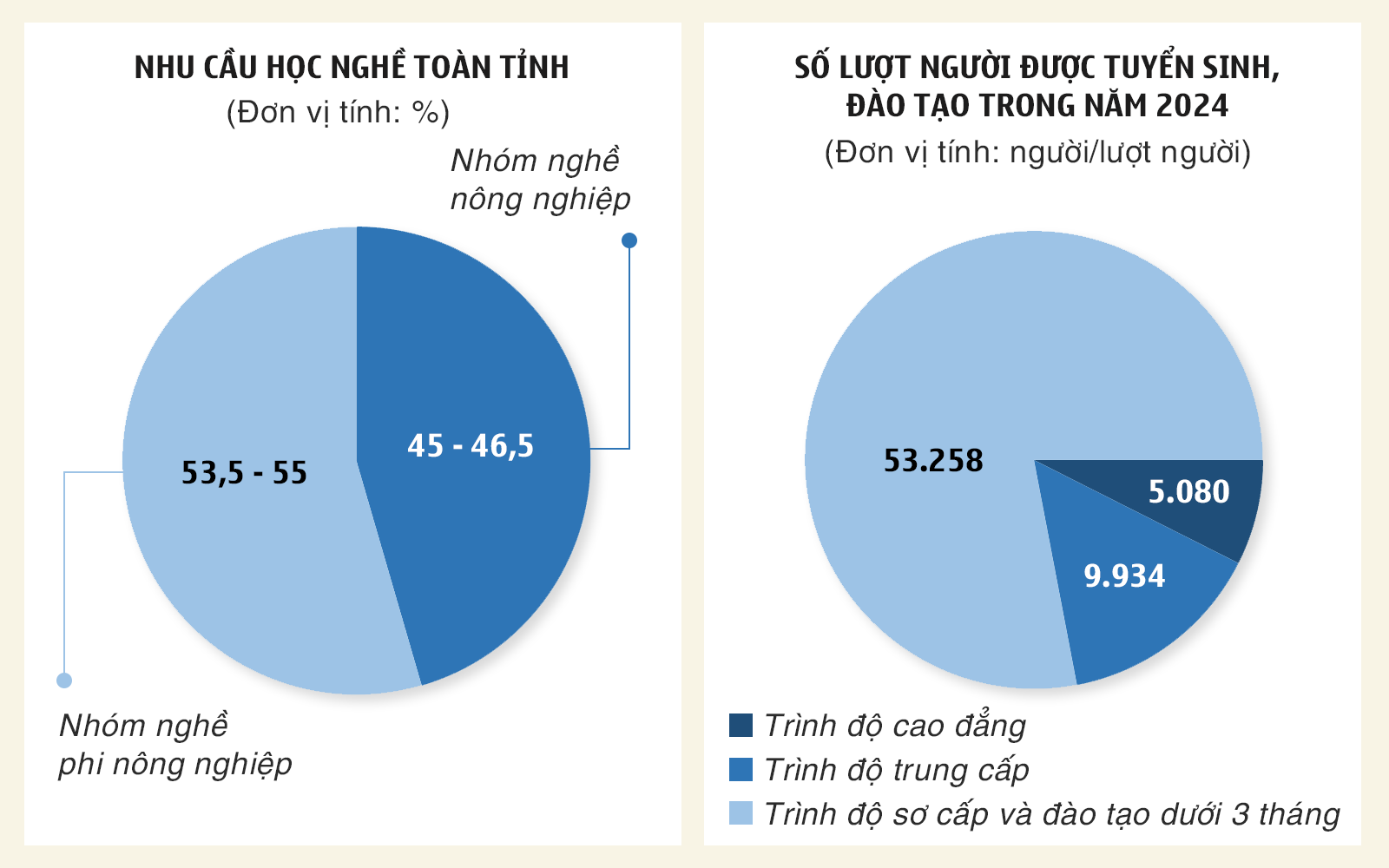
As a result, each year the province has approximately 82,000-85,000 people in need of vocational training at various levels, covering a total of 57 occupations. Specifically: Agricultural occupations account for 45-46.5% of the province's total demand, and non-agricultural occupations account for 53.5-55%. In 2023, educational institutions enrolled and trained 68,272 people, achieving 104.2% of the plan; including 5,080 people at the college level, 9,934 people at the intermediate level, and 53,258 people at the basic level and training courses under 3 months, contributing to raising the rate of trained labor to 69%, of which 28.6% have diplomas or certificates; the employment rate reached 80.7%.
According to the assessment of the Department of Labor, War Invalids and Social Affairs, the quality of vocational training in the province has gradually met the needs of the domestic and international labor markets, especially the needs of industrial parks, clusters, FDI enterprises, and for export. The capacity and quality of vocational training at vocational education institutions have been gradually improved.
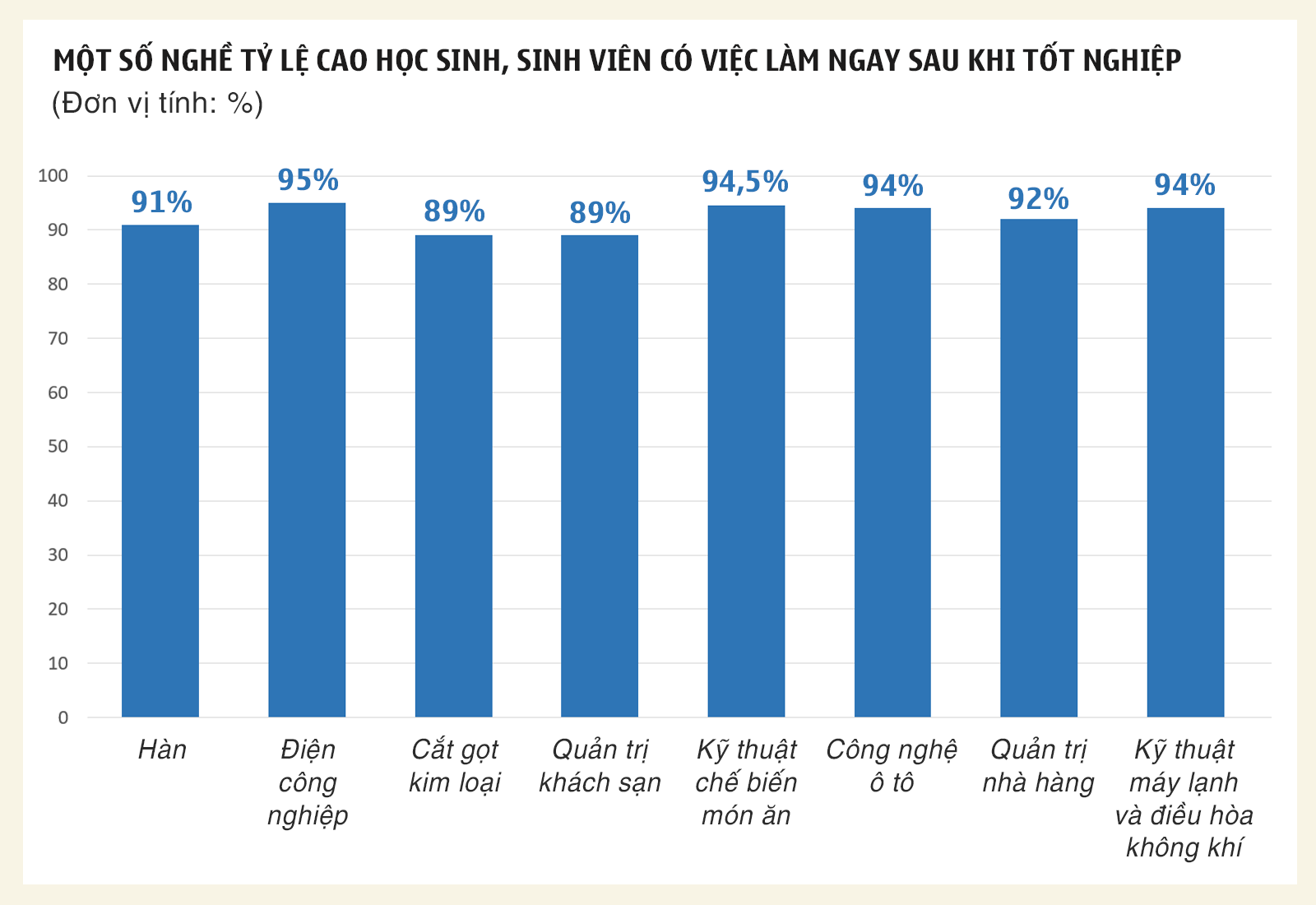
In particular, training institutions have focused on and promoted the signing of agreements with 167 businesses to develop training programs, and with 150 businesses to commission training and recruit workers. The employment rate for college and vocational school graduates is over 80%. Among these, some professions have a high percentage of graduates finding employment immediately after graduation, such as welding (91%), industrial electricity (95%), metal cutting (89%), hotel management (89%), culinary arts (94.5%), automotive technology (94%), restaurant management (92%), and refrigeration and air conditioning technology (94%). Currently, the average starting salary for college graduates is 8-10 million VND/month, for vocational school graduates 6.5-9 million VND/month, and some professions offer high incomes of 15-18 million VND/month such as welding, mechanics, electrical engineering, electronics, hotel management, automotive technology, etc.
According to data compiled by the schools, nearly 10% of graduates work in businesses within the province, and nearly 7% work in production and business establishments within the province. Over 30% work in businesses outside the province or abroad. The remaining approximately 50% are self-employed, continuing in their previous professions but with higher productivity and income.

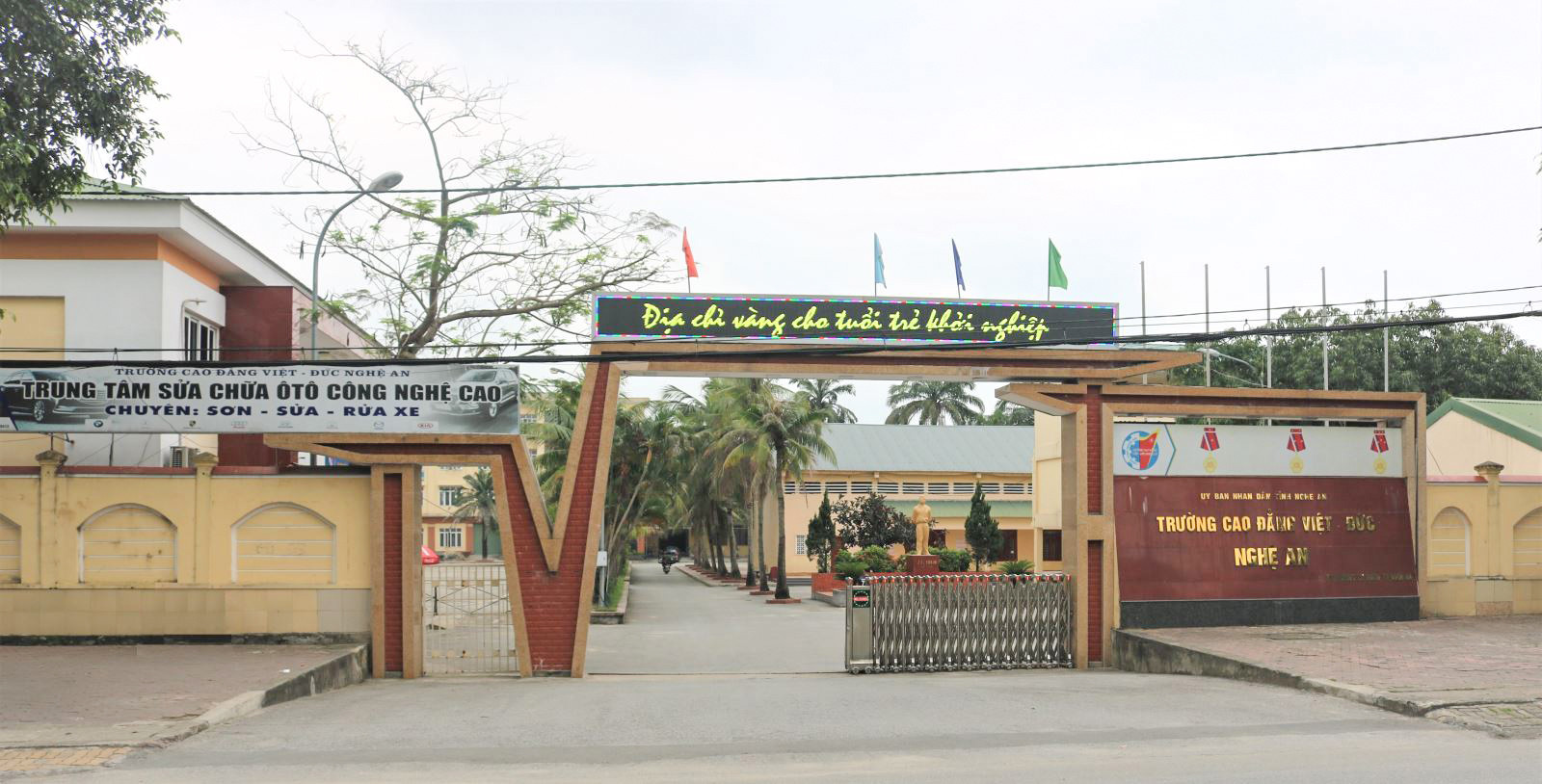
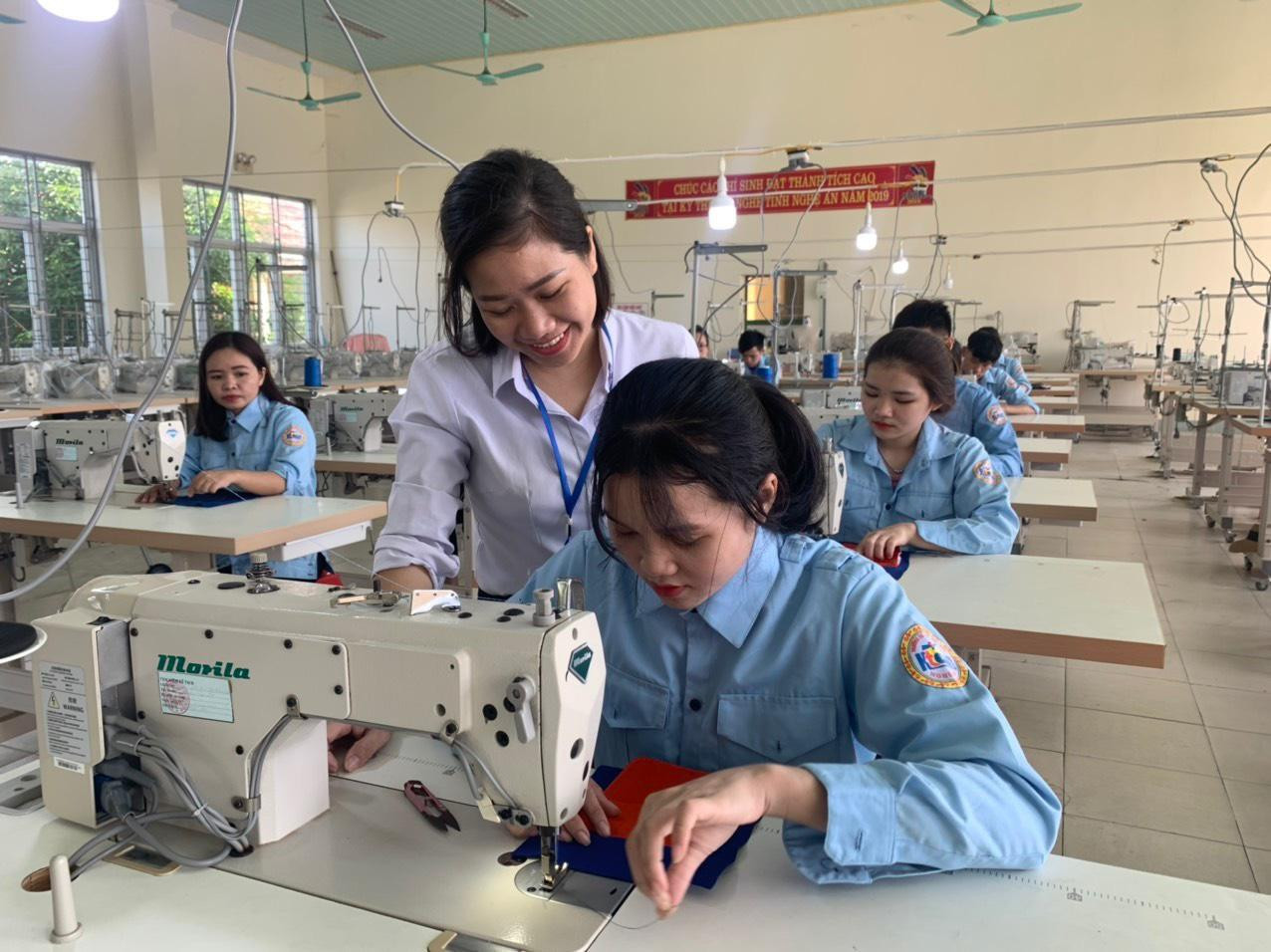
Among the 53 vocational education institutions in Nghe An province, a significant number offer fashion design and tailoring programs, even those previously focused solely on technical skills. The addition of this program is seen as a way to meet the labor demand in the province, as dozens of garment factories have opened in Nghe An in recent years, attracting a large number of local workers, especially women. For example, this year's enrollment season sees Viet Duc College (Vinh City) planning to increase its quota for fashion design and tailoring, a program that has only been offered for about three years and has attracted a considerable number of students.
However, the reality also shows that over the past two years, the garment export industry has faced many difficulties. At times, thousands of garment workers in the area lost their jobs, had their working hours reduced, and many businesses had to temporarily close. Training in this industry has also been significantly impacted.
Previously, during the period 2015-2020, Nghe An province merged 25 Vocational Training Centers and Continuing Education Centers into 12 Vocational Education and Continuing Education Centers; renamed and added vocational education functions to 7 Continuing Education Centers to become Vocational Education and Continuing Education Centers. The province also dissolved 1 public secondary school, 2 private centers, and transferred the state management function of vocational education for 1 college and 5 vocational secondary schools from the Department of Education and Training to the Department of Labor, War Invalids and Social Affairs.
Although the vocational education system has been gradually restructured and inefficient institutions dissolved to avoid overlap, objectively speaking, the network of vocational education institutions remains fragmented, with overlapping functions and responsibilities, and a high degree of similarity in training programs among schools. In recent years, fields such as welding, automotive technology, electrical engineering, electronics, domestic electrical engineering, refrigeration and air conditioning technology, and garment making have developed significantly, with almost all schools offering these programs. This overlap in training programs, to some extent, makes it difficult for schools to recruit students, especially those in lower-tier institutions. Without careful planning and forecasting of the future labor market, saturation of training programs is highly likely.
The report evaluating the five-year implementation of human resource training and development in Nghe An province from 2015 to 2020, and extending to 2022, by the Provincial People's Committee also clearly pointed out limitations and shortcomings in training. These include difficulties in vocational training enrollment; an inadequate structure of training levels (primarily short-term and basic training; college and intermediate level training accounts for only 18.27% of the total trained workforce). Furthermore, the network of vocational education institutions is scattered, with overlapping functions and tasks, and most have small enrollment capacities. The number, structure, and range of professions do not meet the demands of the labor market. Schools have not yet opened several new professions that are in high demand in the future, such as logistics, electromechanical operation, industrial equipment system maintenance, and integrated network engineering.

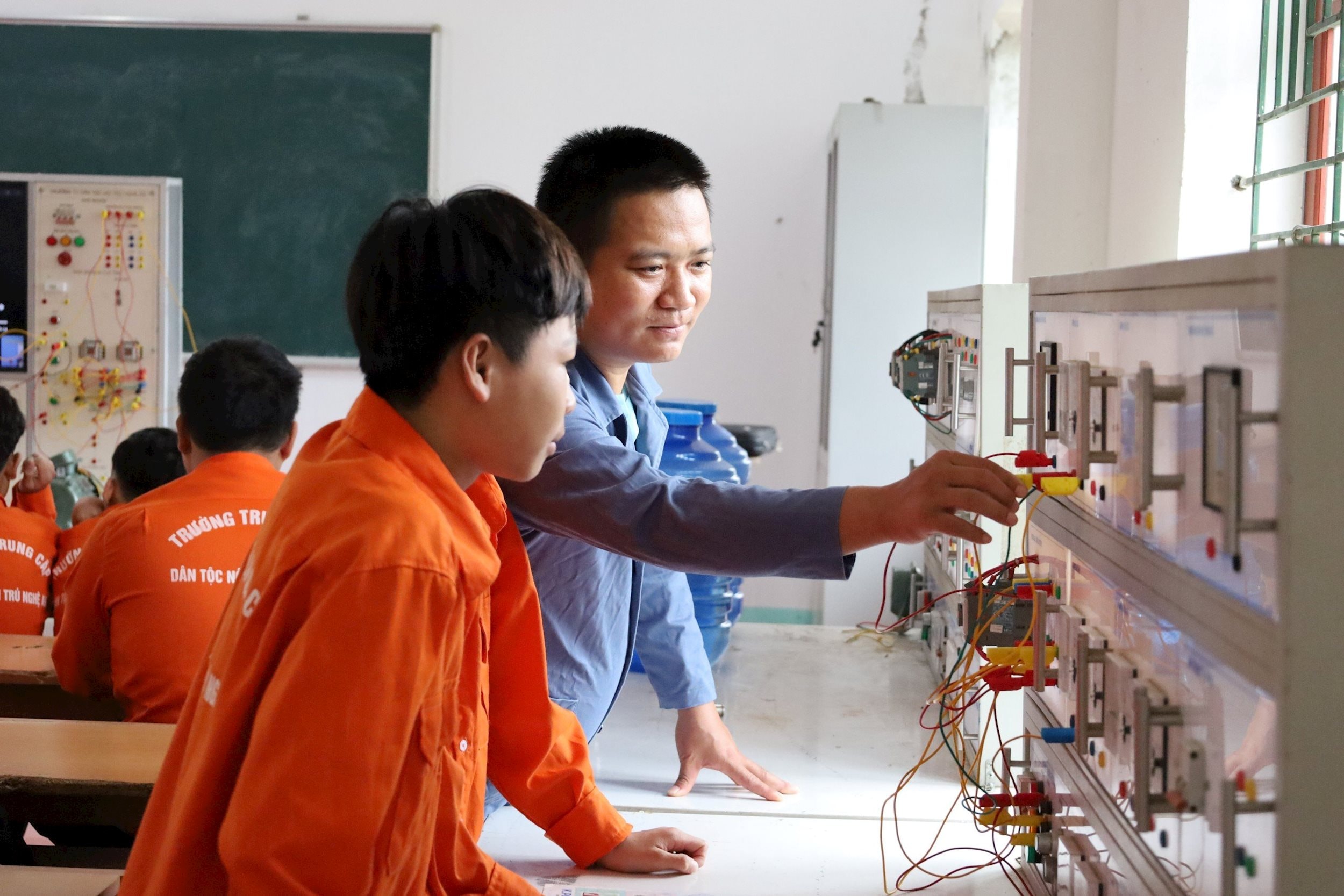
Meanwhile, the quality of training has not been modernized to keep up with trends. According to the monitoring report of the Provincial People's Council, currently in many vocational schools in the province, some training programs are not truly flexible, not diverse, and not updated with new technological trends. Teaching knowledge and skills regarding labor laws and policies, basic foreign language proficiency, industrial work ethics, etc., has not received adequate attention, resulting in graduates who are weak and lacking in skills. Training highly skilled workers to supply businesses and for labor export remains limited. Many businesses and industries need workers but face difficulties in recruitment, especially businesses investing in the area that need workers who know Chinese or Korean; and those in strenuous, hazardous, or specialized industries requiring high talent such as arts and sports.
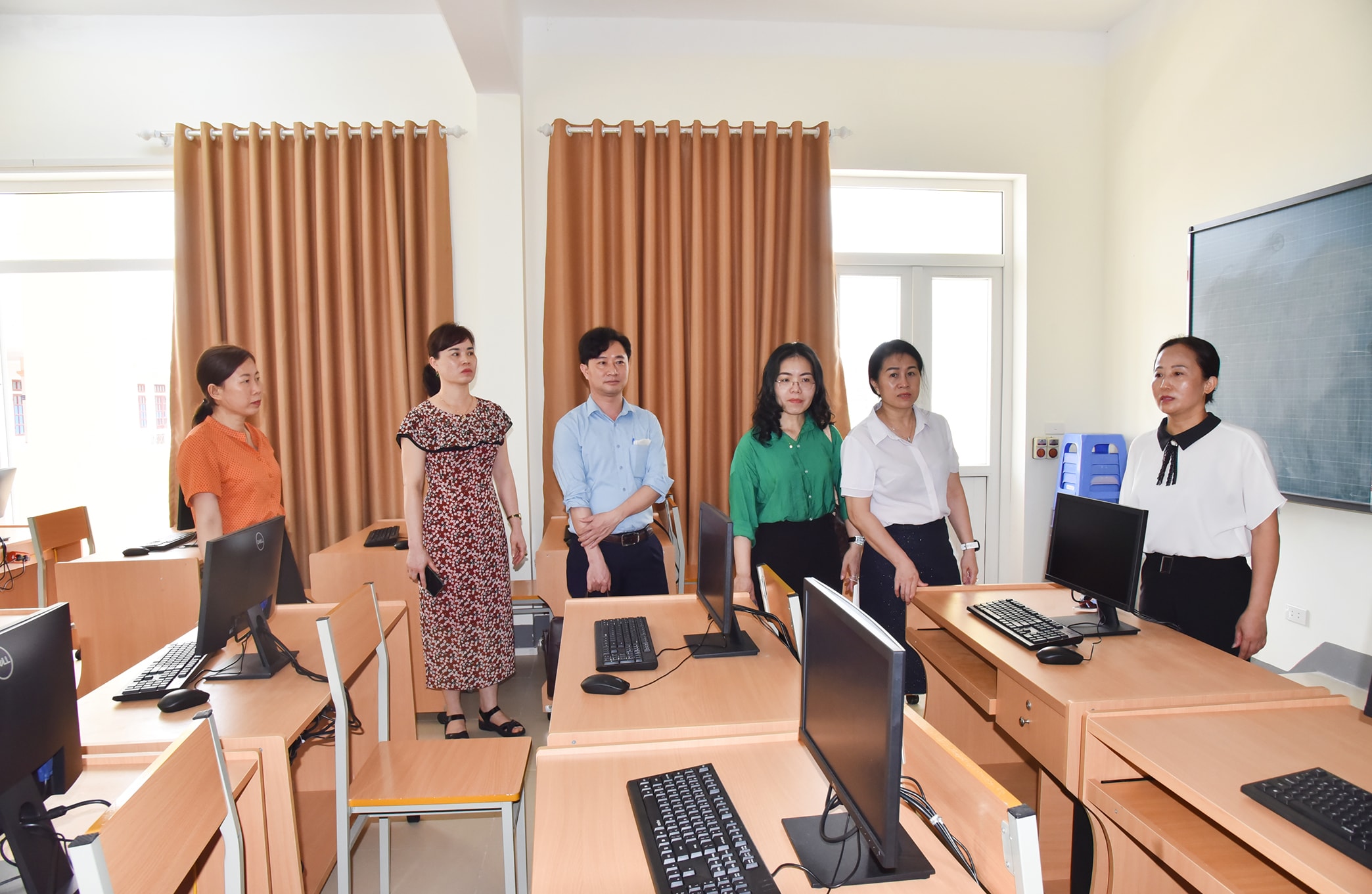
Given these shortcomings and inadequacies, restructuring the network of vocational schools is urgent for Nghe An province. The main task is to review operational capacity, dissolve and merge some vocational education institutions that operate inefficiently, do not meet the prescribed conditions, and are in line with the local situation. This also aims to implement Plan No. 111/KH-TU and Project No. 09/DA-TU on reorganizing the organizational structure, streamlining personnel, and restructuring the staff of officials and civil servants to improve the effectiveness and efficiency of the provincial political system...
Recently, the Prime Minister also issued Decision No. 73/QD-TTg on the Planning of the Network of Vocational Education Institutions for the period 2021-2030, with a vision to 2045. Accordingly, the goal is to reduce the number of public vocational education institutions nationwide by at least 20% by 2025 compared to 2020.
(To be continued)