

Final part: A central point of contact is needed to expedite the merger process.
As mentioned, merging vocational training institutions is inevitable in the current trend. However, the aftermath of the merger still presents many issues that need to be addressed, requiring vocational schools, as well as relevant departments and localities, to develop long-term mechanisms.

Thanh Nga - My HaAugust 26, 2024

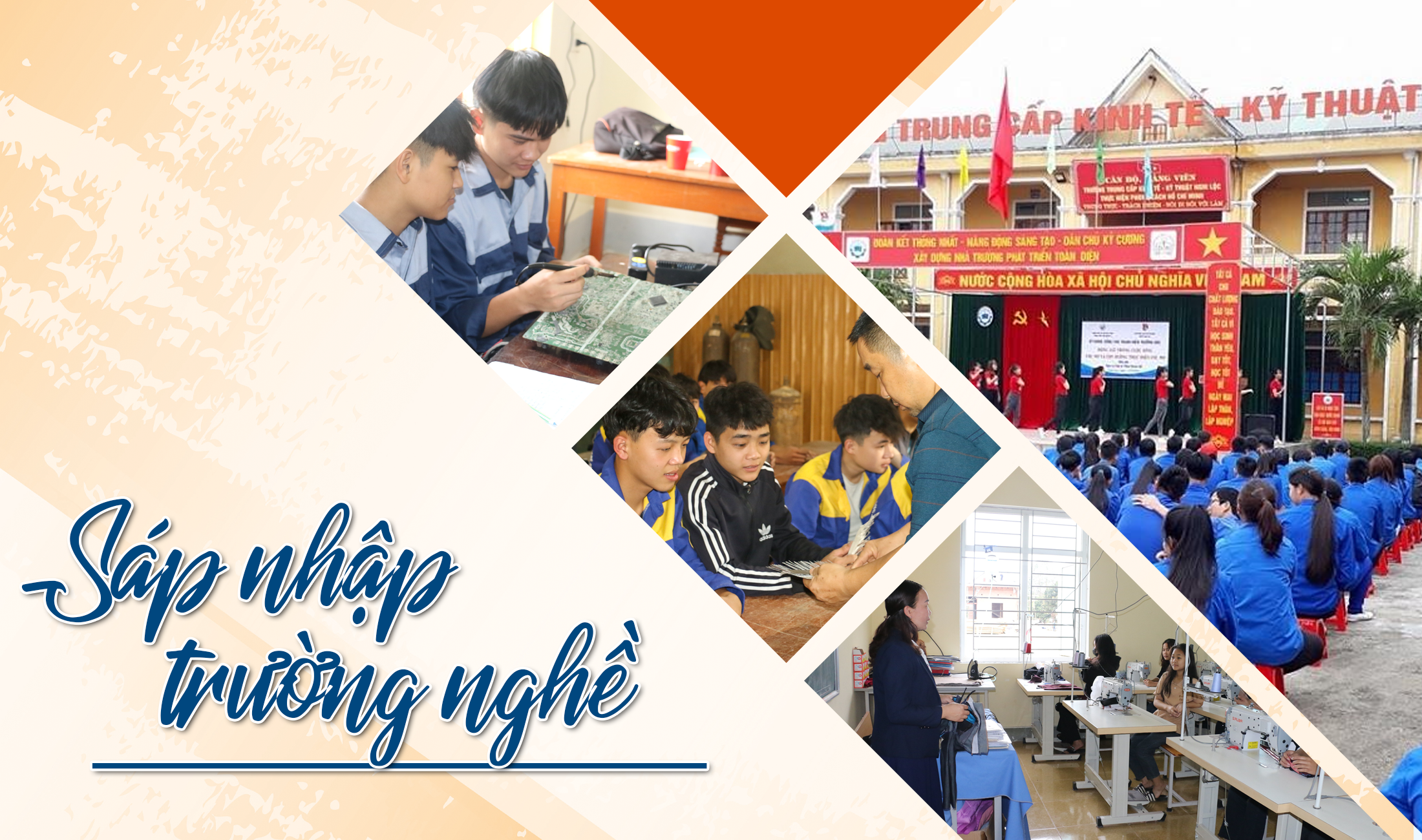
Nghi Loc District Economic and Technical College and Vinh City Economic and Technical College are two of many institutions that will merge during the 2021-2025 period. Since being included in the school network restructuring plan, the activities of these schools seem to have stalled.
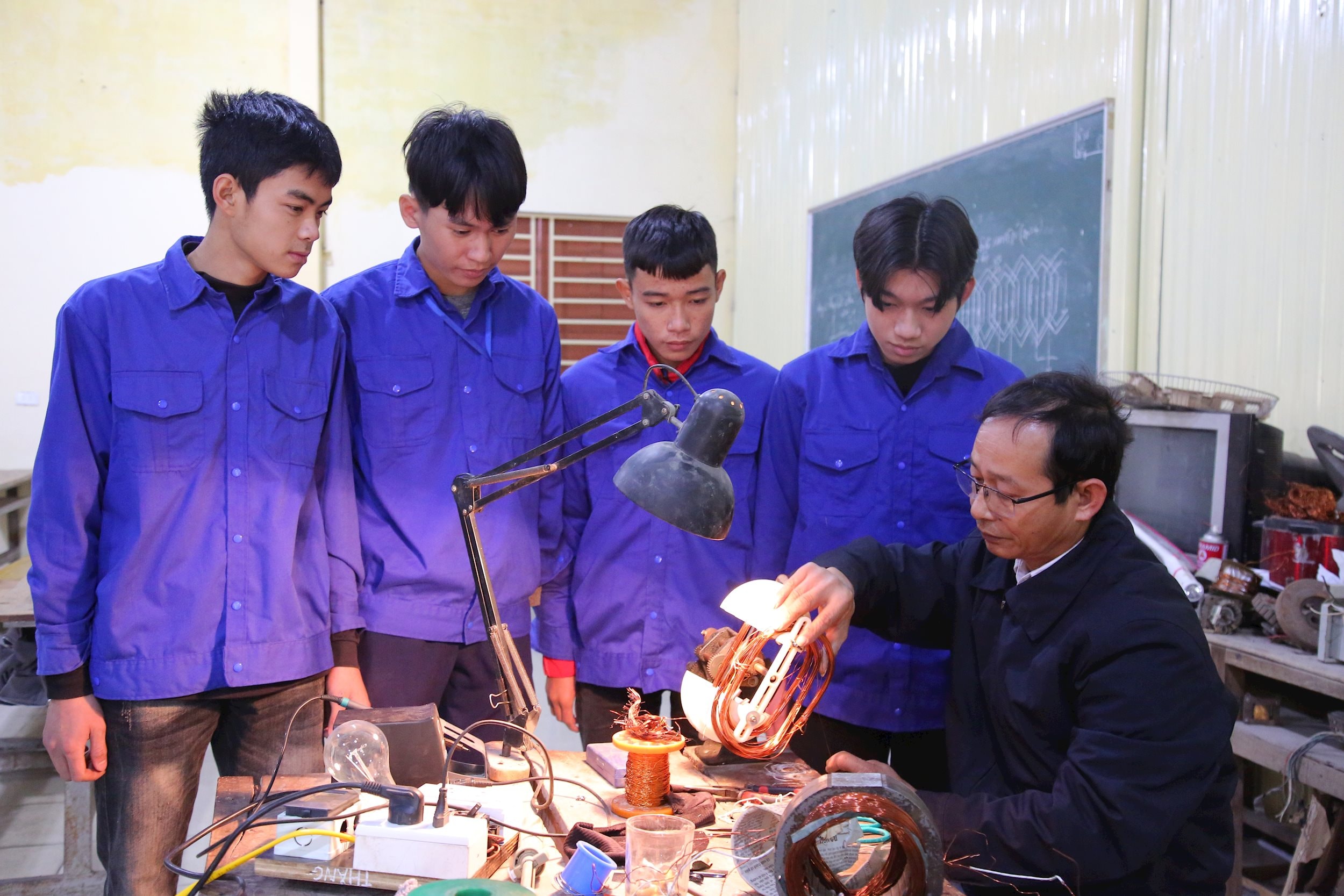
Regarding the merger plan, Mr. Nguyen Huy Luong, Vice Principal of Vinh City Economic and Technical College, stated: "The merger of our school with other vocational schools in the area is an inevitable reality. We have been short of teachers for many years, and our facilities haven't been invested in to match the scale of training. In particular, since the merger plan was announced, the school has found it very difficult to recruit students. I hope that after the merger, investment will be more focused, and the general education teachers from the merged institution will be directly responsible for teaching, rather than being contracted on a per-hour basis as is currently the case. Furthermore, for vocational fields where there is a shortage of teachers, the merger will provide a basis for proposing new contract teachers for vocational training."

Meanwhile, Mr. Tran Trung Thuan, Deputy Principal in charge of the Yen Thanh District Economic and Technical College, stated that merging vocational schools would create opportunities for development and solve difficult problems regarding facilities and teaching staff. The question is how to merge in a way that harmonizes the interests of both units while still ensuring the rights of the teachers and staff.
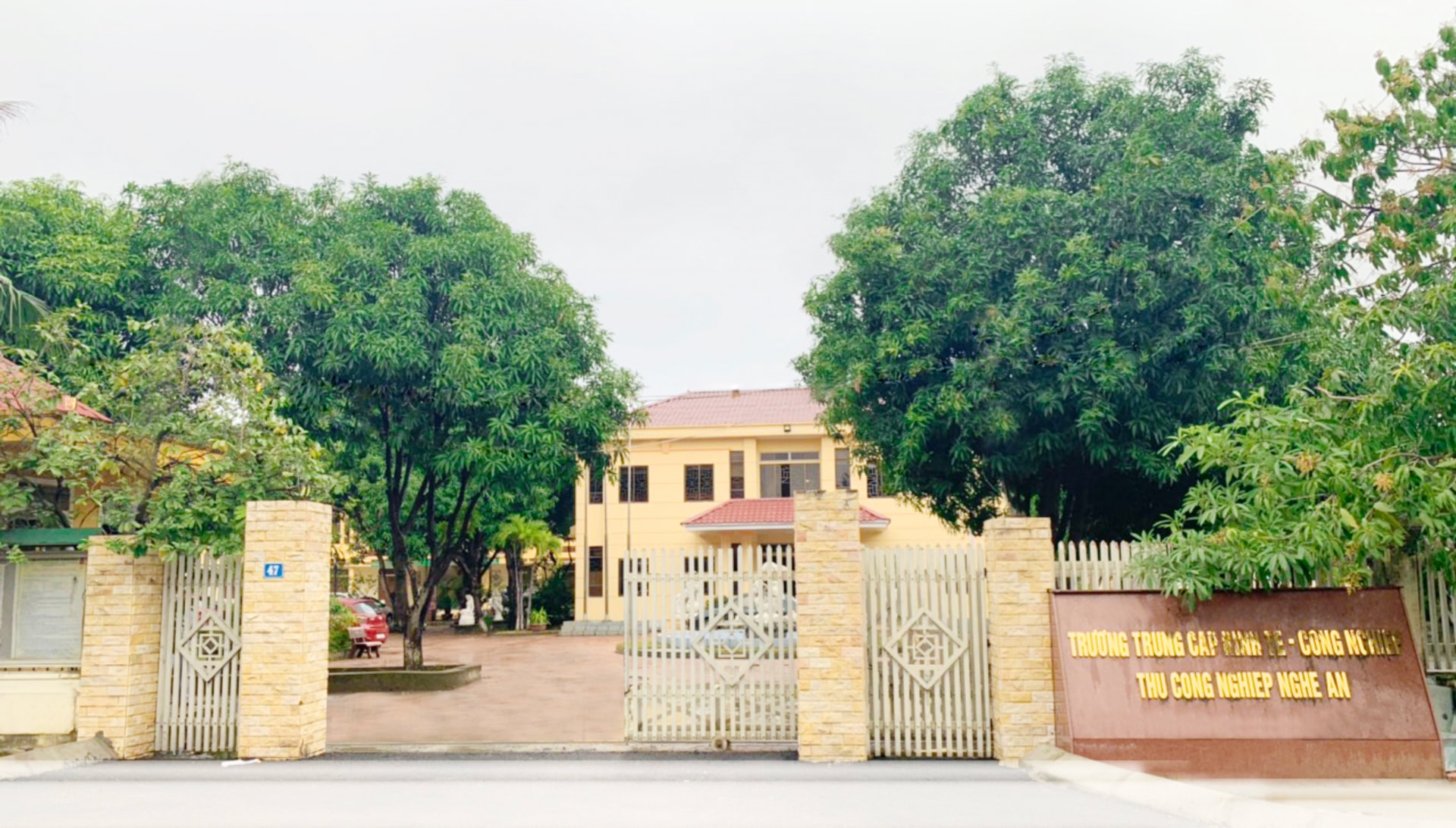
That is indeed the case, but the current merger process is facing many difficulties due to the lack of specific guidelines. Regarding the merger of Vinh City Economic and Technical College, on August 16, 2023, the Vinh City People's Committee issued Document No. 4415/UBND-NV to the Department of Labor, War Invalids and Social Affairs, proposing a plan to merge Vinh City Economic and Technical College with Nghe An Economic, Industrial and Handicraft College, under the management of the Department of Labor, War Invalids and Social Affairs, as both units have similar functions and tasks and are located within the city.
Although the document was issued a year ago, the merger has not yet been implemented. In response, the Department of Labor, War Invalids and Social Affairs suggested that the Vinh City People's Committee carefully study the option of merging the Vinh City Economic and Technical College with other colleges in the area, or establish a mechanism for its dissolution.
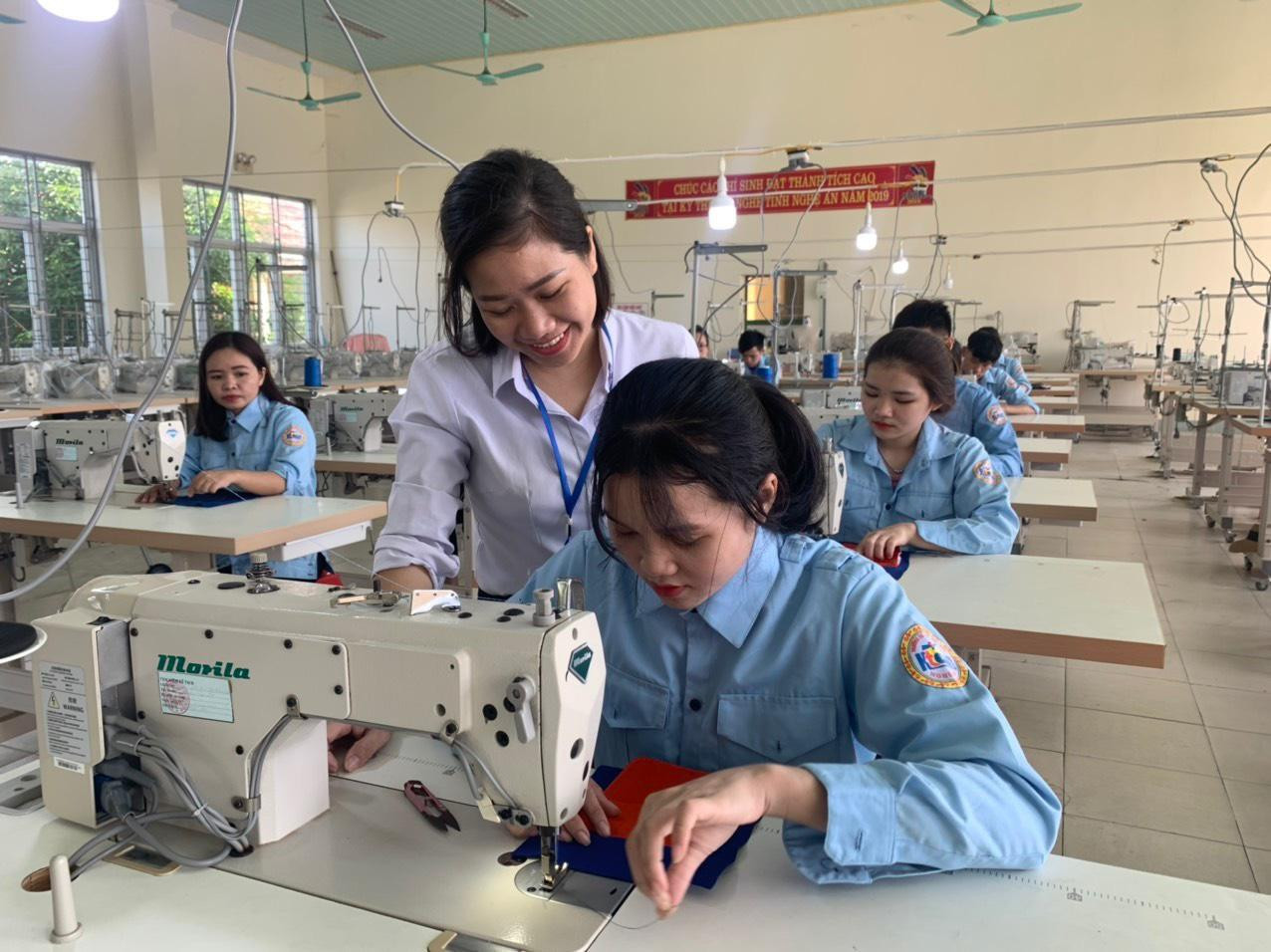
According to the explanation from the Department of Labor, War Invalids and Social Affairs, Resolution No. 19/NQ-TW dated October 25, 2017, of the 12th Central Committee on continuing to innovate the management and improve the operational efficiency of public non-business units, clearly states that for the field of vocational education: “Merge vocational secondary schools into colleges; dissolve ineffective vocational secondary and college schools.” Simultaneously, Decision 73/QD/TTg dated February 10, 2023, of the Prime Minister approving the planning of the network of vocational education institutions for the period 2021-2030, with a vision to 2045, also clearly states: “Review and merge vocational education centers and public vocational secondary schools into public colleges.” Based on these guidelines, it is clear that merging vocational schools with other vocational schools is inappropriate, and the Department of Labor, War Invalids and Social Affairs requests that Vinh City study current regulations and practical conditions to develop a plan that complies with the regulations.
Regarding this matter, a representative from the Department of Internal Affairs stated that the Nghe An Department of Internal Affairs had consulted with the Department of Labor, War Invalids and Social Affairs to obtain the most accurate advice on the merger of the Vinh City Economic and Technical College. However, the merger into a college or the dissolution of this college in accordance with Project 14 and Decision 73 still requires time.
Similarly, the Yen Thanh District Economic and Technical College has not yet been merged, despite the school's leadership's desire to do so to stabilize the organization. If a merger is not possible due to bureaucratic obstacles or regulations, then conditions should be created to allow the school to recruit staff and foster a sense of stability among teachers and employees.
Elaborating on this, Mr. Tran Trung Thuan, Vice Principal in charge of the Yen Thanh District Economic and Technical College, shared: "We wish to merge with a college in the province to improve operational efficiency and enhance the school's prestige. The current issue is which unit will take the lead in the merger, as our school is under the district's jurisdiction, while the college is under the provincial administration. Without a central coordinating body, the merger process will be prolonged and slow to implement."
Based on practical monitoring and understanding of the difficulties and obstacles in the implementation process, Mr. Chu Duc Thai - Head of the Culture and Social Affairs Committee of the Provincial People's Council - believes that merging vocational training institutions is necessary to improve the quality of vocational training and thus train a high-quality workforce. Therefore, the Department of Labor, War Invalids and Social Affairs needs to conduct a comprehensive review and assessment of the existing vocational education system to advise on rearranging vocational education institutions in accordance with the province's planning; select and prioritize investment support for high-quality vocational education institutions in key occupations; specialized schools and schools according to regions and areas to train vocational skills to meet social needs. It should also advise on incorporating the vocational education network plan into the province's overall plan, ensuring it is consistent with the new situation. Based on this, it should advise on building and operating a mechanism to regulate teachers and vocational training equipment throughout the province.,Meeting the vocational training requirements in line with the needs of the labor market.
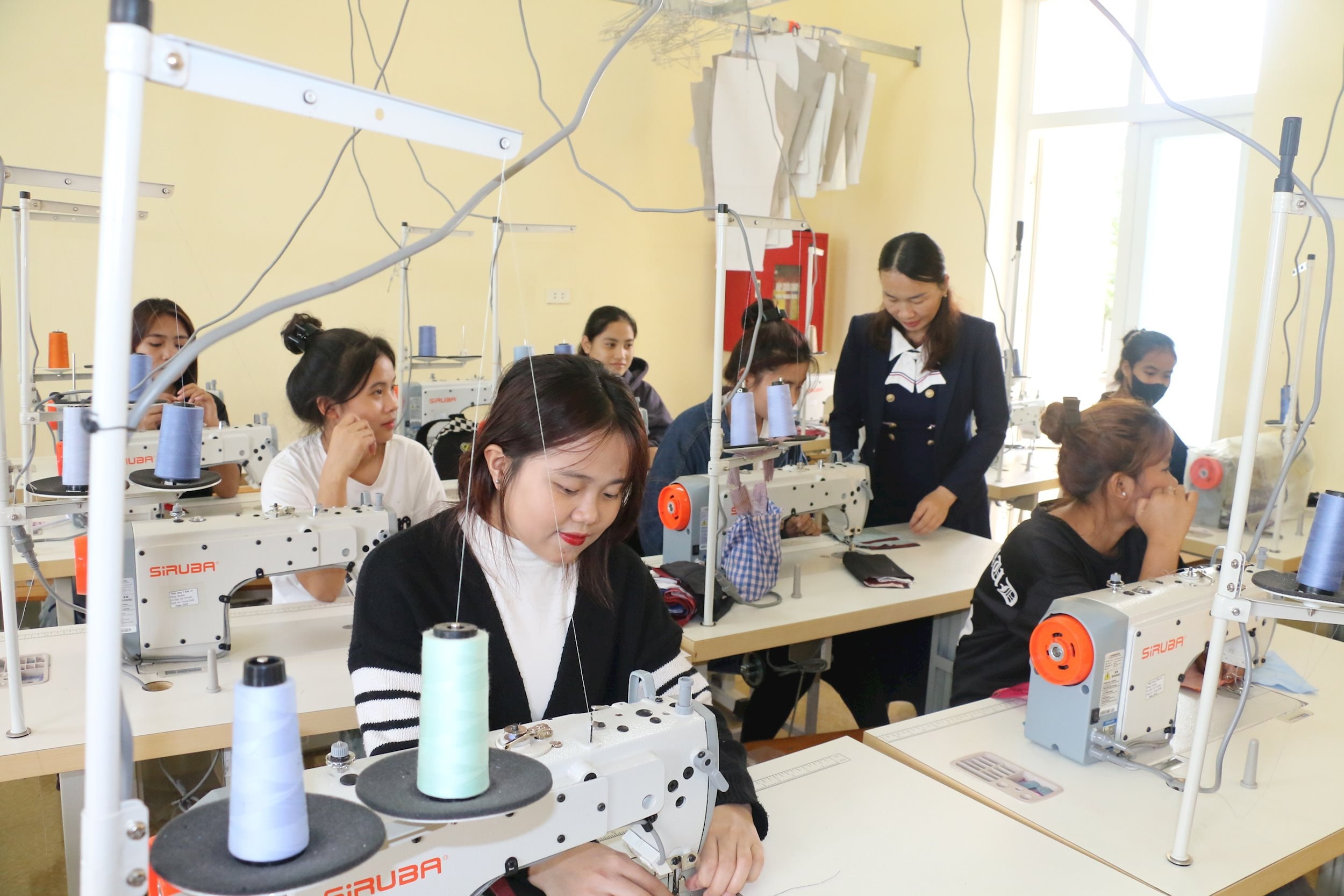
In addition, the province needs to accelerate the merger and dissolution of inefficient vocational education institutions according to Project No. 14-DA/TU dated January 25, 2022, of the Provincial Party Committee on training and developing skilled human resources in Nghe An province for the period 2021-2025, with a vision to 2030. The implementation of investment projects for building infrastructure and purchasing teaching equipment at vocational education institutions should be re-evaluated, thereby focusing investment on key areas, ensuring synchronization, and addressing regional and inter-regional issues to overcome fragmentation and dispersion.
Many people are concerned that without a pre-merger and post-merger strategy when planning vocational education institutions, how will surplus issues regarding land, facilities, staff, teachers, and students be resolved to avoid difficulties and ensure that mergers are merely mechanical rather than aimed at improving quality?
Regarding this, Mr. Bui Duc Tuan – Director of the Vocational Education and Continuing Education Center of Anh Son district – said: After the merger, because the number of students participating in post-streaming courses increased year by year, but the teaching staff was not allowed to recruit new teachers, and the school was also not allowed to recruit contract teachers, it was very difficult in teaching and learning. Currently, the school only requested a training quota of 2 vocational classes instead of 5 classes as before.

For vocational schools preparing for mergers, concerns about the teaching staff and issues related to recruitment and the use of facilities are becoming increasingly apparent. Mr. Nguyen Huy Luong, Vice Principal of Vinh City Economic and Technical College, believes that regardless of the merger method—whether into a college or an equivalent vocational school—stable arrangements for the teaching staff and appropriate investment are necessary. Regarding the current facilities, the school's management board suggests keeping them as they are for practical training to avoid waste.
Meanwhile, Mr. Luong Anh Tuan, Principal of Nghi Loc District Economic and Technical College, said: The school is currently expanding its infrastructure, including classrooms, a football field, and other facilities; if merged with a college in the neighboring area, this facility would still be a satellite and a quality training center, because in reality, Nghi Loc district's vocational training center has been attracting students from mountainous and surrounding areas for many decades.
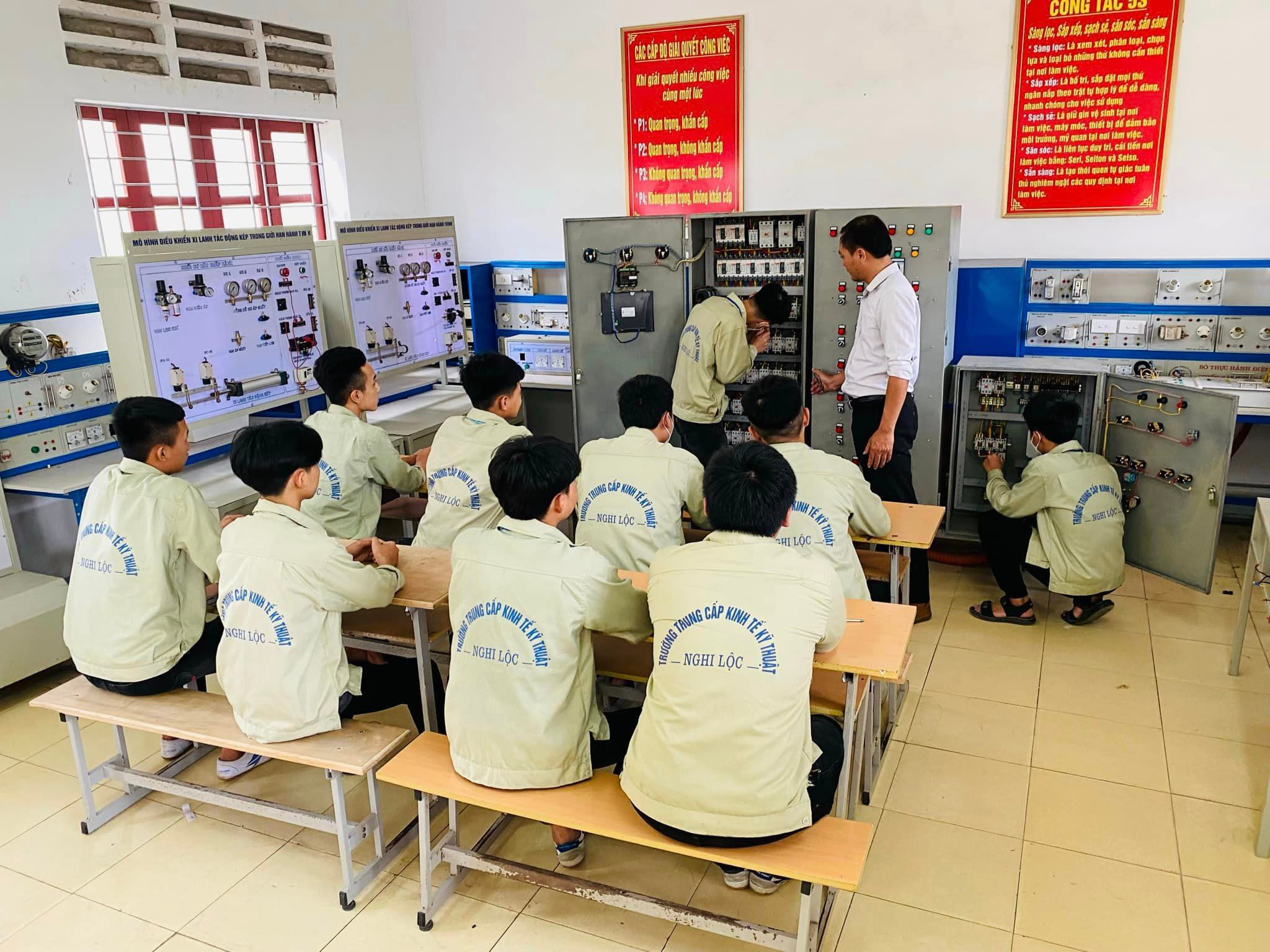
According to the Department of Internal Affairs, the management staff and teachers of the vocational school merged into the college will not be appointed or replaced if they reach retirement age; those remaining who have not yet reached retirement age will be transferred and reassigned from the vocational school to other educational institutions in the province. The Provincial People's Committee also proposed a plan to gradually reduce and eventually stop the enrollment scale of the vocational schools in the year of the merger...
It is clear that if the merger process is carried out quickly according to the roadmap of Project 14 DA/TU, the merged vocational schools will have several additional and developed training programs to meet the needs of learners and the requirements for training human resources to serve production, business, and services. Training equipment will also be increased, ensuring sufficient resources for implementing vocational practice activities.
.jpg)
Mr. Chu Duc Thai – Head of the Culture and Social Affairs Committee of the Provincial People's Council – further affirmed: Project No. 14 DA/TU dated January 25, 2022, of the Provincial Party Committee Standing Committee and Decision No. 73/QD-TTg dated February 10, 2023, of the Prime Minister approving the planning of the network of vocational education institutions for the period 2021-2030, with a vision to 2045, which stipulates that by 2025, at least 20% of public vocational education institutions will be reduced compared to 2020, is a positive sign showing that we are focusing on "quality" in the planning of the network of vocational education institutions nationwide.