

Summer-autumn rice yields in Nghe An are at their highest level ever.
To date, Nghe An province has harvested over 23,000 hectares of summer-autumn rice. Not only has the cultivated area exceeded the target by nearly 2,200 hectares, but this is also a record-breaking rice yield, the highest ever.
Productivity reached a "record"
This year's summer-autumn rice crop in Khanh Thanh commune (Yen Thanh district) yielded up to 64 quintals per sao (approximately 1000 square meters), with many fields reaching 3.5-4 quintals per sao. According to commune leaders, this is not yet a record yield; in 2022, the average summer-autumn rice yield in Khanh Thanh commune reached 65 quintals per hectare. The soil is fertile, the farmers practice intensive farming, and strictly adhere to production processes and pest control. Notably, 95% of the area uses the high-yielding Khang Dan mutant rice variety. Only in years when the rice flowering is affected by intense heat or prolonged rain preventing pollination is it impacted. This year, the first crop flowering experienced minimal heat, and the second crop flowering between July 17th and 22nd benefited from very favorable weather conditions. The combination of these factors has made Khanh Thanh commune one of the communes with the highest summer-autumn rice yields in the province.
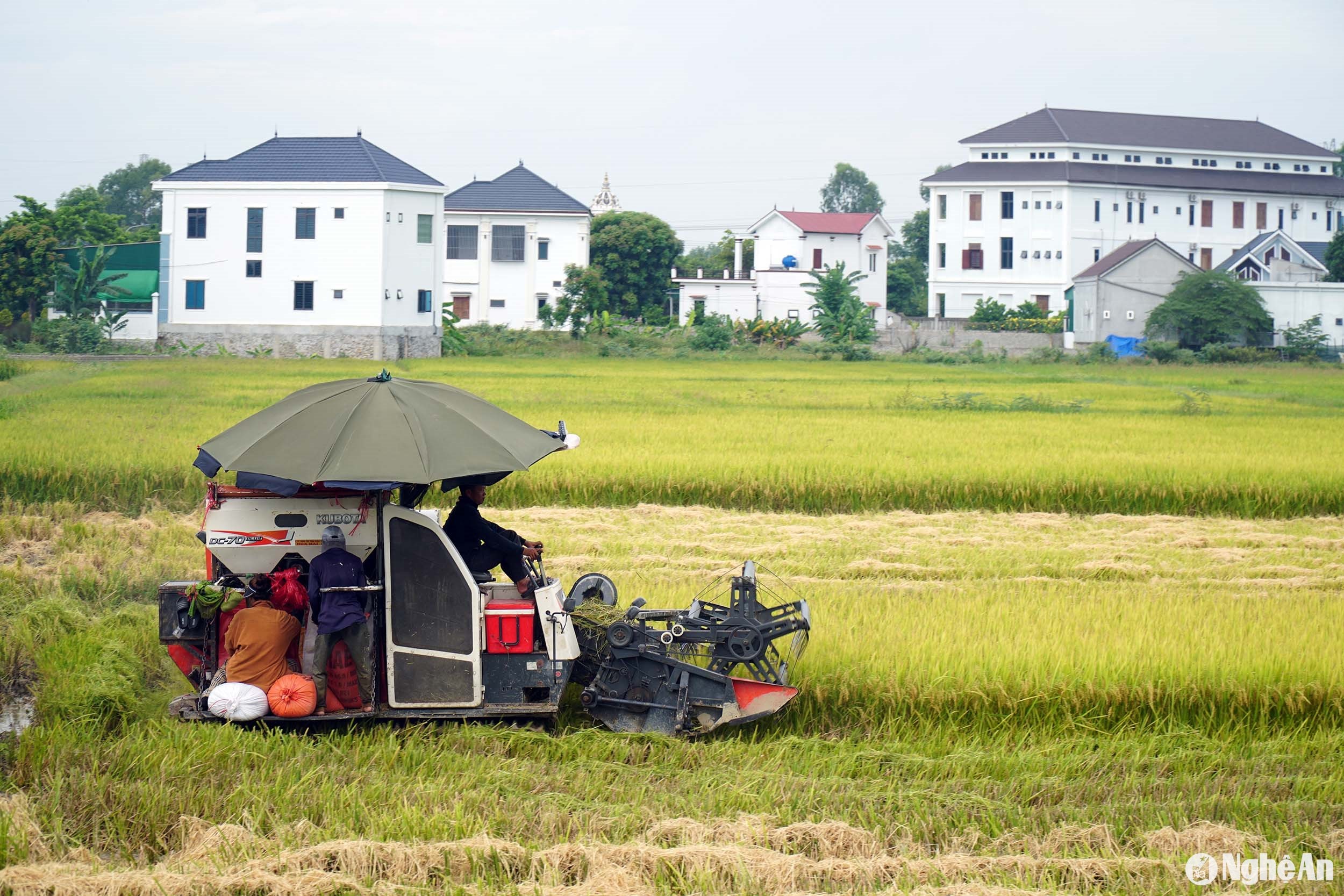
As a district with a projected high rice yield in the province, this year's summer-autumn rice crop in Dien Chau district is estimated to reach 56-58 quintals/hectare. According to Mr. Vo Khanh Khoa, Deputy Head of the District's Agriculture and Rural Development Department: In terms of crop varieties, Dien Chau district uses new varieties with high yield and quality potential such as H12, TBR 87, TBR 97…; of which, 20% of the area is planted with hybrid rice varieties that yield very high productivity, from 2.9-3.2 quintals/sao; more than 80% of the area uses pure rice varieties, but basically they are also high-quality and high-yield varieties; nearly 500 hectares are involved in integrated production of both seed rice and high-yield rice. The district has also established nearly 200 hectares of model farms in Dien An, Dien Tan, and Dien Nguyen communes, producing higher-quality hybrid rice varieties for subsequent seasons, with yields consistently reaching 2.8-3 quintals/sao.
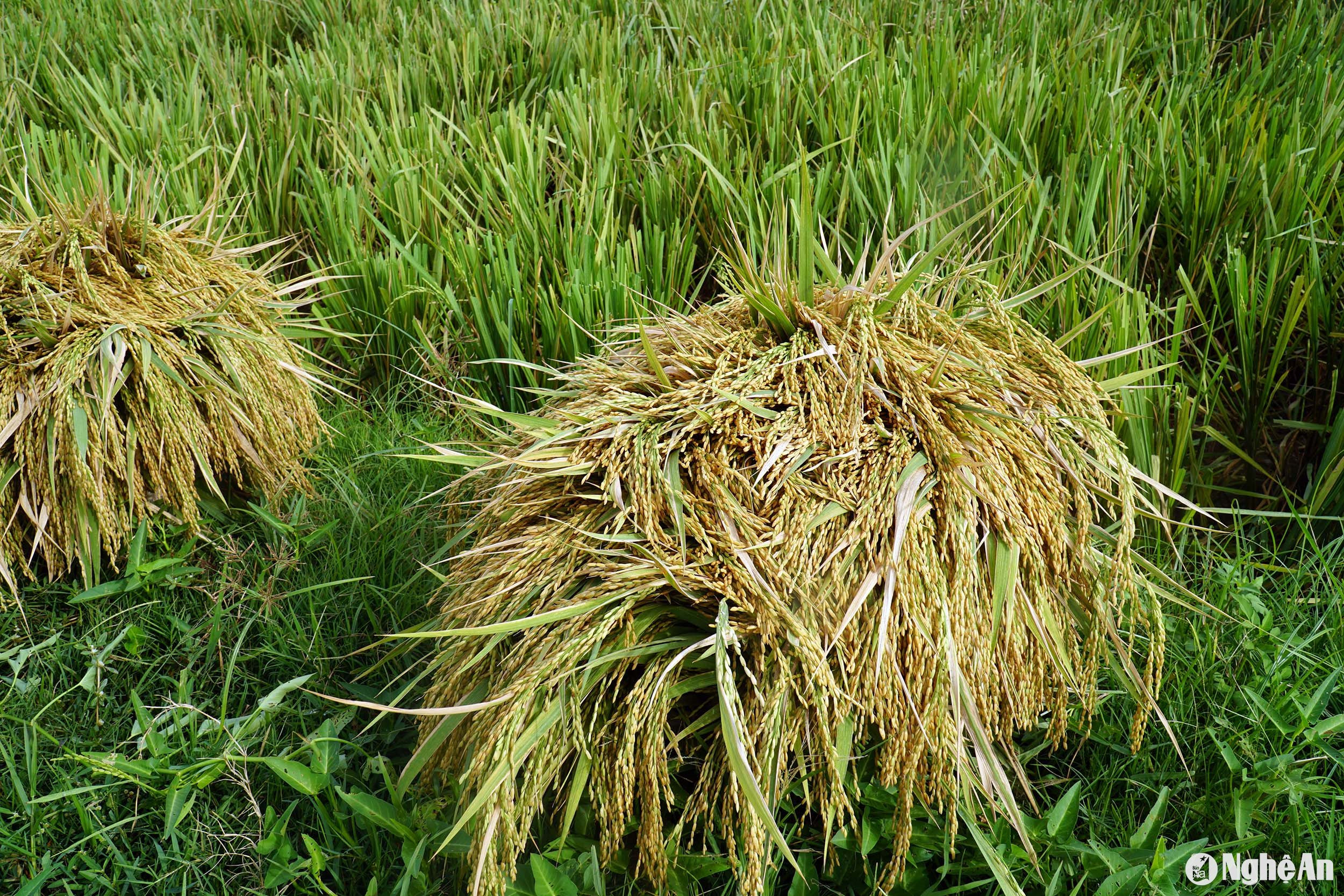
“This year's summer-autumn crop has many advantages. Besides the improved crop varieties, we also focused on directing the harvesting of the spring rice crop to be completed and then immediately preparing the land for summer-autumn planting, 5-10 days earlier than in previous years, thanks to the sufficient water supply from the Northern Irrigation System right from the start of the season. The weather throughout the season was relatively favorable, with no prolonged or intense heat; although the water supply from reservoirs and dams was not overly abundant, the areas prone to drought were not planted, so the water supply was basically sufficient. When the rice was flowering, there was one thunderstorm, but it affected a small area and did not impact the overall yield of the district. While in previous years the summer-autumn rice crop suffered severe damage from leaf-rolling caterpillars, this year, during the egg-forming stage, the hot weather prevented the eggs from hatching, so pest and disease damage was negligible,” said Mr. Vo Khanh Khoa.
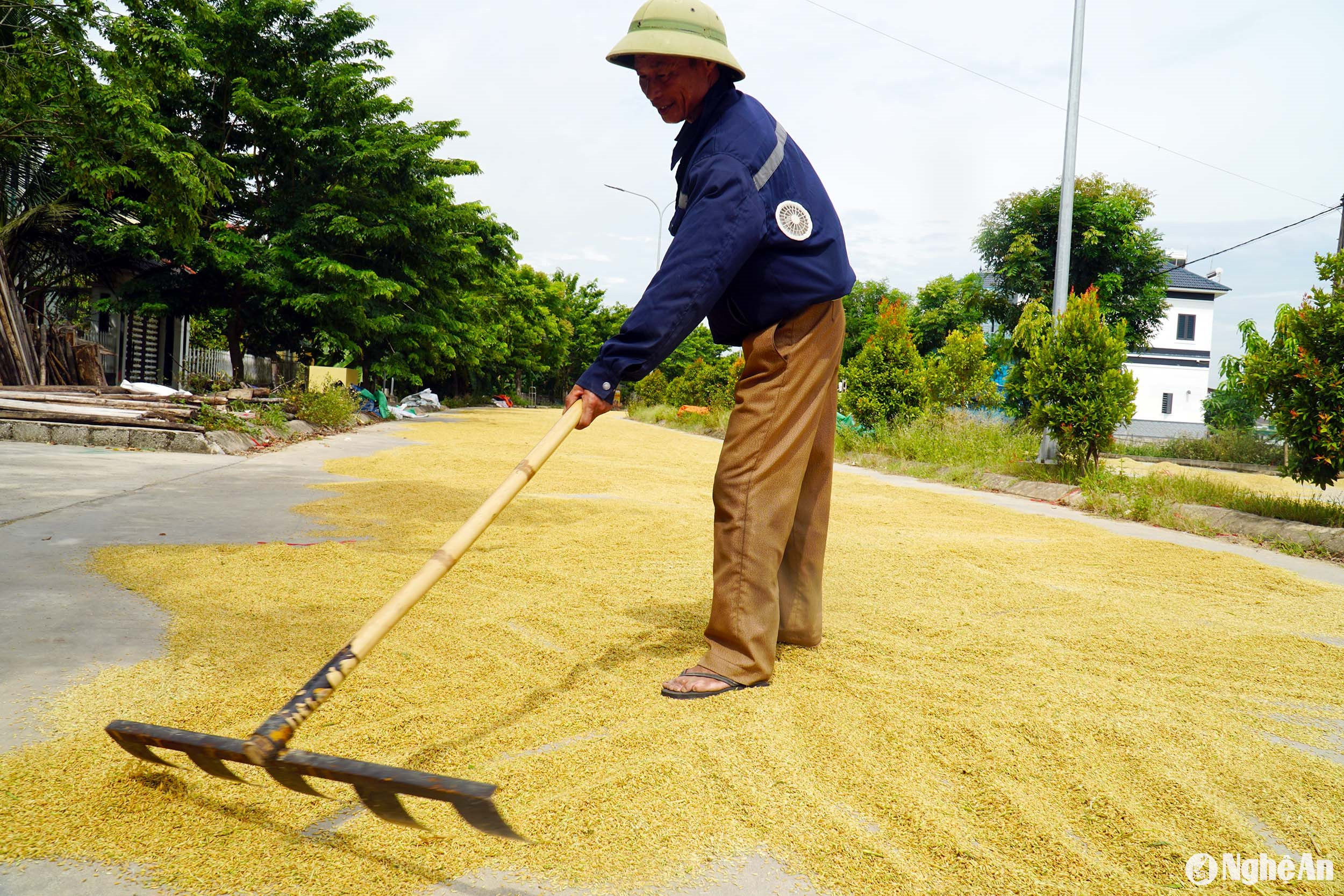
By the end of August, Nam Dan district had harvested more than one-third of its rice crop, with the harvest expected to be completed before September 10th. Mr. Nguyen Dinh The, Head of the District's Agriculture and Rural Development Department, stated: "The yield of the summer-autumn rice crop is higher than in 2023, a very bountiful year. Favorable water resources, including upstream rainfall and water released from hydroelectric reservoirs to support production, meant that localized droughts were quickly addressed. Notably, some communes, such as Nam Kim, which had not produced a summer-autumn crop for two consecutive years despite favorable conditions, were able to plant 160 hectares of QR1 rice this year thanks to decisive leadership and material support. This year, the entire commune successfully planted 160 hectares of QR1 rice, achieving high yields and creating momentum for expanding the area in subsequent years."
A combination of many factors
This year's summer-autumn crop in Nghe An province covers over 59,080 hectares, exceeding the planned target by nearly 2,200 hectares. By the end of August, the province had harvested over 23,000 hectares, with harvesting expected to be completed before September 25th. Based on field assessments and actual harvests, the average rice yield is projected to reach over 52.5 quintals/hectare, the highest ever. Dien Chau district achieved the highest yield – over 56 quintals/hectare, with some areas such as Dien Nguyen commune (Dien Chau) and Khanh Thanh commune (Yen Thanh district) reaching an average yield of 64 quintals/hectare.
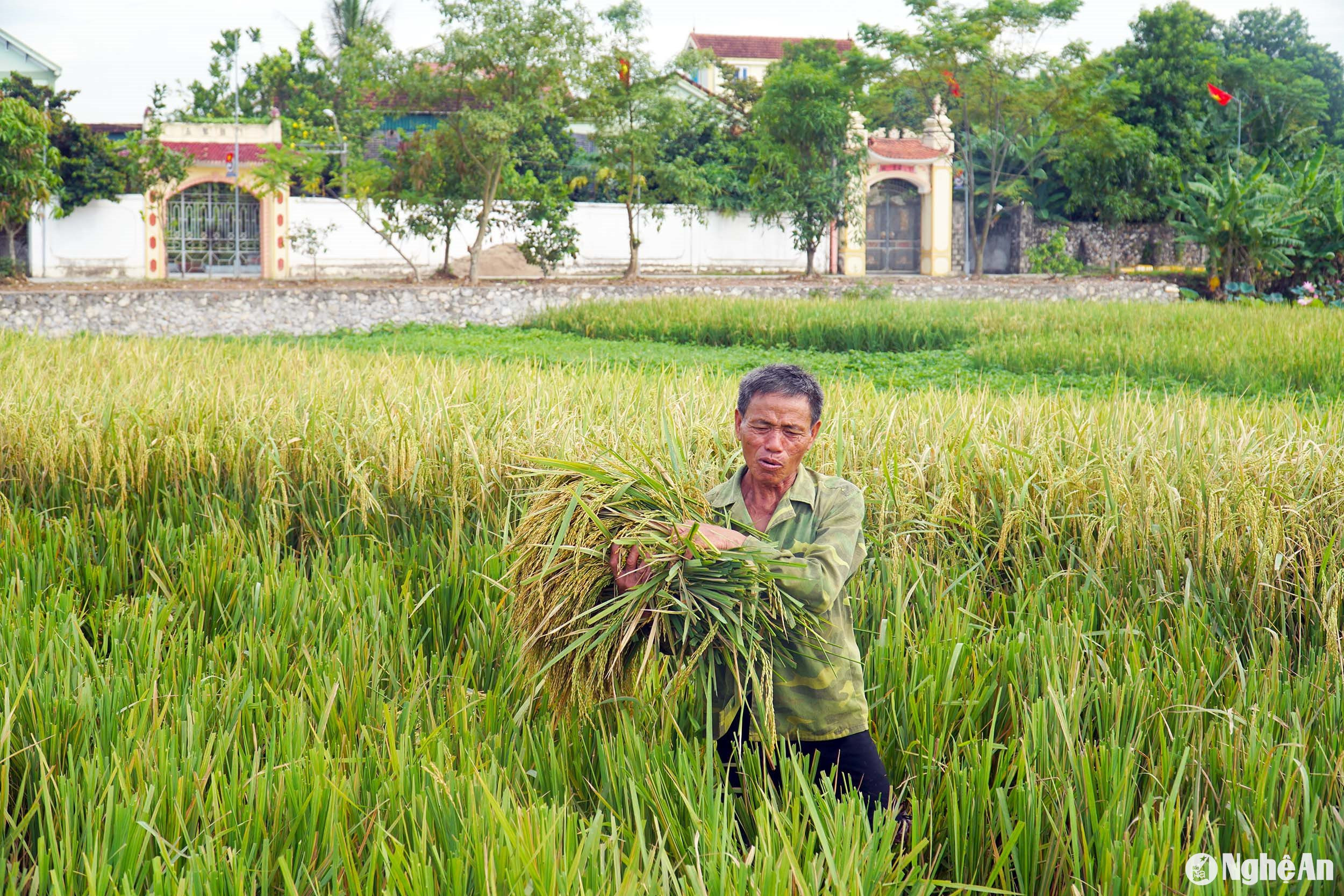
According to Mr. Phung Thanh Vinh, Director of the Department of Agriculture and Rural Development, this achievement is the result of a combination of many factors. Because the production season was much more difficult than the spring season, the province and localities paid close attention, provided thorough and decisive guidance; regularly formed teams, and directly visited localities to provide support, timely guidance, and organize the resolution of difficulties and obstacles, restoring and promoting production.
The coordination between various sectors and levels, along with the Ministry of Agriculture and Rural Development, effectively mobilized all resources from the entire political system, and implemented supportive policies from the central to local levels. This encouraged and reassured farmers to invest in production. The province and the agricultural sector formed teams and directly visited localities to provide support, timely guidance, and organize efforts to overcome difficulties and obstacles, restore and promote production.
Comrade Phung Thanh Vinh - Director of the Department of Agriculture and Rural Development
In addition, this year's summer-autumn crop production took place under relatively mild weather conditions, although there were some intense heatwaves at the beginning of the season, with temperatures sometimes reaching 43 degrees Celsius.oHowever, rainfall was moderate and evenly distributed throughout the season, with no areas experiencing severe drought like in previous years. The agricultural sector and local authorities also implemented irrigation and water regulation measures effectively and promptly to prevent drought and saltwater intrusion, as well as timely drainage plans after heavy rains. As a result, water resources were basically sufficient and ensured good rice growth, maximizing the yield potential of the rice variety.
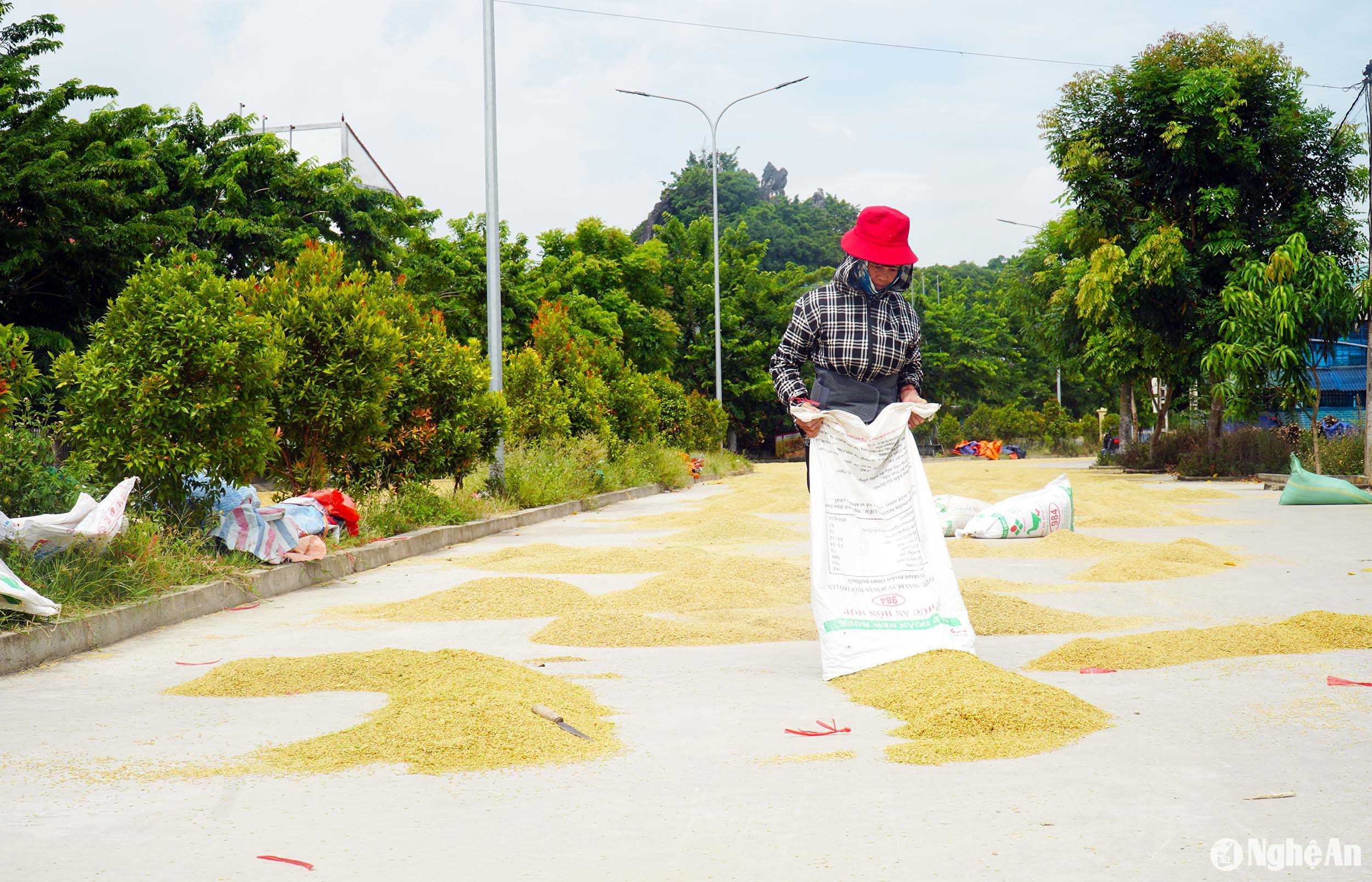
The situation regarding rice pests and diseases has also been at a lower level. Thanks to the focused investigation, detection, accurate and timely forecasting by the agricultural sector, and the serious implementation of control measures by localities and farmers, pests and diseases have been detected promptly and effectively controlled, in accordance with the situation in each region. Although some areas experienced high levels of pests and diseases, they were detected and controlled in a limited area, preventing widespread outbreaks. Therefore, it can be assessed that the 2024 summer-autumn crop is relatively disease-free.
A key factor contributing to this year's successful summer-autumn crop production is the effective implementation by the agricultural sector and local authorities of the policy on structuring key crop varieties, introducing many high-yielding, high-quality rice varieties suitable to the specific conditions of each region. Many new technical advancements in seeds, intensive farming, fertilizers, and pesticides have contributed to improved agricultural productivity and quality, and increased economic efficiency.
The level of intensive farming among the people has improved significantly, with many stages of cultivation being mechanized and technology applied, such as land preparation, sowing, fertilizing, and spraying pesticides using drones. Many localities have actively connected with businesses to implement and sign production and product purchase contracts for farmers; accompanying them throughout the season, thus ensuring production meets technical standards and yields higher productivity.
The management and supply of materials, seeds, fertilizers, and pesticides have been adequate, timely, and of guaranteed quality, contributing to more favorable and efficient production. Not only has the harvest been bountiful, but since the start of the planting season, the summer-autumn rice crop has been purchased at high prices, with fresh rice at 6,500-8,000 VND/kg and dried rice at 9,000-10,500 VND/kg depending on the variety.