

Nghe An Friendship General Hospital achieves a miracle by saving a patient who suffered cardiac arrest outside the hospital.
The Intensive Care Unit of Nghe An Friendship General Hospital recently saved a patient who suffered cardiac arrest and respiratory failure using "controlled hypothermia" technique. Currently, the patient has fully recovered and has no lasting effects.
Dr. Nguyen Duc Phuc, Head of the Intensive Care Unit at Nghe An Friendship General Hospital, said: The patient who was recently saved is Mr. PVH (48 years old, residing in Nghi Phu commune, Vinh city). This patient had a history of good health. However, on August 31, 2024, Mr. PVH suddenly fell into a coma, turned blue, and was taken by his family for emergency treatment.Nghe An Friendship General Hospital.
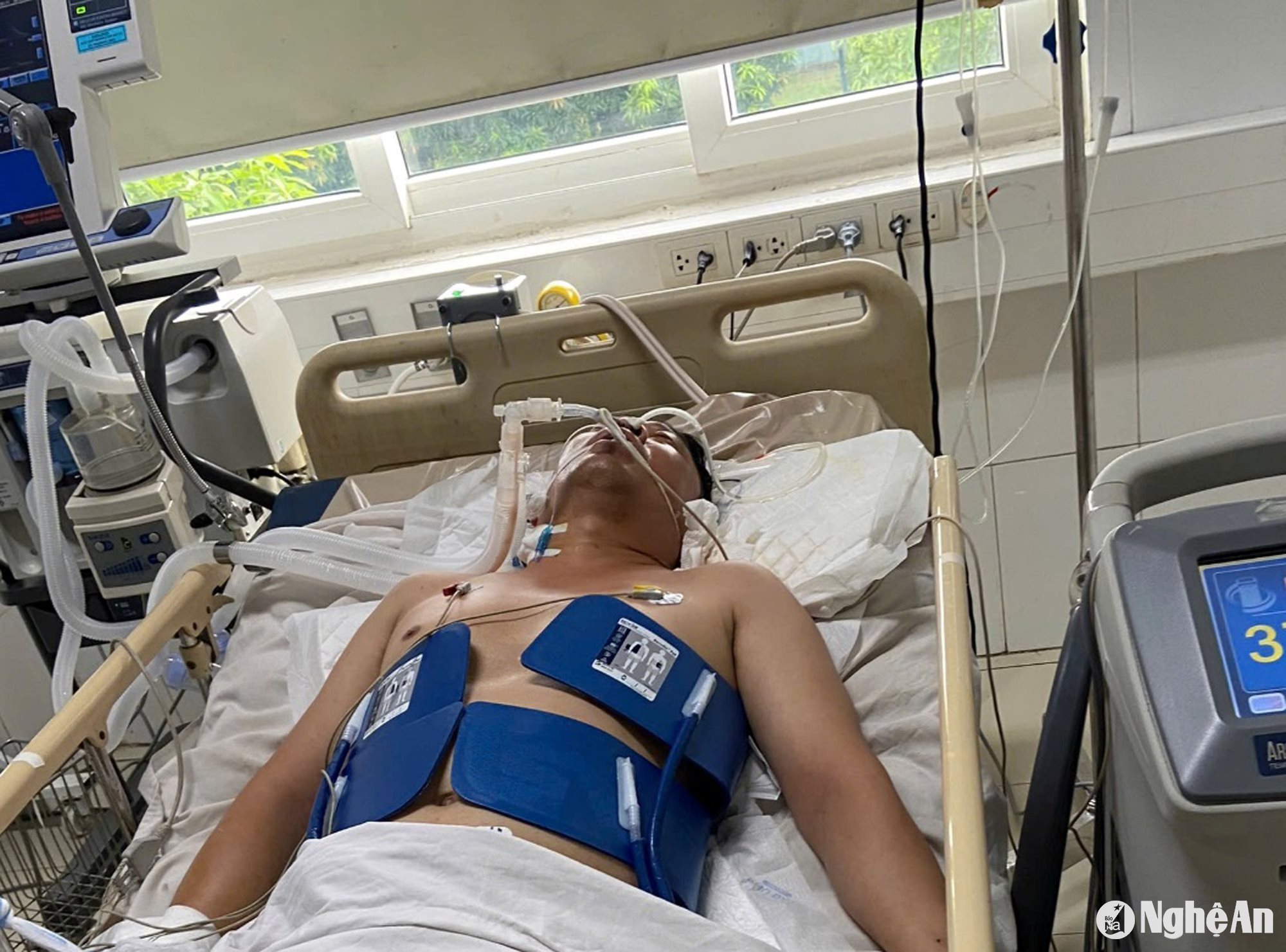
Upon admission, patient PVH was in a deep coma, cyanotic, respiratory arrest, and cardiac arrest. Immediately, the Emergency Department activated the hospital-wide alert system and urgently began resuscitation. After 10 minutes of continuous resuscitation, patient PVH's heartbeat returned, but he remained in critical condition. The patient continued to be in a deep coma, requiring mechanical ventilation and continuous administration of two types of vasopressors to maintain heart rate and blood pressure.
Patient PVH underwent an emergency CT scan of the brain. The results showed no lesions. Following this, a coronary DSA angiography was performed to determine the cause of cardiac arrest. Based on clinical and paraclinical findings, the patient was diagnosed with coma following cardiac arrest, requiring monitoring for arrhythmias, and was transferred to the Intensive Care Unit for further treatment.
Immediately afterward, the patient underwent "controlled hypothermia." Cooling patches were applied to the skin; body temperature was controlled by a machine; combined with intensive resuscitation measures, mechanical ventilation, sedation and muscle relaxants, and blood pressure control... the hypothermia process lasted approximately 72 hours.
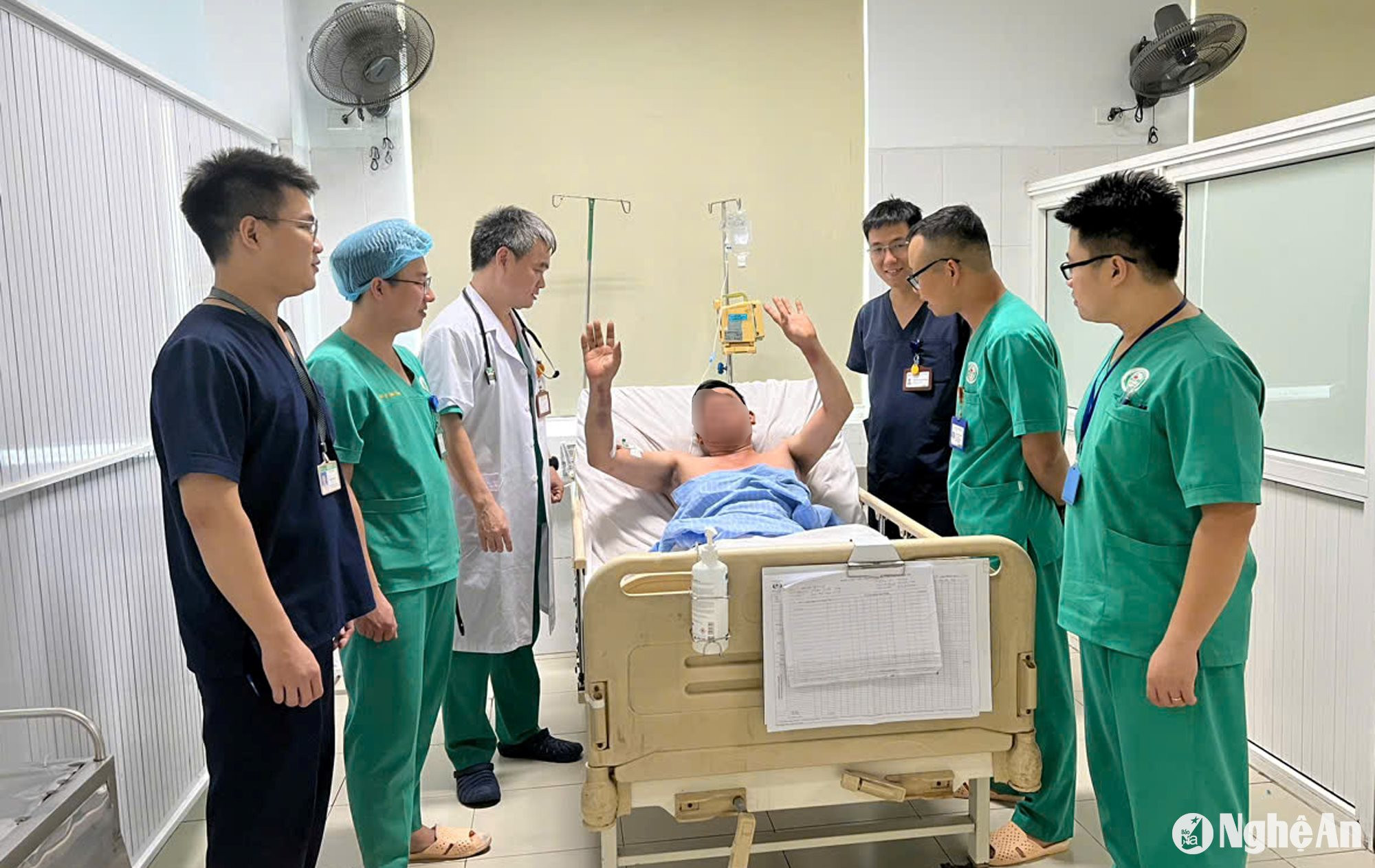
Patient PVH regained consciousness after 4 days of treatment, was able to speak and respond, and was no longer weak or paralyzed. The endotracheal tube was removed on the 4th day after admission. The patient's health improved well, with no neurological sequelae, and was discharged on September 9th.
According to Dr. Nguyen Duc Phuc: The survival rate for patients experiencing cardiac arrest is very low. Even if they are saved, patients still face severe brain damage sequelae such as hemiplegia, seizures, memory loss, or worse, coma and a vegetative state.
To increase the chances of survival for patients, especially in restoring consciousness and motor function, "controlled hypothermia" is an advanced technique that helps reduce mortality rates and brain damage sequelae after cardiac arrest.
Controlled hypothermia is a method that uses cooling techniques to lower a patient's body temperature to approximately 33 degrees Celsius within 24 hours, aiming to prevent cellular metabolic disturbances after cardiac arrest. When the heart stops contracting, blood is no longer pumped to nourish the body, causing dysfunction of cells, especially brain cells. Damaged brain cells are difficult to recover from or easily leave lasting effects. Controlled hypothermia helps minimize damage and prevent cellular dysfunction, thereby limiting long-term consequences for the patient.
Dr. Nguyen Duc Phuc, MD, PhD – Head of the Intensive Care Unit,
Nghe An Friendship General Hospital
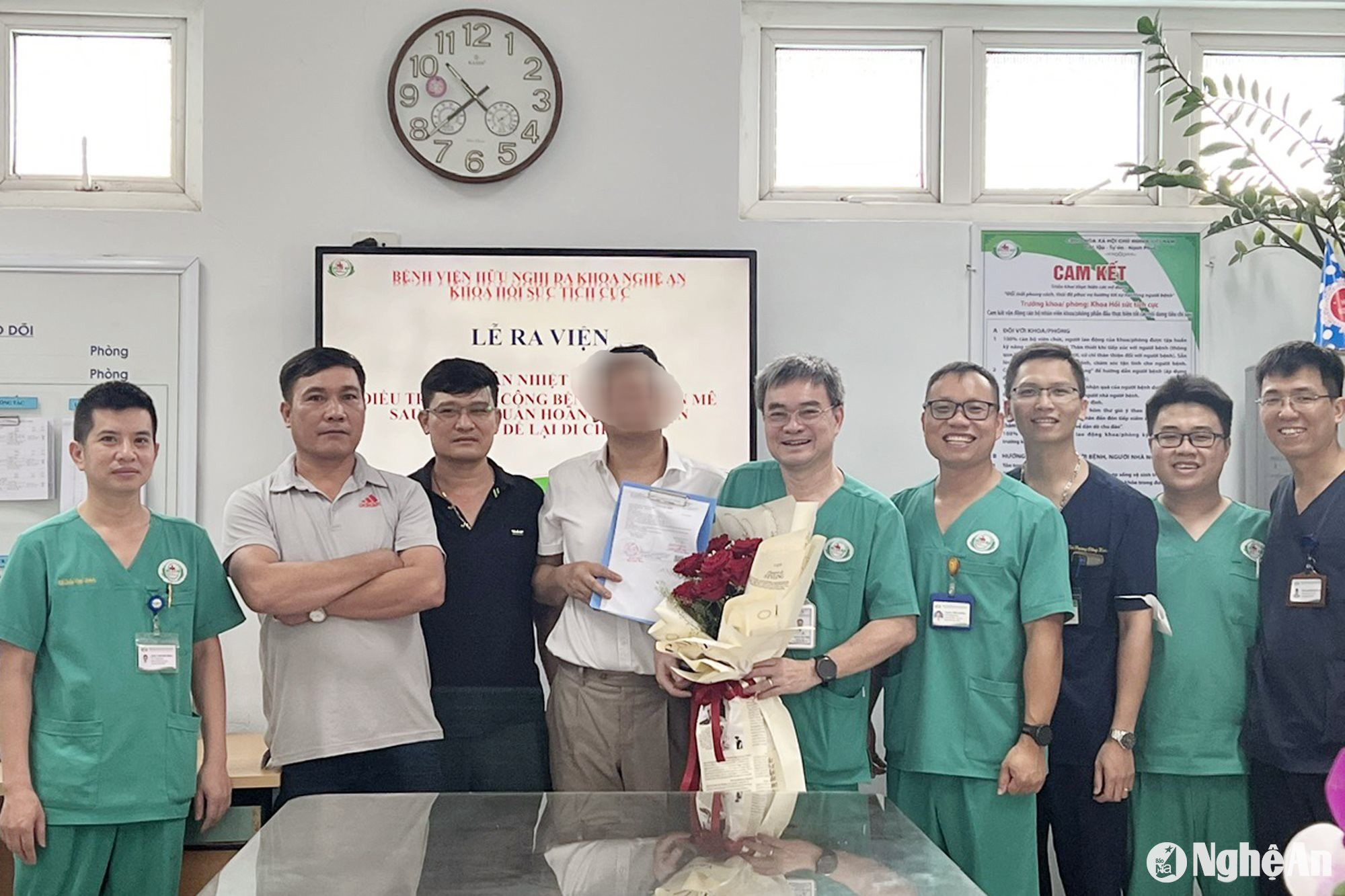
Associate Professor, Dr. Nguyen Van Huong - DirectorNghe An Friendship General HospitalIt stated: "The successful saving of patients with cardiac arrest thanks to controlled hypothermia techniques clearly demonstrates the investment in equipment and the focus on training and improving the professional skills of the hospital's medical staff. Controlled hypothermia techniques, applied at Nghe An Friendship General Hospital, have promptly saved many patients in a state of cardiac arrest."
To achieve high effectiveness in treating hypothermia, close coordination between specialties is necessary. Patients with cardiac arrest must be brought to the hospital as soon as possible, and cardiopulmonary resuscitation (CPR) must be performed quickly, aggressively, and according to protocol to restore circulation in a timely manner.