Preserving the traditional beauty of the Mid-Autumn Festival.
Minh Quan•September 17, 2024 08:05
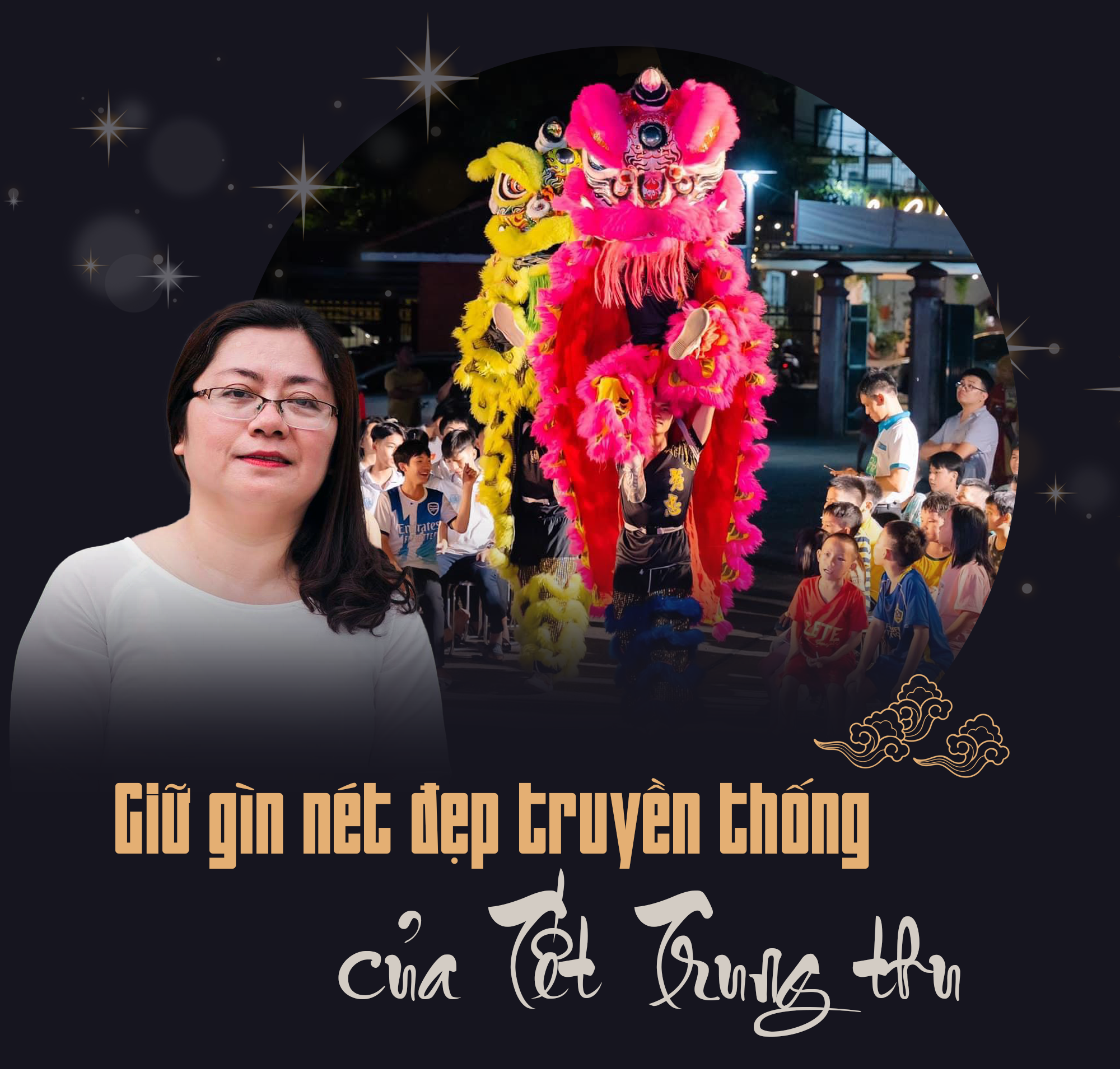
The Mid-Autumn Festival not only brings joy and excitement to children and teenagers, but also embodies the beautiful traditional cultural values of the nation. In modern life, preserving the Mid-Autumn Festival is a matter of concern to contribute to the preservation and promotion of national cultural identity, and to continue nurturing the future generations of the country. On this occasion, Nghe An Newspaper had an interview with Dr. Nguyen Thi Duyen - Lecturer in Vietnamese Customs and Traditions at the History Department, Vinh University.
In modern life, preserving the Mid-Autumn Festival is a matter of concern, contributing to the preservation and promotion of national cultural identity, and continuing to nurture the future generations of the country. On this occasion, Nghe An Newspaper had an interview with Dr. Nguyen Thi Duyen - Lecturer in Vietnamese Customs and Traditions at the History Department, Vinh University.
Minh Quan(Execution) • September 16, 2024
PV:Dr. Nguyen Thi Duyen, for generations, the Mid-Autumn Festival has been a beautiful tradition in Vietnamese culture. Could you please tell us about the origins of the Mid-Autumn Festival?
Dr. Nguyen Thi Duyen:In the traditional Vietnamese calendar, the Mid-Autumn Festival is a major celebration held in the middle of autumn, on the night of the full moon in the eighth lunar month, when the moon is perfectly round, the autumn weather is mild and cool, and it is a time of leisure for farmers after they have finished their planting and sowing season. Currently, there is no document that definitively confirms the origin of the Mid-Autumn Festival.
However, looking at the national culture, during the Dong Son culture period, the Ngoc Lu bronze drum depicted people in disguise, celebrating the festival season with reeds in their hair. Reeds are a plant of autumn, and when people have finished their harvest and the weather is mild, it is also a time for farmers to hold festivals to pray for a good harvest, sing, and have fun.
The reeds bloom white in the forests during autumn, hence the ancient Vietnamese folk song: "In August, I went to enjoy the spring. When I arrived and saw the drum festival, I joined in." This is also the time when people hold harvest festivals, sing love songs to the rhythm of the drums, gaze at the moon, and have fun. Based on this, researchers suggest that the Mid-Autumn Festival has indigenous origins, stemming from the production life of the ancient Vietnamese people.
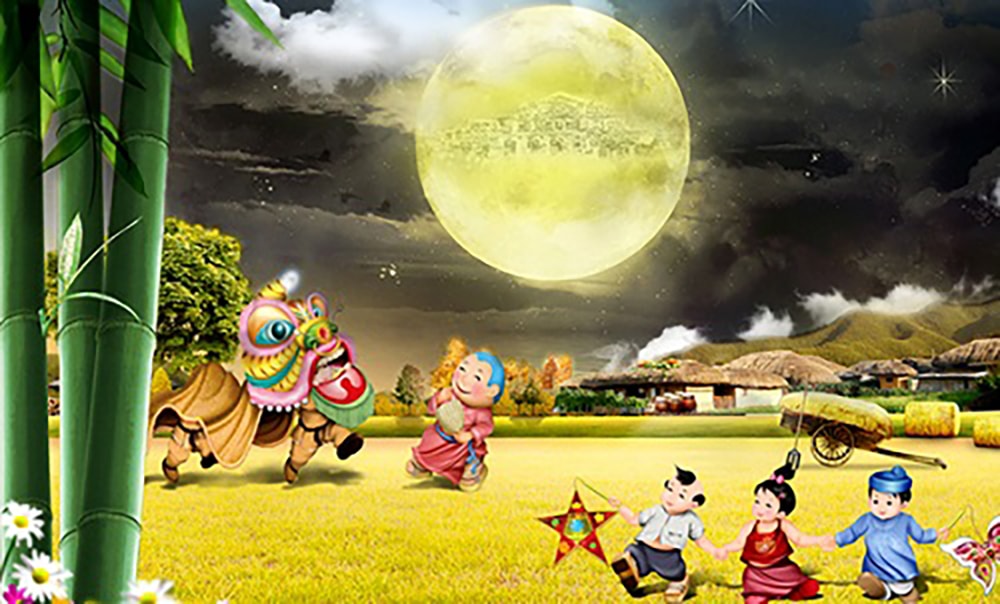
The Mid-Autumn Festival has indigenous origins, stemming from the production activities of the Vietnamese people in ancient times. (Illustrative image: Archival material)
Furthermore, the origins of the Mid-Autumn Festival are also influenced by external factors. These include stories about Chang'e and Hou Yi, and the birthday of Emperor Tang Minghuang (712-756). Another origin of the festival is related to the legend of Emperor Tang Minghuang strolling in the Imperial Garden on the night of the full moon in the eighth lunar month. The emperor was taken to the moon by a Taoist with magical powers to enjoy the celestial paradise. Upon returning to the mortal world, the emperor was so captivated by the celestial scene that he composed the "Nge Thuong Y Vu" melody and, every year on the night of the full moon in the eighth lunar month, ordered the people to hold lantern processions and feasts to celebrate.
Thus, the Mid-Autumn Festival has long been an important holiday. The origins of this festival may be partly influenced by Chinese culture, but above all, it is a holiday stemming from the lives of the indigenous people, related to the worship of the Moon, and to agricultural life and rituals.
Following the success of the August Revolution in 1945, in 1946, on the occasion of the Mid-Autumn Festival, President Ho Chi Minh sent a letter to children nationwide. It was from this point that the Mid-Autumn Festival truly became a children's festival, celebrated annually with great joy and meaning for children across the country.
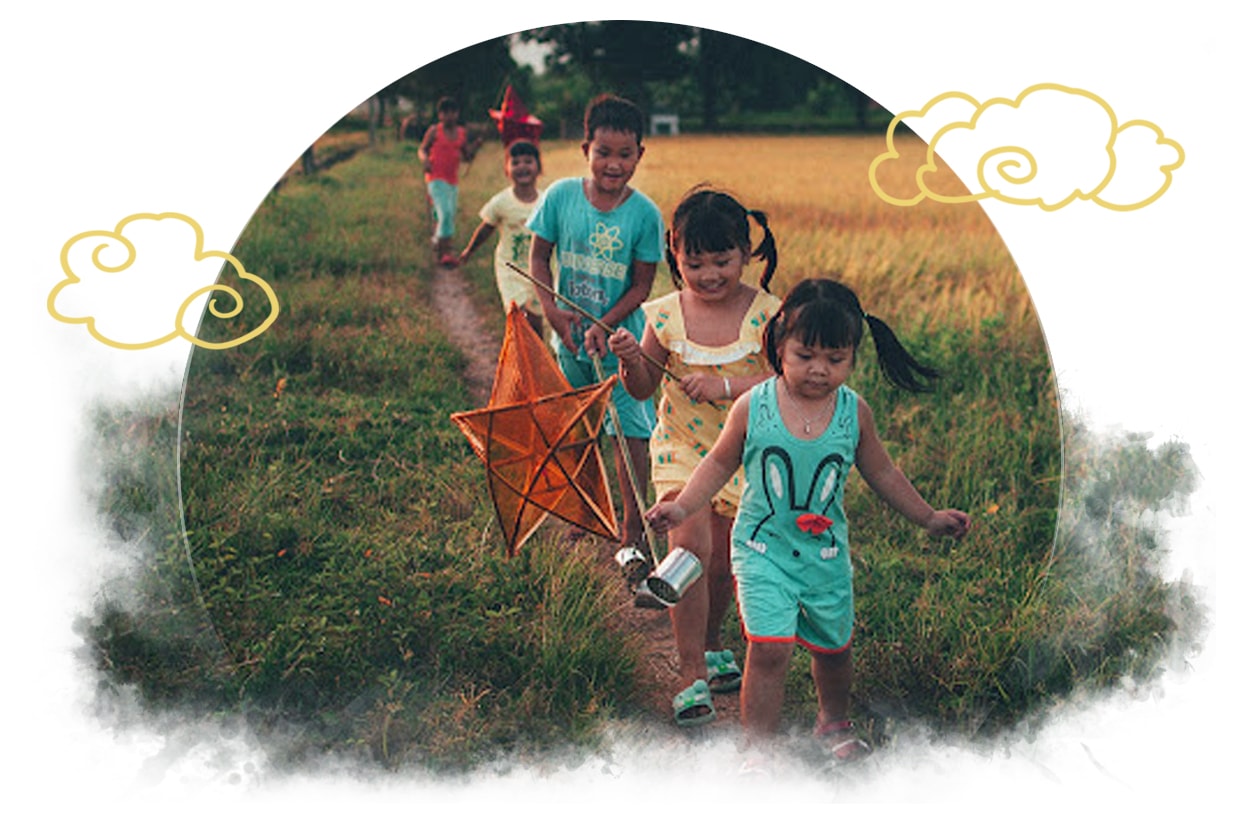
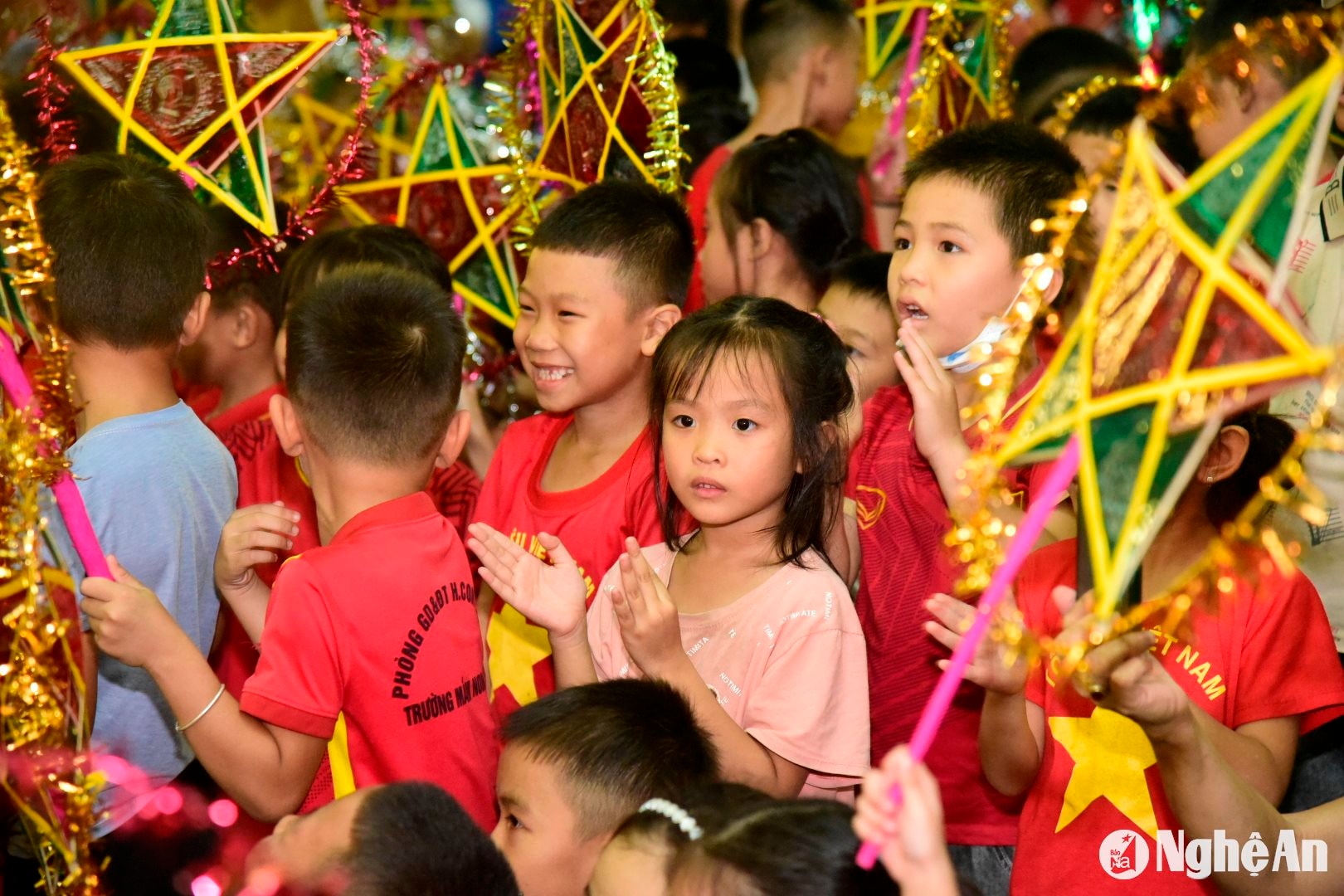
The Mid-Autumn Festival is celebrated annually with great joy and is very meaningful for children across the country. (Illustrative image)
PV:Doctor, could you tell us about the distinctive features of the Mid-Autumn Festival in the past?
Dr. Nguyen Thi Duyen:According to Phan Kế Bính in his book "Vietnamese Customs," "in the 19th century, our people prepared offerings to their ancestors during the day and displayed a feast to admire the moon in the evening." From the beginning of August, during the Mid-Autumn Festival, the atmosphere of preparation in every village and street was bustling and lively like a festival, captivating both adults and children.
The Mid-Autumn Festival is prepared by adults with vibrant feasts and colorful toys. A typical Mid-Autumn feast centerpiece is a dog made from pomelo peel, with two black beans for eyes. Around it are fruits, various baked goods, and sticky rice cakes. Dried pomelo seeds, strung on wire, are burned. Fruits usually include bananas, glutinous rice flakes, persimmons, custard apples, and pomelos. The feast may also feature a paper effigy of a scholar (doctorate holder), symbolizing the Vietnamese people's tradition of valuing education. When the moon reaches its zenith, it's time to break the feast, and everyone enjoys the flavors of the Mid-Autumn Festival.
Children's toys during the Mid-Autumn Festival are often made of papier-mâché, such as elephants, horses, unicorns, lions, dragons, deer, shrimp, fish, butterflies, and praying mantises. Besides these, masks, lanterns shaped like lions and stars, and lion heads are among the most popular toys during the Mid-Autumn Festival. The masks are usually made of cardboard or papier-mâché, featuring popular characters beloved by children at the time, such as lion heads, the Earth God, Sun Wukong, Zhu Bajie, and the White Bone Demon.
On the evening of the Mid-Autumn Festival, children hold hands and play tug-of-war, sing folk songs, carry lanterns, and parade with lion dances, drums, and gongs. Vietnamese lion dances, or unicorn dances, symbolize good fortune, prosperity, and are considered auspicious for every household. In the past, Vietnamese people also organized the "Trong Quan" singing performance and a lantern parade during the Mid-Autumn Festival. The "Trong Quan" song follows a three-beat rhythm: "thình, thùng, thình".
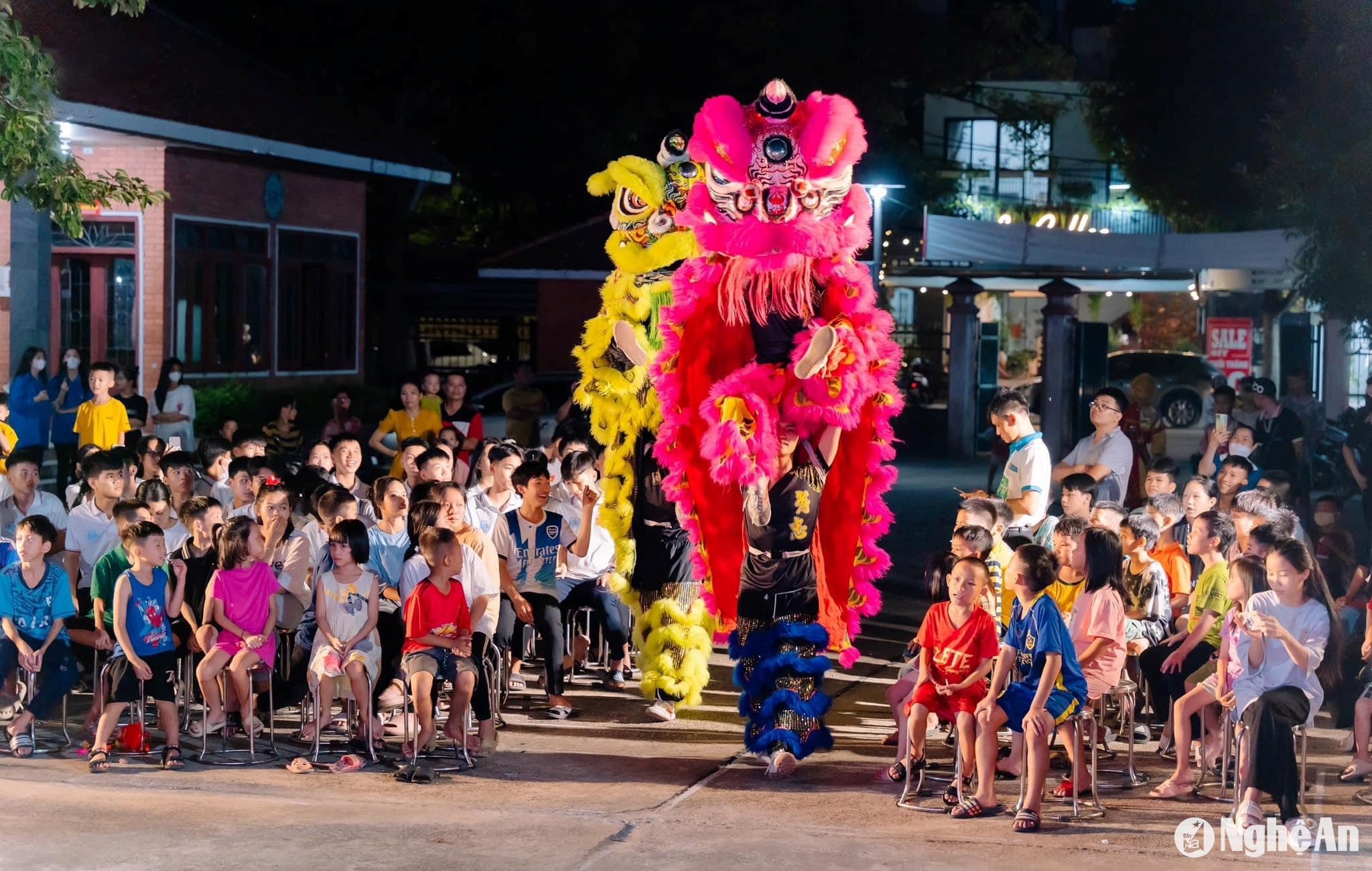
Children at the SOS Children's Village Vinh enjoy a lion dance performance at the Mid-Autumn Festival celebration. Photo: Minh Quan
Beyond its festive significance for children and adults, the Mid-Autumn Festival is also an occasion for people to admire the moon, recall the legend of Cuoi sitting under a banyan tree, predicting the harvest and the nation's destiny. An old folk saying goes: "A bright moon means a good harvest. A cloudy moon means a good spring harvest." It is also a joyful day for family reunions, a time when people often give gifts to grandparents, parents, teachers, friends, relatives, and other benefactors such as mooncakes, fruits, tea, and wine.
According to researcher Le Trung Vu: "The Mid-Autumn Festival is also a link in the chain of festivals in the annual development of the Vietnamese people, taking the relationship between nature (weather), seasons (farming) and people with a lofty humanistic spirit (dedicating this festival to the young generation of society) as its foundation, so the value of this festival becomes profound and enduring."
A Mid-Autumn Festival program for children in Con Cuong district. Photo: PV
PV:Over time, the Mid-Autumn Festival has gradually undergone changes in its organizational methods and activities. Could you elaborate on these changes, Doctor?
Dr. Nguyen Thi Duyen:During the Mid-Autumn Festival, beautiful customs such as offering sacrifices to ancestors, preparing feasts to welcome the moon, carrying star-shaped lanterns, and lion dances are still practiced by people from rural areas to cities on the 15th day of the eighth lunar month. However, with the passage of time, traditional Mid-Autumn gifts are no longer as common, and traditional folk toys are becoming increasingly rare, replaced by many electronic toys. The Mid-Autumn Festival today also lacks the fun group games; children are often taken by their parents to shopping malls and stores to play and shop, or simply to stroll around the streets. Mid-Autumn cakes are also made with newer, higher-quality materials, but at a higher price. Nowadays, Mid-Autumn feasts are prepared more elaborately and meticulously with many imported fruits and candies; details with educational significance from the past are becoming less common...
The cause of this change is the development of modern society along with the dominance of economic and commercial factors, which have impacted and altered the way the Mid-Autumn Festival is organized in particular and traditional cultural activities in general. In addition, the issue of preserving traditional cultural aspects of the Mid-Autumn Festival has not received sufficient attention in many places.
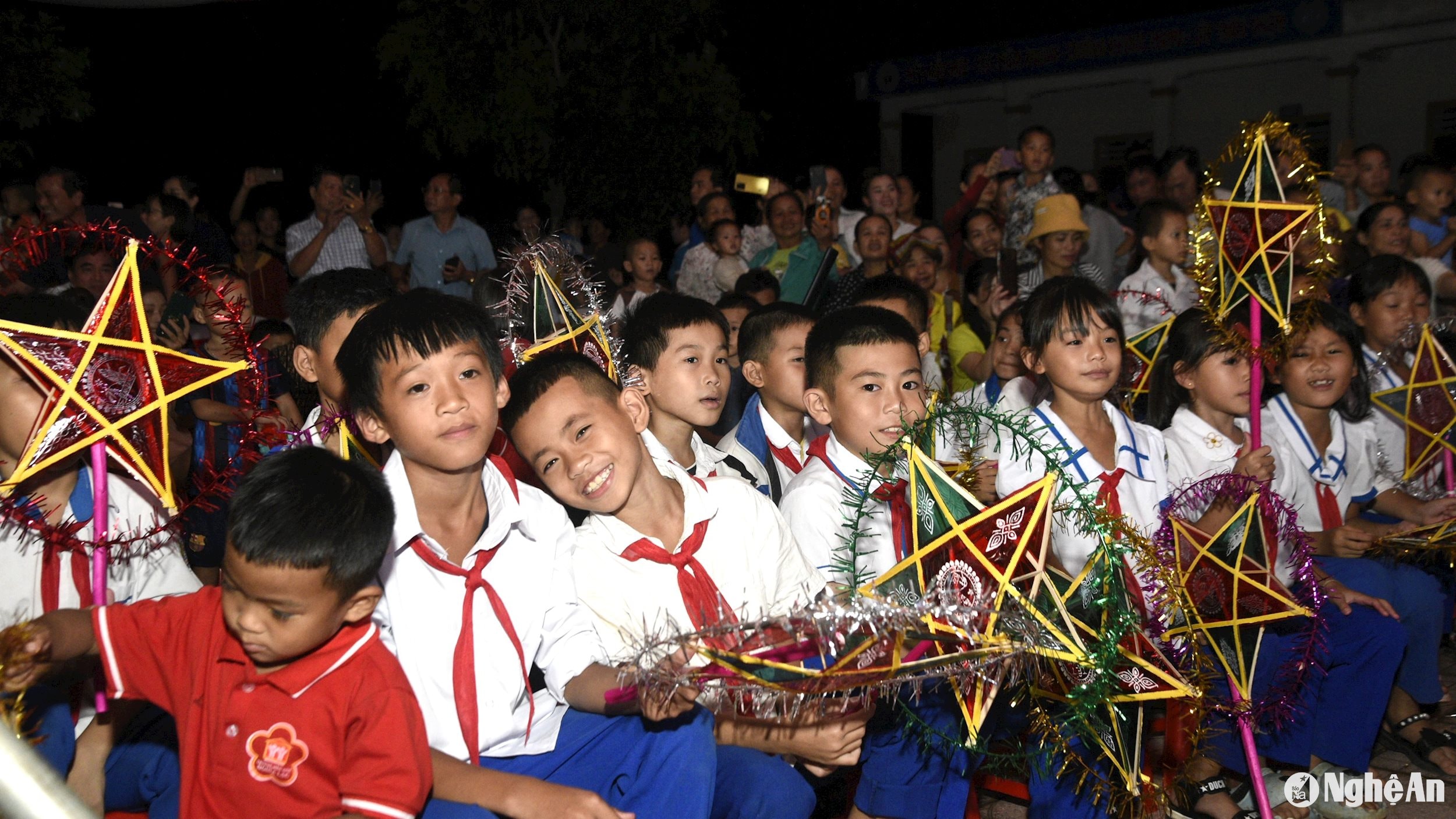
Children from Nghia Lac commune (Nghia Dan district) at the Mid-Autumn Festival program. (Photo: Archival image)
PV:So, in your opinion, what should we do to ensure that the Mid-Autumn Festival continues to showcase its traditional beauty in modern society?
Dr. Nguyen Thi Duyen:As we have discussed, the Mid-Autumn Festival is a very meaningful custom, expressing care, gratitude, filial piety, and especially love for teenagers and children - the future generation of the country.
To ensure that the Mid-Autumn Festival continues to preserve its traditional beauty in modern society, all levels of society need to show concern within families: Children should demonstrate filial piety and gratitude towards their grandparents and parents; adults should care for and educate children, focusing on teaching them national cultural traditions so that they understand the meaning of the Mid-Autumn Festival, see the investment and care their families and society provide, and thus develop a sense of moral cultivation and a proper attitude towards learning to become useful members of society.
Dr. Nguyen Thi Duyen.
"
"In order for the Mid-Autumn Festival to continue to showcase its traditional beauty in modern society, all segments of the population need to demonstrate their care and concern within their families..."
Furthermore, it is necessary to focus on restoring traditional games and producing traditional toys that have educational and aesthetic value, fostering creativity and intelligence in children. We should avoid commercializing cultural products and toys for children that lack aesthetic appeal and educational value.
Furthermore, it is necessary to promote group games to enhance community spirit among children, mitigate the negative aspects of modern customs, and help everyone appreciate the true value of the Mid-Autumn Festival. The Mid-Autumn Festival should be considered the festival of the future generation, of dreams and aspirations. Therefore, families and society need to care for and organize Mid-Autumn Festivals for children in a joyful, healthy, and refined manner, so that each Mid-Autumn Festival becomes a beautiful and unforgettable memory in their childhood.
PV:Thank you, Doctor, for the conversation!
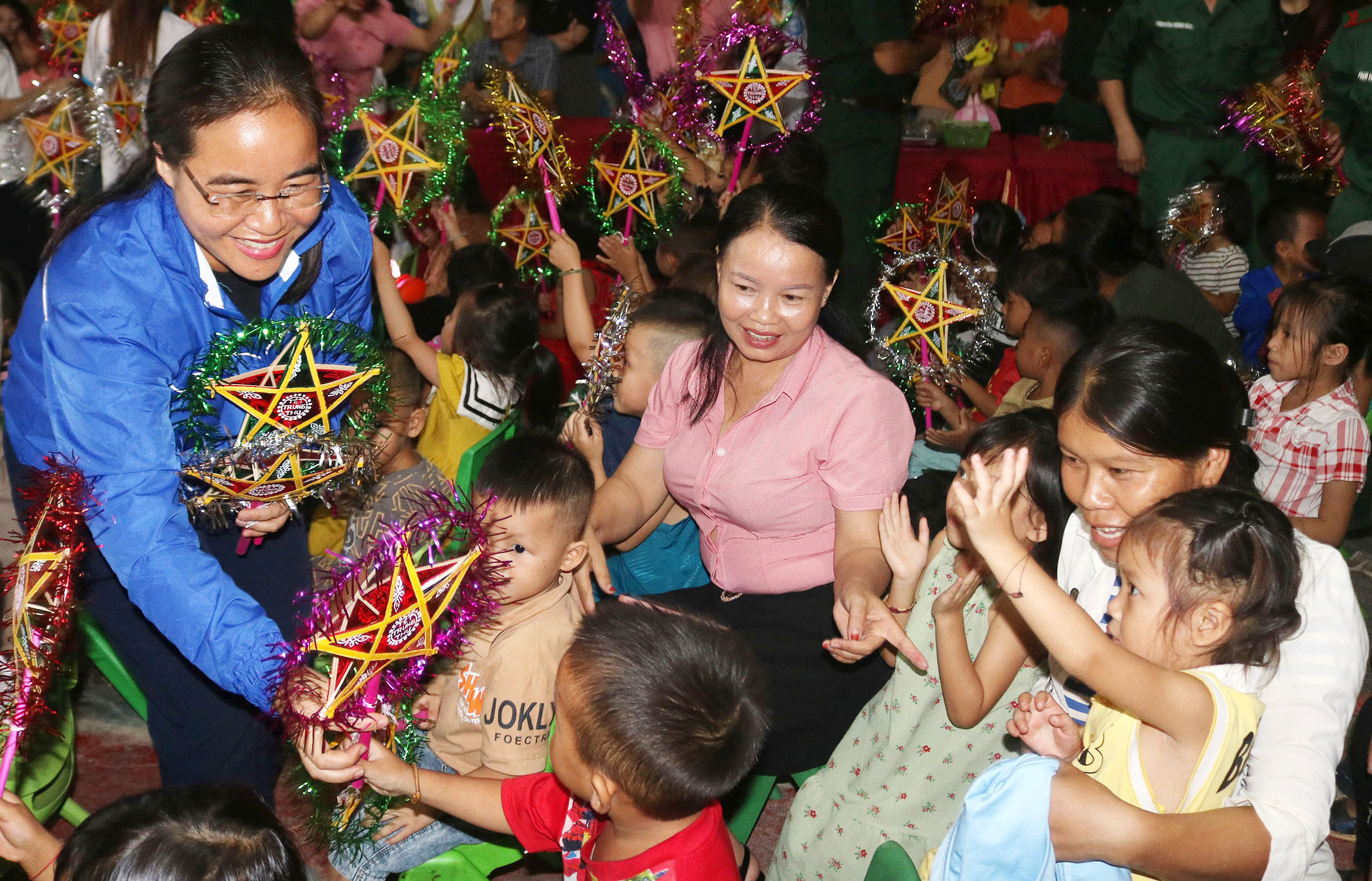
For many children, holding a star-shaped lantern in their hands to celebrate the Mid-Autumn Festival is a true joy. (In the photo: Donating mooncakes and star-shaped lanterns to children in Nam Can border commune in 2023. Photo: Lu Phu)