

Dealing with a car with stuck brakes after being submerged in water.
After a car is submerged in water, the brake pads swell, the brake pedal becomes smaller, leading to the brakes seizing up.
Therefore, if stopping immediately after driving through a flooded area, drivers should not engage the parking brake right away, but should apply the brakes gently to dry the brake pads before parking the vehicle in the garage.
The best course of action in this situation is to gently move the car back and forth until you hear a loud noise under the tires and brakes, indicating that the brakes are no longer locking up. Then, spray some rust-preventive solution onto the brake discs and gently tap the brake caliper assembly.
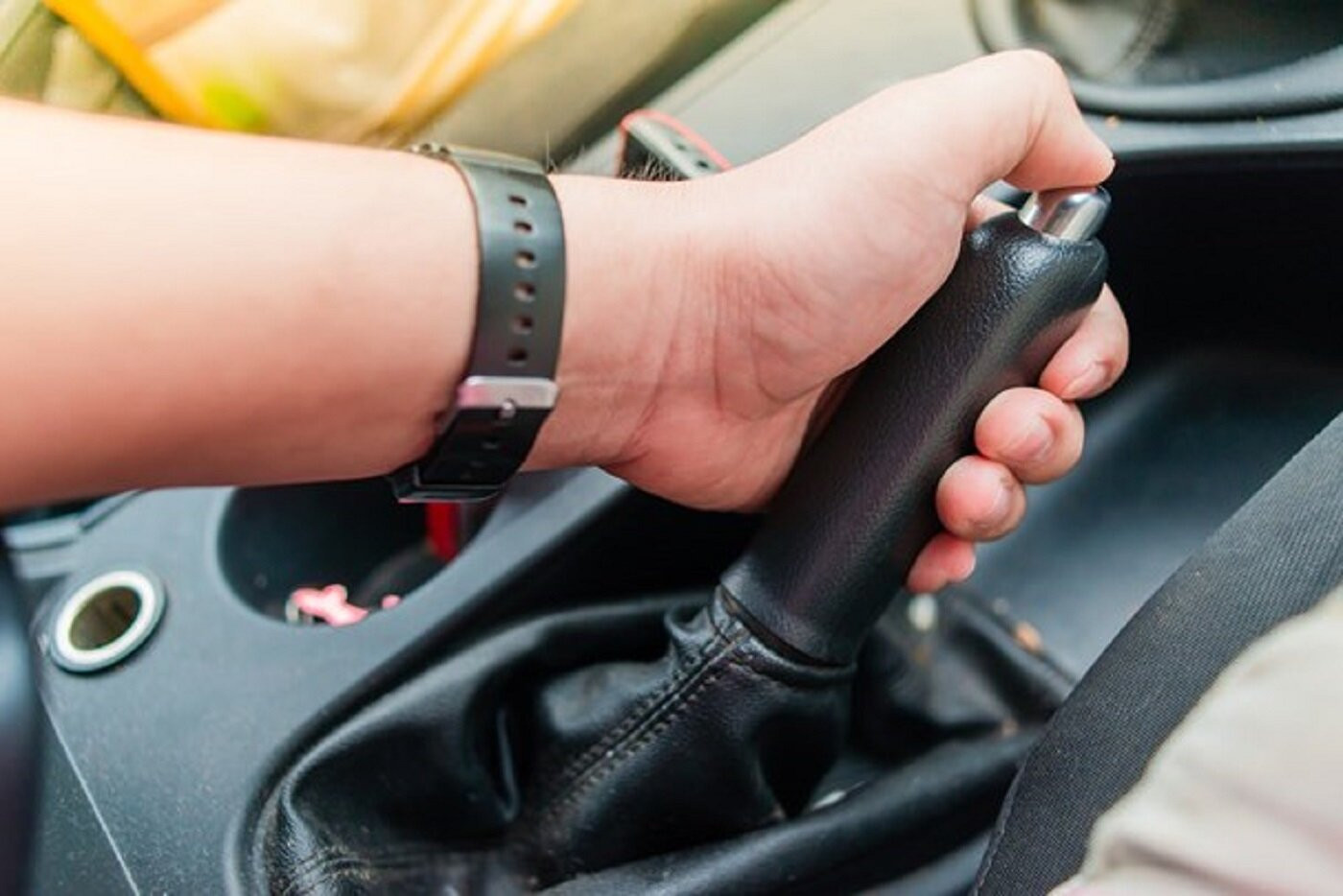
If you find that you can't fix it yourself, the best course of action is to take the car to a garage where all four wheels are removed for cleaning and brake system maintenance.
Several other reasons can cause a car's brakes to seize.
Brake pad wear
Brake pads, combined with excessive wear or repeated resurfacing of the brake discs, can cause the discs to become thinner than the standard thickness. When braking, the brake piston is pushed beyond its limit, preventing the piston or piston from returning to its original position. This results in the piston locking up against the brake drum or disc, causing brake seizure.
When faced with this situation, the driver can temporarily fix it by removing the wheel and the brake drum, then using a screwdriver to push the piston back to its original position before taking the car to a garage for repair.
The rubber protective layer around the brake caliper is torn.
With disc brakes, if the rubber seal protecting the brake caliper pin is torn, dirt and water can enter, causing rust. When braking, the high oil pressure on the brake piston pushes the caliper pin outward. However, due to the small return force, it cannot overcome the resistance caused by the rusted caliper pin, leading to brake seizure.
At this point, the driver should remove the brake caliper, clean it thoroughly, and apply grease to fix the brake binding. A corroded or pitted piston is a similar cause of brake binding, and the solution is also cleaning or replacing it.
The brake disc is deformed.
External factors impacting the brake disc caused deformation, resulting in the disc not rotating smoothly but instead wobbling. This keeps the brake pads constantly gripping the brake disc surface, causing brake seizure.
The quickest temporary fix is to remove the seized brake pads for repair.