

How to teach children online safety
In the digital age, the internet is not only an entertainment tool but also an endless source of knowledge. However, to ensure children safely utilize the benefits of the internet, we need to teach them basic online safety principles.
The internet, with its wealth of information and conveniences, also harbors many potential dangers for children. From violent and pornographic content to sophisticated scams, cybercriminals constantly seek to exploit children's curiosity. They may impersonate friends to trick children into sharing personal information, or create attractive online games to lure them into dangerous situations.
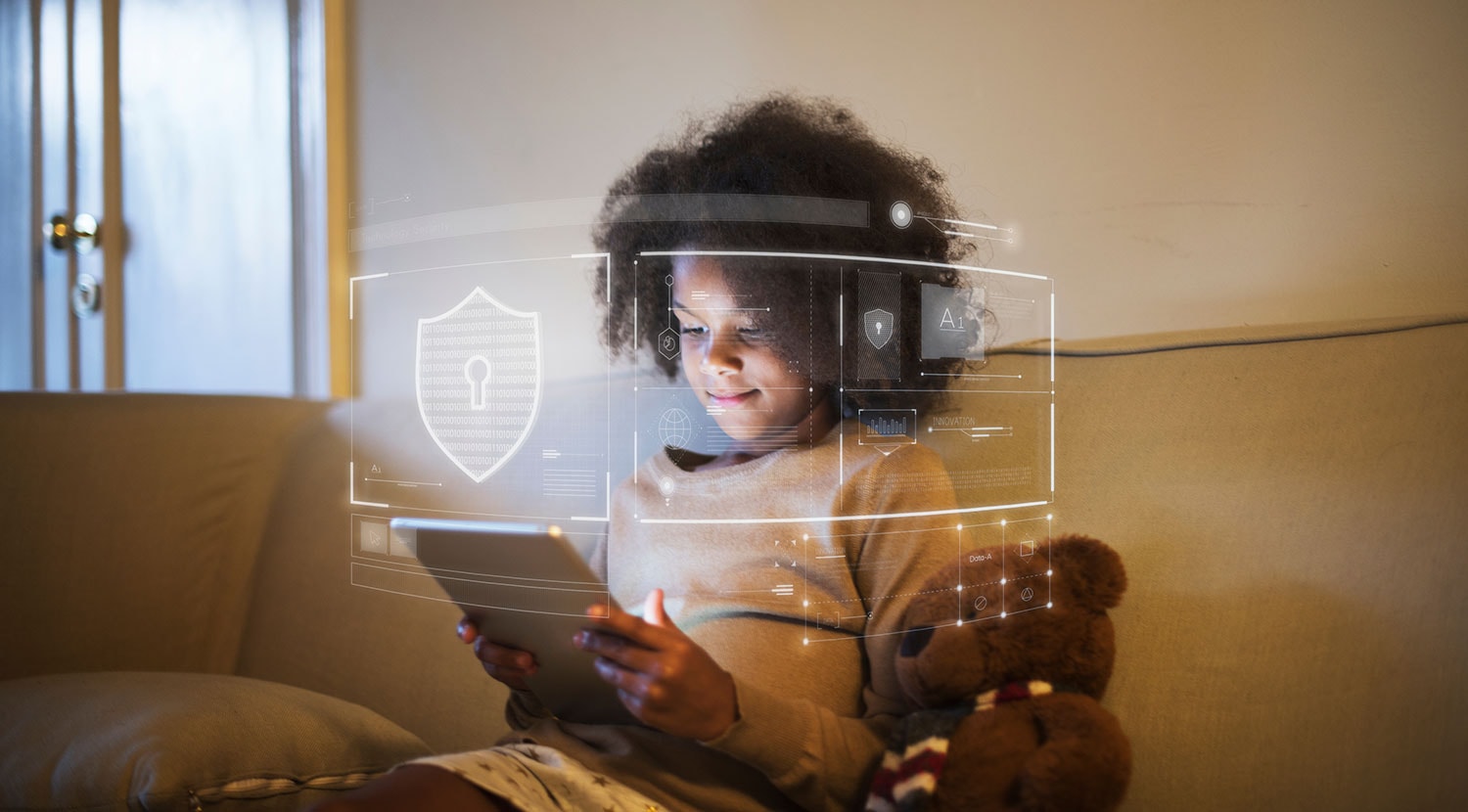
To protect their children from these dangers, parents need to equip them with basic online safety knowledge, such as how to identify and avoid harmful content, not to disclose personal information to strangers, and to be wary of overly tempting offers. In addition, creating an open family environment where children can comfortably share their concerns is also crucial.
Be vigilant against non-technical attack threats.
Social engineering is a form of cyberattack that targets human psychology rather than exploiting technical vulnerabilities. Attackers use psychological tactics, communication skills, and social information to trick users into revealing sensitive information such as passwords, credit card numbers, or performing other harmful actions.
Regarding this threat, Povilas Junas, Research Director of Surfshark, a Dutch virtual private network provider, stated that children are particularly vulnerable to cyberattacks, especially scams via social media, email, or online games. Attackers often impersonate relatives, friends, or even employees of reputable organizations to trick children into revealing personal information or installing malware.
"Children are often very curious and trusting," Junas shared. "They can easily be deceived by enticing promises or requests for help. For example, an attacker might impersonate a police officer online and ask children for information about their family's bank accounts under the pretext of investigating a case."
Similar to online dating scams, cybercriminals can easily impersonate anyone they want online, from relatives and friends to teachers and even celebrities. Their motives are diverse, ranging from defrauding people of money and stealing personal information for identity fraud, to exploiting the emotions of children.
To protect children from these dangers, adults need to equip their children with basic knowledge about online safety. We need to make it clear to children that not everyone they talk to online is the right person, and that information online is not always true. Furthermore, we need to encourage children to engage in online conversations with a high degree of caution, not easily believing strange promises or requests.
Stay safe in the online gaming world.
The world of online games, while attractive and colorful, also harbors many dangers for children. Besides the threats from violent games and negative language, children also face sophisticated scams perpetrated by cybercriminals.
Mr. Junas pointed out a typical example: "In online games, the buying and selling of items, accounts, or other services is very common. Children, with their curiosity and desire to own rare items, can easily be lured into illegal trading. They may not be able to distinguish between reputable sellers and professional scammers who are ready to defraud them of money or personal information."
If you trust your children with credit cards, teach them how and when to use them online. Encourage them to only purchase games from official, licensed providers and avoid anyone asking them to pay for gaming goods or services via chat or social media.
Scammers may use phishing links to trick children into providing information or money through in-game chat or SMS messages. Teach your children not to open links from strangers and to verify unexpected links from friends via voice chat.
Teach your children how to distinguish between real and fake websites. Scammers are very sophisticated; they can create websites that look exactly like the game or social media sites your children usually use. However, if you look closely, you will see a few small differences, such as changing some characters in the URL or having many spelling errors, etc.
Talk openly with children about online safety.
Mr. Junas emphasized the importance of establishing an open channel of communication with children about online activities. "Providing information about online safety is only part of the story," he said. "More importantly, we need to build a relationship of trust with children. When children feel comfortable sharing what's happening in their online world, we can help them recognize and avoid potential dangers."
Imagine your child receives a strange message from a stranger on social media. Instead of scolding them, analyze the situation together. Ask them how they feel about receiving the message, and together find the best way to handle it. It might just be a harmless prank, but it could also be a sign of cyberbullying. Listening to your child and working with them to find a solution will help them feel safer and more confident.
Educating children about online safety is not a one-size-fits-all approach. Each child is unique, with different needs and preferences. We need to tailor our approach to suit each child's age and personality.
Mr. Junas shared: "When talking to a 6-year-old about online safety, you can start with simple examples like: 'You shouldn't share personal information like your phone number or home address with strangers online.' You can also establish some general rules, such as: 'We're only allowed to use the computer in the living room, and Mom and Dad will always be nearby.' As the child gets older, you can discuss more complex issues like fake news, cyberbullying, and how to verify information."
Most importantly, we need to create an open environment where children feel comfortable asking questions and sharing their concerns. We need to listen to their opinions and respect their privacy.