

Israel launches airstrikes on the center of the Lebanese capital.
Israel launched a bomb attack on central Beirut early on October 3, killing at least six people, after its forces experienced their bloodiest day on the Lebanese front in a year of fighting with the Hezbollah militant group.
Six people died in Beirut.
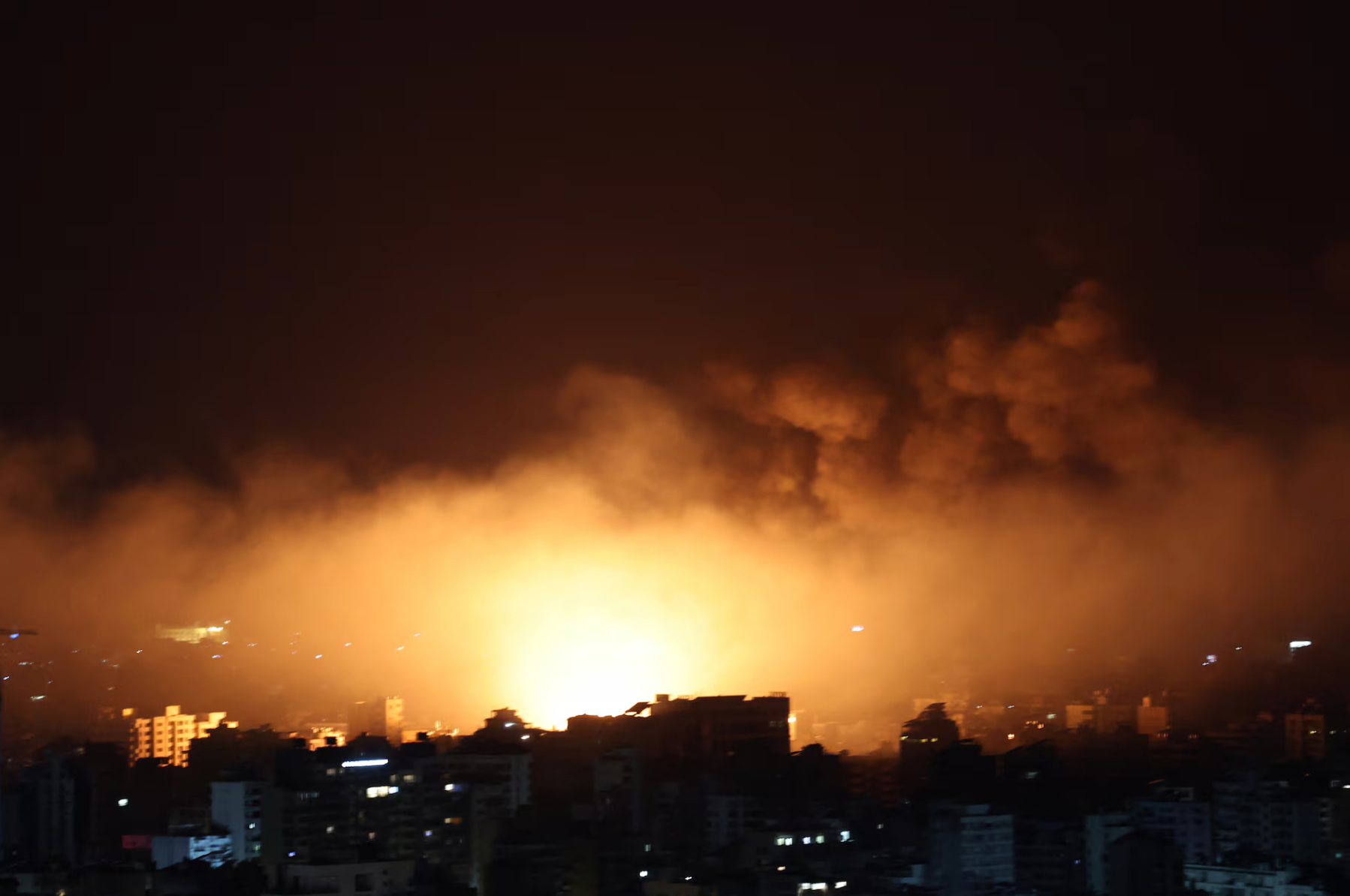
Israel says it carried out a precision airstrike on Beirut. Witnesses told Reuters they heard a large explosion, and a security source said the attack targeted a building in Beirut's central Bachoura neighborhood, near Parliament. This was the closest Israeli attack to the Lebanese government center.
At least six people were killed and seven injured, according to Lebanese health officials. A photo being shared on Lebanese WhatsApp groups shows a heavily damaged building with the first floor on fire.
Three missiles also struck the southern suburb of Dahiyeh, where Hezbollah leader Hassan Nasrallah was killed last week, and according to Lebanese security officials, a large explosion was heard. The southern suburbs were hit by more than a dozen Israeli attacks on October 2nd.
One day after Iran fired more than 180 missiles at Israel, Israel said on October 2 that eight soldiers had been killed in ground fighting in southern Lebanon as its forces advanced into the territory of its northern neighbor.
The Israeli military said that infantry and armored units were involved in ground operations in Lebanon on October 2nd as Iran's missile attack and Israel's promise of retaliation raised fears that the oil-producing Middle East region could be drawn into a wider conflict.
Hezbollah said its fighters clashed with Israeli forces inside Lebanese territory. The movement reported ground clashes for the first time since Israeli forces crossed the border on September 30. Hezbollah said it destroyed three Israeli Merkava tanks with missiles near the border town of Maroun El Ras.
The Lebanese Ministry of Health said Israeli airstrikes have killed at least 46 people in southern and central Lebanon over the past 24 hours.
Iran said on October 2 that its largest-ever missile attack on Israel was over unless further provocation occurred, but Israel and the US vowed a strong response.
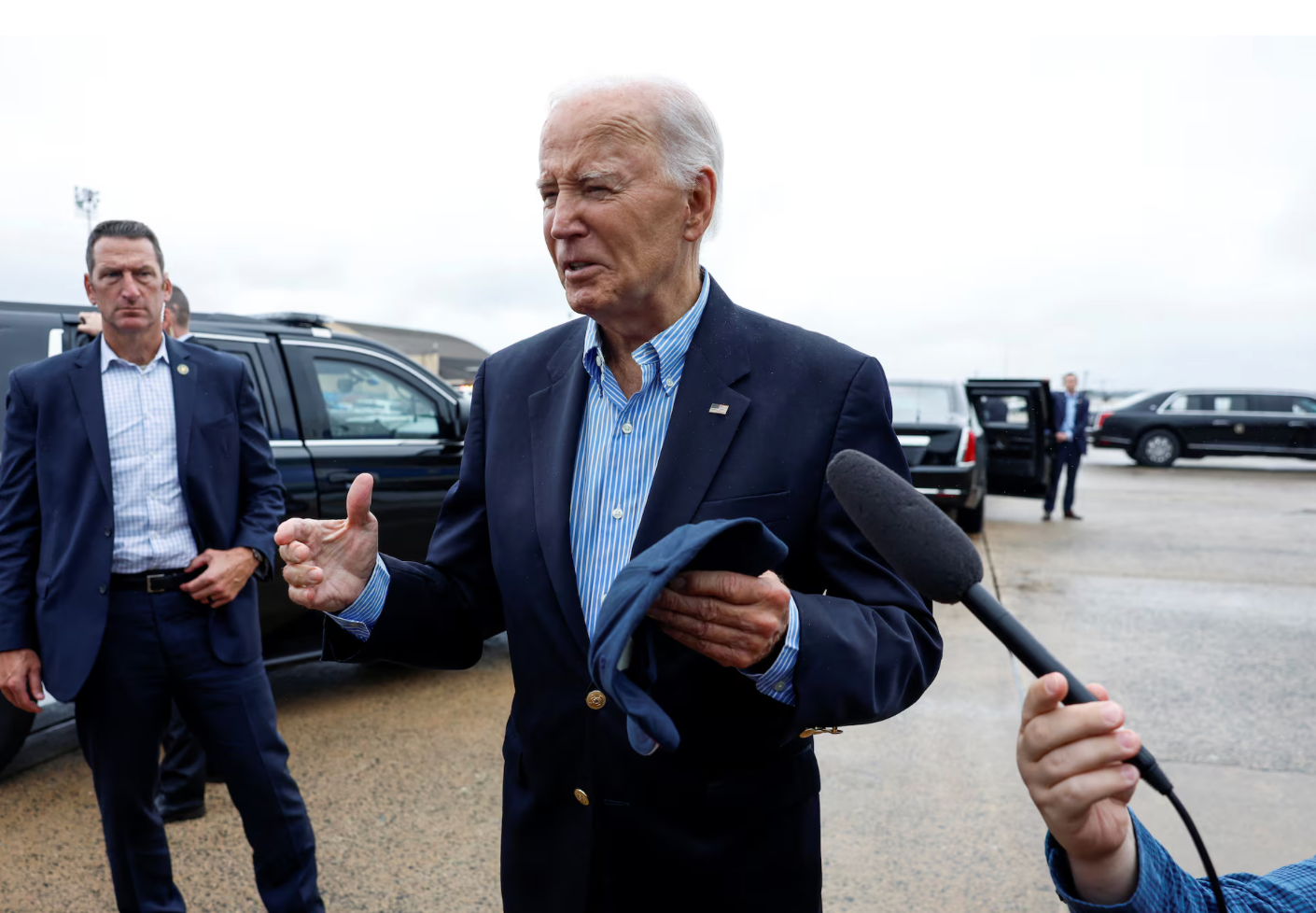
US President Joe Biden said he would not support any Israeli attack on Iranian nuclear sites in retaliation for the country's ballistic missile strike and called on Israel to act "balanced" toward its regional adversary.
The White House said Biden spoke by phone with G7 leaders on October 2 to coordinate a response, including new sanctions against Tehran.
G7 leaders expressed "strong concern" about the Middle East crisis but said a diplomatic solution remains possible and that a region-wide conflict would not benefit anyone.
Hezbollah said it had pushed back Israeli forces near several border towns and also fired rockets at military outposts inside Israel.
Mohammad Afif, head of communications for the paramilitary forces, said these battles were only the "first round" and that Hezbollah had enough fighters, weapons, and ammunition to push back Israel.
Israel's reinforcement of infantry and armored forces from the 36th Division, including the Golani Brigade, the 188th Armored Brigade, and the 6th Infantry Brigade, suggests the operation may expand beyond limited raids.
The Israeli military said its incursion was primarily aimed at destroying tunnels and other infrastructure along the border and had no plans for a broader operation targeting Lebanon's capital Beirut in the north or major cities in the south.
1.2 million Lebanese people have been displaced.
However, Israel has issued new evacuation orders for about two dozen towns along its southern border, requiring residents to move north of the Awali River, which flows from east to west and is about 60 kilometers north of the Israeli border.
More than 1,900 people have been killed and over 9,000 injured in Lebanon during nearly a year of cross-border conflict, with most of the deaths occurring in the last two weeks, according to Lebanese government statistics.
Interim Prime Minister Najib Mikati said that around 1.2 million Lebanese have been forced to leave their homes due to Israeli attacks.
Iran described the October 1 missile attack as a response to Israel's killing of Hezbollah leaders, including Nasrallah, attacks in Lebanon targeting the group, and Israel's war against Palestinian Hamas militants in Gaza.
There were no casualties from the missile attack in Israel, but one person was killed in the occupied West Bank.