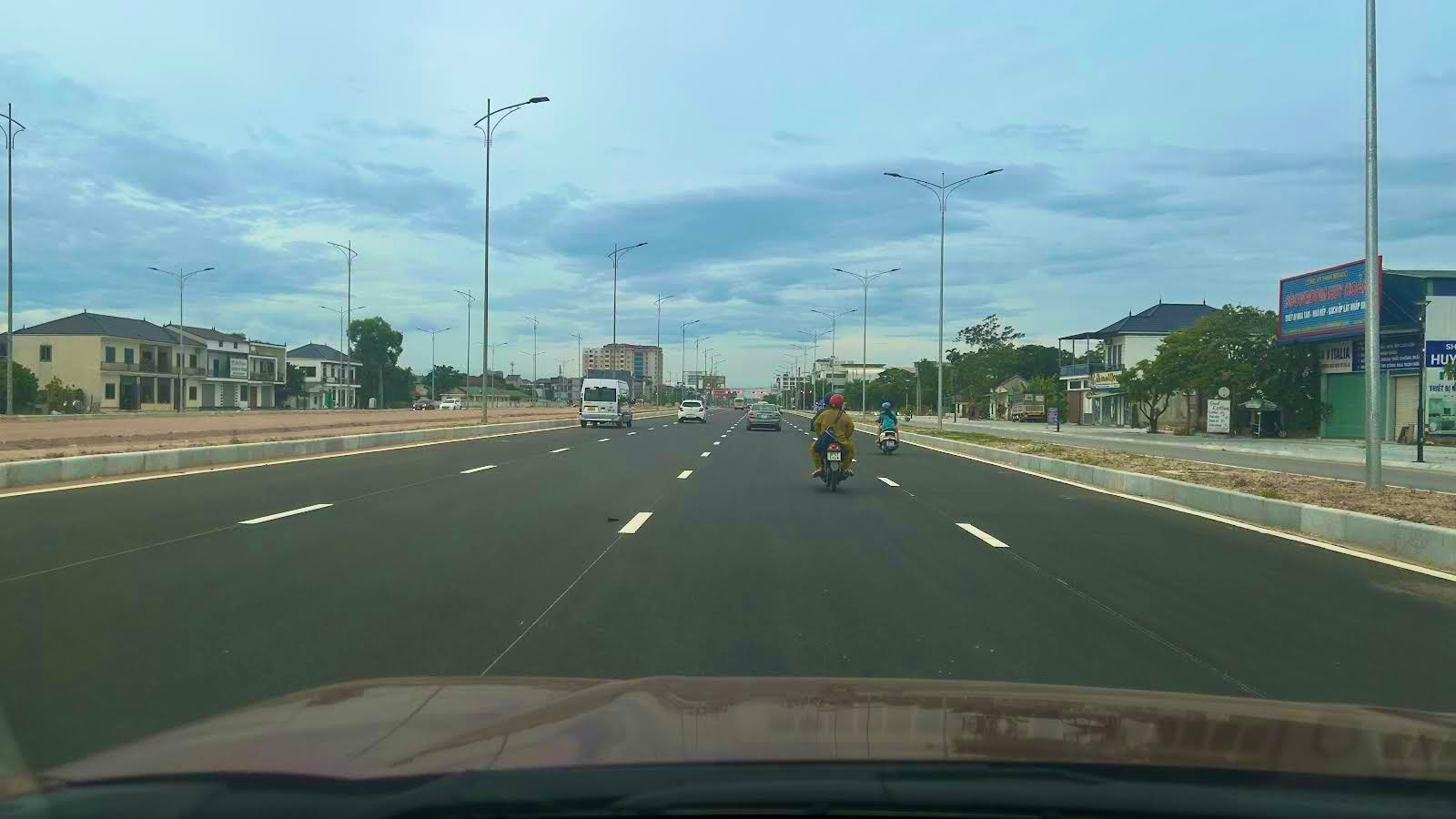
Vision for developing Vinh into a green city.
Resolution No. 39/NQ-TW dated July 18, 2023, of the Politburo on the construction and development of Nghe An province until 2030, with a vision to 2045, affirms: “Focus on investment and have superior mechanisms and policies to develop Vinh city into the economic and cultural center of the entire North Central region; invest in the development of a synchronous socio-economic infrastructure, in the direction of green, smart, and modern.”
Green City
In our country, the concept of a green city is still quite new. Many people still understand a green city as one with many parks, trees, and bodies of water, perhaps with the added benefit of using renewable energy for buildings and planting trees on rooftops. Some urban areas in Hanoi and Ho Chi Minh City, which are called ecological or green cities, have only gone as far as having many trees.
Meanwhile, European countries have set criteria for achieving green cities, including: Green space: cities with high density of greenery, a high ratio of green space to people, attention paid to public spaces, parks, and water bodies; Green buildings: Greening of buildings, green materials, energy saving, prioritizing energy and resource conservation, rainwater harvesting and storage, water conservation, efficient energy use, and environmentally friendly materials; Green transportation, green industry; Green urban environmental quality; and Environmentally friendly residential communities.
Therefore, regardless of whether the concept is sufficient or not, in order to move towards a green city, the issue of green space is prioritized and plays an extremely important role and significance.
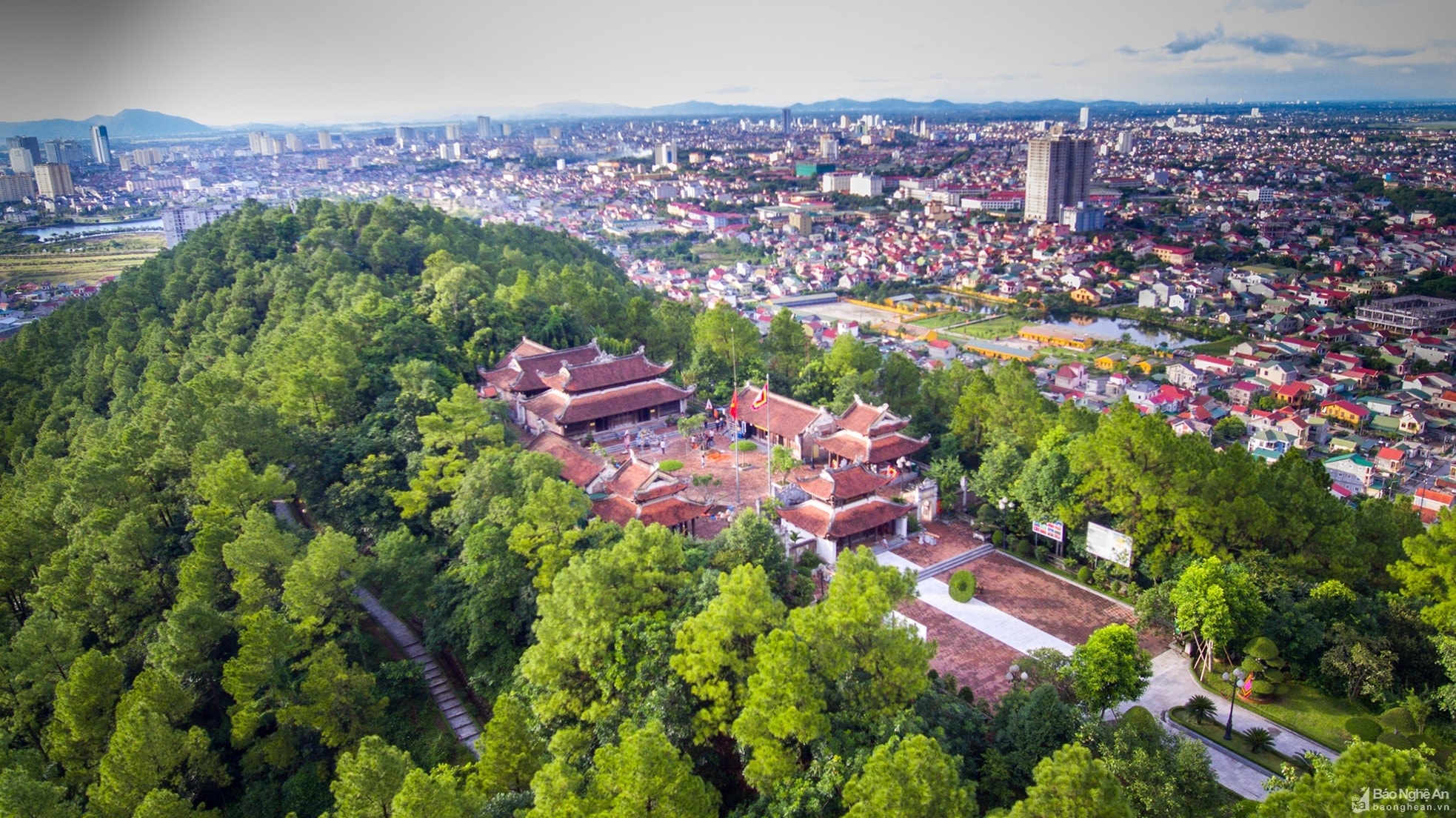
The role of maintaining ecological balance in urban areas:Greenery is not only the lungs of the city but also plays a significant role in the overall urban landscape ecosystem, whether in a monolithic or biodiverse state. It improves the living environment, enhances urban aesthetics, evokes emotions in people, and contributes to the development of other secondary ecosystems. Essentially, the landscape ecosystem encompasses both natural and man-made landscapes.
Its role as urban landscape art:Landscape trees have become familiar due to the natural beauty of their diverse species of trees, grasses, and flowers. Architects, urban planners, and managers, as well as ordinary citizens, use them to decorate gardens, streets, and parks. Landscape trees are classified into many types according to their ecology, intended use, shape, color, and characteristics. The arrangement of trees to create urban landscapes is an art form, and the techniques of tree planting are constantly developing with various methods of grafting, shaping, bonsai, etc. Besides these, they also play many other roles.
Lurban karma
Urban forestry can be defined as a network or system of forest belts, a collection of concentrated or individual trees in urban and suburban areas; including: forests, trees on streets, roundabouts, trees in parks, home gardens, street corners, roadsides, riverbanks, lakeshores, coastlines, orchards, farms, and rooftops. Urban forestry is the backbone of green infrastructure as well as connecting urban and rural areas, while improving the environmental imprint of cities (FAO 2017).
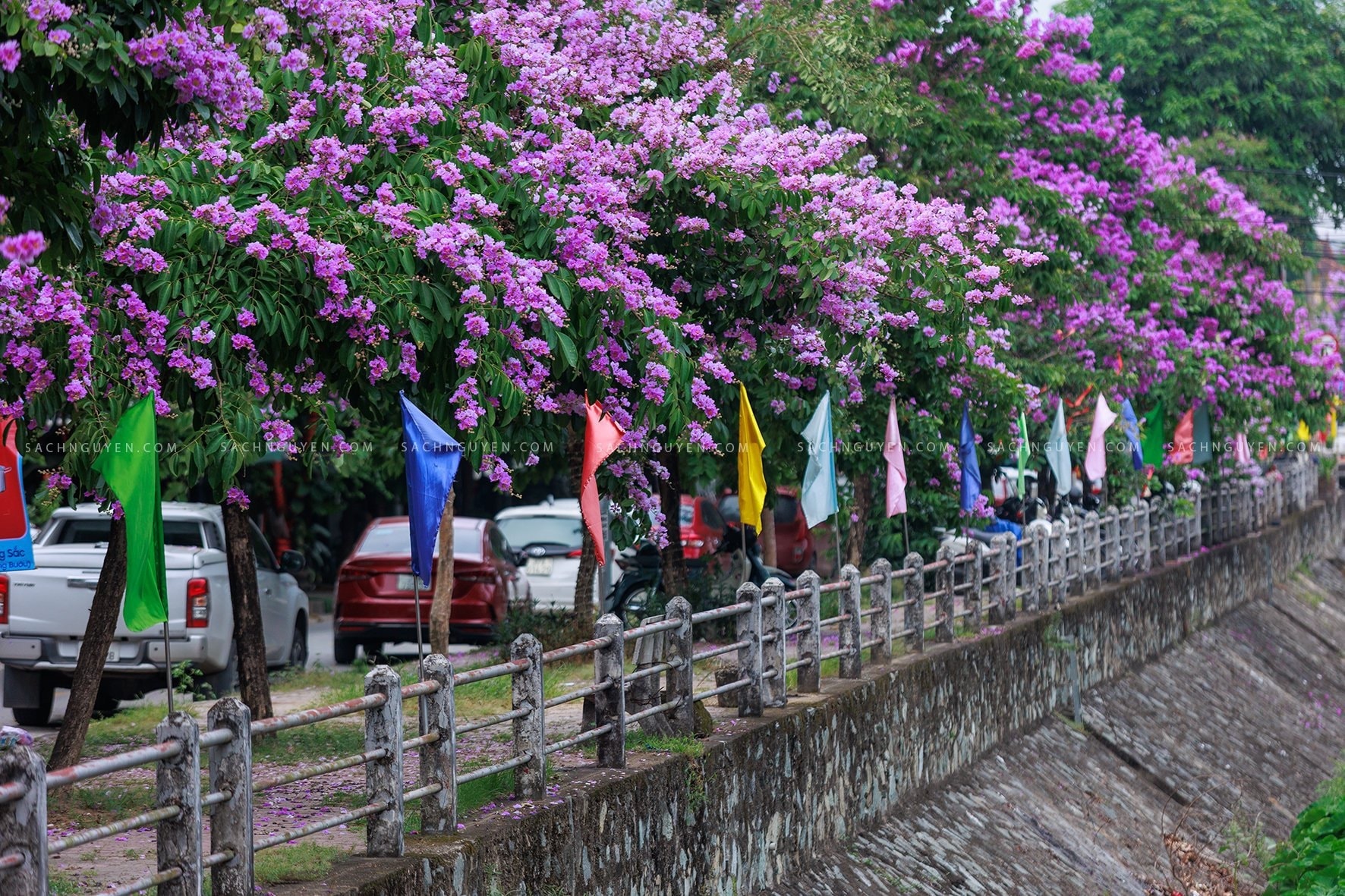
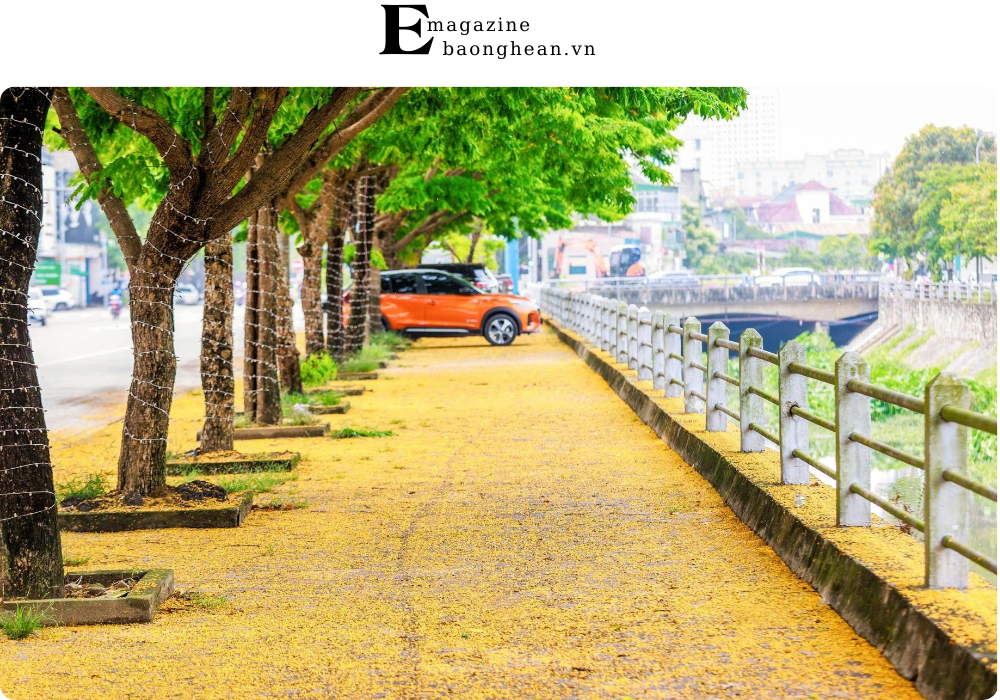
Over the years, Nghe An province has paid great attention to developing its green space system, especially in Vinh City, which has a climate characterized by hot sunshine and scorching hot winds from Laos. According to a report by the Vinh City People's Committee, the average green space per capita in the city reaches 1.9 square meters.2/person. Alongside the lush green trees lining the streets are carefully maintained and protected forests, such as those in Quyet Mountain Forest Park, Ho Chi Minh Square, and Ecopark Hung Hoa… Many streets have had unsuitable trees replaced and new ones planted according to themes, creating highlights for the city. Many rows of trees along the streets are not only green and healthy but also beautiful, becoming popular check-in spots for young people in recent years. It can be said that urban greenery has made Vinh City cooler and more impressive.
However, it can be said that, like many cities in Vietnam, Vinh's urban green space ratio is very low, lower than the national average and only about 1/10 of that of cities worldwide. Meanwhile, the green space per capita ratio in modern cities around the world is commonly between 20-25 square meters.2/person. Many countries have high rates, such as Singapore at 30.3 million.2/person, Seoul 41m2Furthermore, the city currently lacks a comprehensive urban green space development plan, so the principle of "choosing the right tree and planting it in the right place" is sometimes inconsistent, resulting in an unattractive layout...
Vinh City is currently undergoing a spatial expansion, merging with Cua Lo town and several communes of Nghi Loc district, becoming a city with a coastline, rivers, lakes, and rural buffer zones… Aiming for a green, smart, and modern urban area as outlined in Resolution No. 39/NQ-TƯ, developing green spaces for the city is an urgent and long-term task. To contribute to achieving this goal, we propose the following:
It is necessary to promptly implement the urban forestry development plan for the expanded Vinh City. Urban forestry planning should focus on organizing it into various structures such as protective corridors for rivers, streams, lakes, hills, parks, flower gardens, tree-lined streets, green spaces, and family gardens. Within the city, there should be continuous green spaces with a distance of 200 meters and a minimum area of 0.1 hectare, which will effectively cool the air and create natural ventilation for the area.
Secondly, attention must be paid to the green belt element. Defining the green belt is crucial, not only to limit uncontrolled urban development but also to affirm urban identity. Furthermore, the green belt serves as an interface between urban and rural areas, acting as a connecting link between the two parts. Therefore, it must be carefully considered and defined based on a thorough analysis of the current situation. In particular, the expanded Vinh City already has two central urban areas, so attention should be paid to the connecting area between Vinh and Cua Lo, following the principle of "City within a village, village within a city."
After the planning is complete, it is necessary to design and select tree species for each space according to the principle of "choose the right tree, plant it in the right place." Urban forestry is not only a matter of forestry science but also an art of architecture related to landscape, urban structure, microclimate factors, and even cultural and spiritual elements.
Therefore, it is necessary to consider factors such as seasonal plant ecology and planting density to create a suitable environment and landscape. In addition, attention should be paid to the combination of plant species related to plant ecology, such as the French combining milkwood trees with tamarind trees in Hanoi. Scientists advise against planting the same species too densely (making them susceptible to pests and diseases), and against planting many trees of the same age on the same street (avoiding mass replacement). Furthermore, to achieve beautiful layouts, some flowering trees can make a strong impression when standing alone among other green trees, such as the golden shower tree or the flamboyant tree. However, some species, when planted in rows of 5-7 trees, create a better impression, such as teak or black ebony.
The third issue is the need to standardize and adhere to techniques for nursery cultivation, planting, care, and maintenance of urban trees. The lesson learned from the excessive number of urban trees that have fallen or broken during storms and strong winds in cities shows that adherence to nursery cultivation, planting, and care techniques has not been good or serious enough. Vietnam in general, and Nghe An in particular, are frequently affected by storms, tornadoes, and strong winds, so the principle of "large trees, large root balls" should be noted. According to technical experts, only trees with a standard trunk diameter of 5cm and a height of 3m should be planted. When nursery cultivation, proper root balls should be used to ensure balanced root development and prevent damage to the taproot.
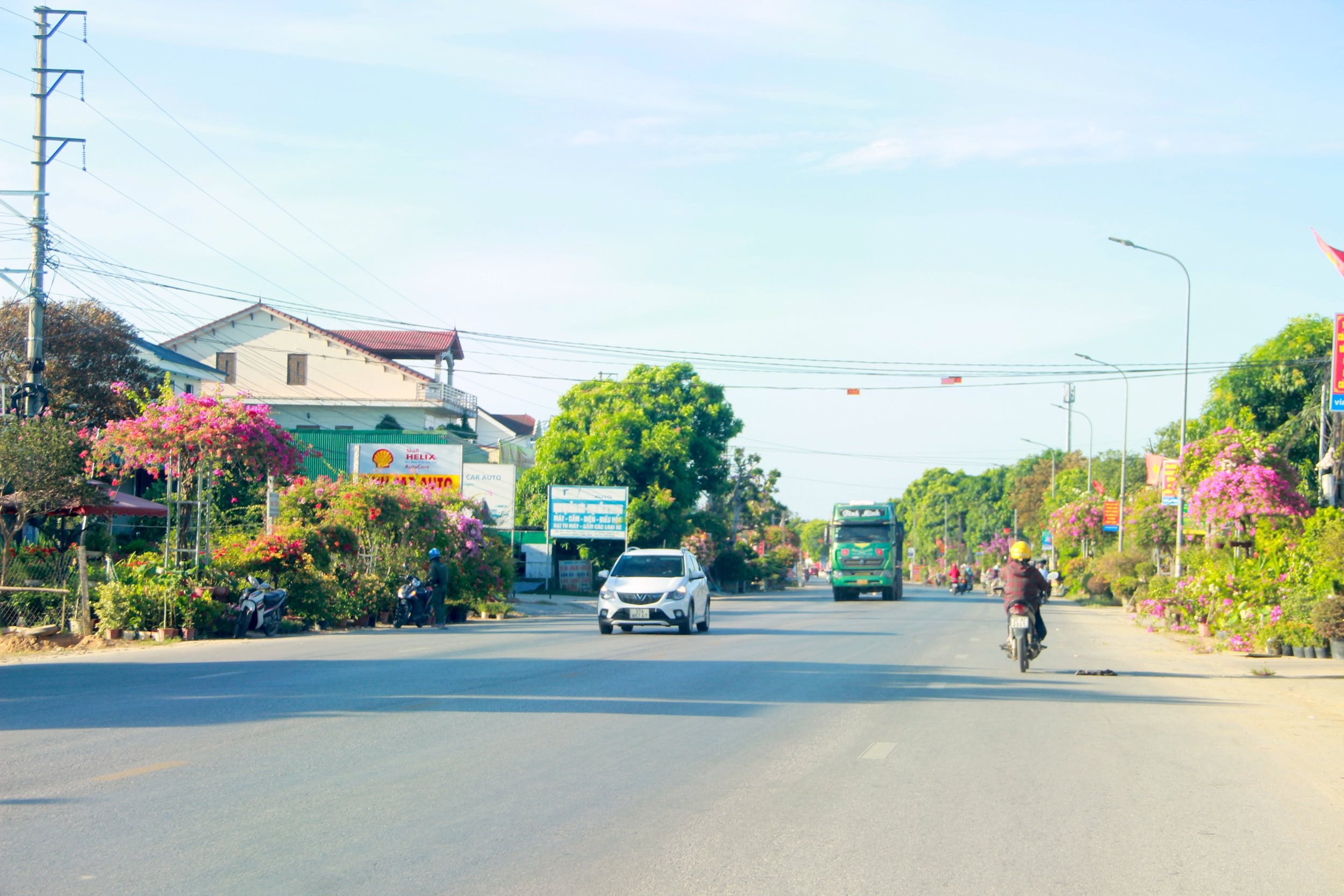
Furthermore, it is necessary to plant tree species suitable for each location and its infrastructure so that the roots can develop. Simultaneously, the size of the planting holes and the use of fertilizers and growing media must be ensured. Seasonal and annual surveys are needed to assess the pest and disease situation and address problems promptly, including those affecting trees at risk of falling. Plans and budgets should be allocated for pruning, height control, and canopy shaping to "rejuvenate" the trees.
The fourth issue is the need to focus on applying advanced techniques to urban forestry. First, it's necessary to conduct trials to develop a set of urban tree varieties suitable for each region's topography, geography, and climate. Research should be conducted on the application of biodegradable netting in seedling production; simultaneously, a team of technicians needs to be trained who are knowledgeable not only in urban forestry techniques but also in architectural art. In particular, the application of information technology, GIS, etc., in urban forestry management is crucial.
Finally, socializing the planting, care, and management of urban greenery and forestry will enhance the mobilization of resources from the entire society.
Urban planning needs to incorporate laws on green space conservation, regulations on green space and water bodies, development regulations, design and planting standards, as well as long-term maintenance provisions. Short-term commitments to planting more trees are insufficient, because the success of urban forestry requires high standards of planting and care, a trained workforce, supportive implementation policies, and a full understanding of the role of urban forestry, leading to active participation from society.