

Identifying fraudulent schemes involving the misappropriation of land-related assets.
In recent years, land-related fraud has become increasingly complex, employing sophisticated methods. Despite warnings from authorities, some people still fall victim to these scams.
Enticing people to "contribute capital" or "invest."
Taking advantage of the volatility and attractiveness of the real estate market, some individuals have used deceptive tactics, soliciting capital contributions and joint ventures to defraud and misappropriate large sums of money. A typical example is the arrest of Nguyen Thi Thoan, residing in Dong Van commune, Thanh Chuong district, by the Criminal Police Department of Nghe An province on September 19, 2024, for the crime of "Fraudulent appropriation of property" through the scheme of joint capital contributions for real estate investment.
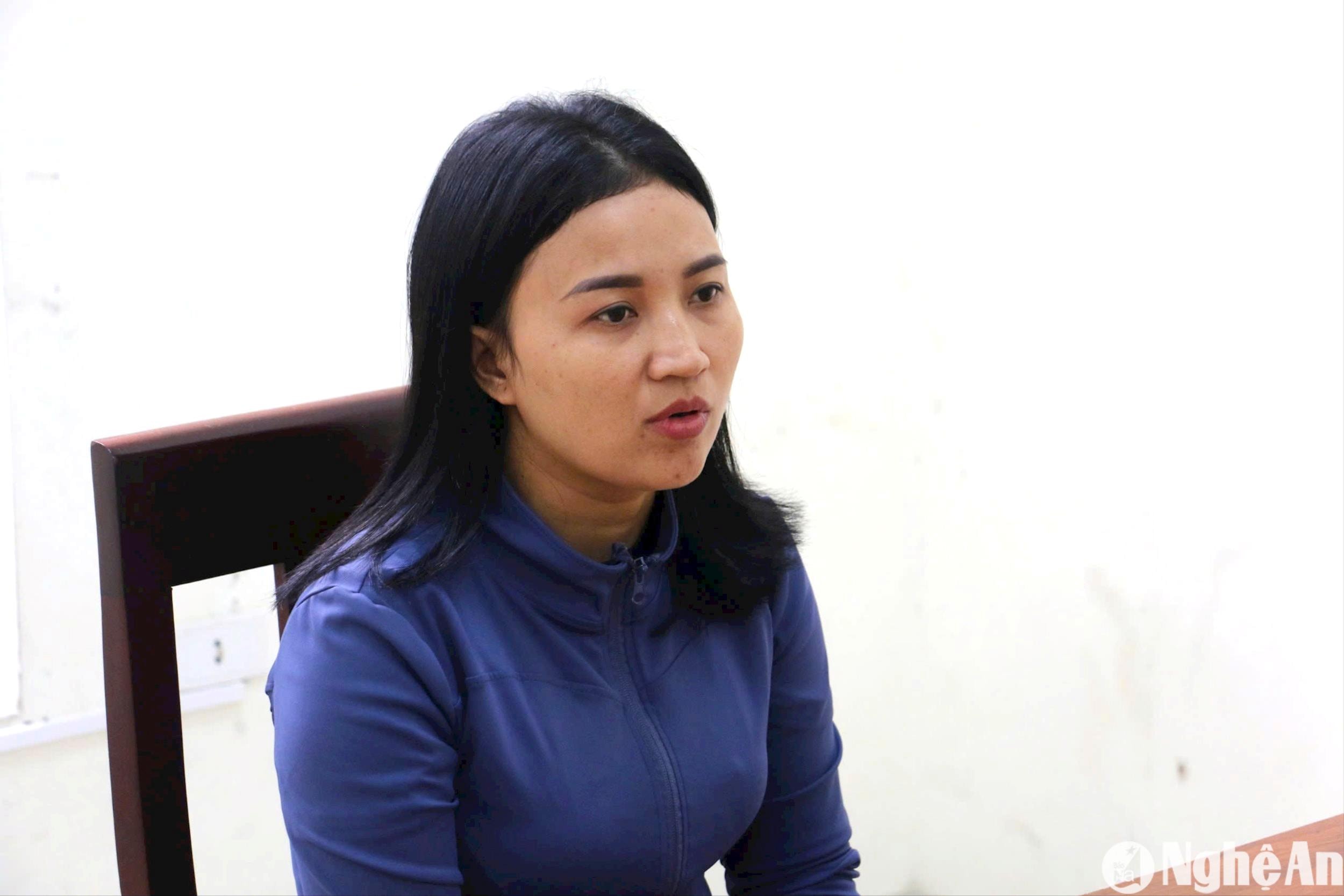
Accordingly, due to her acquaintance with a woman residing in the same locality, and knowing that the victim was capable of raising a large sum of money, Nguyen Thi Thoan informed the victim that she had a reputable older brother who was a successful businessman with many connections to invest in large, highly profitable real estate projects and was looking for partners to co-invest in real estate.
To gain the victim's trust, Thoan sent photos of himself with his brother, photos of construction sites, groundbreaking ceremonies, and land use right certificates to the victim, falsely claiming that these were projects his brother was investing in, and promising that these projects would generate tens of billions of dong in profit.
.jpg)
Thoan also informed the victim that she was a secretary assigned by her brother to raise capital for real estate investment. When profits were made, Thoan would receive money from her brother and then return the principal and profits from the real estate to the investors.
Trusting the information Thoan provided, the victim transferred money to Thoan multiple times. The total amount that Thoan embezzled from the victim was over 7.2 billion VND.
Using the same tactic of soliciting joint investment in real estate, Ha Thi Tam (born in 1980), residing in Nghi Thu ward, Cua Lo town, defrauded Nguyen Van Th. (born in 1986, residing in Cau Giay district, Hanoi) of 1 billion VND. To gain the victim's trust, Tam created a deposit contract for land purchase and requested Th. to contribute capital.
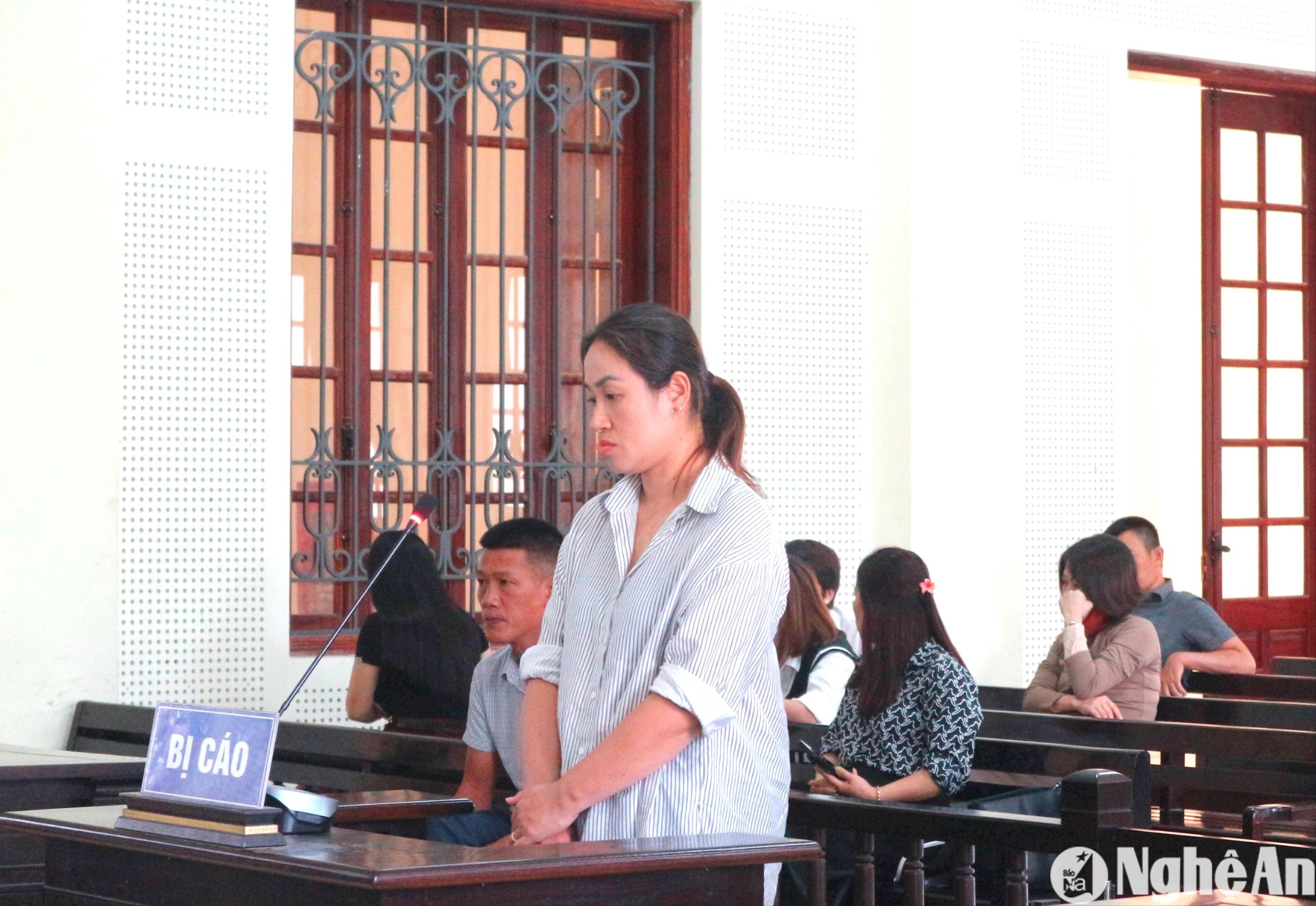
After transferring money to Tam for the land purchase and repeatedly requesting legal documents for the jointly purchased plot, but Tam was unable to provide them, Mr. Th. realized he had been scammed and filed a complaint against Tam with the police. At the trial held on September 27, 2024, the People's Court of Nghe An province sentenced Ha Thi Tam to 7 years in prison for the crime of fraud and appropriation of property.
Exaggerating their extensive connections and using forged documents to gain trust.
Bên cạnh kêu gọi hùn vốn, các đối tượng lừa đảo còn sử dụng giấy tờ giả (sổ đỏ giả, hồ sơ đất đai giả… ) để chiếm đoạt tiền của bị hại thông qua việc mua bán, chuyển nhượng bất động sản.
Theo đó, thông qua mạng xã hội, các đối tượng đặt mua con dấu giả của cơ quan chức năng để làm giả giấy tờ liên quan đến chuyển nhượng quyền sử dụng đất; thể hiện nội dung các thửa đất tại vị trí đẹp và tung tin thửa đất đó đang được nhiều nhà đầu tư quan tâm, đánh vào tâm lý “không mua là mất” của nhiều khách hàng. Các giấy tờ giả này được làm giống thật, khó phân biệt được với bản gốc khiến nhiều người sập bẫy.
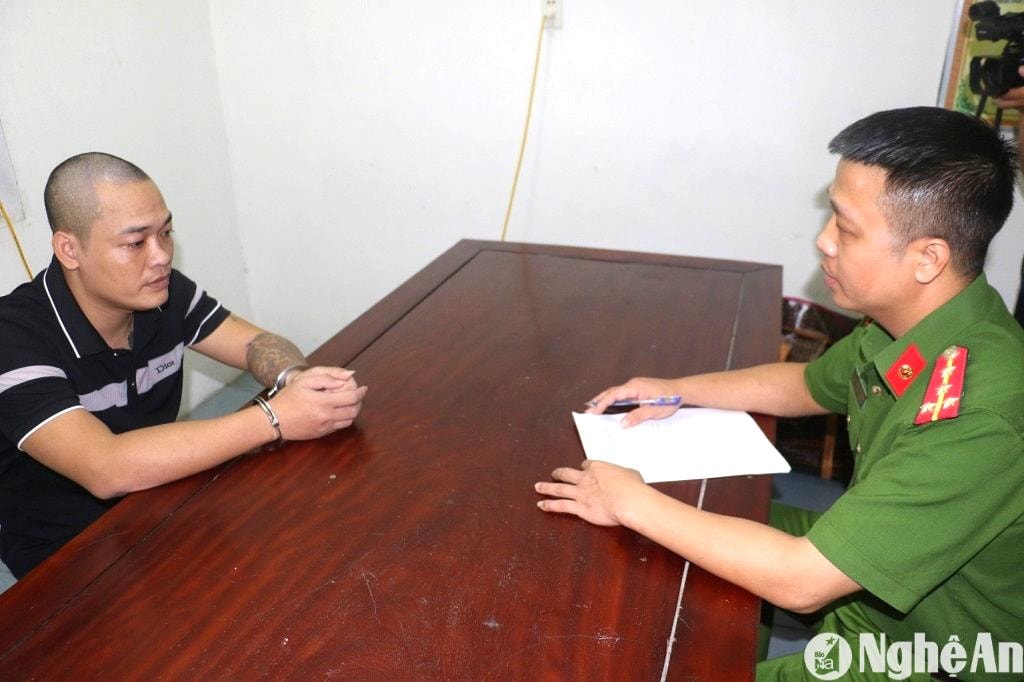
Một số đối tượng còn “nổ” có mối quan hệ rộng, có thể giải quyết các thủ tục đất đai để chiếm đoạt tài sản. Điển hình trong tháng 10/2023, Công an huyện Nghi Lộc đã ra quyết định khởi tố vụ án, khởi tố bị can Lê Thanh Hưng trú tại xã Diễn Kỷ, huyện Diễn Châu về tội Lừa đảo chiếm đoạt tài sản.
Theo kết quả điều tra, Lê Thanh Hưng tự nhận có khả năng giải quyết thủ tục "trọn gói" về đất đai như: Làm hồ sơ chuyển đổi mục đích sử dụng đất, thay đổi thông tin trên giấy chứng nhận quyền sử dụng đất, làm hồ sơ xin tách thửa và cấp giấy chứng nhận quyền sử dụng đất.
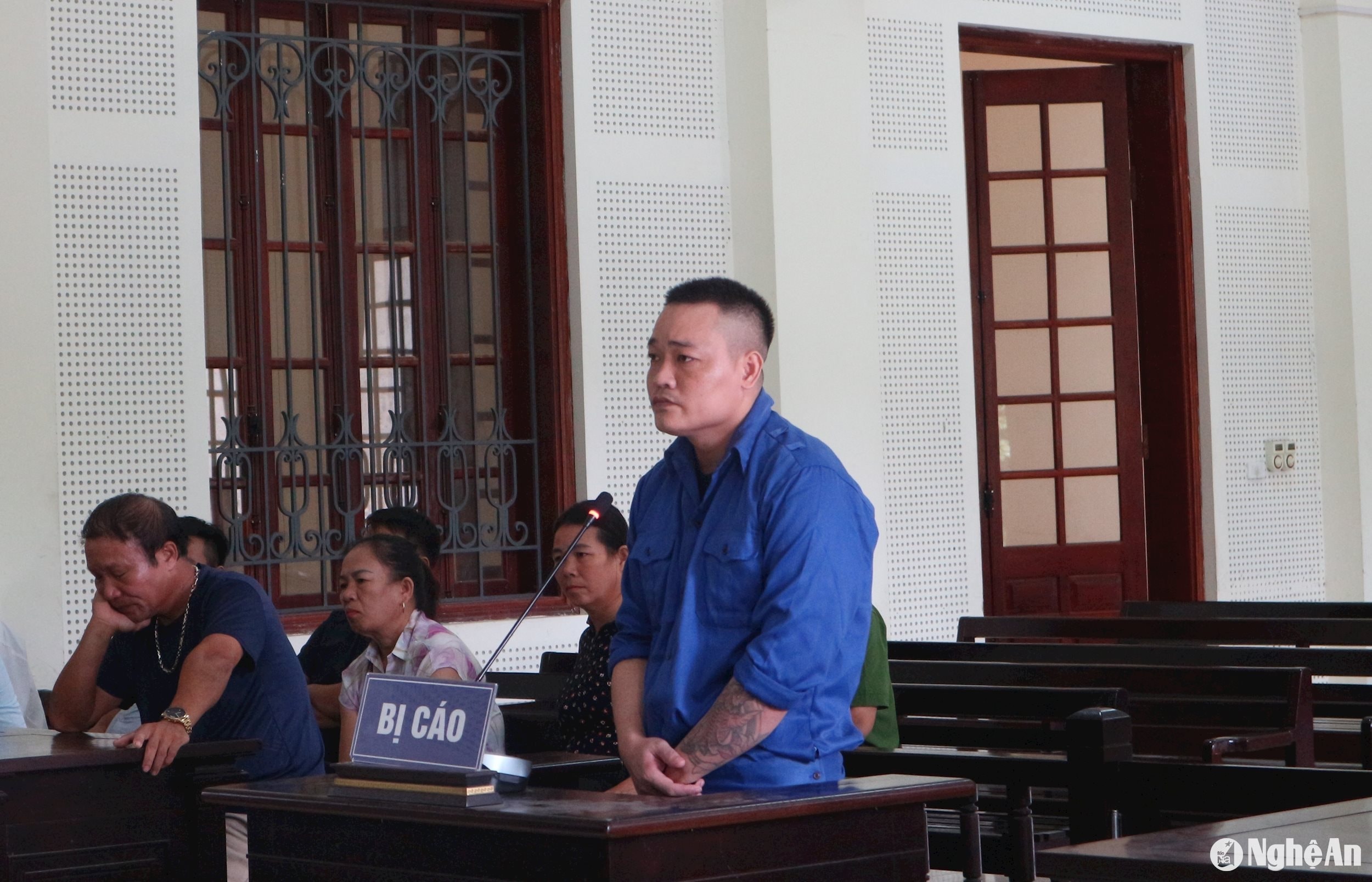
Để bị hại tin tưởng, sau khi nhận tiền, Hưng làm giả giấy biên nhận hồ sơ đăng ký quyền sử dụng đất, sử dụng con dấu giả của ngành chức năng đóng dấu để đưa cho bị hại. Bên cạnh đó, lên mạng xã hội đặt làm giả giấy chứng nhận QSDĐ rồi đưa cho các nạn nhân.
Bằng thủ đoạn trên trong thời gian từ cuối tháng 10/2022 đến tháng 6/2023, Hưng đã lừa đảo, chiếm đoạt tài sản của 6 bị hại với tổng số tiền hơn 2,7 tỷ đồng.
Tại phiên toà diễn ra vào ngày 10/9/2024, TAND tỉnh Nghệ An đã tuyên phạt Lê Thanh Hưng 16 năm về tội "Lừa đảo chiếm đoạt tài sản" và 6 năm tù“Làm giả tài liệu của cơ quan tổ chức; Sử dụng con dấu, tài liệu giả của cơ quan, tổ chức”.
Một thửa đất bán nhiều lần
Along with fraudulent schemes such as misappropriating deposits; defrauding people by impersonating developers or reputable individuals to sell land; and fraudulently buying and selling real estate using fake land titles and documents, fraudsters also use the tactic of creating "phantom" projects to entice people to invest money or selling the same property to multiple people.
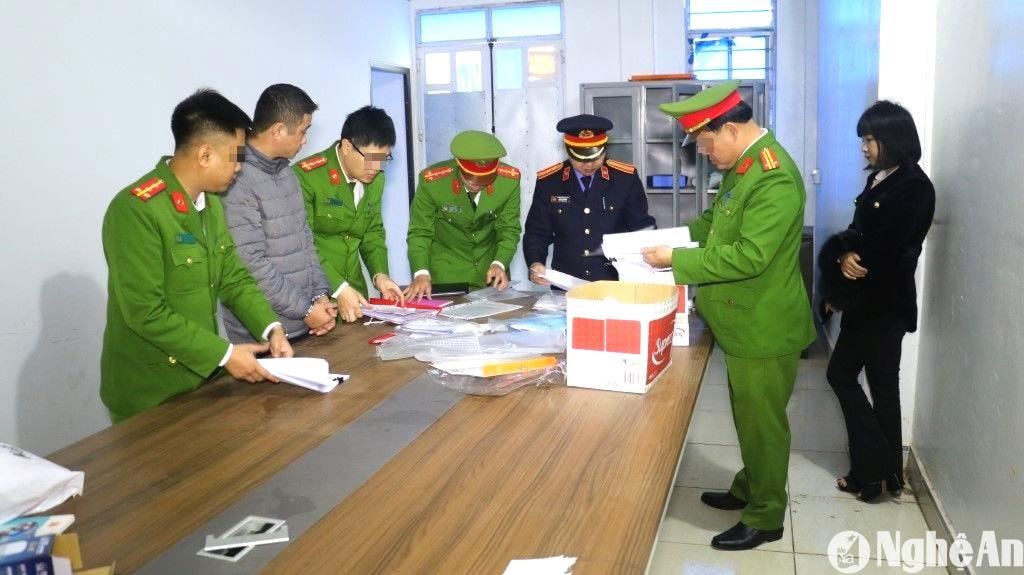
For example, Mai Xuan Dieu (residing in Dien Phuc commune, Dien Chau district) - former Director of the Investment and Construction Joint Stock Company - was prosecuted by the Criminal Investigation Agency of the Nghe An Provincial Police for the act of "abusing trust to appropriate property".
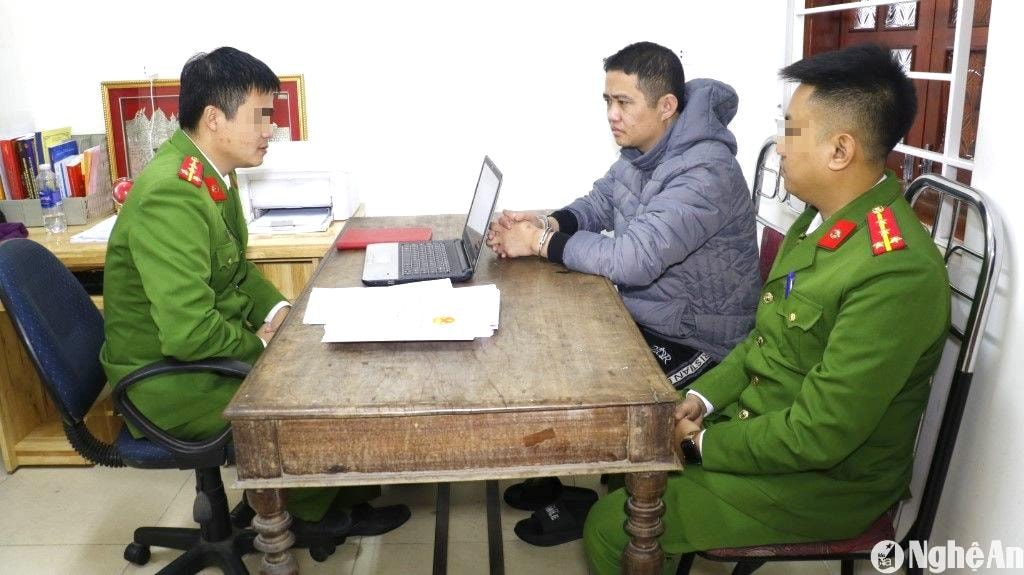
During the investigation, the police determined that Mai Xuan Dieu had organized the purchase of land from many people, then proceeded to subdivide and resell it.
However, after receiving the transfer money from the customers, Mai Xuan Dieu did not fulfill his commitment but continued to resell the properties to others, thereby defrauding the victims.
Using the "cover" of being a government official.
In addition, some individuals exploit loopholes in the law and limitations in state management, taking advantage of people's desire to buy land with quick procedures and reasonable prices, and to quickly transfer ownership to profit from fraudulent activities and misappropriate assets.
Notably, some of the scammers were former officials in government agencies, so many people fell for their trap because they trusted them.
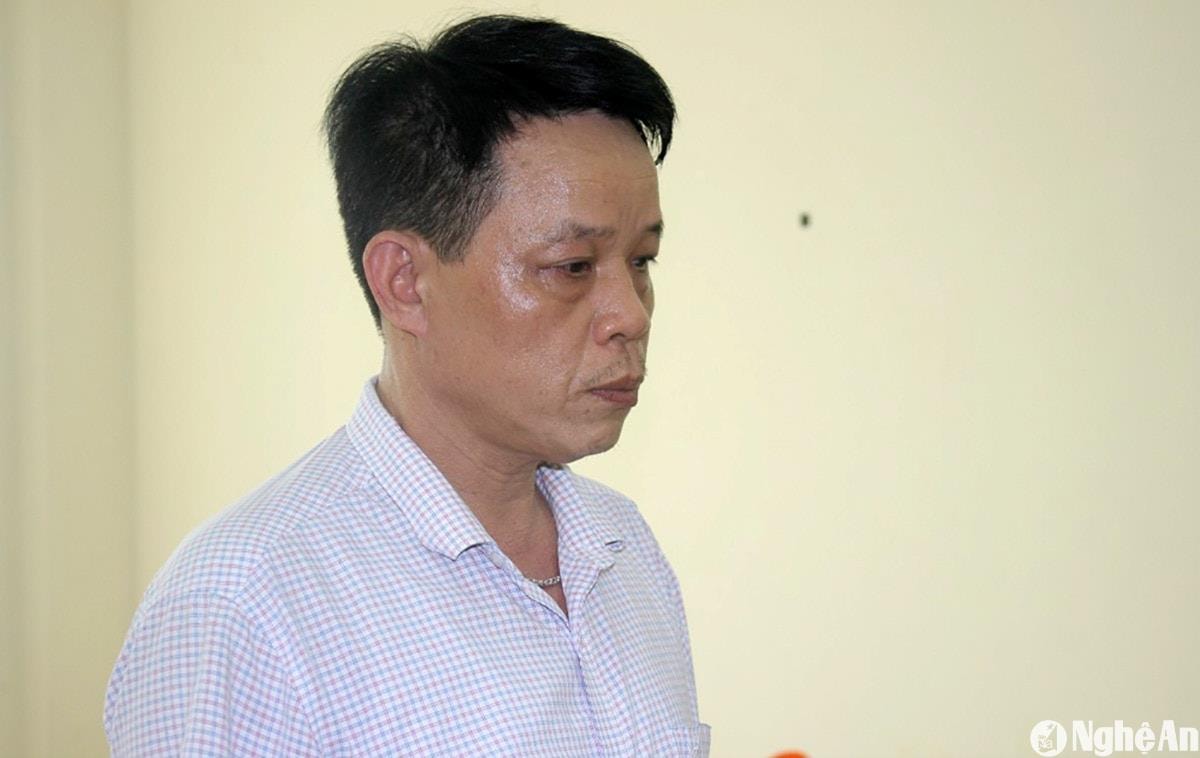
A typical example is the case of Le Van Binh (born in 1970), who used the guise of being the Team Leader of the Urban Order Management Team of Cua Lo town to solicit and persuade people to jointly invest in land in localities in Cua Lo town, Nghi Loc district, and Vinh city, amounting to tens of billions of VND, and then defrauded them of their assets.
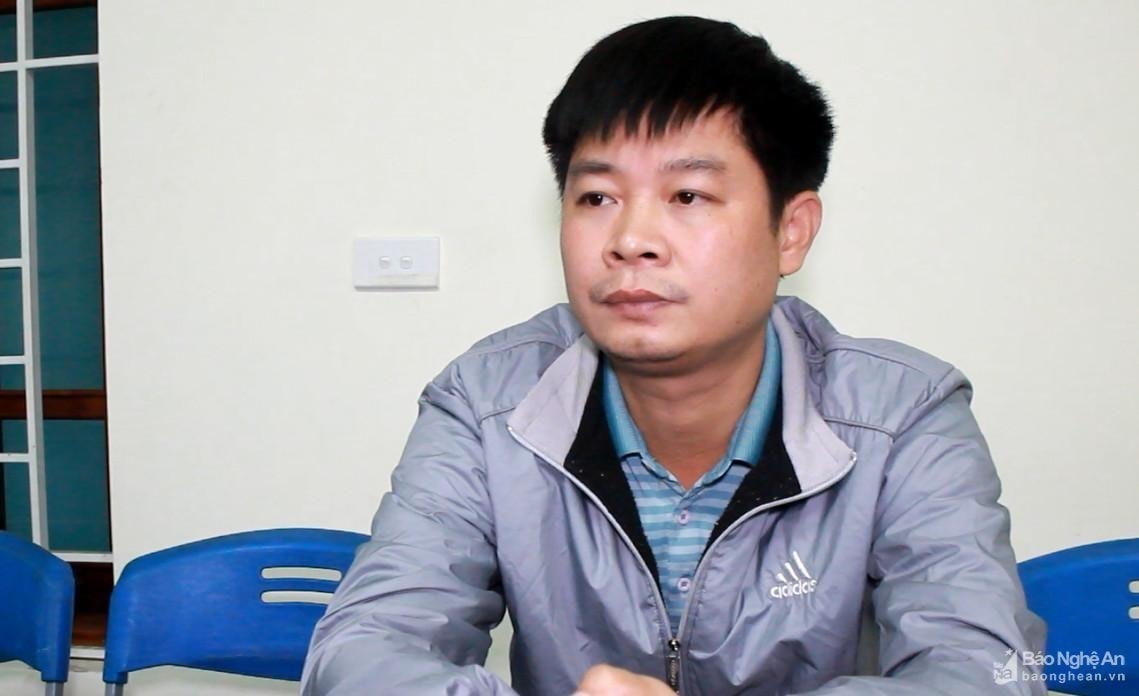
Tran Van Giang, a former land administration official in Hung Dung ward, Vinh City, took advantage of the land "fever" by proactively approaching acquaintances (mostly people with good economic conditions, large amounts of idle money, or officials and civil servants) and boasting that he was a land administration official with information about land plots that the owners wanted to buy and sell. He then persuaded the victims to give him money for "investment." After receiving the money, Giang used it to pay off debts and for personal expenses.
Maintain heightened vigilance and tighten management.
Given the above situation, the police recommend that people who need to buy land or invest in real estate should proactively verify the legal status of the land plot. If investing through a broker, they should carefully research the broker's personal information, directly participate in verifying the information in the contract with the authorities to avoid risks, and should not trust the advertisements or enticements of the broker.
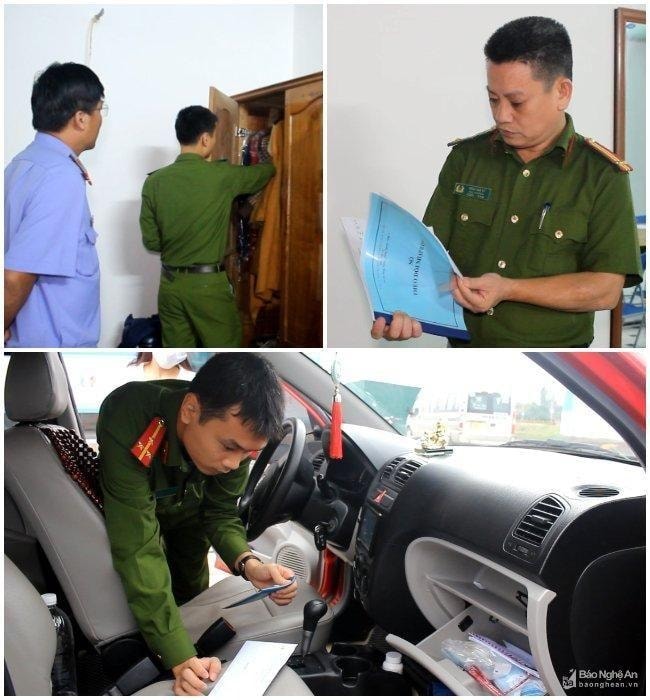
For projects with asking prices significantly lower than the market value, caution is advised, and thorough research is necessary before investing. During the buying and selling process, if any irregularities are detected, or if there are suspicions of forged documents or land titles, it is necessary to report them to the police for resolution.
Recently (September 23, 2024), the People's Committee of Nghe An province issued Official Document No. 8203/UBND-CN on strengthening the management and control of real estate prices.
Specifically, it requires relevant departments, agencies, and the People's Committees of districts, cities, and towns to strengthen the dissemination of land laws, especially regarding the issuance of land use rights certificates, ownership certificates for houses and other assets attached to land; to publicly announce information on land use plans, infrastructure development investment, and the merger, establishment, and upgrading of local administrative units; and approved real estate projects to ensure market transparency; and to prevent fraud, deception, and scams in real estate business.