

African swine fever outbreak re-emerges after floods.
Currently, there are over 40 outbreaks of African swine fever in Nghe An province across 14 districts, cities, and towns. The number of outbreaks is double that of previous months...
The epidemic is spreading rapidly.
Vinh Son commune is a locality with a strong advantage in pig farming in Anh Son district. However, currently, all hamlets in the commune have been affected by African swine fever, forcing local authorities to destroy tens of tons of pigs.
.jpg)
The family of Mr. Nguyen Huu The, residing in Vinh Tho hamlet, Vinh Son commune (Anh Son district), specializes in raising breeding sows. In early October, African swine fever spread to their herd, forcing them to cull 13 breeding sows, causing significant economic losses.
Mr. The said: "Raising sows is a long-term investment spanning many years. My family has proactively cleaned and disinfected the barns thoroughly, and restricted access, but the disease still appeared, causing the pigs to fall ill and die, forcing us to cull them. Our family's income depends on this herd, and now we don't know how to cope. Even restocking is difficult because the disease is still spreading rapidly."
.jpg)
According to statistics, Vinh Son commune has 3,500 pigs, mainly raised in households. African swine fever has broken out in recent months, especially from the beginning of October until now, affecting all 5 hamlets, with households reporting sick or dead pigs every day. To date, the commune has culled approximately 500 pigs with a total weight of over 20 tons.
Mr. Cao Thanh Luong, Chairman of the People's Committee of Vinh Son commune, said: African swine fever is spreading rapidly in the locality, especially after the recent floods. The rising water level in Vinh Son commune has flooded and dampened livestock farms, and the disease is spreading from affected households to other hamlets, making it very difficult to control.
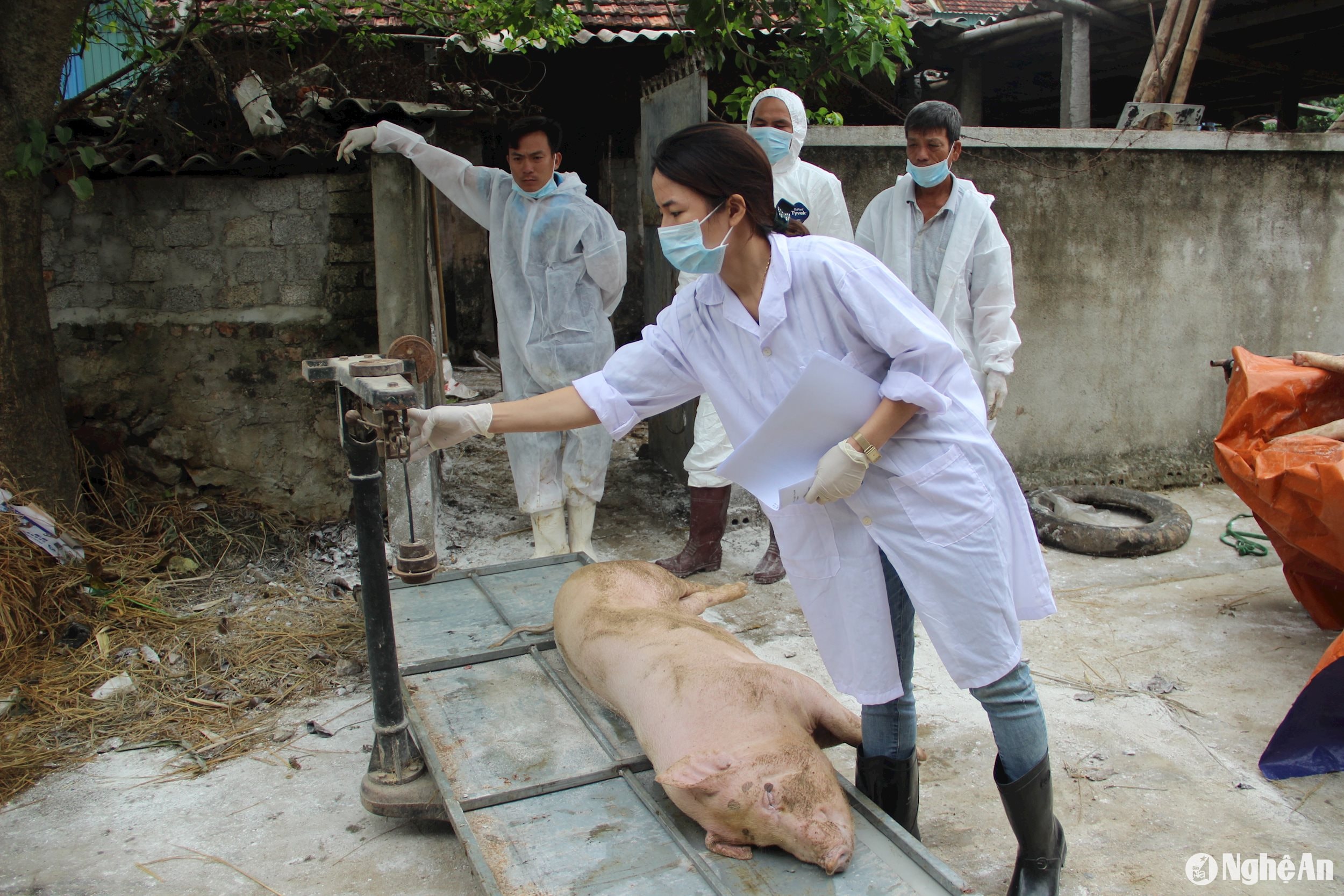
According to a report from Anh Son district, from September 15, 2024 to the present, African swine fever has appeared in 11 communes in the district, including Long Son, Phuc Son, Khai Son Lang Son, Vinh Son, Cao Son, Thach Son, Duc Son, and Hoi Son, affecting 51 villages and 207 households. A total of 835 pigs have died and been culled, with a total weight of over 46 tons. In particular, the disease is currently developing in a complex manner, with a risk of widespread outbreak, especially after the recent floods, as Anh Son was one of the most severely affected areas in the province.
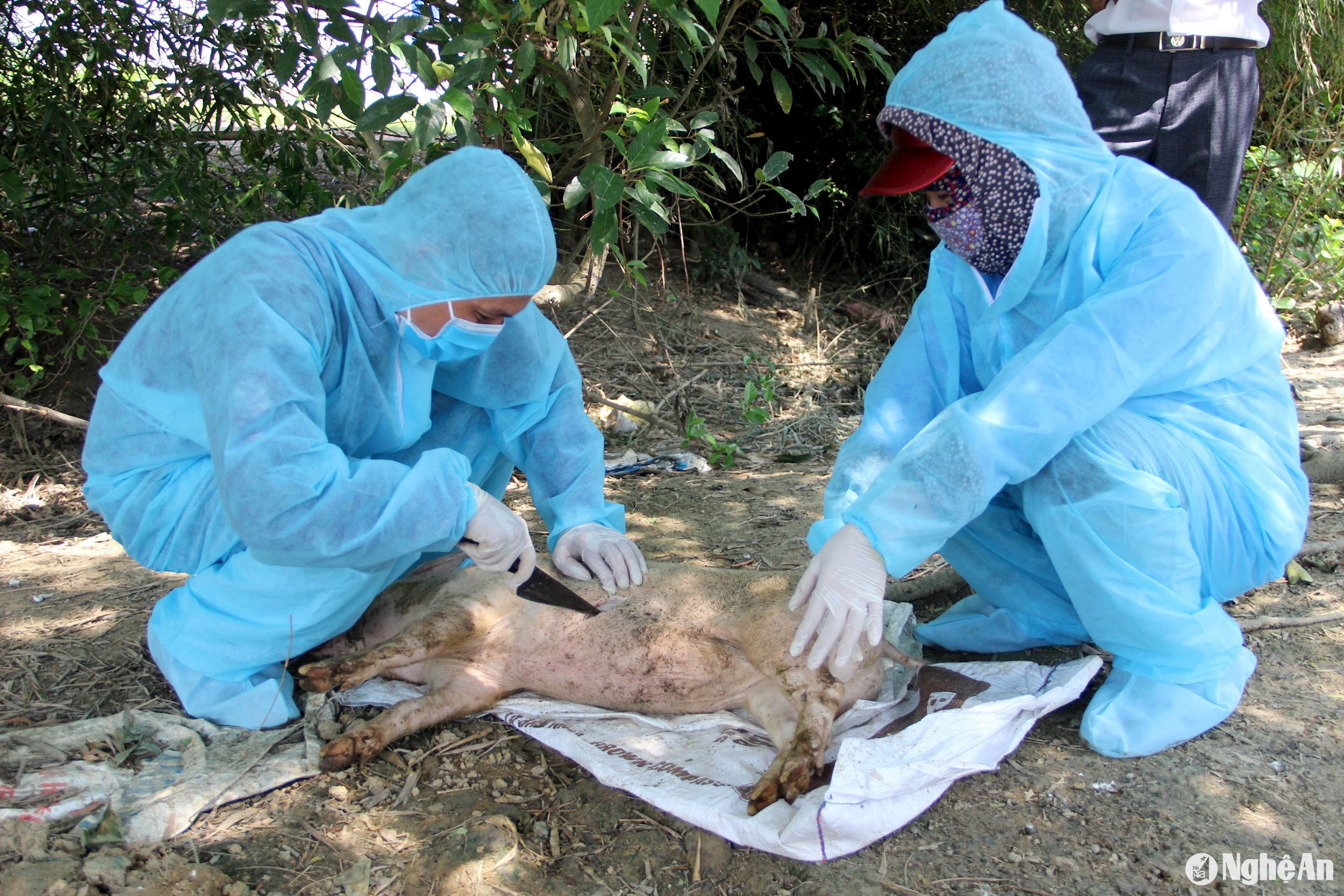
Mr. Hoang Xuan Cuong, Vice Chairman of the Anh Son District People's Committee, said: "In localities where outbreaks occurred, the district immediately established inspection teams to directly guide and direct each household. All sick and dead pigs testing positive for African swine fever were destroyed. Comprehensive disease prevention and control measures were implemented, including disease surveillance, public awareness campaigns, disinfection, and control of the transportation and trade of pigs and pig products... in all affected areas throughout the district."
However, Anh Son district borders many neighboring districts, has a national highway running through it, and numerous border crossings; the frequent trade in animals and animal products makes it very difficult to prevent diseases from entering the district from other areas. The disease causes very serious damage with a high mortality rate of up to 100%.
African swine fever is currently breaking out not only in Anh Son district but also in 14 out of 21 districts, cities, and towns. According to a report from the Provincial Department of Animal Husbandry and Veterinary Medicine, there are currently over 40 active outbreaks in the province that have not yet passed the 21-day quarantine period. The cumulative number of outbreaks since the beginning of the year has reached 206. A total of over 6,700 pigs have been culled, with a total weight exceeding 340 tons. The localities with the highest number of African swine fever outbreaks include: Anh Son, Yen Thanh, Do Luong, Que Phong, Quy Hop, and Tuong Duong…
Take decisive action to prevent the spread of the disease.
To prevent disease outbreaks, the Provincial People's Committee issued Official Document No. 7746/UBND-NN requesting the Department of Agriculture and Rural Development and the People's Committees of districts, cities, and towns to implement disease prevention and control measures for livestock after rain and floods, following the guidance of the Ministry of Agriculture and Rural Development.
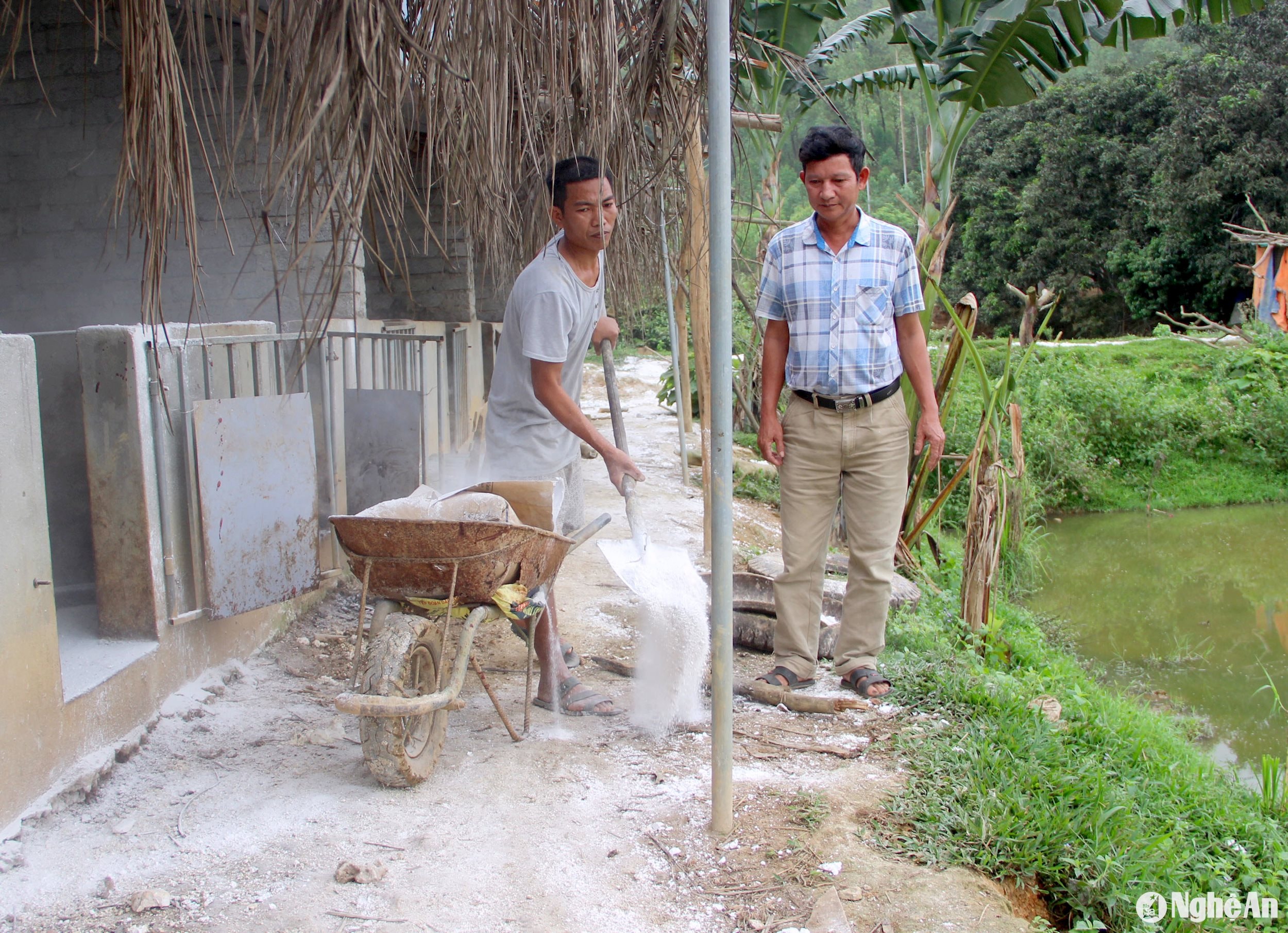
Despite this, the prevention and control of African swine fever is still facing certain difficulties. According to the Provincial Department of Animal Husbandry and Veterinary Medicine, African swine fever is currently the most dangerous and difficult-to-treat disease in livestock. The disease spreads rapidly, has a high mortality rate, there is currently no specific treatment, and vaccines are not widely available for vaccination of all types of pigs (only vaccines for fattening pigs are available). The cost of vaccines is also high (over 65,000 VND/dose). The virus can survive for a long time in the environment and has high resistance, with diverse transmission routes that are difficult to control.
Furthermore, outbreaks tend to "jump around," spreading to many locations in a short period of time and developing unpredictably, without following any specific pattern. In particular, the current erratic weather patterns, with rain and humidity, create favorable conditions for pathogens to emerge and thrive. In addition, the high price of live pigs has led farmers to restock and expand their herds, and livestock management in some localities is lax... Therefore, the risk of a widespread outbreak of African swine fever in the near future is very high.
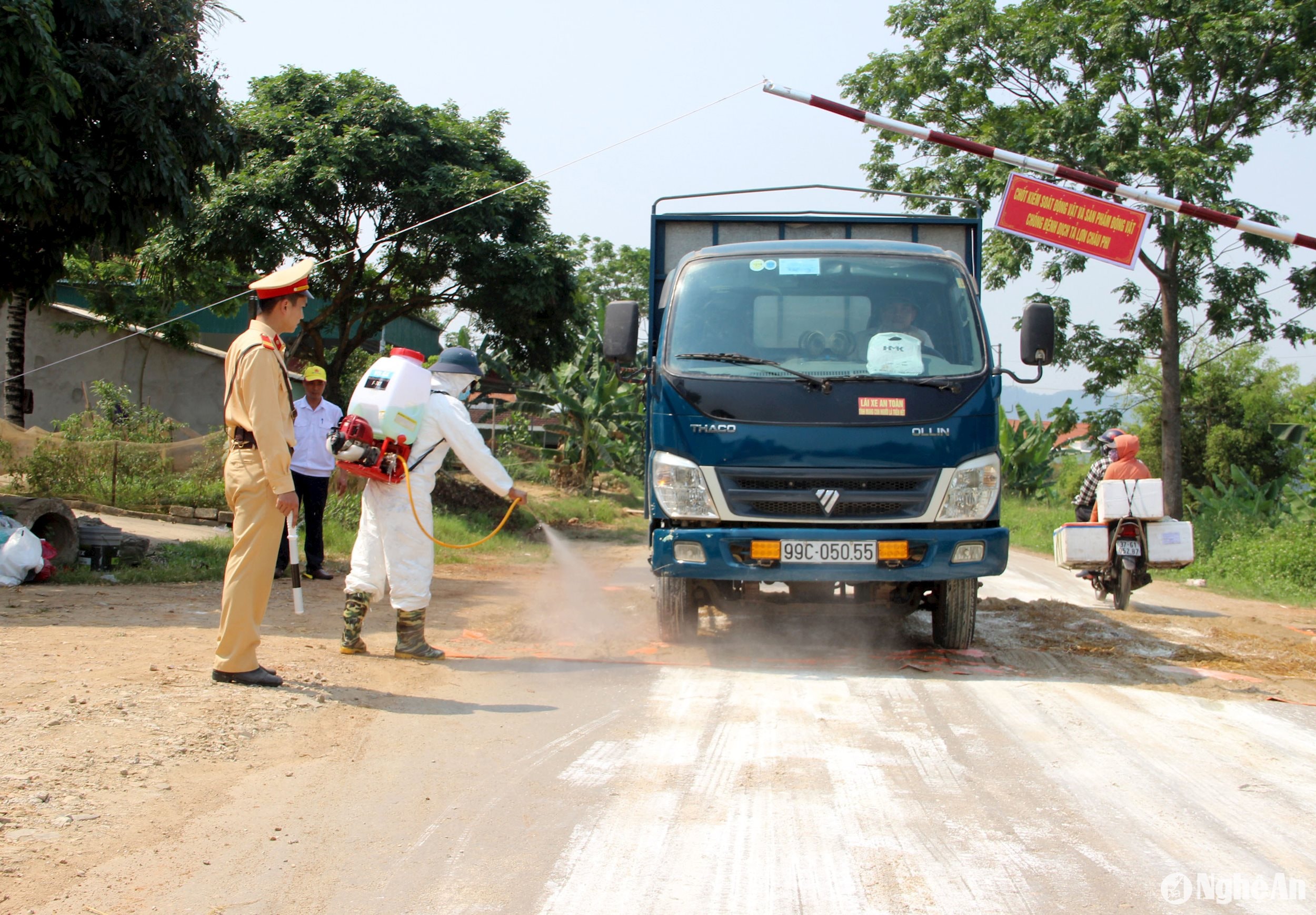
Mr. Dang Van Minh, Head of the Provincial Department of Livestock and Veterinary Medicine, said: "To ensure the effectiveness of animal disease prevention and control, working groups and local authorities need to strengthen inspections, supervision, and strict implementation of disease prevention measures for livestock during the rainy season and floods..."
For communes experiencing outbreaks, checkpoints must be established, and signs indicating the affected area or the area threatened by the outbreak must be posted; mobile patrol teams must be formed to inspect the transportation of animals and animal products. Sick and dead pigs must be disposed of according to the instructions of the district's specialized agencies. Under no circumstances should people be allowed to dispose of dead pigs themselves; the disposal of dead pigs must comply with professional guidelines...
For communes that have not yet experienced an outbreak, implementation has been effective.6 no's:“Do not conceal outbreaks; do not buy, sell, or transport sick or dead pigs; do not slaughter or consume meat from sick or dead pigs; do not dispose of pig carcasses into the environment; do not use leftover food without heat treatment; do not use untreated pond, lake, or canal water for bathing or giving to pigs. Conduct disinfection spraying and lime spreading for prevention; place signs prohibiting the transportation of pigs and pig products from infected areas or areas threatened by outbreaks into consumption areas. Coordinate with the District Agricultural Services Center to conduct sample collection for diagnosis and testing when cases of sick pigs are detected or suspected in households, small farms, and large farms to prevent outbreaks early…”