

'Support' for sustainable poverty reduction in Nghia Dan
These activities help poor households improve their lives, overcome difficulties, and achieve sustainable poverty alleviation, contributing to the socio-economic development of Nghia Dan district.
Efforts to escape poverty
The family of Mr. Tran Ngoc Hoan in Hong Truong hamlet, Nghia Hong commune (Nghia Dan district) is one of the households that have recently escaped poverty. Speaking about their journey, Mr. Hoan said: "Previously, our family's life was very difficult. The main source of income was primarily from a few acres of rice fields inherited from our grandparents. My wife and I worked as laborers, doing whatever work was available."
The aspiration to escape poverty seemed impossible until my family received support in the form of a breeding Sindhi crossbred cow. That was a significant asset that propelled my family to rise out of poverty.
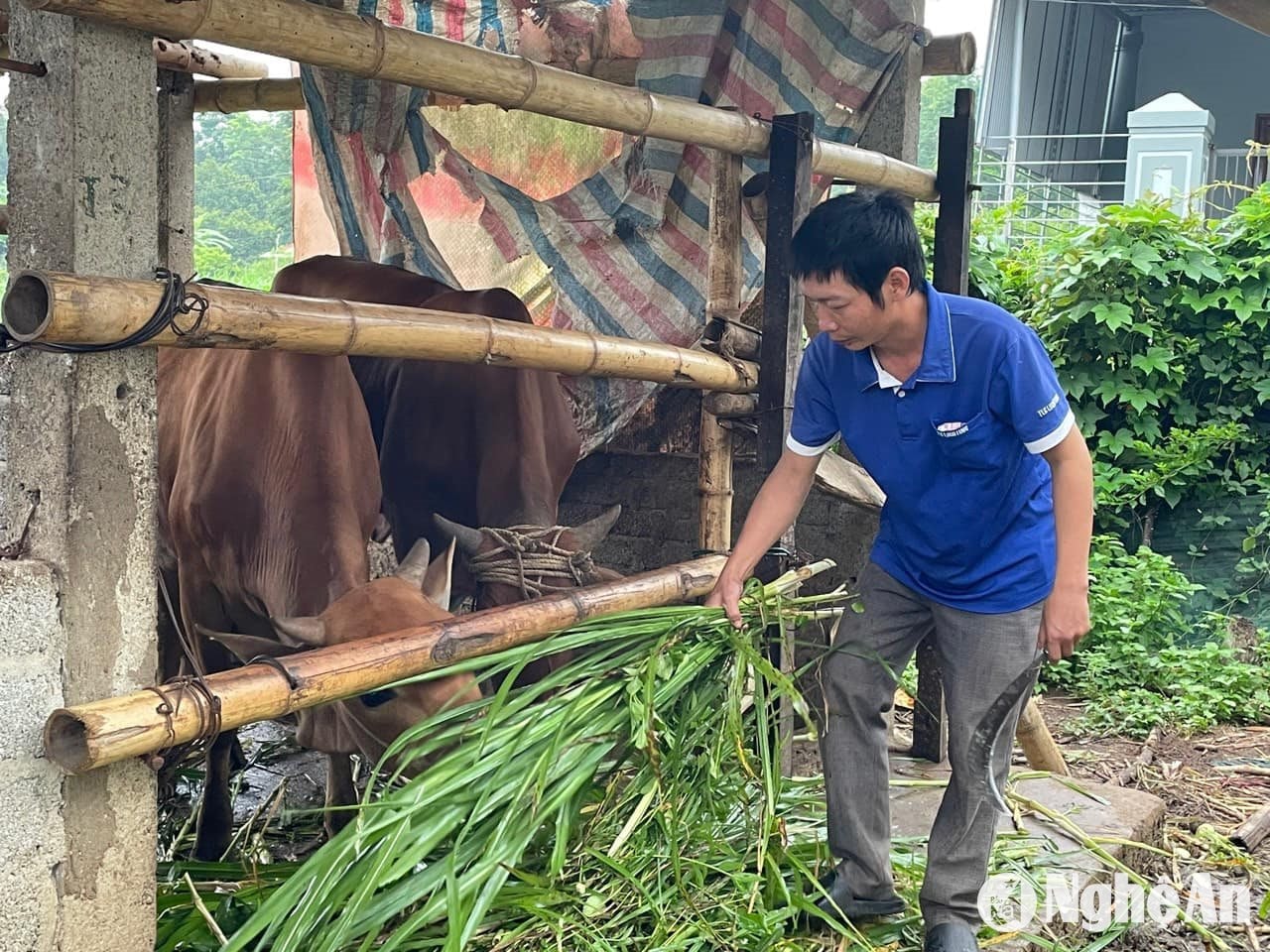
Upon receiving the breeding cows, Mr. Hoan's family also received help from neighbors in building barns and guidance on planting elephant grass in their garden. In addition, his family received support in learning the trade of "Raising and treating diseases in buffaloes and cattle," and received advice and assistance on livestock farming knowledge, disease prevention, and treatment. With this help, Mr. Hoan's family's livestock farming became much more successful, gradually stabilizing their economy and lifting them out of poverty.
"The support from all levels and sectors has provided a huge impetus for the family to develop a more stable economy."
Mr. Tran Ngoc Hoan - Hong Truong hamlet, Nghia Hong commune - Nghia Dan district
To effectively help and support poor households, every year, Nghia Hong commune coordinates with member organizations to promote propaganda and mobilization; organizations and associations assign personnel to assist poor members.
Mr. Ho Sy Minh, Vice Chairman of the People's Committee of Nghia Hong commune, said: "The commune has effectively coordinated the dissemination of information and fundraising for the poor, thereby helping poor households through specific programs. In the past two years (2023 and 2024), we have supported six poor households, including four households receiving breeding cows to develop their economy, and two households receiving savings accounts... These households have used the support wisely and effectively, gradually escaping poverty sustainably."
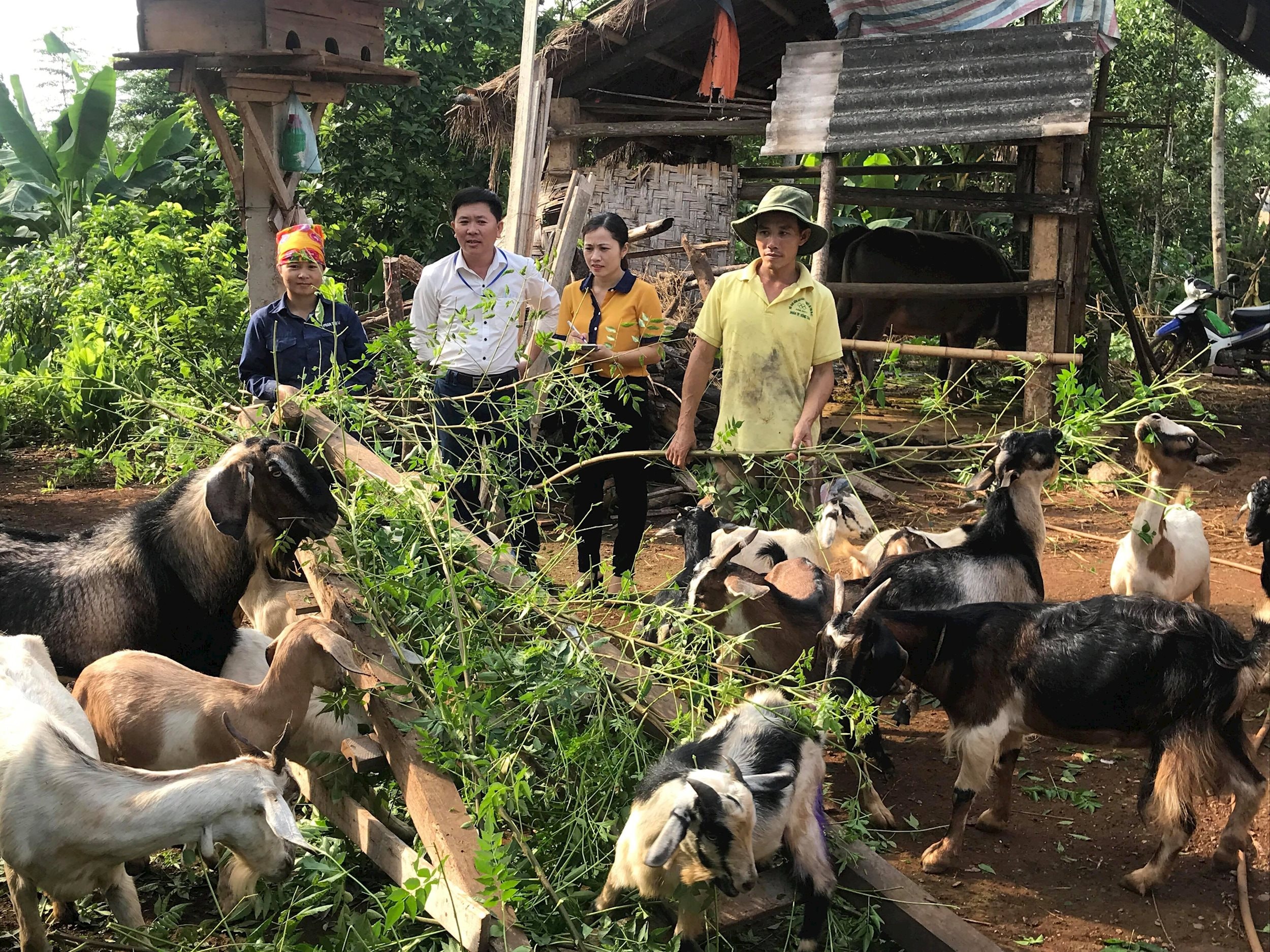
With the aim of providing poor, near-poor, and newly-escaped-from-poverty households with capital to develop production and stabilize their lives, Nghia Dan district has promptly implemented state support policies, such as providing loans to poor households according to provincial and local regulations. Most poor and near-poor households, upon accessing preferential capital, have demonstrated initiative in labor, livestock farming, and production, achieving high efficiency and generating stable income.
Through various forms of propaganda, mobilization, and practical solutions, consensus has been created among all segments of the population in Nghia Dan district to jointly implement poverty reduction efforts. Many poor households have changed and shifted their awareness regarding the poverty reduction goals set by the Party and the State.
At the end of 2020, Nghia Dan district had 2,292 poor households, accounting for 6.48% of the total number of households in the district. As of October 2024, the number of poor households has decreased to 1,040 (2.9% of the total number of households in the district). Thus, on average, Nghia Dan district reduces the number of poor households by 1.2-1.5% each year. There are 1,346 near-poor households, accounting for 3.75%. By the end of 2024, Nghia Dan district aims to further reduce the number of poor households by 0.8-1.0%.
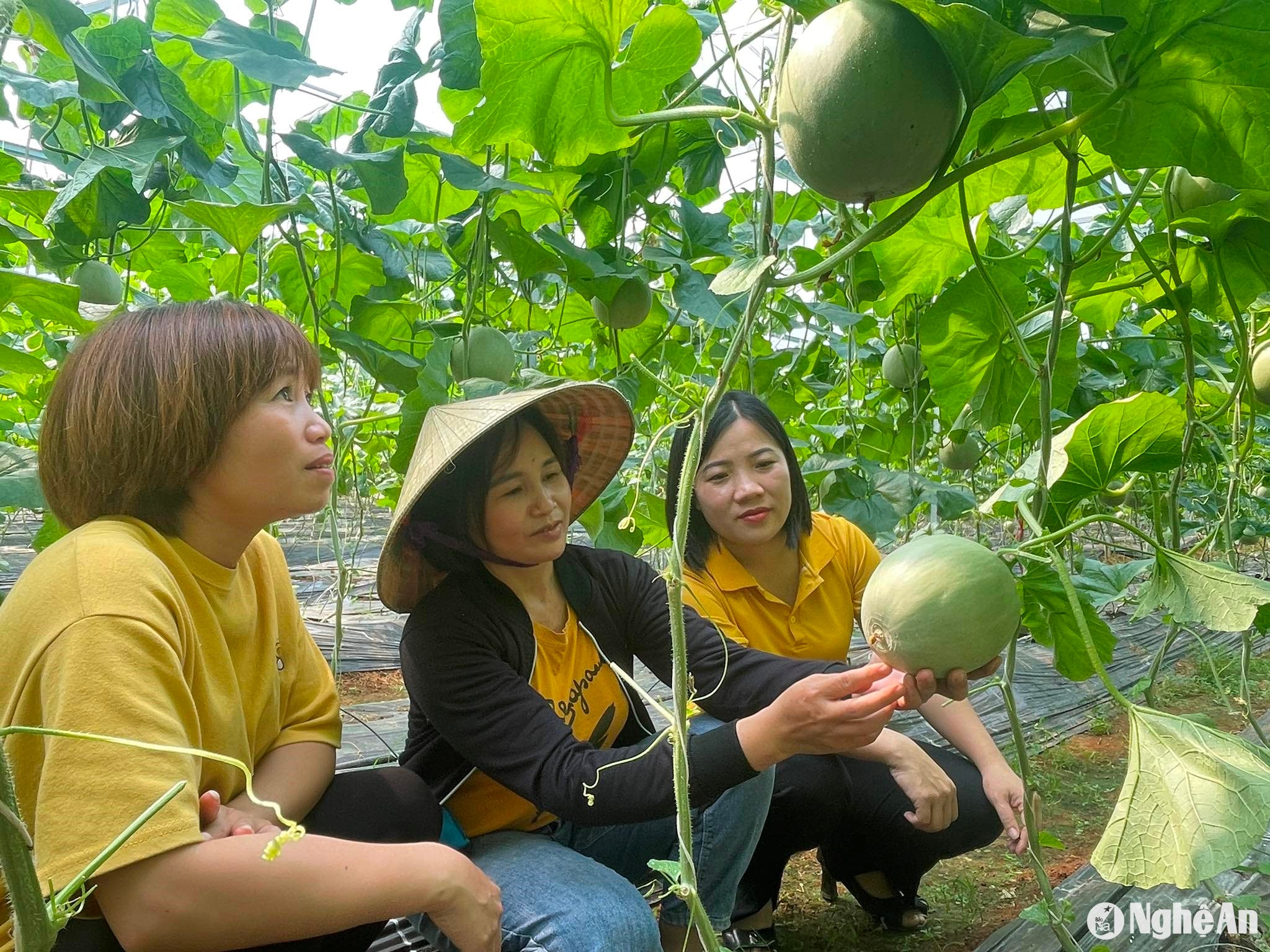
Synchronizing multiple solutions
To achieve high effectiveness in sustainable poverty reduction, along with financial support and hands-on guidance for poor households, Nghia Dan district focuses on vocational training, job creation, and labor export. Organizations and associations enhance their role in building new rural areas, linked with poverty reduction efforts.
Over the years, Nghia Dan district has intensified its efforts in promoting, advising, and introducing employment opportunities through various forms such as: organizing job fairs, job exchange sessions, and job fairs from the district level to the grassroots; and opening vocational training classes for thousands of workers. On average, the district provides employment for 1,700 to 2,100 workers each year. Notably, in 2023 and the first nine months of 2024, Nghia Dan district introduced new jobs to nearly 3,500 workers; of which, 900 were employed within the province, and approximately 2,600 were employed abroad under contract.
In addition, Nghia Dan district assigned responsibility to relevant departments and localities to effectively "sponsor" poor households; mobilizing organizations, individuals, and philanthropists to support disadvantaged individuals, poor households, and near-poor households through specific and practical activities. The district also coordinated efforts to raise funds for the construction of charitable and compassionate houses for poor households facing housing difficulties. In 2023 and the first 10 months of 2024, the district implemented the construction of more than 169 new houses for poor and near-poor households, with a total budget of nearly 7.6 billion VND.
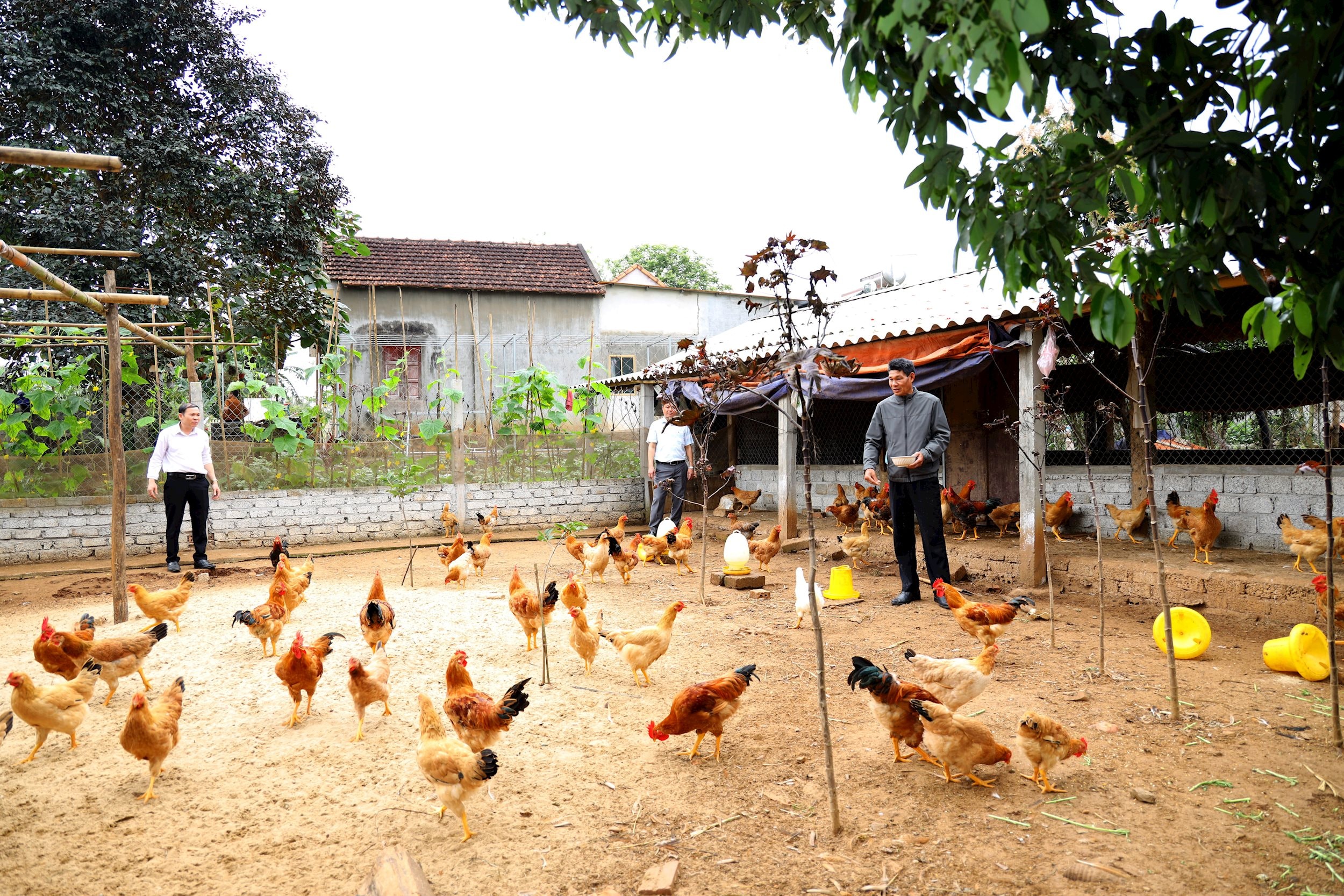
During the discussion, Ms. Le Thi Vinh, Head of the Labor, War Invalids and Social Affairs Department of Nghia Dan district, stated: Identifying sustainable poverty reduction as one of the key tasks contributing to socio-economic development, Nghia Dan district has implemented many solutions to increase income, improve people's lives, reduce the poverty rate, and prevent re-poverty.
Through vocational training programs, people, especially ethnic minorities in the area, have acquired skills in production and livestock farming. Simultaneously, poor and near-poor households have shown determination and a strong will to overcome poverty sustainably. This has fostered consensus and harnessed the combined strength of the entire political system, mobilizing the participation of the whole society to support poor households in achieving sustainable poverty reduction.