

Is eating beef tendons good for you?
Adding beef tendons to your daily diet not only helps maintain good health but also prevents many age-related diseases.
Beef tendons are a familiar ingredient in many traditional Vietnamese dishes such as vermicelli soup and stews.
Beef tendons are not only a delicious food, but they also offer many lesser-known health benefits. In particular, beef tendons are a rich source of collagen, an important nutrient that helps improve the health of the skin, joints, and digestive system.
Protect your bones and joints.
According tographlineCollagen is a protein that makes up a large proportion of the human body, playing a key role in maintaining skin elasticity, joint health, and connective tissue. Beef tendons, in particular, contain a large amount of type I collagen. This type of collagen has high elasticity, helping to strengthen bones and joints.

Beef tendons are rich in collagen (Photo: Getty).
Numerous scientific studies have demonstrated the health benefits of collagen.
A study published in the journalNutrientsA 2019 study showed that supplementing collagen from foods like beef tendons can help improve skin and reduce signs of aging.
After 8 weeks of consistent collagen use, the study participants experienced smoother skin, reduced wrinkles, and significantly increased skin elasticity.
Additionally, the collagen in beef tendons also has a protective effect on joints and bones, which is especially helpful for the elderly or those with joint problems.
According to a study onJournal of Sports Science and MedicineConsuming collagen from food helps reduce joint pain caused by strenuous activity or aging.
Supports the digestive system.
Collagen is not only beneficial for skin and joints but is also crucial for digestive health. In beef tendons, amino acids like glycine play a role in supporting the intestinal lining, protecting and enhancing the development of connective tissue, thus improving gut health.
A 2017 study from Yale University showed that glycine—a key amino acid in the collagen of beef tendons—has potent anti-inflammatory properties, particularly for the digestive system.
Scientists have demonstrated that glycine can reduce the symptoms of inflammatory bowel disease (IBD) and leaky gut syndrome, while also improving digestive function.
Furthermore, supplementing with collagen from beef tendons helps balance the gut microbiome, facilitating nutrient absorption and protecting the body against digestive-related diseases.
Strengthen muscles
With its high protein content, beef tendon is an ideal food for those looking to recover muscles after sports training.
Collagen in beef tendons helps rebuild damaged muscle tissue, while also enhancing the body's recovery ability and endurance.
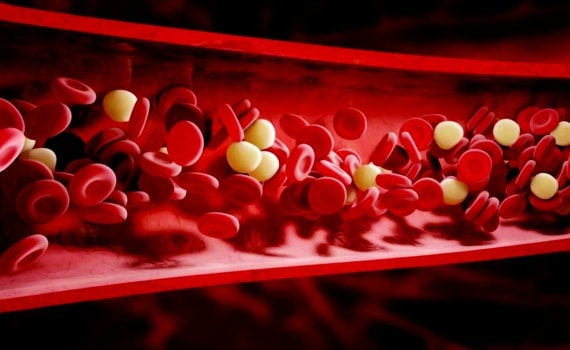
Beef tendons help protect blood vessels (Photo: Getty).
According to a study conducted at the University of Freiburg (Germany), athletes who supplemented with collagen from bovine tendons recovered muscles 20% faster than the group that did not consume collagen.
This study also showed that collagen supplementation helps reduce the risk of injury, particularly injuries involving joints and muscles.
The collagen in beef tendons contains amino acids such as glycine and proline. These are important components in energy production and also help reduce muscle soreness after high-intensity exercise.
This is why many professional athletes have added collagen to their daily diet.
Protect blood vessels
Collagen in beef tendons contains a large amount of the amino acid proline, a substance that can lower blood pressure and improve blood vessel health. Proline helps regenerate blood vessel tissue, thereby reducing the risk of cardiovascular diseases, especially in people with a history of high blood pressure.
A study onAmerican Journal of Clinical NutritionA 2020 study showed that people who regularly consume collagen have a 15% lower risk of cardiovascular disease compared to the control group.
This demonstrates that collagen in beef tendons not only helps improve bone and joint health but also protects the cardiovascular system.