

The Soviet spirit shines through in prison.
The steely resolve of the communist fighters of Nghe An province had never shone so brightly during the prison regime. While imprisoned and tortured, they transformed the prison into a revolutionary school, forging the seeds of revolution for the revolutionary movements of 1936-1939 and 1939-1945. This spirit has become a symbol of Nghe An, a powerful driving force, fostering the revolutionary spirit of future generations.
Harsh prison regimes
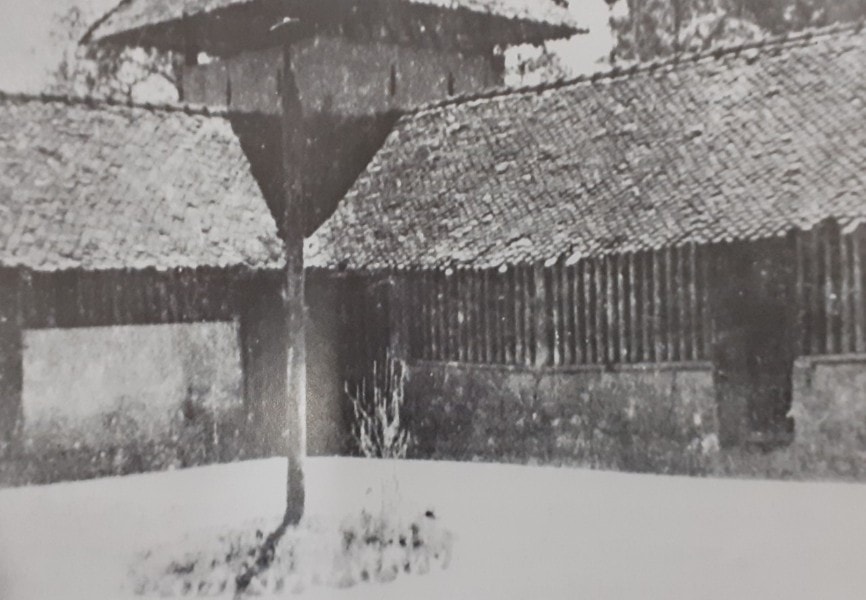
Anyone who has ever walked along Dao Tan Street in Vinh City will surely have stopped, curious about the remnants of the Vinh Prison guard post. Although the guard post is no longer intact compared to its original architecture, it stands as a testament to a glorious period in the nation's history, especially during the Nghe Tinh Soviet Uprising.
Upon learning about this guard post at the Nghe An Provincial Relics Management Board, it was discovered that this is the only remaining architectural structure of Vinh Prison. Built in 1804, this building was where the feudal and colonial authorities imprisoned many generations of patriotic and revolutionary fighters. It was the site of fierce struggles against the harsh prison regime. Generations of prisoners here, especially political prisoners, despite living in a "hell on earth," demonstrated unwavering willpower, indomitable spirit, and extraordinary resilience in the revolutionary struggle.
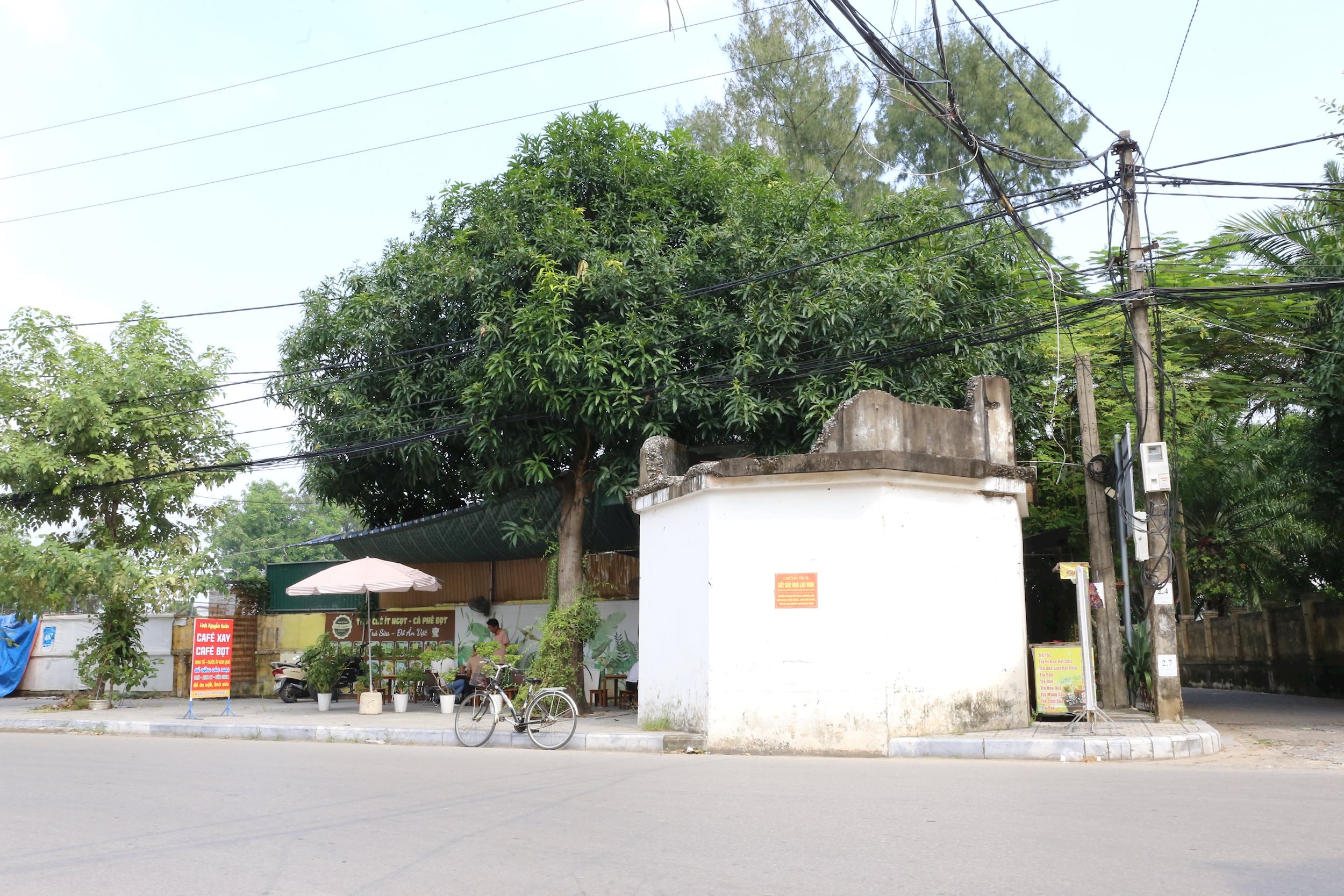
Along with Hoa Lo Prison (Hanoi), Kham Lon Prison (Saigon), and Thua Phu Prison (Hue), Vinh Prison became one of the key prisons in the colonial prison system. From 1928-1929, Vinh Prison became a powerful tool of the colonial-feudal regime to cope with the new political situation when the suffering masses were ready to rise up against oppression and exploitation.
When the Nghe Tinh Soviet movement broke out and developed strongly in many districts of the two provinces of Nghe An and Ha Tinh, the colonial-feudal authorities frantically carried out brutal repression in an attempt to suppress the revolutionary movement. By 1932, Nghe An province had 6,681 people arrested and 1,500 people killed.
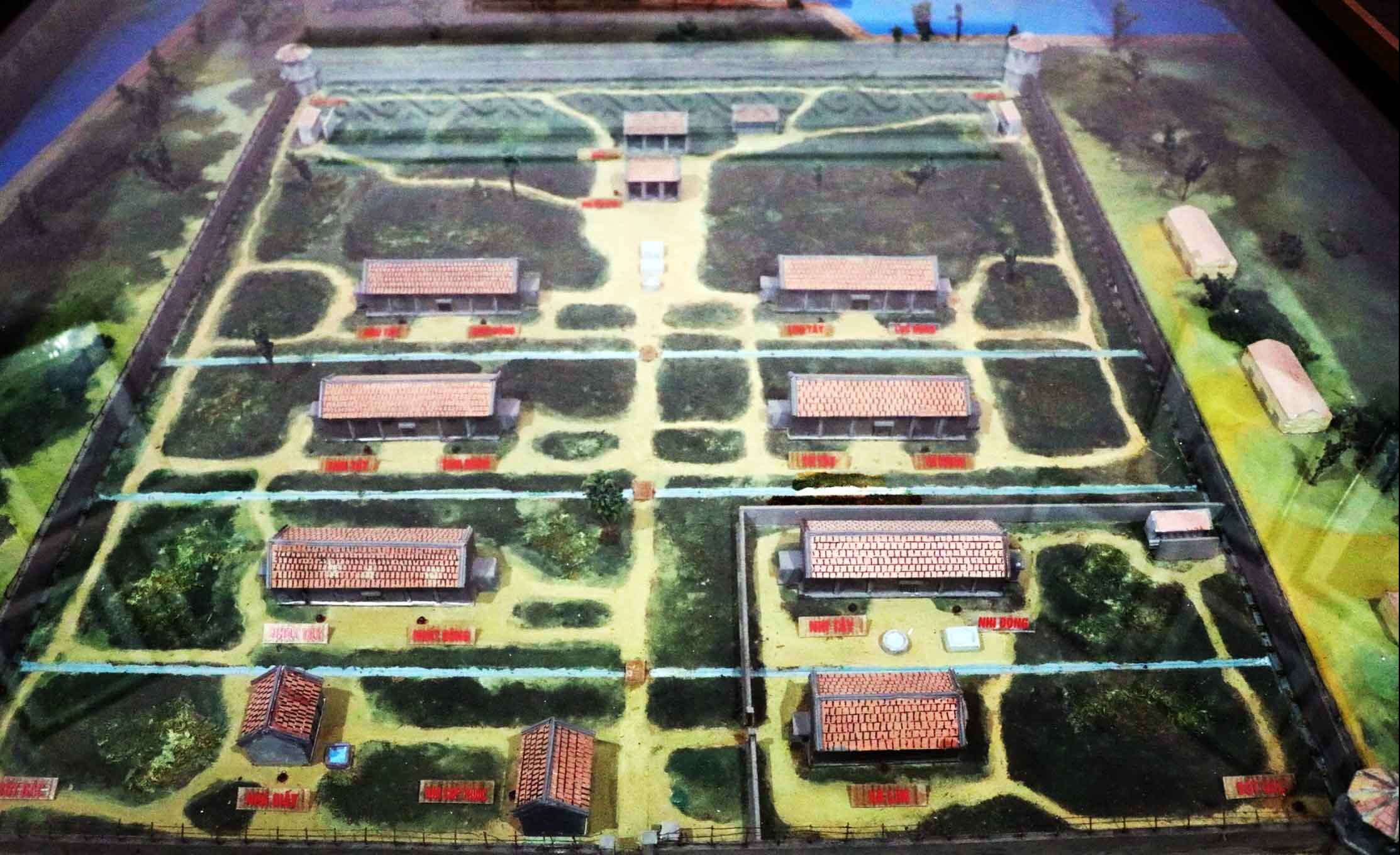
In the book "Vinh Prison" published by the Propaganda Department of the Nghe An Provincial Party Committee in 2005, this period was described as follows: "Never before had Vinh Prison been so crowded, filthy, and suffocating as it was then. Not counting the solitary confinement cells, the other political prisoner cells housed no fewer than 150 people, yet they were given only 6 wooden trays, 36 earthenware bowls, and 4 clay teapots for drinking water. The prisoners didn't have enough space to stand, nor could they even raise their arms to put a bite of rice into their mouths..."
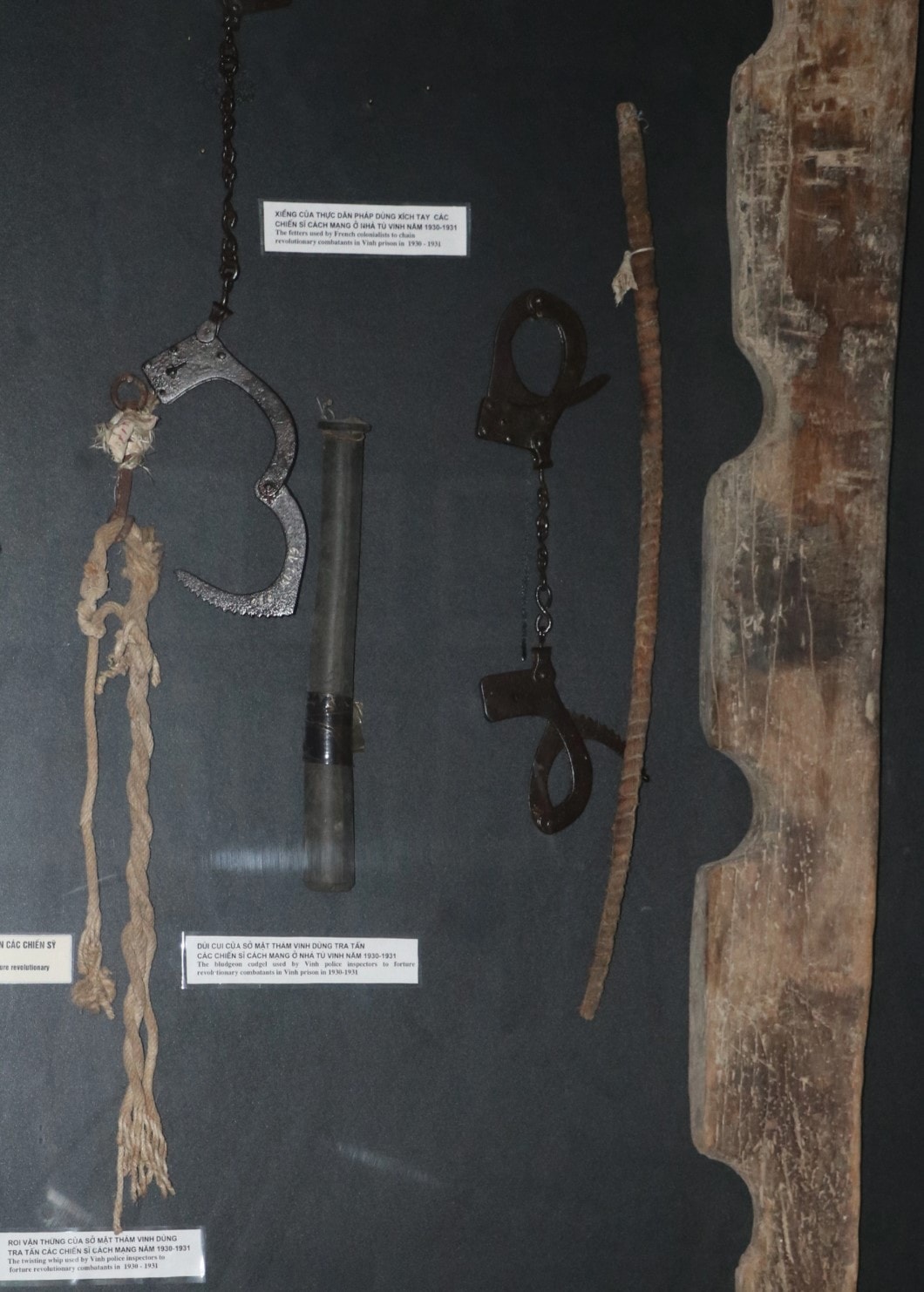
Political prisoners at Vinh Prison were forced into hard labor everywhere under extremely brutal beatings. Within the prison, the colonial-feudal authorities used many cruel forms of torture, such as: electrocuting prisoners; stripping them naked, then pouring soap on their stomachs and stomping on them with boots until blood gushed from their mouths and noses. Not only were they beaten with whips, but they also used nails hammered into sticks to beat prisoners; each time the stick was brought down and lifted, flesh and skin were torn off, and blood from the wounds soaked the floor.
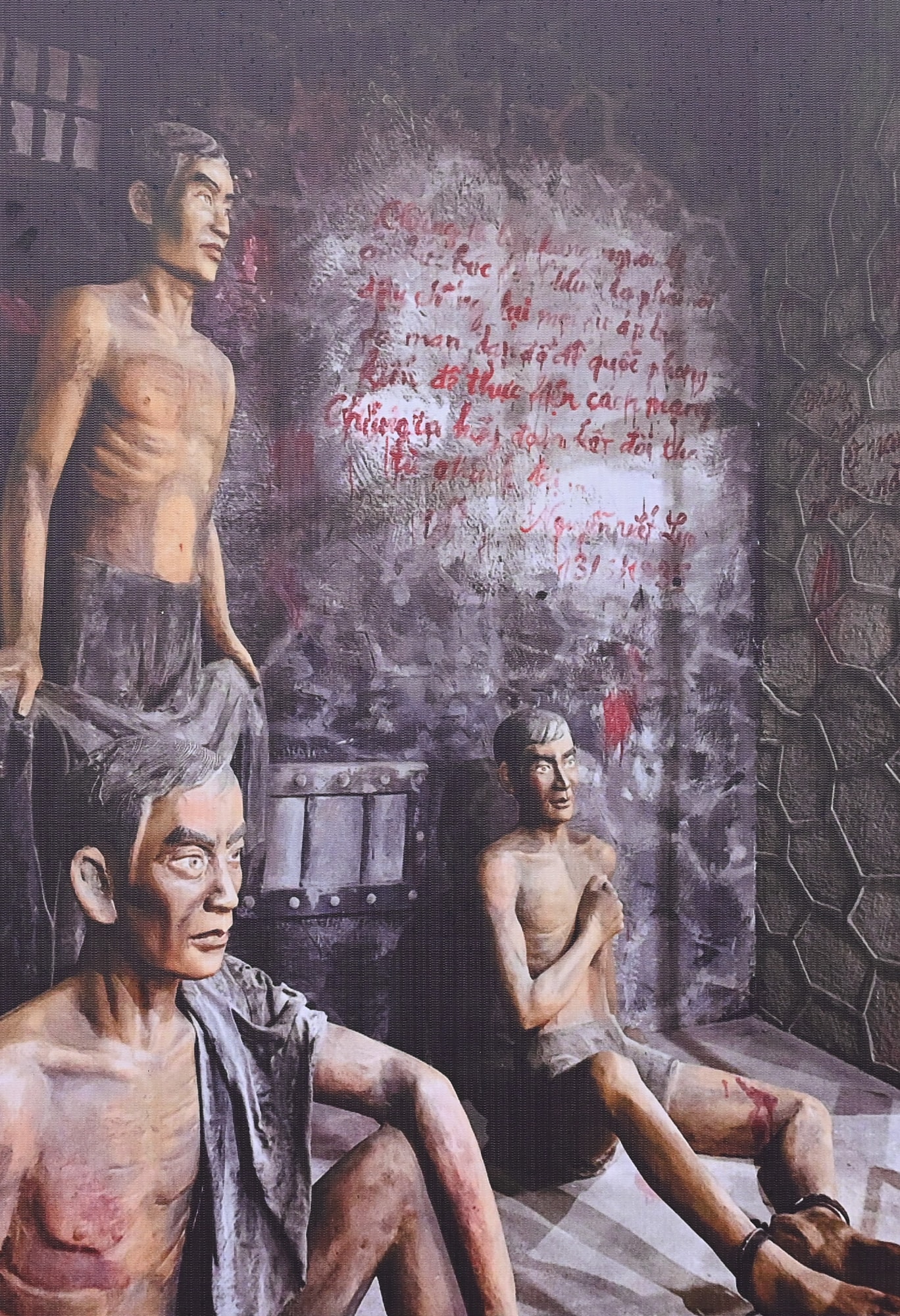
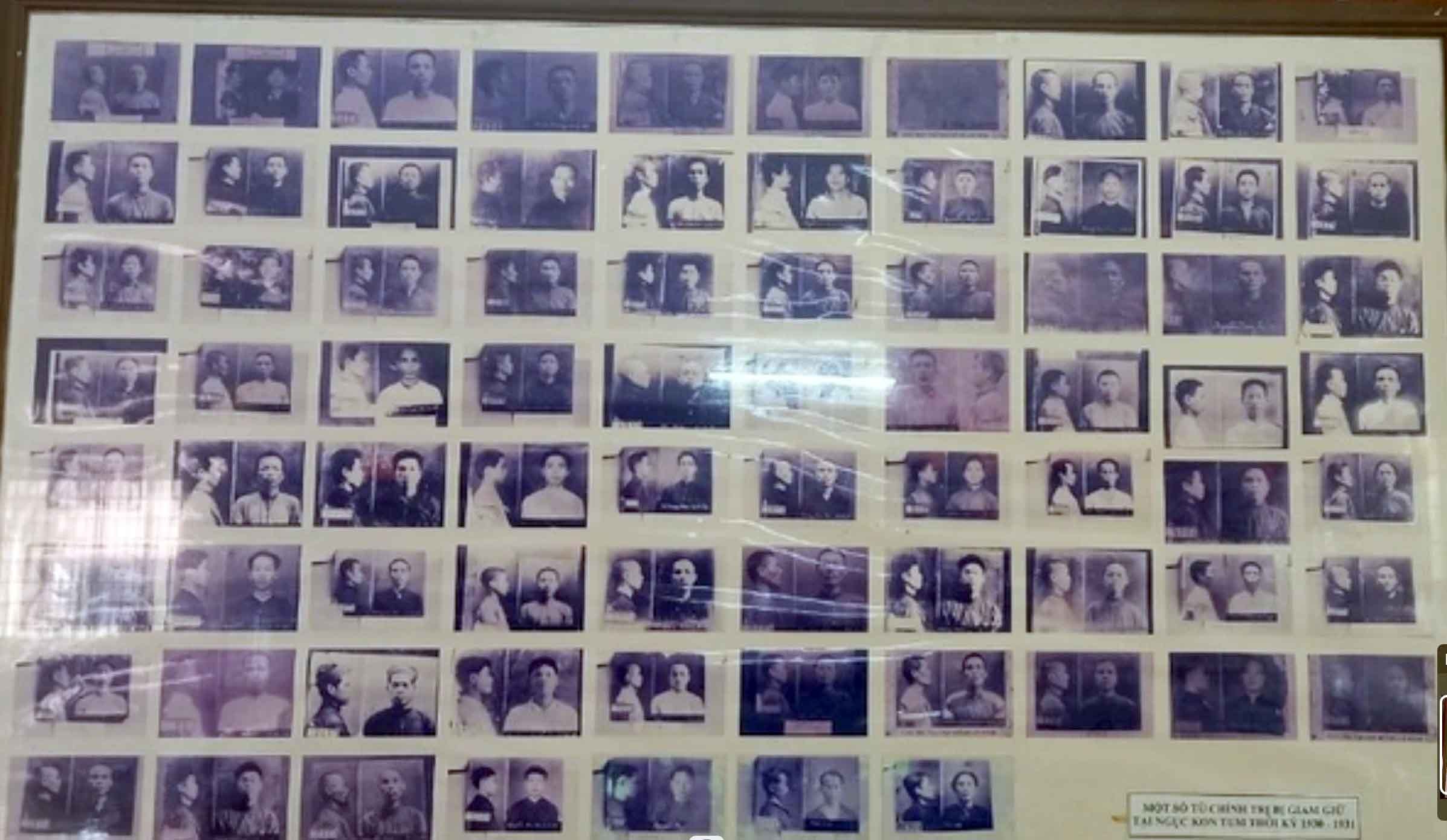
That situation did not only occur at Vinh Prison, as Soviet fighters from Nghe Tinh were arrested, sentenced, and exiled to prisons throughout the country, including Kon Tum Prison (also known as Kon Tum Confinement).
According to documents from the Soviet Nghe Tinh Museum, from December 1930 to April 1931, the French colonialists exiled groups of political prisoners from prisons in the central provinces, mostly from Vinh Prison and Ha Tinh Prison, to Kon Tum.
By April 1931, the total number of prisoners here had reached 295. The prisoners endured an extremely harsh and brutal labor regime, with the authorities readily using violence to brutally murder political prisoners both on the construction site and within the prison.
Under the brutal repression and torture of the enemy, the communists, the sons and daughters of Nghe Tinh, fought with unwavering courage and resilience. They transformed prisons into revolutionary schools to forge steel and cultivate unwavering willpower, keeping the flame of Sovietism burning even in the darkest places.
Overcoming difficulties to establish Party branches in prisons.
Overcoming countless difficulties and dangers in prison, in June 1930, the Party cell at Vinh Prison was established, with Comrade Hoang Trong Tri as its secretary. The activities of the Vinh Prison Party cell strengthened the faith of political prisoners and played an important role in leading the struggles against the brutal regime of French colonialism and the feudal Southern Dynasty; it was a great source of encouragement and motivation for the revolutionary movement outside.
Under the leadership of the Vinh Prison Party Branch, the struggle within the prison flourished with various forms such as hunger strikes and protests demanding improved living conditions for prisoners. Alongside this, propaganda work was emphasized; during their imprisonment at Vinh Prison, revolutionary fighters composed hundreds of moving poems. These poems served both to encourage and to expose the insidious schemes of the French colonialists and the Southern feudal regime.
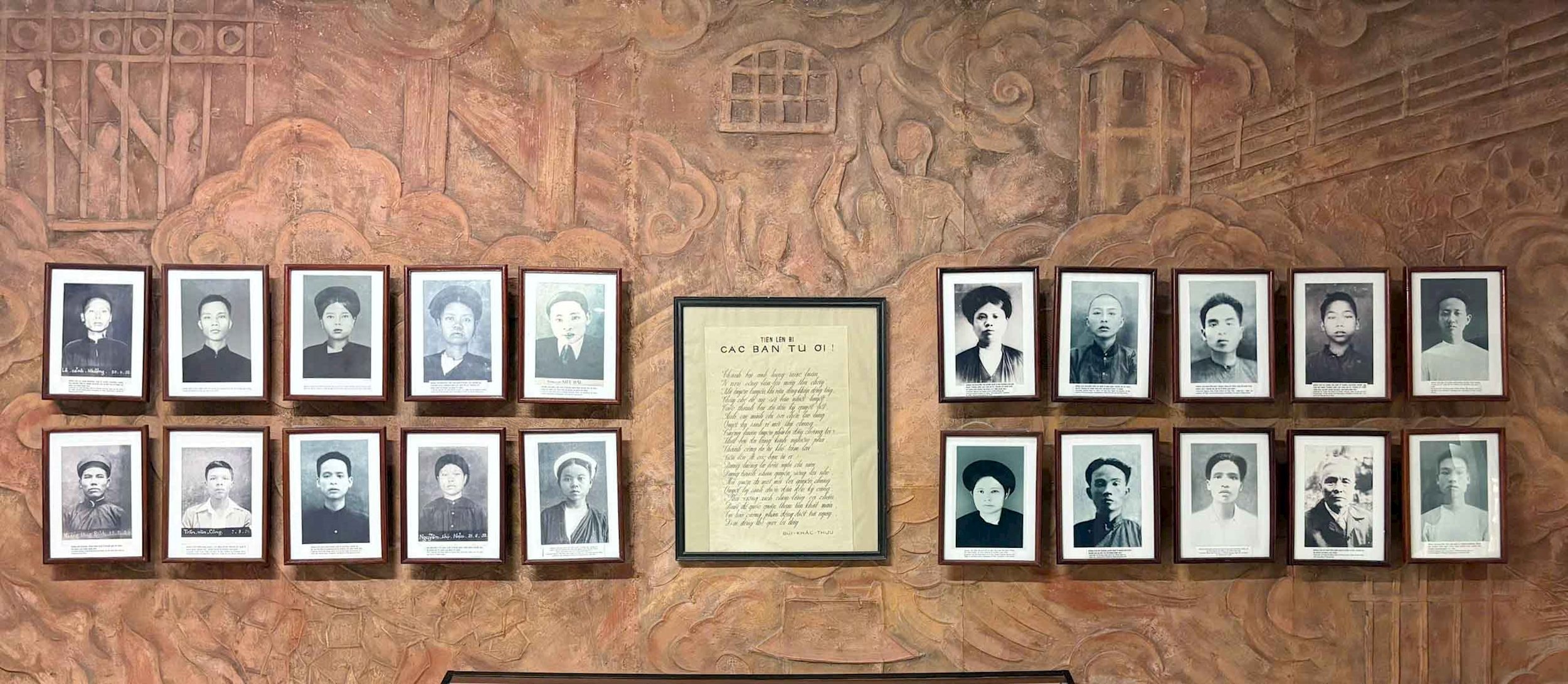
In particular, the emergence of the oral newspaper, "a newspaper that doesn't need printing or writing but reaches readers very quickly and sensitively," further strengthened the resolve of the political prisoners and was warmly welcomed by many of them. From this oral newspaper, comrades Ho Tung Mau and Nguyen Duy Trinh wrote the novel "A Drop of Red Blood," which was later adapted into a script and performed very successfully in Vinh Prison, making a deep impression and having a high impact on educating about patriotic traditions and revolutionary sentiments...
Meanwhile, at Kon Tum Prison, after enduring many difficult and arduous times, on September 25, 1930, the Kon Tum Prison Party branch was established with Comrade Ngo Duc De, from Can Loc district, Ha Tinh province, as its secretary. This was the first Party branch to be established in Kon Tum, and this day has become the traditional day of the Kon Tum Provincial Party Committee.
Since the establishment of the Party cell, the struggle movement in Kon Tum Prison was tightly organized to achieve its goals while minimizing losses and sacrifices, building solidarity among political prisoners, and enlightening ordinary prisoners and even patriotic prison guards.
Deeply imprinting the indomitable spirit of the Soviet soldier.
"Hands bound, feet shackled, body aching."
The shirt and pants were stained with sweat, causing painful skin irritation.
Looking at that prison food still sends shivers down my spine.
With swarms of hungry mosquitoes awake all night long…”
These verses are excerpted from the book "Ben Thuy Ward - History of Revolutionary Struggle," published by Nghe An Publishing House in 1994, when speaking about the hardships endured by Comrade Nguyen Thi Ninh (Vi Ninh) - an outstanding female liaison soldier of the Central Committee of the Vietnam Fatherland Front - and other political prisoners at Vinh prison.
During her imprisonment in Vinh prison, the colonial-feudalists used extremely brutal forms of torture, causing her entire body to swell, her legs to become bruised and swollen with blood, her skin to become ulcerated, and maggots to crawl all over her. Despite torturing her with the most brutal methods, the enemy, unable to extract any information, shuddered and gritted his teeth, uttering:"Wow, this communist aggressor is really brave! I've never seen a woman this brave, refusing to utter a word even until her death."These lines are recorded in the book "Examples of Communists," Nghe An Publishing House, Volume 2. Although... Despite her body being covered in wounds, she still strives to stay alive and continue fighting.
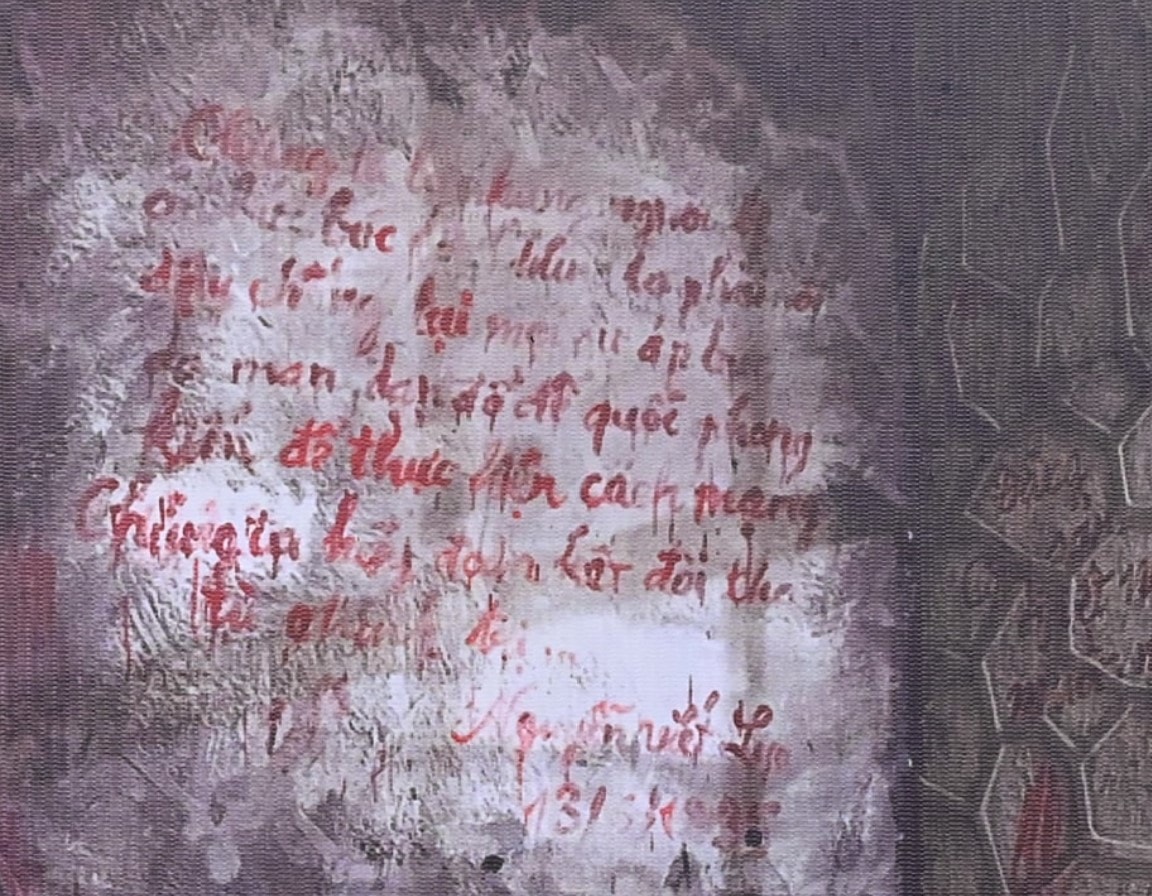
Regarding Comrade Le Viet Thuat - Secretary of the Central Vietnam Regional Party Committee in 1931. After enduring torture without extracting any information, the colonial-feudalists imprisoned his father, teacher Le Van Hien. (In the book...)"The "Vinh Prison" section of the Propaganda Department of the Nghe An Provincial Party Committee wrote:: "They tortured both father and son in front of each other, hoping to break Le Viet Thuat's will. However, when faced with his beaten and tortured son, he suppressed his pain and loudly declared: "This is not my son! You are mistaken, my son Le Viet Thuat drowned in the Lam River last year. I don't know who this person is."
Upon hearing this, the secret police beat him up right in front of Comrade Le Viet Thuat. He was imprisoned and tortured in Vinh Prison until he was crippled. The fighting spirit and endurance of Comrade Le Viet Thuat and his son struck fear into the enemy. This news spread throughout Vinh Prison, earning the admiration of the political prisoners and becoming a shining example for them to follow.
And there were many other exemplary political prisoners at Vinh Prison such as: Le Canh Nhuong, Le Canh Cai, Nguyen Duy Trinh, Sieu Hai, Nguyen Thi Phuc, Ton Thi Que, Nguyen Thi Thiu… Despite being imprisoned, shackled, tortured, bearing numerous injuries, enduring meager food, hunger, cold, and constant illness, the Communist fighters in Vinh Prison remained optimistic, confident, united, loving, and supportive of one another to fight together, defeat the enemy, and overcome themselves.
Meanwhile, at Kon Tum Prison, according to the website of the Propaganda Department of the Kon Tum Provincial Party Committee, there were resounding struggles in the mountains and forests by political prisoners. In June 1931, with the arrival of the rainy season, the French colonialists brought the surviving prisoners to Kon Tum Prison, including comrades Ngo Duc De, Dang Thai Thuyen, Nguyen Huy Lung, Truong Quang Trong, Le Viet Luong, Bui San… who were key cadres of the Party. Here, these prisoners had to continue to endure a harsh and brutal regime of the French colonialists and their collaborators, living in conditions no less miserable than in Dak Pao and Dak Pet.
Despite brutal treatment and savage killings, the indomitable fighting spirit of political prisoners grew stronger, especially that of the Soviet fighters from Nghe Tinh. They actively propagated, mobilized, and enlightened the people and soldiers, helping them to better understand the plight of political prisoners. As a result, the people's feelings towards the political prisoners became closer. The soldiers' attitudes and actions towards the prisoners also improved. Some soldiers began to rebel against their commanders, siding with the prisoners when they were forced to work on Sundays or resisting the oppression of the prisoners. In early July 1931, the Prison Management Committee was established, organizing forces and developing plans to fight against the cruel policies of the colonial regime, reclaiming the right to life and freedom for political prisoners; countering the enemy's plot to exterminate communists, and preparing propaganda materials in Vietnamese, French, Ba Na, and Gia Rai languages.
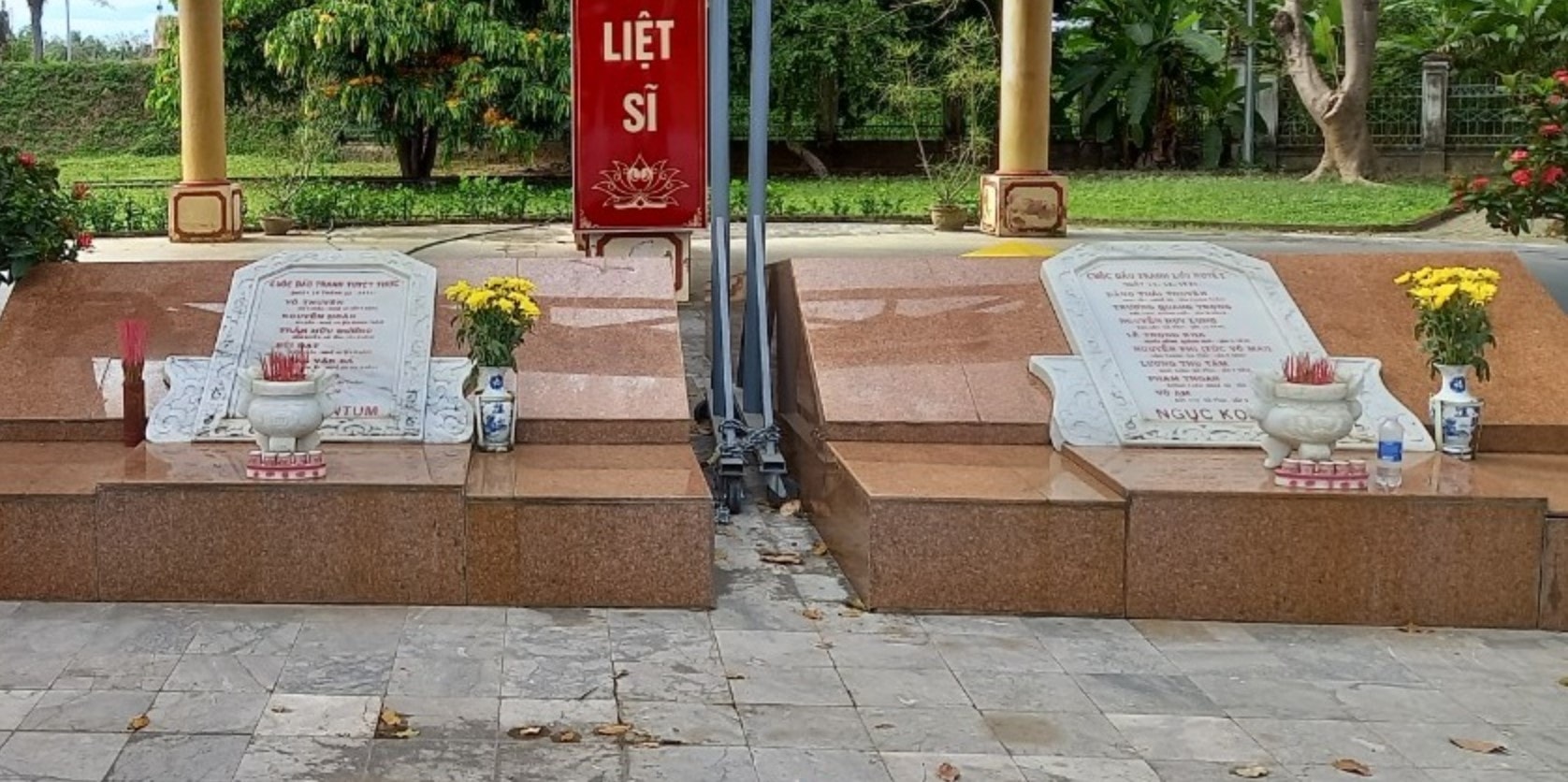
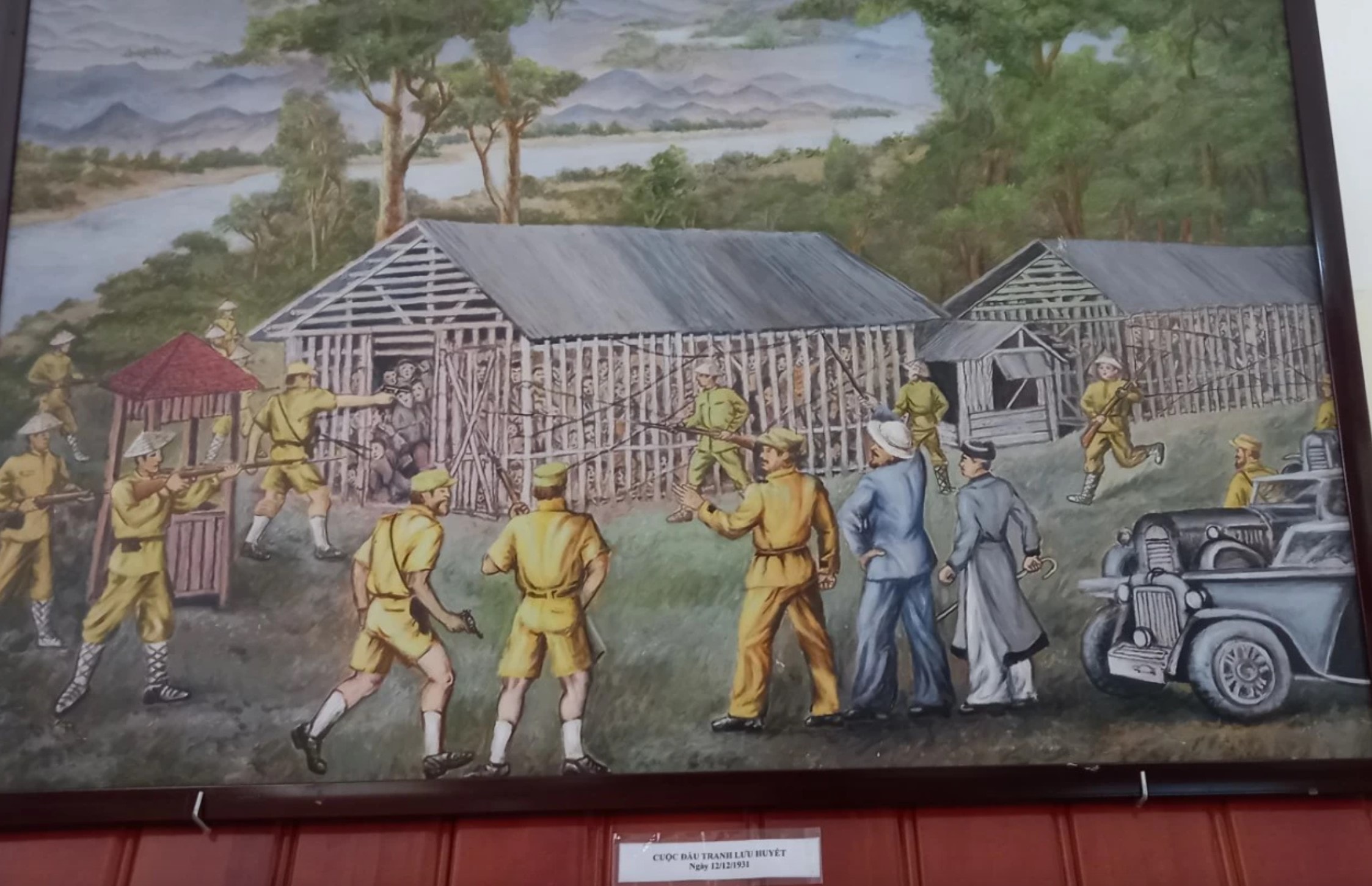
On December 12, 1931, the prisoners united, locking the doors and chanting slogans protesting the colonial regime... resolutely refusing to go to the Dak Pet construction site a second time. The struggle was fierce. The prisoners tightened their ranks and continued to shout slogans, while using sticks and clubs to resist the enemy's attempts to arrest them one by one. During this struggle, Comrade Truong Quang Trong bravely confronted the enemy and heroically sacrificed himself. The enemy then went on a frenzied shooting spree, killing 8 people and wounding 8 others.
Next came the hunger strike to protest road construction and the enemy's brutal killings. Realizing they could not shake the political prisoners' unwavering spirit, on the morning of December 16, 1931, the French colonialists opened fire again, killing 7 comrades and wounding 8 others. They immediately dispersed the remaining prisoners in an attempt to quell the struggle.
Fearing the fighting spirit of the political prisoners, the French authorities were forced to release 50 prisoners, change the labor regime, abolish the beatings of prisoners, and allow sick prisoners to rest and receive medicine. In December 1932, the enemy completely stopped sending political prisoners to work on Highway 14, and in April 1934, they abolished the Kon Tum prison and transferred all remaining political prisoners to the Buon Ma Thuot prison.
Looking back at the struggles at Vinh Prison and Kon Tum Prison, the courage and indomitable spirit of the communist fighters, especially the Soviet Nghệ Tĩnh fighters, are clearly evident.
The unwavering spirit of patriotic soldiers and their tireless struggle for the independence of the Fatherland, for the peaceful, prosperous, and happy lives of the people, will forever endure, like a sacred flame illuminating the revolutionary path to this day.
According to the work "Nghe Tinh Soviet of the Nghe An Provincial Party Committee," the revolutionary fighters of the 1930-1931 period became the active core of the 1936-1939 and 1939-1945 uprisings.
By May 1931, the entire Party had 2,400 members. Of these, the Nghe An Party Committee had 907 members, and the Ha Tinh Party Committee had 376. (Thus, the number of members in the Nghe An and Ha Tinh Party Committees accounted for 53.5% of the total number of Party members nationwide). Many Party members, tempered in the practical struggles and the prison regime, became exemplary "red seeds" of that period.