

Eating mistakes can cause blood sugar to spike.
For diabetic patients, controlling blood sugar is extremely important to prevent complications. However, simply skipping meals or eating white bread can cause blood sugar to spike.
Diabetes is an increasingly common and dangerous chronic disease. For patients, managing blood sugar levels effectively not only helps control the disease but also prevents complications affecting the cardiovascular system, kidneys, eyes, and blood vessels.
Here are five dietary and lifestyle mistakes that cause high blood sugar levels:
Dietary mistakes that cause hyperglycemia
Some common dietary mistakes can cause a rapid increase in blood sugar levels, including:
Consuming too many refined carbohydrates
Foods like white bread and pasta are sources of refined carbohydrates that are easily converted into glucose, causing a sudden spike in blood sugar after eating.
When these types of foods are eaten without fiber, the body absorbs them quickly, causing a sudden spike in blood sugar after eating, followed by a drop in blood sugar further away from the meal, leading to a quick feeling of hunger and the consumption of other foods.
You need to replace them with whole grains such as brown rice, oats, and whole-wheat bread, which help maintain stable blood sugar levels thanks to their high fiber content.
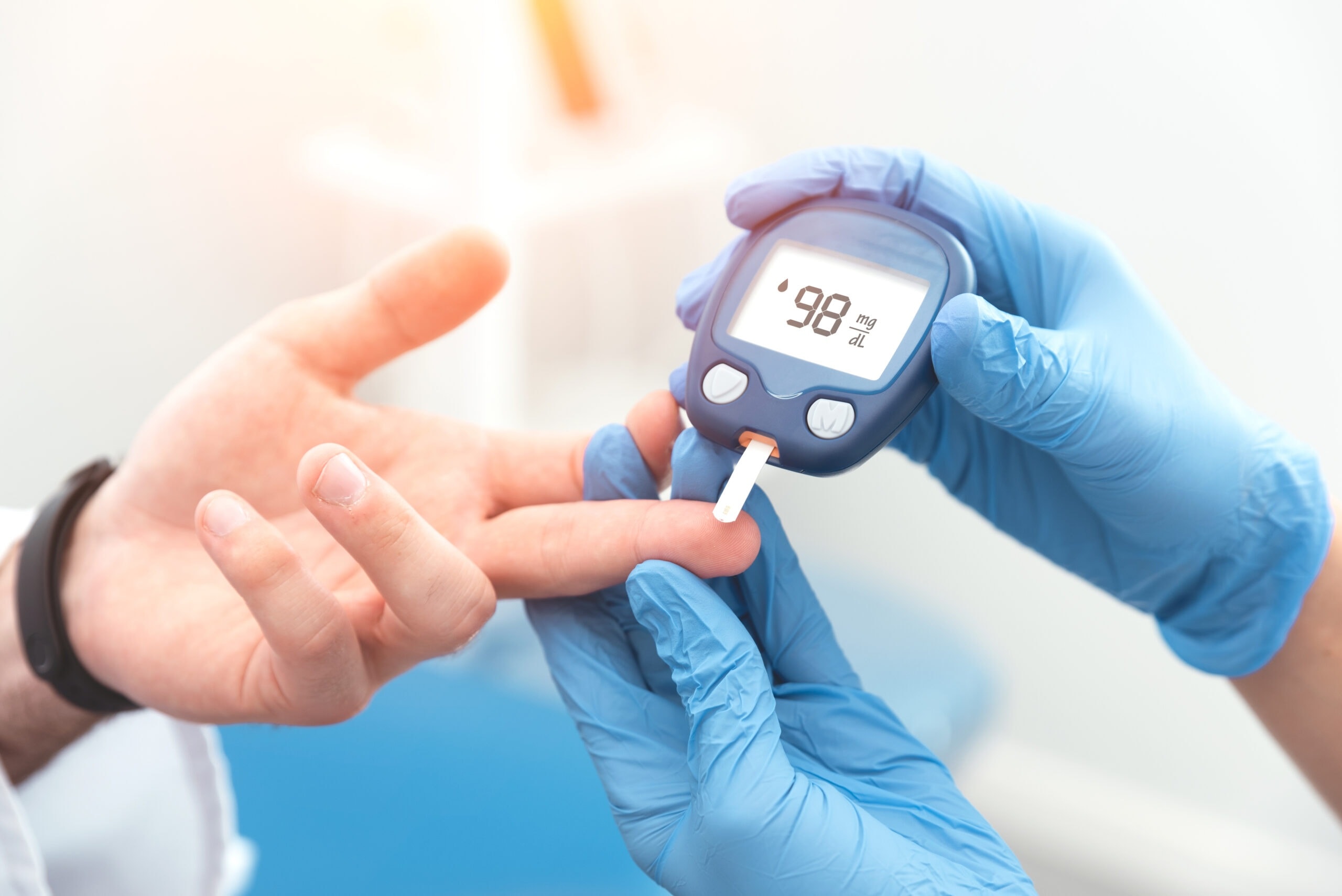
People with diabetes need to develop a reasonable and scientific diet and lifestyle to effectively manage their blood sugar. (Illustration: Shutterstock)
Skipping meals or eating at irregular times.
Skipping meals, especially breakfast, leaves the body hungry and prone to overeating at later meals, leading to a rapid increase in blood glucose levels.
Patients should eat three regular main meals and additional snacks if needed to maintain stable energy levels and avoid spikes in blood sugar after meals.
Consuming sugary drinks
Soft drinks, milk tea, and fruit juices contain a lot of easily absorbed sugar, causing an immediate increase in blood sugar. A single can of soft drink can significantly raise blood sugar in just 30 minutes.
Patients should avoid sugary drinks and opt instead for plain water, herbal tea, or unsweetened black coffee.
Eating too large a portion
Eating too much food, even healthy foods like fruits and grains, can raise blood sugar levels. Therefore, patients need to control their portion sizes, use smaller plates, and avoid overeating.
Not taking the medication at the correct dosage.
Forgetting to take medication or adjusting the dosage on your own can affect blood sugar control. Patients should follow their doctor's instructions.
Dietary principles to help stabilize blood sugar
To maintain stable blood sugar levels, people with diabetes need to follow these dietary guidelines:
Combine a variety of meals.
Combine carbohydrates, protein, and healthy fats in each meal to slow down the rate at which carbohydrates are digested and prevent blood sugar spikes.
Divide meals into smaller portions as needed.
Dividing meals throughout the day (3 main meals and 1-3 snacks as directed by a doctor) helps maintain stable energy levels and avoid sudden spikes in blood sugar.
Prioritize foods high in fiber.
Fiber doesn't break down into sugar, which helps increase feelings of fullness and supports digestion. People with diabetes should consume 25-38 grams of fiber daily from green vegetables, whole grains, legumes, and low-sugar fruits.
Drink enough water.
Staying hydrated helps regulate the body and supports blood sugar control. Choose plain water instead of sugary drinks or fruit juices.
In addition, patients also need to maintain regular physical activity. Exercise helps consume glucose to produce energy, thereby lowering blood sugar and making cells more sensitive to insulin. People with diabetes should maintain a habit of exercising for at least 150 minutes per week with moderate exercises such as walking, cycling, yoga, etc.
At the same time, monitoring blood sugar helps patients understand how their bodies react to different foods and daily activities. This allows them to make timely adjustments to their diet and lifestyle.
Other mistakes to avoid
ButNot taking the medication at the correct dosage.Forgetting to take medication or adjusting the dosage on your own can affect blood sugar control. Patients should follow their doctor's instructions.
ButConsuming too much high-energy food.Some foods, such as vermicelli, pasta, and bread, contain high levels of carbohydrates that can easily raise blood sugar. Patients should limit fruit to two servings per day and prioritize non-starchy green vegetables.
ButDrink sugary drinks to quench your thirst.Fruit juices and soft drinks can raise blood sugar levels. If needed, choose fresh fruit for added fiber.
People with diabetes need to develop a reasonable and scientific diet and lifestyle to effectively manage blood sugar and avoid dangerous complications. Maintaining healthy eating habits and regular physical activity is crucial.
In addition, it is important to proactively discuss with a doctor or nutritionist to establish a suitable diet and lifestyle plan to help stabilize blood sugar and improve quality of life.
Master Trinh Hong Son
National Institute of Nutrition, Ministry of Health