

The sentiments of folk songs and ballads
Thinking about folk songs and chants, one can imagine any time of year they are appropriate, just as listening to them is enjoyable at any time. But these days, as we eagerly await the 10th anniversary of Nghe Tinh folk songs and chants being inscribed by UNESCO as a Representative Intangible Cultural Heritage of Humanity, a flood of emotions about these genres suddenly wells up within us.
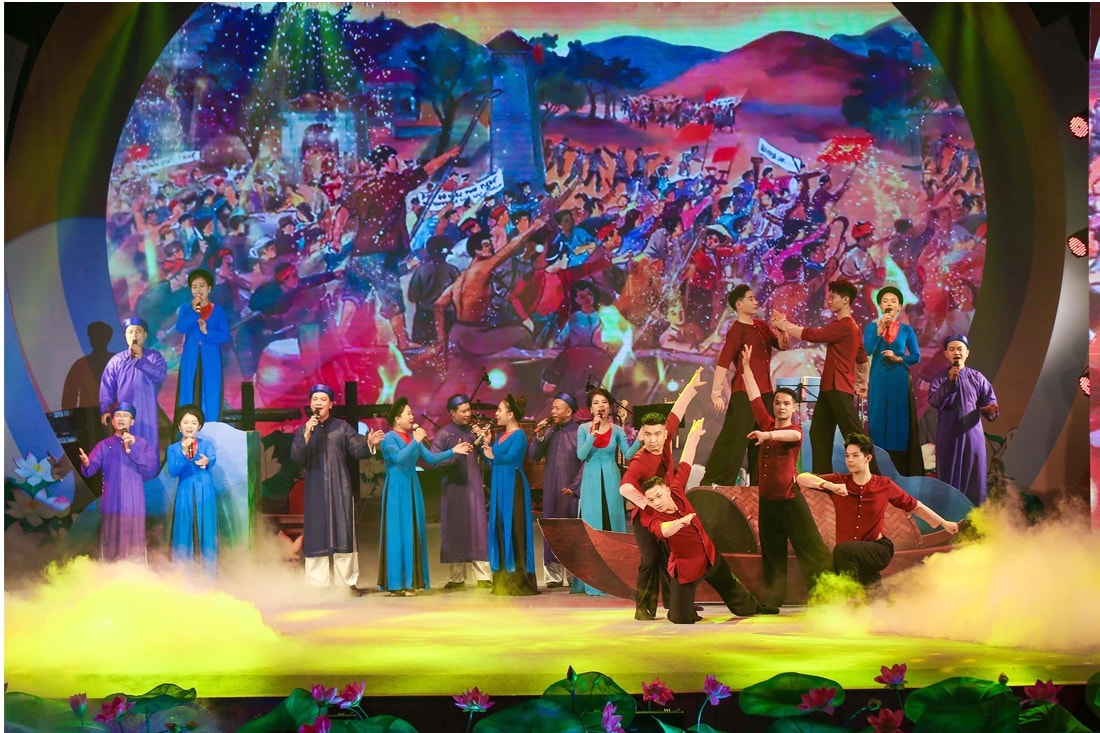
If someone suddenly asks what makes folk songs like ví and giặm so captivating, it's hard to answer. Folk songs in general, and ví and giặm in particular, aren't as appealing as modern pop music; the singers aren't always young and beautiful like contemporary artists; the performance spaces are simple and rustic, not flashy or elaborate with lights and decorations… Yet, anyone who listens to ví and giặm for a while becomes "enchanted" by them, because ví and giặm are the essence distilled from the hardships of life. Therefore, listening to ví and giặm is always deeply satisfying and authentic.
The folk songs and rhymes are very real: genuine praise, genuine criticism, genuine love, genuine longing, and genuine resentment. They are real yet charming, subtle, delicate, and profound, not ostentatious. Who wouldn't be moved by these playful verses?"When you arrived at the flower trellis, the flowers had already bloomed. When you arrived at the ferry landing, the ferry had already crossed the river. When you came to find me, I had already married someone else..."Who, upon hearing this metaphor of anger and love, can fail to feel both anger and love?"I may be angry, but I still love you / If you go astray, I can't bear it / My love, please don't get angry so quickly / First, you must blame yourself..."
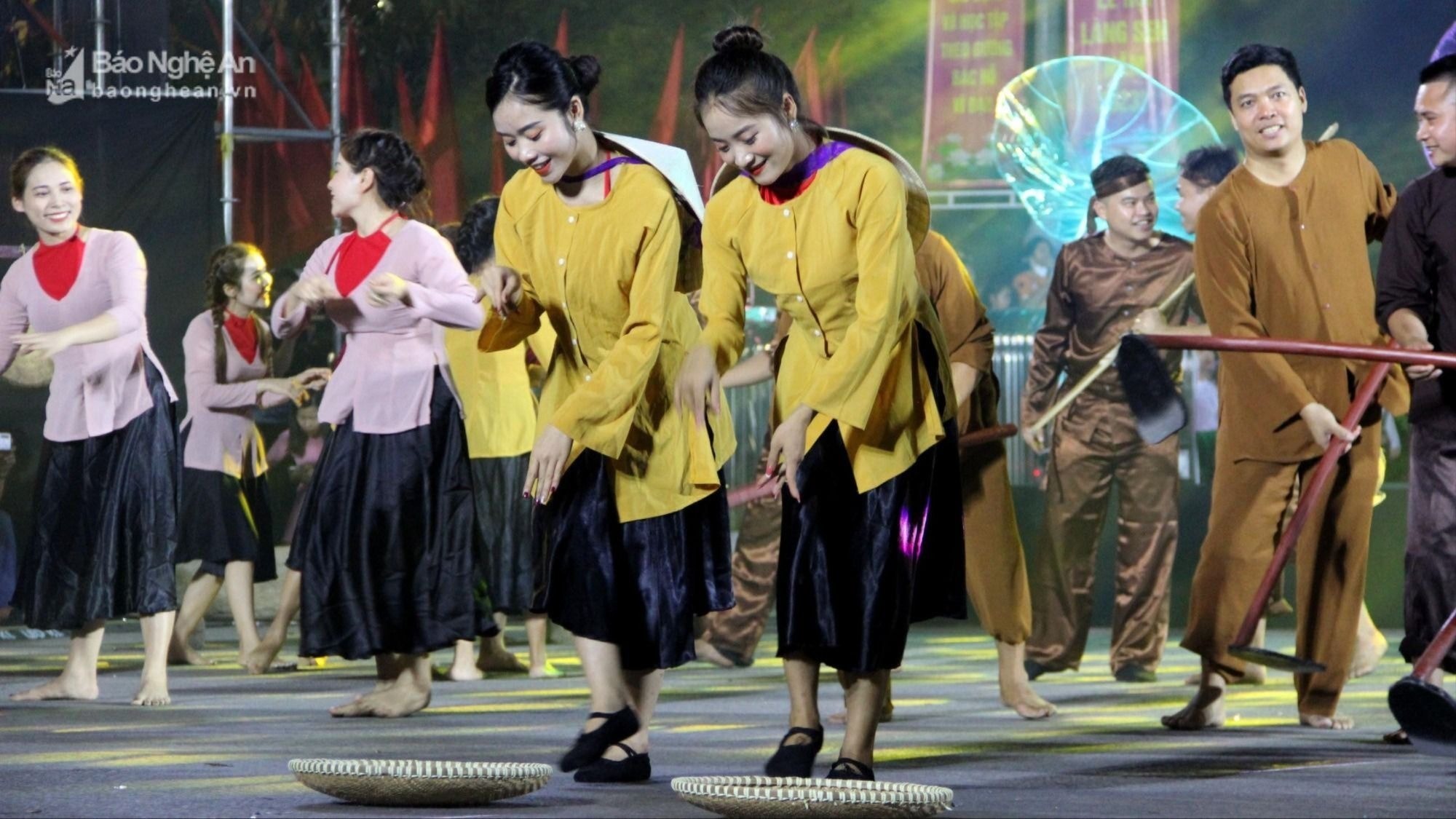
Folk songs and ballads rarely use far-fetched or conventional metaphors, but instead use simple allegories and associations stemming from the realities of life. A ferry ride becomes a folk song, a night of rice planting becomes a ballad. Folk songs and ballads contain high mountains, deep rivers, cool streams, vast oceans, and the presence of brothers and sisters… They carry feelings of love, loyalty, anger, affection, resentment, and hatred… They dwell on the anxieties of husband and wife, household matters, and national affairs… Folk songs and ballads are as pure as water, as warm as the earth… Listening to folk songs and ballads, one can laugh, cry, rejoice, or fall silent…
The more I listen to the folk songs of Nghe An, the more I am captivated. Perhaps no other musical form fully embodies the character of the people of Nghe An as much as these folk songs: simple yet romantic, rough yet proud, eccentric yet intelligent, straightforward yet free-spirited… These folk songs inherit nothing from anyone, nor rely on anyone; they are purely the people of Nghe An, carefully crafted from countless hardships, toil, and poverty. They take the whispers of fragrant rice fields as their rhythm, the rhythmic lapping of boats as their beat, and weave the sky, clouds, moon, and grass into simple, pure lyrics, conveying profound emotions and sentiments.
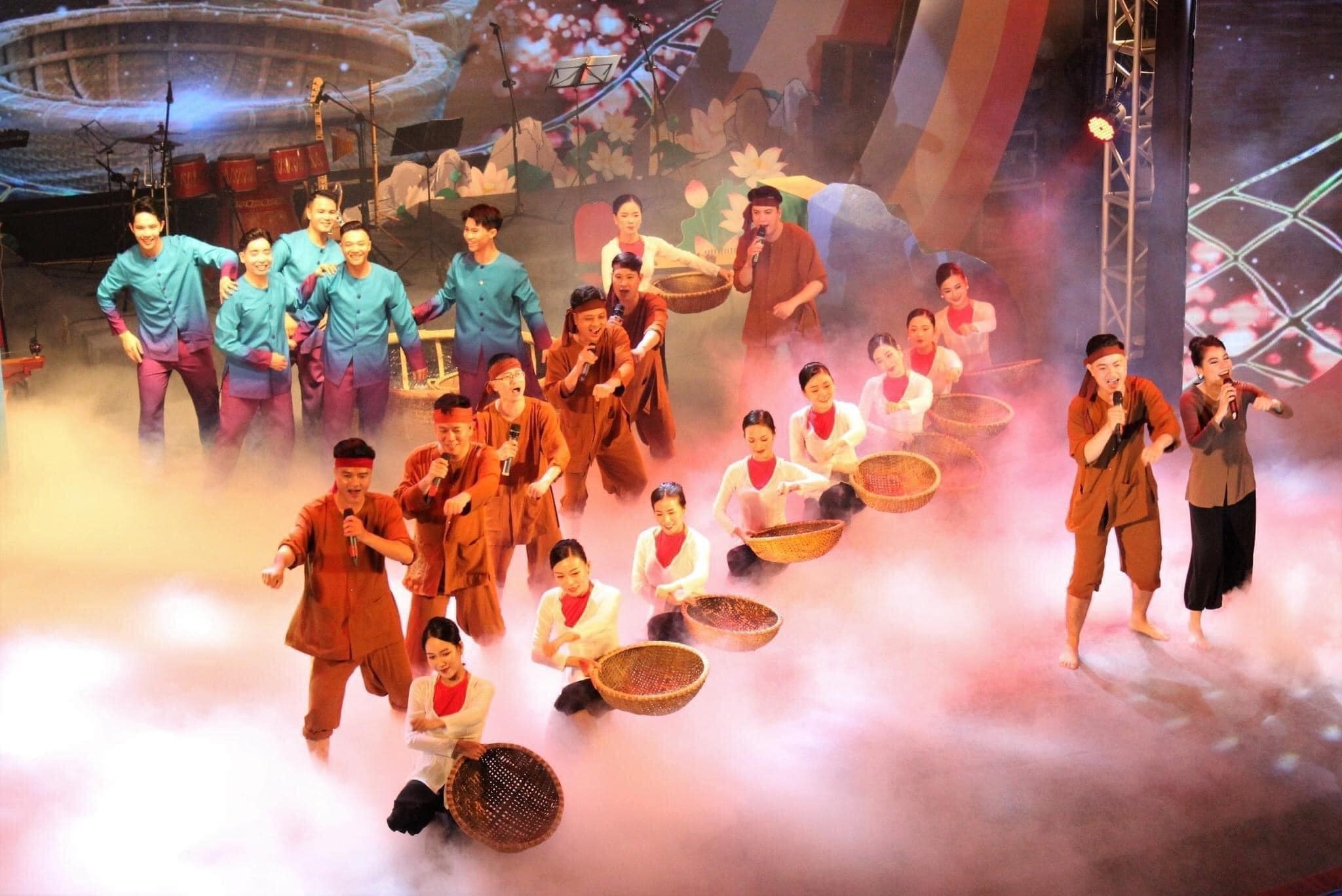
I've visited several folk singing clubs in Nghe An, not many, but enough to convince myself that the best way to listen to these folk songs is in a rural setting, surrounded by rice paddies, riverbanks, and waterways, where farmers roll up their trousers to wade in the fields and boatmen strain to propel their boats... Folk songs were formed and developed within the agricultural culture of rice farming, imbued with the breath of nature and the soul of the people's way of life and work. The biosphere of folk songs is created by the land and people of Nghe An, so it's easy to understand why, only when connected to this environment, the folk melodies become pure and rich, captivating people.
In 2015, the media reported extensively on the event honoring the Ví Giặm folk songs as an intangible cultural heritage of humanity, including interviews with People's Artist Hồng Lựu. I remember in one article, this artist, embodying the spirit of the Nghệ An countryside, expressed her heartfelt belief that, in order to preserve Ví Giặm in its true essence, it must be placed within its original performance space.
People's Artist Hong Luu recounted her experience in preparing the dossier for UNESCO, mentioning her years-long journey with dedicated colleagues to the countryside of Nam Dan, Thanh Chuong, Do Luong, Nghi Loc, and other areas to find elderly folk singers, collecting, recording, and filming ancient folk melodies and lyrics. She said that many professional artists sing folk songs well, but the beauty that truly resonates – meaning genuine manual labor, authentic living environments, authentic performance spaces, and the genuine feelings of the people in the countryside – is something only folk artists can truly convey.
She recounted how elderly women, over 90 years old, frail and bedridden, would, upon hearing visitors inquire about folk songs and melodies, painstakingly lean back to sing, and sing clearly and distinctly, with the characteristic pronunciation of folk songs and melodies, their eyes dim but with a glimmer of memories of the fields and mulberry plantations of yesteryear.
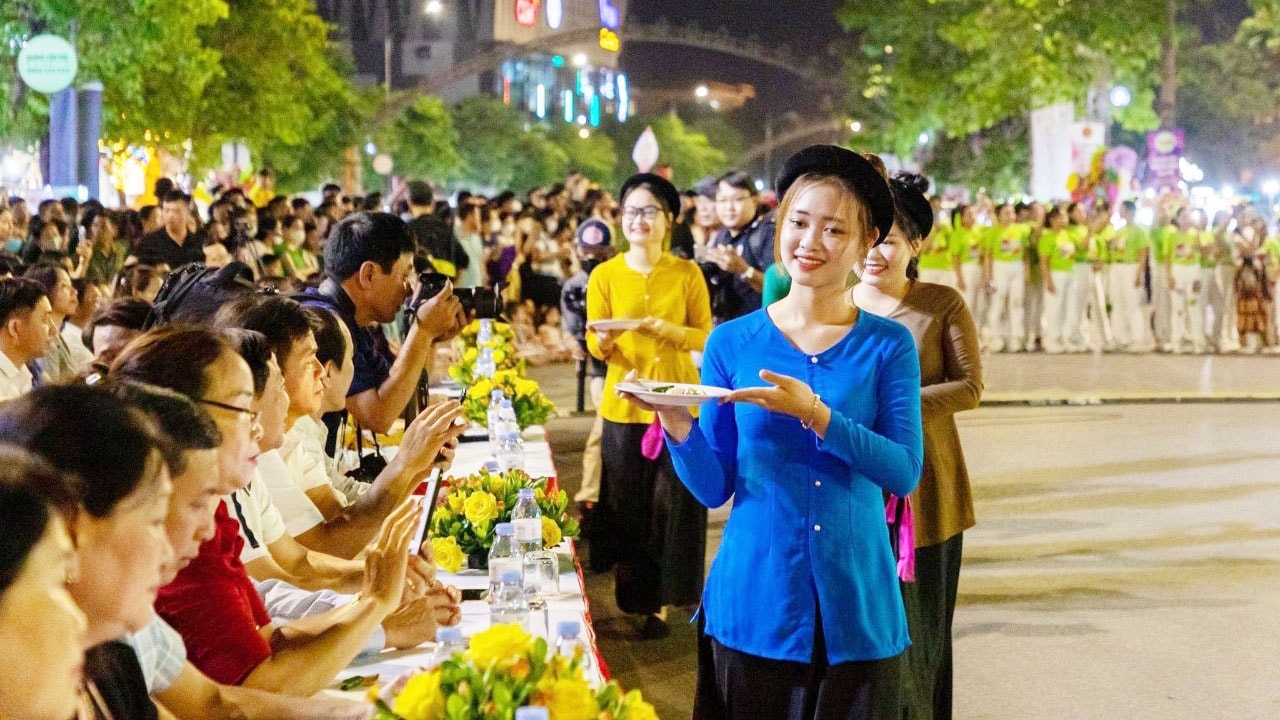
The enduring vitality of folk songs and ballads stems from their genuine reflection of the labor process and the feelings and aspirations of working people. The laborers of the past carefully crafted these melodies and lyrics, which even today, younger generations sing and listen to with the same beauty, accuracy, and relevance. But today, with the fast-paced modern life, the time devoted to folk songs and ballads is dwindling. How many new folk songs and ballads are created each year? Do these compositions truly express the feelings and sentiments of contemporary workers? Is the essence of folk songs and ballads rich enough, the lyrics profound enough, and the melodies simple enough to be easily remembered, learned, and resonate with people?
While many riverside and lake areas still exist, a significant portion is now primarily used for high-tech production. The expansive natural landscape is diminishing, and the space for performing the Ví and Giặm folk songs is shrinking. Young people are leaving their hometowns for education and work, leaving few to keep the flame of this heritage alive. These are major challenges in the preservation and promotion of the Ví and Giặm folk song heritage, and the cultural sector has made commendable efforts to overcome them to some extent.
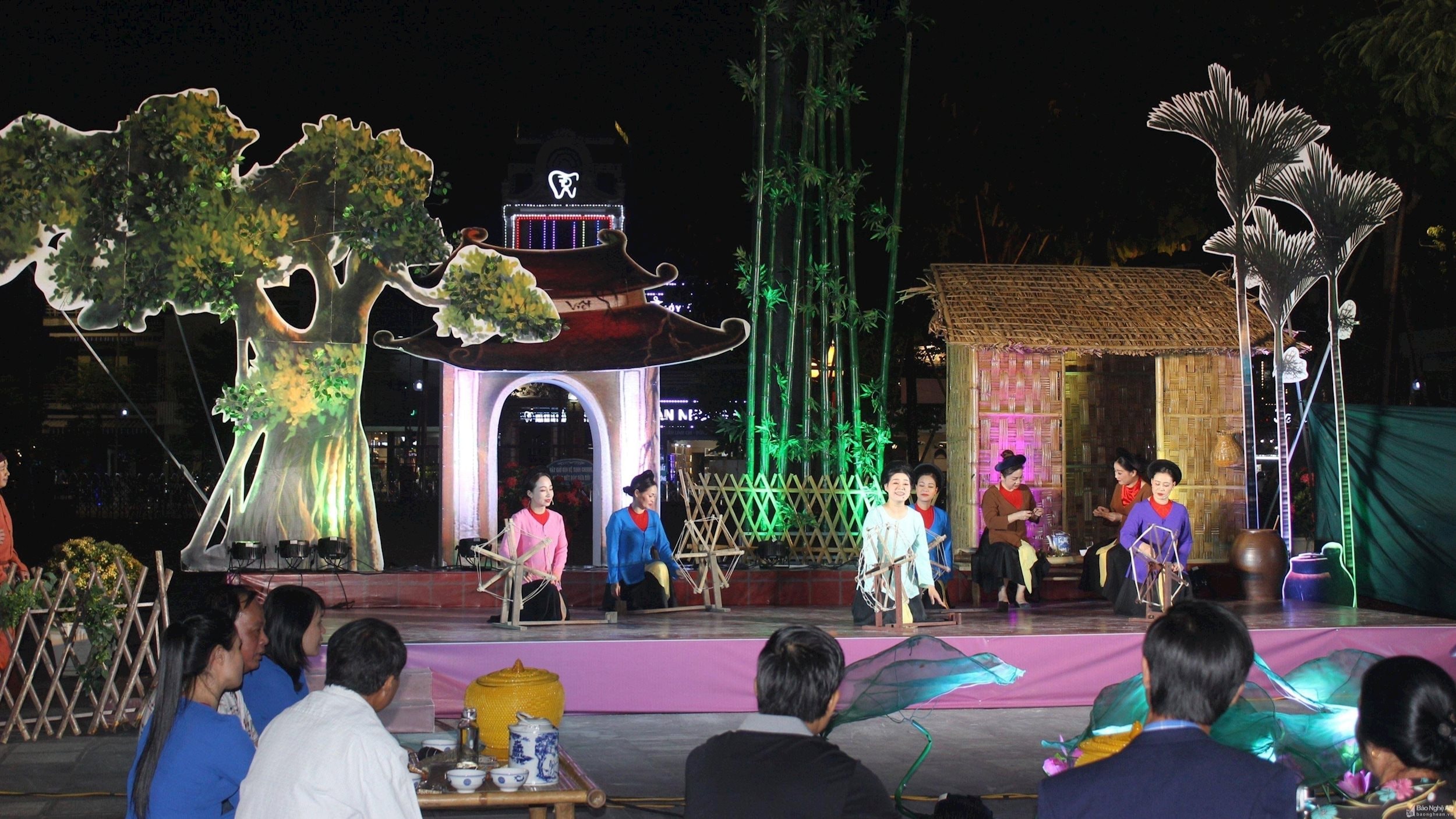
I have visited folk singing clubs in Chau Nhan (Hung Nguyen); Nam Nghia (Nam Dan); Ngoc Son, Dai Dong (Thanh Chuong); Lac Son (Do Luong); Dien Dong (Dien Chau)... listening to members who are farmers, freelance workers, and cultural officials... sing and talk about folk songs. Each person has their own reason for joining the club, perhaps because they have loved this genre of folk music since childhood, perhaps because they are naturally good singers and often sing so they are invited, or perhaps because of a responsibility assigned to them... but over time, the initial reasons become less important, leaving only a deep passion for folk songs.
"I've sung so much that I've become completely captivated by the folk songs and melodies without even realizing it!" - a performer at the Ngoc Son Folk Song Club told me. It's this passion and love that keeps them dedicated to the club year after year, but even this dedication can sometimes be disheartening, as the funding for the club's activities remains limited!
With the art of Ví and Giặm folk singing, the more one loves it, the more deeply one cares. For years, those who love Ví and Giặm have been grappling with a question: What is the future for Ví and Giặm? For several years, the Provincial College of Culture and Arts has struggled to recruit students to study folk music; the Ví and Giặm movement in schools has faced many difficulties; and there haven't been any outstanding models or bright spots in linking tours and routes to introduce Ví and Giặm folk songs… Everyone talks about their passion and concerns, but translating those feelings into practical and effective actions is still very difficult. This is a reality that needs to be faced directly, not because it's difficult, not because it's been talked about enough, because Ví and Giặm will never disappear. As long as the people of Nghe An exist, Ví and Giặm will exist, but how much will it last, and what will its quality be like? The answer belongs to each of us!