

Workers and laborers are 'struggling' to survive on minimum wage.
Workers can only work and produce with peace of mind when social security issues are guaranteed and their legitimate needs are met. However, for many reasons, these needs remain unmet, leading to undesirable shortcomings and consequences.
The salary is not enough to cover expenses.
According to experts, in businesses in Nghe An province in particular and the whole country in general, workers are receiving excessively low wages that do not meet their essential needs. The reason for this situation is that the balance between the interests of businesses and workers has not been adequately addressed.

Ms. Hoang Thi Thu Huong, Chairwoman of the Trade Union of the Southeast Economic Zone, shared: “Workers need an income to ensure their food, living expenses, health, and welfare for themselves and their families in daily life. At the same time, they also need enough income to prepare for unemployment, illness, old age, or other unforeseen circumstances. However, with the high risk of the minimum wage, their families can only barely survive.”
Most businesses have transformed.salaryThe minimum wage in the region is set at an average salary level, ranging from 3.5 to 5 million VND per month. This allows businesses to cut labor costs and avoid paying social insurance contributions, while workers receive low social security benefits.
"The total income of workers will be the minimum wage plus allowances, subsidies, overtime pay, and extra shifts, ranging from 5-10 million VND. With the current cost of living, that amount can only cover basic living expenses; it's not enough to save for emergencies."
In many recent collective work stoppages, the main demands of workers have revolved around income issues, with wages being the key to their earnings. During a strike a year ago at a factory in Dien Chau, many workers expressed frustration over the extremely low minimum wage they received, which was insufficient to cover their living expenses.
“When we petitioned about wages, the employer replied that the current wage was already higher than the regional minimum wage, and they insisted they weren’t violating any laws. That’s true, but even with slightly higher wages than the minimum, our overall income is still very meager; we barely make ends meet. That’s why we feel frustrated whenever we have points deducted for attendance or are fined for minor reasons,” shared Ms. Tran Thi H., a worker, during the collective work stoppage in October 2023.

Originally from Quy Hop district, Le Thi Quynh Trang (Luxshare ICT Co., Ltd.) came to Vinh to work as a factory worker in the VSIP Industrial Park. She confided: “My average monthly income is nearly 6 million VND, and my husband's is 10 million VND. Because we cook our own meals and are frugal, we only spend about 5 million VND/month on food, groceries, utilities, and 1.5 million VND on rent. Visiting and transportation costs another 2 million VND, and we send 3 million VND back to our parents in the countryside each month to support our children. We try to save a little, but it's inconsistent... The dream of owning a home and having a stable life is so far away.”
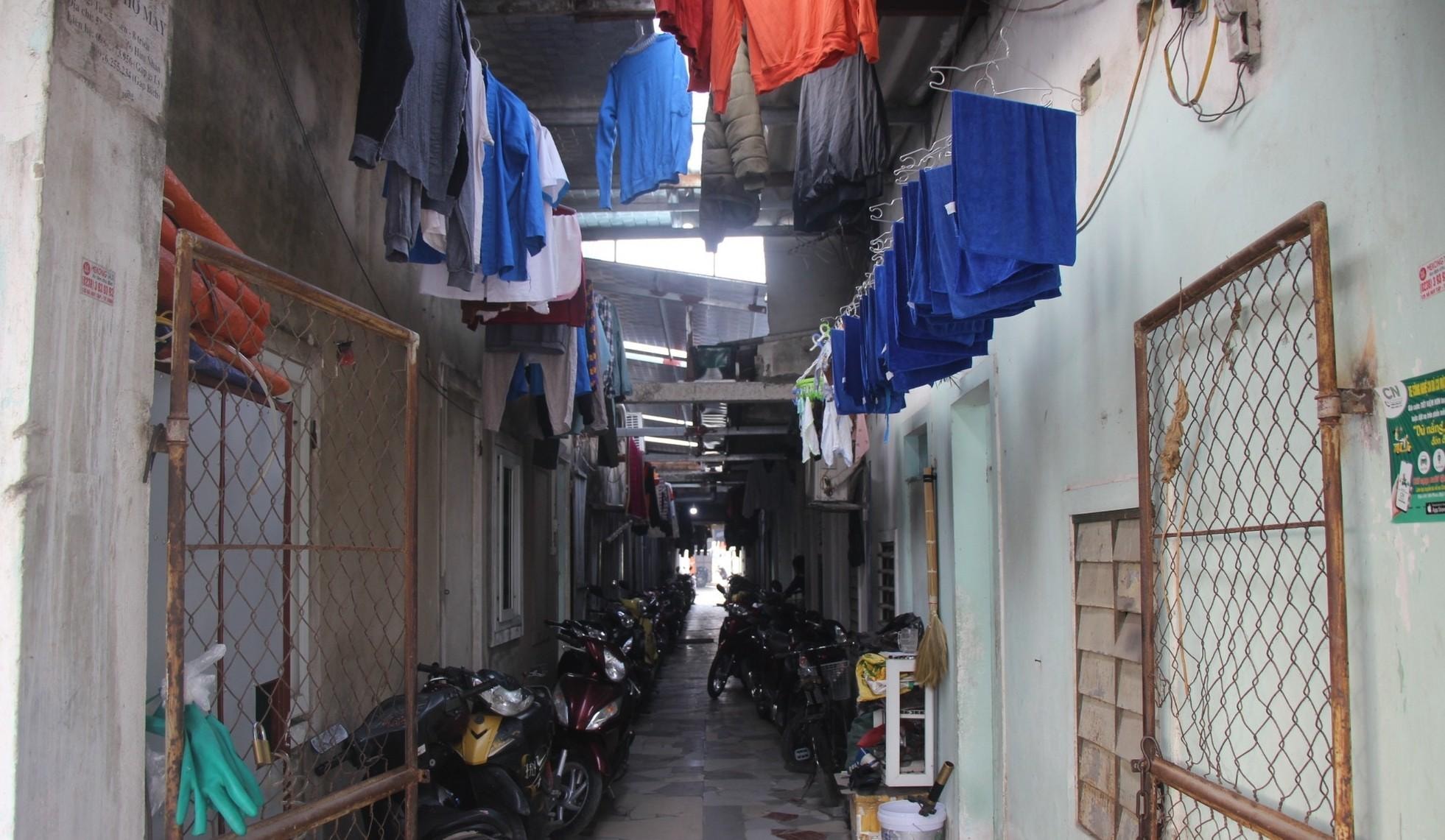
Trang's story reflects the common situation of most migrant workers. The work is stressful,salaryDue to meager and frugal living conditions, the health of the workers is not guaranteed. Their living environment is also mostly in damp, dilapidated rented rooms, hot in the summer and cold in the winter.
Children of factory workers also face disadvantages when forced to choose between living with their grandparents in the countryside or with their parents in industrial zones. If they choose to live with their parents, they lack basic living conditions in rented accommodations, affecting their physical and mental development. If they live with their grandparents in the countryside, they lack the care and affection of their parents.
"Current wages and incomes make the issue of ensuring adequate housing for workers seem very distant. Meanwhile, the business community, in order to maximize profits, is colluding to keep wage payments at the legal minimum to maximize profits," said Mr. Nguyen Chi Cong, Vice Chairman of the Nghe An Provincial Labor Union.
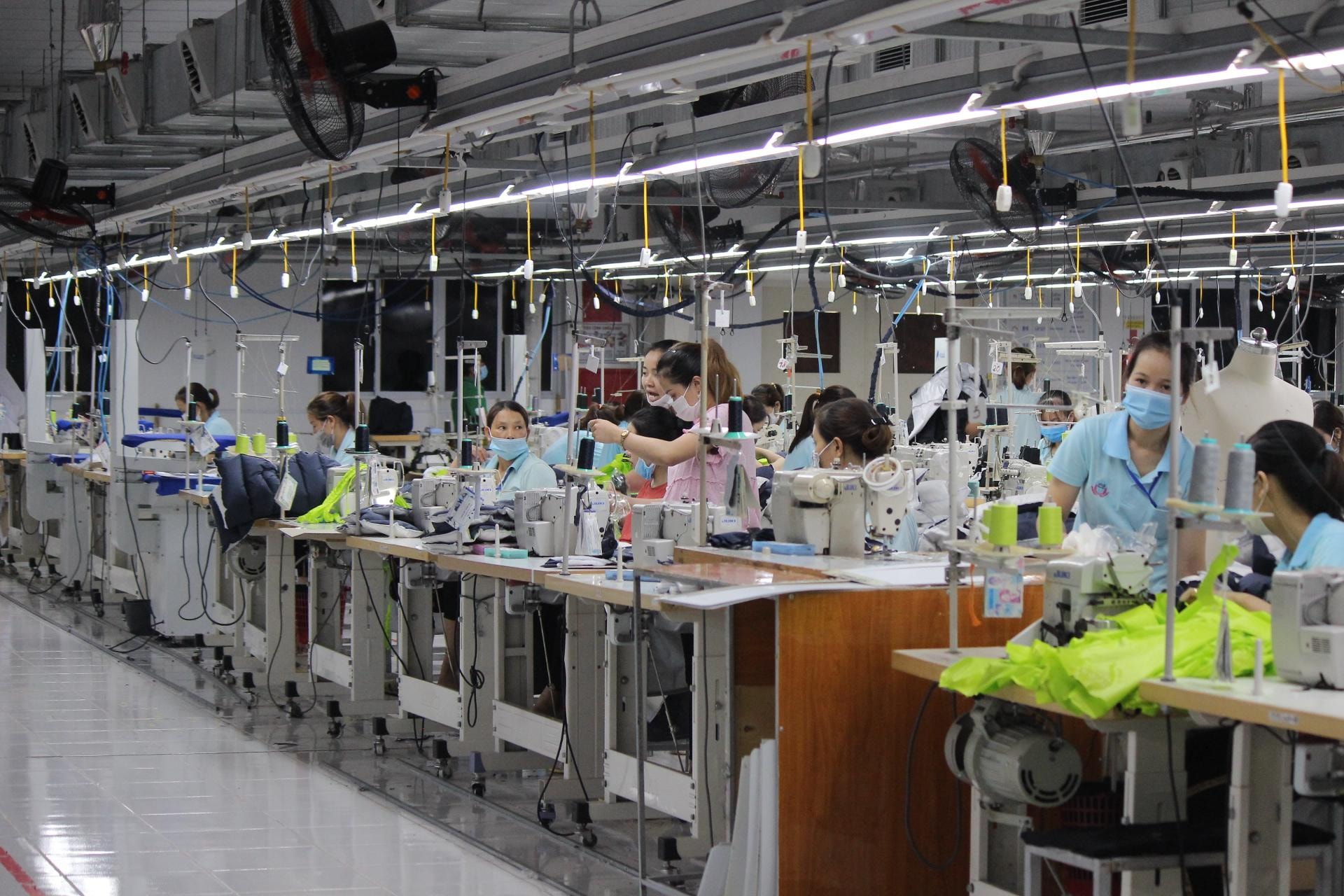
A comprehensive set of policies is needed.
To address the shortcomings related to workers' lives, comprehensive solutions are needed from the central to local levels.
“To improve the lives of workers, first and foremost, it is necessary to reform the minimum wage policy, accurately assess the current situation, and adjust it to meet minimum living needs. This is also a factor that directly impacts labor relations. In addition, relevant authorities need policies to train skilled workers, ensuring quality and meeting the needs of businesses, minimizing the situation where workers have to do manual, strenuous work lacking skills. In vocational training, especially at universities, avoid training based on trends, and instead focus on training according to employment needs. Workers undergoing vocational training should also receive foreign language training so they can work with foreign business owners,” said Ms. Hoang Thi Thu Huong.
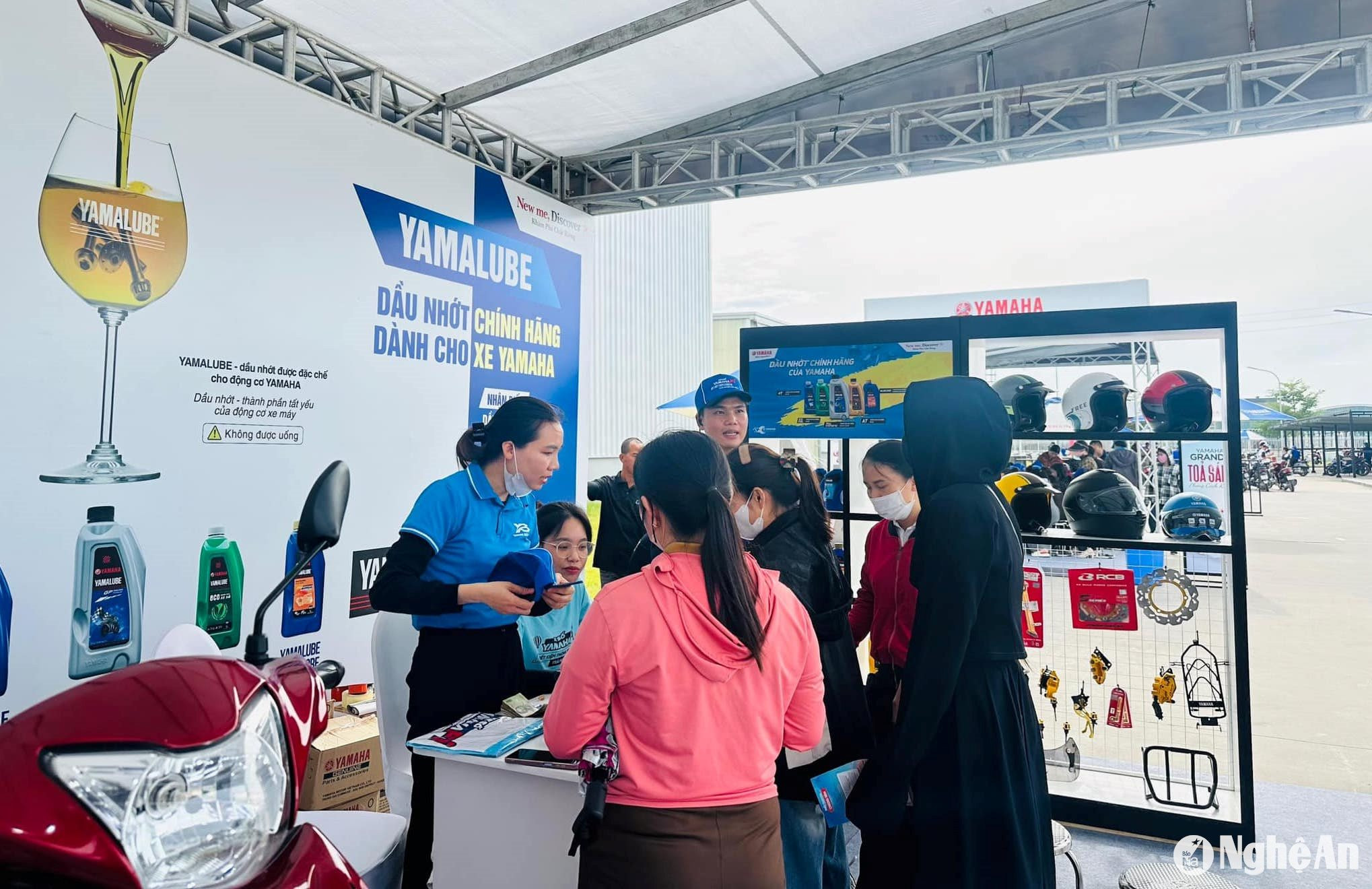
Regarding the lives of workers, in the two meetings with constituents this year, issues such as housing for workers, places for sports and cultural activities, schools, and kindergartens for workers' children were among the topics that received much attention and suggestions from workers. In addition, many female workers also requested the implementation of reproductive health care programs for workers in industrial zones and the construction of industrial zone medical centers. At the same time, the State needs to have policies to support preferential loans for workers in industrial zones, helping them have the necessary financial conditions to buy or rent social housing, and to settle down or stabilize their living situation.
"The 120 trillion VND social housing loan program, aimed at social housing and housing for workers and low-income earners, currently has an interest rate of 6.5%, which is too high, even higher than commercial bank interest rates. At the same time, we hope the State will have policies to support, exempt, or reduce tuition fees for the children of workers employed under labor contracts in industrial zones because the current tuition fees are high compared to the income of workers in general," said worker Tran Van Tai (Minh Anh Kim Lien Garment Joint Stock Company).
Similarly, at the workshop to provide feedback on the revised Trade Union Law, many delegates argued that, in order to ensure the legitimate rights and interests of workers in enterprises, strengthening the role and functions of trade unions in legal regulations is necessary.
With a long-term vision, the State also needs to research and implement the establishment of a social security reserve fund to support unemployed workers in coping with sudden difficulties and risks. Establishing this reserve fund will help alleviate the burden on traditional social security funds such as social insurance and health insurance funds, preventing the risk of these funds collapsing, thereby contributing to strengthening the safety and sustainability of the social security system in our country.