

Combating waste and practicing thrift in accordance with Ho Chi Minh's ideology.
Combating waste and practicing thrift is a very important task, no less important than the struggle to prevent and combat corruption, bureaucracy, and negative practices.
Wastefulness and corruption, along with bureaucracy, directly threaten the security of the nation and the survival of the regime. Therefore, continuing to promote research on Ho Chi Minh's thought on preventing and combating wastefulness, practicing thrift, and persistently applying it creatively in practice is of great importance to the revolutionary cause in our country today.
President Ho Chi Minh identified, criticized, and fought against the disease of wastefulness.
President Ho Chi Minh was the founder, leader, and mentor of our Party. His thoughts, ethics, and style are the ideological foundation and guiding principles for all actions of the Party. From the very early days of the successful revolution, President Ho Chi Minh consistently educated cadres and Party members to improve revolutionary ethics, practice thrift, combat corruption and waste, and fight bureaucracy…
InLetter to the People's Committees of provinces, districts, and villages.(October 17, 1945)Letter to comrades in Northern Vietnam(March 1947)Letter to comrades in Central Vietnam(in 1947) and in works such asModify working methods.(October 1947)Diligence, frugality, integrity, and righteousness(June 1949)revolutionary ethics(December 1958)Enhance revolutionary ethics and eradicate individualism.(February 1969)Testament(May 1969… He repeatedly spoke about cultivating revolutionary ethics, practicing thrift, diligence, honesty, integrity, and selflessness, and criticized corruption, embezzlement, bureaucracy, and waste.
Combating waste and practicing thrift are fundamental aspects of President Ho Chi Minh's revolutionary ethical system.
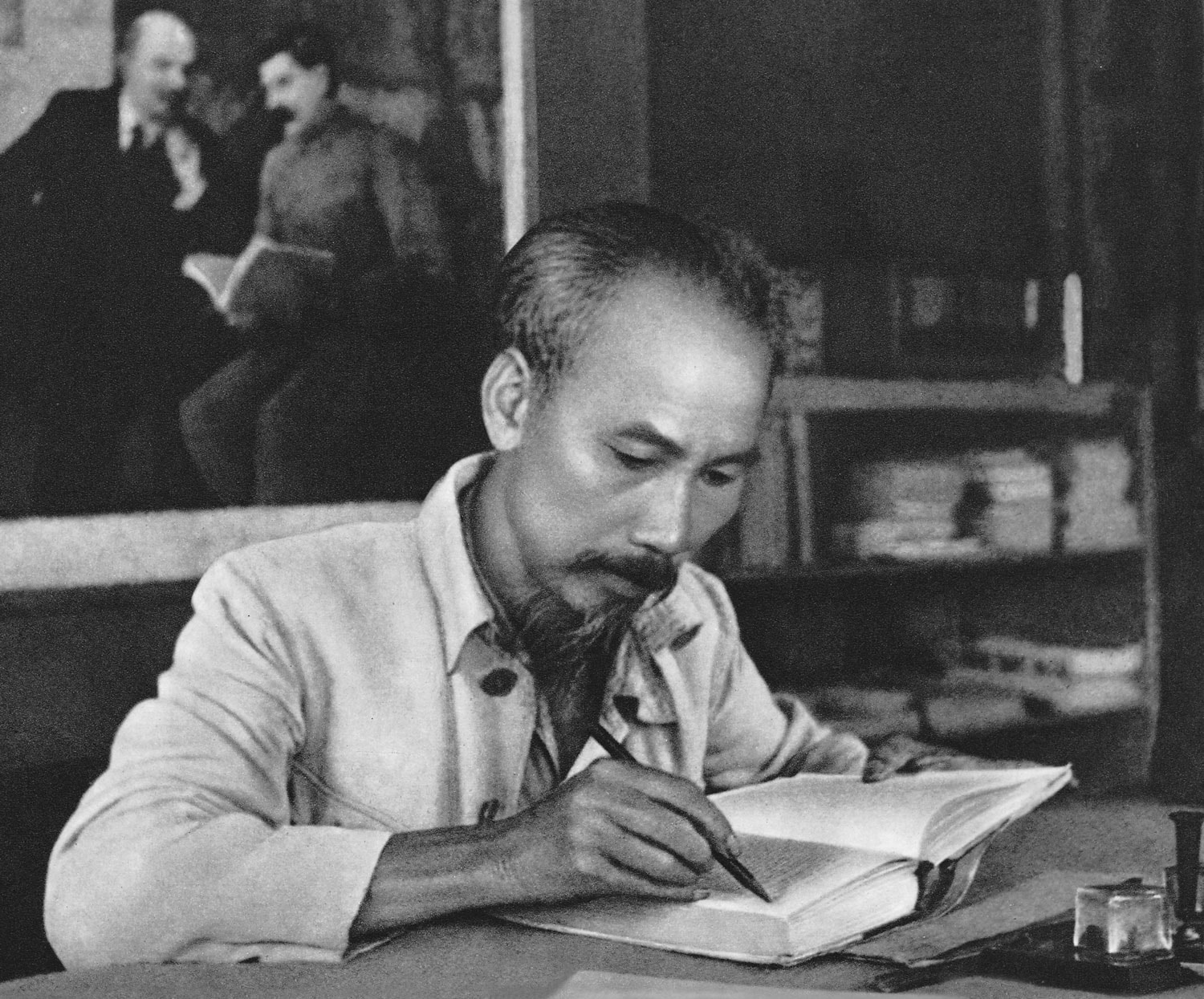
The disease of wastefulness, as clearly identified by him, is the reckless consumption and waste of the people's and the country's labor, time, money, and material resources.
According to him, wasted labor is when a large number of people are still needed for tasks that few people can do; due to careless planning, deploying hundreds of people to a construction site with no work to do, or having too many people and too little work; and improper personnel allocation, resulting in too many managers and too few direct production workers.
Wasting time means dragging out tasks that could be completed in a day or a single session; wasting money and material resources belonging to the State, agencies, and units; and engaging in extravagant spending, lavish parties, excessive shopping, and wasteful use of supplies and materials.
For example, banks may misuse funds, causing them to stagnate and not contribute to increased production; economic agencies may create impractical plans that are not aligned with the circumstances, leading to government losses, creating projects that are not legitimate, and then having to demolish and rebuild them... Therefore, we can see that waste is irrational spending, a disease of "showing off," causing unnecessary expenses.
Wastefulness can sometimes cause even greater material harm than corruption; therefore, President Ho Chi Minh clearly stated: "Although wastefulness does not involve taking public funds for personal gain, its consequences are still very harmful to the people and the government. Sometimes it is even more harmful than corruption."(1).
Therefore, he called for resolute action against wastefulness in state agencies and in the lives of each individual; it is necessary to combat wasteful consumption of the people's and the State's wealth. Combating wastefulness is closely related to saving, and according to President Ho Chi Minh, to contribute to the revolutionary cause, it is necessary to save labor, time, and money...; accordingly, everyone and every agency must practice saving.
Those who consider frugality a fundamental principle for a nation's progress, a method of operation for an economic system, believe that it's not just poor countries that should practice frugality, but even wealthy nations need to. In reality, frugality means avoiding waste, and waste is tantamount to a lack of frugality.
According to President Ho Chi Minh, to contribute to the revolutionary cause, it is necessary to save labor, save time, save money...; therefore, everyone and every agency must practice thrift.
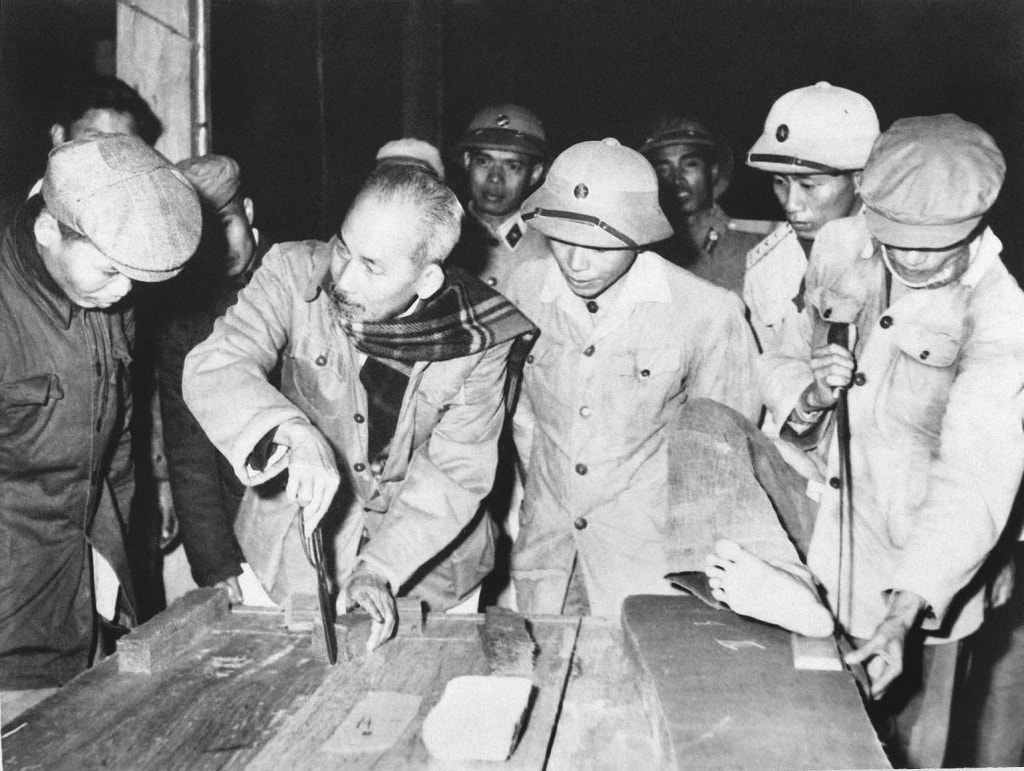
Over more than 40 years of implementing reforms, our country has achieved tremendous, historically significant accomplishments:"Our country has never before possessed the strength, potential, position, and international prestige it enjoys today."(2)However, some officials, Party members, some agencies and units, and the people still suffer from the disease of wastefulness.
A common phenomenon in many agencies and units is the waste of labor, due to the existence of cumbersome and overstaffed systems, without streamlining as directed by the Central Government. As a result, a segment of civil servants, due to job assignments not matching their positions, continue to experience a situation of "going to work with an umbrella in the morning and returning home with an umbrella in the evening."
The problem of wasted time in administrative and public service agencies in many places is slow to be rectified; unnecessary meetings and conferences are still numerous, the content of meetings often drags on, but the conclusions are unclear,... therefore, efficiency is not high.
Some heads of agencies and units have taken advantage of the Party's policy of cadre rotation to carry out indiscriminate rotations across all sectors and fields, such as civil servants, public employees, education, etc. (except for specialized agencies and units); this has led to a lack of job security and dedication among cadres, civil servants, and public employees, as well as a lack of in-depth expertise in their profession and specialization.
Therefore, this has led to the problem that those who "lobby" for good leadership positions get stable jobs without needing to be transferred, while those who "lobby" for bad leadership positions are transferred; consequently, this wastes labor, reduces work efficiency, and erodes the trust of officials in the Party and government.
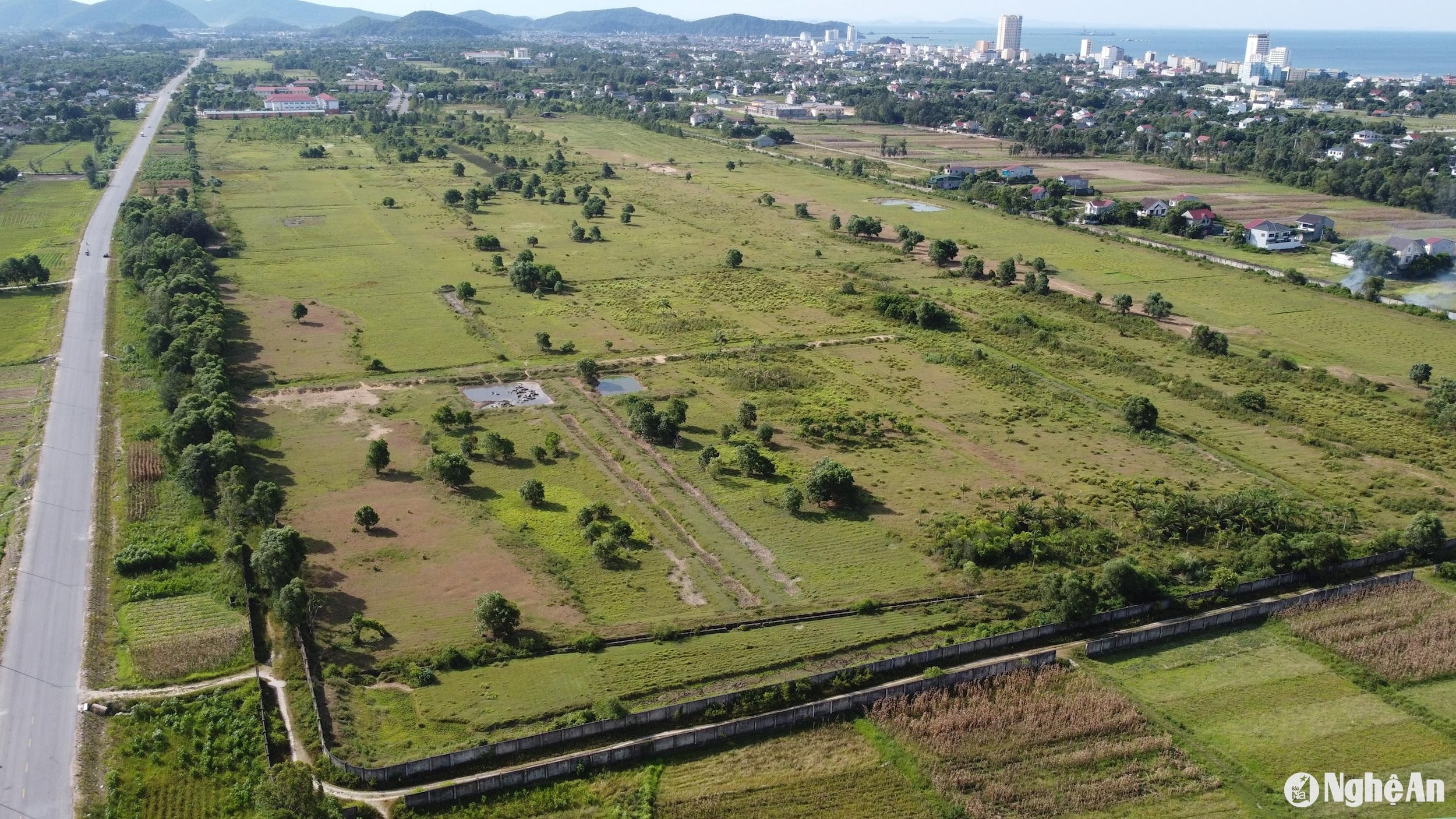
Although administrative procedures in state management agencies have improved compared to the past, they still do not fully meet the expectations of the people and businesses. Some projects have resulted in wasted money due to incorrect or ill-timed investment policies, such as factories being built but unable to operate due to insufficient raw materials and lack of a market; markets being built but not used by the public; projects acquiring large areas of land remaining undeveloped for decades; the organization of construction in some areas lacking coordination and scientific approach, such as newly inaugurated roads being immediately dug up for the installation of power lines and water pipes; and some projects experiencing significant cost overruns due to prolonged construction. This not only wastes materials but also disrupts the environment, resulting in poor quality construction and overall state revenue.
In particular, some newly promoted and appointed leaders and managers are very concerned with directing the reconstruction of the headquarters gate (even though the old gate was built by the previous leader) to match their age, not to mention the expensive purchase of vehicles and installation of new equipment in their offices; taking advantage of the tourism development policy, some localities have organized many festivals or held groundbreaking and inauguration ceremonies for projects and items that are very costly and wasteful... The above examples and statistics on wastefulness are contrary to Ho Chi Minh's ideology, contrary to the Party's guidelines and policies, and the State's policies, and need to be promptly prevented and eradicated.
President Ho Chi Minh clearly pointed out the root cause of wastefulness: individualism – an obstacle inherent in every cadre, party member, and individual, and the fundamental cause of many shortcomings, mistakes, and other obstacles.
According to him: "Individualism is a dangerous enemy that each of us must always be vigilant against and resolutely eradicate." The manifestations of individualists are: "They do not care about the lives of the people but only think about their own interests. They forget that every penny, every grain of rice is the sweat and tears of the people, thus giving rise to ostentation and waste. They consider themselves entitled to live luxuriously and indulgently, leading to corruption, depravity, and even crime. All the aforementioned mistakes are the offspring of individualism."individualism”(3).
Applying Ho Chi Minh's ideology to the fight against waste and the practice of thrift in Vietnam today.
Firstly, efforts should be made to create a positive shift in awareness among officials, Party members, and the people.
The Resolution of the 13th National Congress of the Party clearly states: “Focus on building the Party in terms of ethics, actively fight against bureaucracy, corruption, waste, and negative phenomena; effectively prevent and repel the decline in political ideology, morality, and lifestyle, and the manifestations of ‘self-evolution’ and ‘self-transformation’ within the Party, while promoting the study and emulation of Ho Chi Minh’s thought, morality, and style; and effectively promote the exemplary responsibility of cadres and Party members according to the motto.”The higher the position, the more exemplary one must be.”(4)Accordingly, cadres and Party members must first and foremost set a good example in combating waste and practicing frugality in both their work and daily lives.
The resolution specifically emphasizes the task of "Strengthening revolutionary moral education, regularly, extensively, and effectively implementing the study and emulation of Ho Chi Minh's thought, morality, and style in conjunction with the fulfillment of political tasks."
Strictly adhere to the Party's regulations on exemplary conduct; the higher the position, the more exemplary one must be, starting with members of the Politburo, members of the Secretariat, members of the Central Committee, etc.(5)Party committees directly under the Central Committee and grassroots party organizations are seriously implementing the contents of the nationwide online conference on studying, understanding, and disseminating the Resolution of the 13th National Congress of the Party, aiming to help cadres and party members grasp the core content and new points in the documents of the 13th National Congress of the Party.
Based on that, Party committees at all levels will lead and direct the development of specific action programs to organize the implementation of the Resolution of the 13th National Congress of the Party; at the same time, they will widely disseminate information throughout the Party, the army, and the people, creating unity of will and action in the process of implementing the resolution.
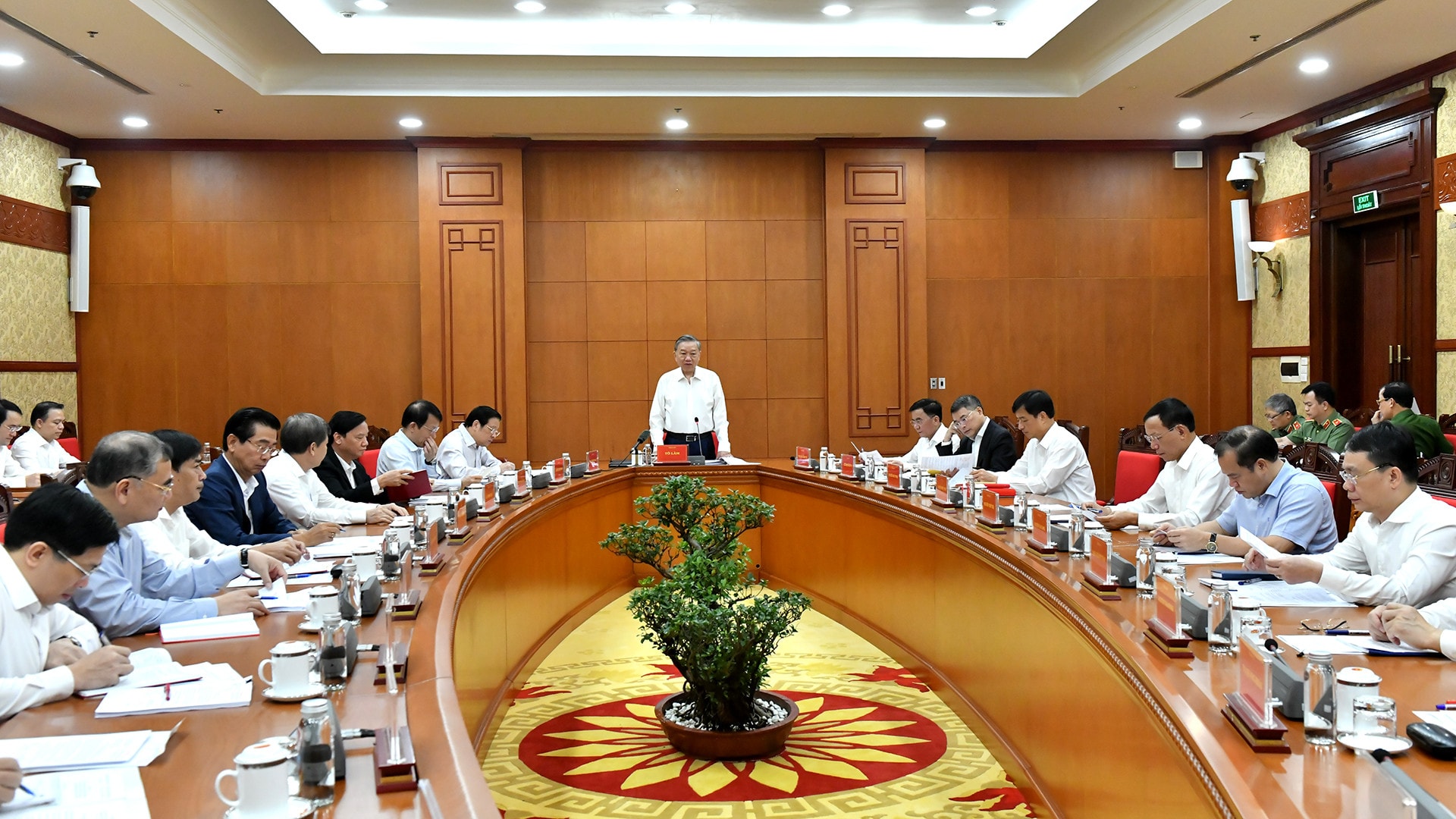
The organization of studying, understanding, and disseminating the Resolution of the 13th National Congress and other new Party documents must fully implement all steps, such as determining requirements, forms, timeframes, developing programs, content, and a team of speakers to suit the reality, according to the guidance of the Central Propaganda Department. This is the way to strengthen political and ideological education for cadres, Party members, and the people in accordance with Ho Chi Minh Thought.
According to him, every sector and locality must conduct ideological education for cadres, Party members, and the people about the harmful effects of corruption and waste, and "must enlighten the minds." President Ho Chi Minh demanded that, first and foremost, a common understanding and determination to fight corruption, waste, and bureaucracy must be created; this is a very important and urgent task, as crucial as fighting the enemy on the battlefield.
Like other fronts, the ideological and political front requires serious preparation, unified leadership, and unwavering determination in its implementation. This is an internal revolution – a fierce struggle between “good and evil,” between “the old and the new,” between revolutionary ethics of diligence, frugality, integrity, righteousness, and selflessness, and the enemy of corruption, waste, and bureaucracy…
Through propaganda, it is necessary to thoroughly understand the content of the disease of wastefulness, its harmful effects, and the causes of wastefulness, so that every cadre, Party member, and citizen can change their awareness; only then can they consciously act, resolutely fight against wastefulness, and practice effective thrift.
Secondly, we must continue to innovate and improve the organizational structure and personnel of the political system to ensure it is streamlined, effective, and efficient.
The documents of the 13th National Congress of the Party clearly state: “Continue to innovate and improve the Party's organizational structure and the political system to be streamlined, effective, efficient, and synchronized with economic, cultural, social, and human resource reforms… meeting the requirements of enhancing the Party's leadership and governance capacity, perfecting the socialist rule of law, the socialist-oriented market economy, and socialist democracy.” The urgent requirement is to “Accelerate the implementation of personnel reduction associated with restructuring the workforce of cadres, civil servants, and public employees according to job positions.”(6).
Based on the implementation of the resolutions(7)In particular, the implementation of the Resolution of the 13th National Congress of the Party requires a review to evaluate and summarize in order to draw lessons learned from the effective implementation of these important contents.
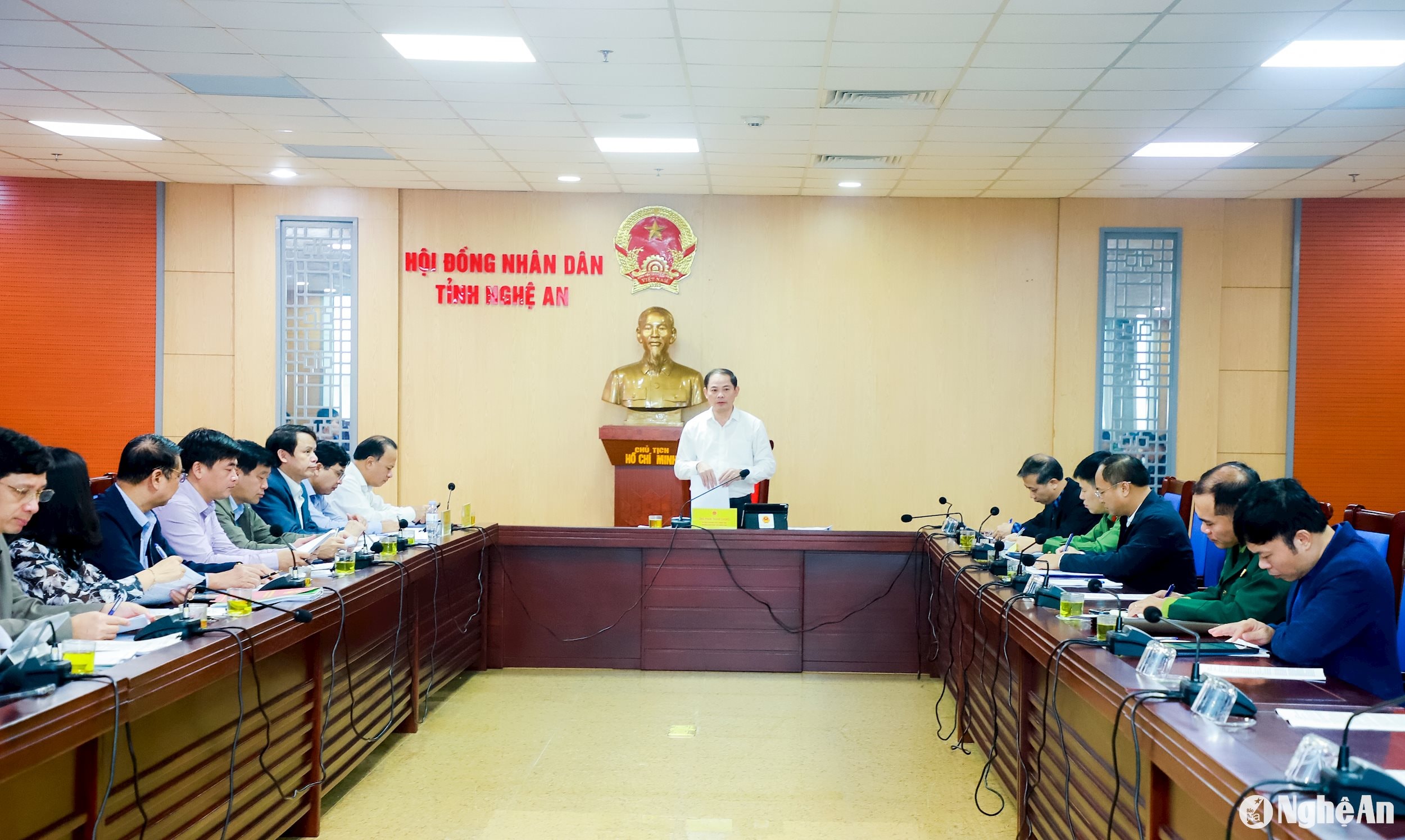
In reality, while the political system has been initially streamlined and the number of civil servants and public employees in some sectors and fields has decreased, the apparatus remains cumbersome, and in some cases, the number of personnel has even increased.
In the context of the scientific and technological revolution, the Fourth Industrial Revolution, especially the strong development of digital technology, which has created breakthroughs in many fields; along with raising public awareness, all policies, regulations, and legal documents directly related to the people need to be implemented in a synchronized and effective manner.
It is necessary to conduct early research to drastically reduce some organizations at the intermediate level (such as the general department level,...) and continue building a streamlined political system that operates effectively and efficiently. Significantly reducing staffing levels and prioritizing the recruitment of talented individuals are important solutions that contribute to achieving results in practicing thrift and combating waste.
Thirdly, we need to supplement and improve the mechanisms, policies, laws, and responsibilities of organizations and individuals, especially leaders, in the fight against waste and the practice of thrift.
The organization will implement two key tasks during the 13th Party Congress term: “Completely perfecting the legal system, mechanisms, and policies to strongly promote socialist democracy and the people's right to self-governance;…”, and “Strictly manage and rationally and effectively utilize land and resources; protect and improve the environment; proactively and actively implement solutions to adapt to climate change and severe natural disasters.”(8)In this context, the role, functions, tasks, and powers of the Government are immense: “The Government is the highest state administrative body, exercising executive power, acting as the executive body of the National Assembly, focusing on macro-management, institution building, strategies, plans, and programs; strengthening the capacity for forecasting, analysis, and policy recommendations based on scientific and practical arguments in the context of a socialist-oriented market economy.”(9).
Accordingly, the Government and authorities at all levels are responsible for directing, managing, and combating waste and practicing thrift in all areas of social life, such as planning, resource management (especially land and water resources), programs and projects, basic construction, public asset procurement; organizational management, staffing, and human resources; and management of culture, education, and health, etc.
In reality, over the past years, wastefulness has persisted in areas such as land management, mineral resources, and investment project implementation, despite the National Assembly's enactment of the Law on Practicing Thrift and Combating Wastefulness on November 26, 2013. However, the dissemination and implementation efforts remain limited and have not been effective.
Therefore, when enacting a new policy, the competent authorities need to carefully consider and develop strict and appropriate provisions to limit the negative consequences of implementing that specific policy.
In the coming period, the State needs to continue reviewing the laws already enacted. If any legal document is found to be overlapping, contains unreasonable provisions, or has loopholes in practicing thrift and combating waste, it needs to be supplemented or amended promptly.
The Party and State have issued many documents on personnel work, but it is necessary to supplement regulations clearly defining the regime and responsibilities of leaders at all levels and in all sectors in the fight against waste and the practice of thrift. This is because promoting the role and responsibility of leaders is essential, especially in personnel work and in deciding on important socio-economic projects and programs. If the right leaders are selected, those who possess both virtue and talent, then the leadership and guidance in practicing thrift and combating waste will achieve high results, contributing to consolidating and strengthening the people's trust in the Party and the State.
-4ce02124fd300ed8fb6346f3e1cd02d1.jpg)
Fourth, promote the people's right to self-governance and the responsibility of the Vietnam Fatherland Front and other political and social organizations in actively fighting against waste and practicing thrift.
According to President Ho Chi Minh, only through widespread democratic practice and reliance on the masses can tasks be successfully accomplished. He said: "The movement against corruption, waste, and bureaucracy...""We must rely on the strength of the masses to succeed."(10).
He also emphasized the need for perseverance and determination in fighting these diseases to the very end, stressing that the work must be done from top to bottom, with concerted efforts, in order to succeed. Promoting the people's right to self-governance is one of the important contents of the Resolution of the 13th National Congress of the Party.
One of the five valuable lessons that our Party has learned is: "In all the work of the Party and the State, we must always thoroughly understand the viewpoint...""The people are the foundation";Truly believe in, respect, and promote the people's right to self-governance, and persistently implement the motto..."The people know, the people discuss, the people act, the people inspect, the people supervise, and the people benefit.""The people are the center and the subject of the process of renovation, national construction and defense; all policies and guidelines must truly stem from the lives, aspirations, legitimate rights and interests of the people, taking the happiness and well-being of the people as the ultimate goal."(11).
Therefore, in order for the fight against waste and the practice of thrift to become a voluntary action of cadres, Party members, and the general public, it is necessary to raise awareness and concern among each citizen regarding violations of the law, especially when many wasteful violations are discovered and reported to the authorities by the people.
Our government has issued many legal documents in the field of combating corruption and negative practices, but it is necessary to review and build mechanisms to encourage and protect citizens' participation in monitoring, detecting, and combating waste, and practicing thrift.
The Vietnam Fatherland Front and other socio-political organizations have the function and nhiệm vụ of supervising and providing social feedback; Party committees at all levels need to create conditions for these organizations to effectively carry out their tasks of combating waste and practicing thrift.
In particular, the people and the press play a crucial role in discovering and reporting typical cases and incidents, publishing public criticism, helping everyone to clearly see that corruption, waste, and bureaucracy are crimes; and individuals and agencies that are criticized by the people and the press must honestly self-criticize before the people through the press.
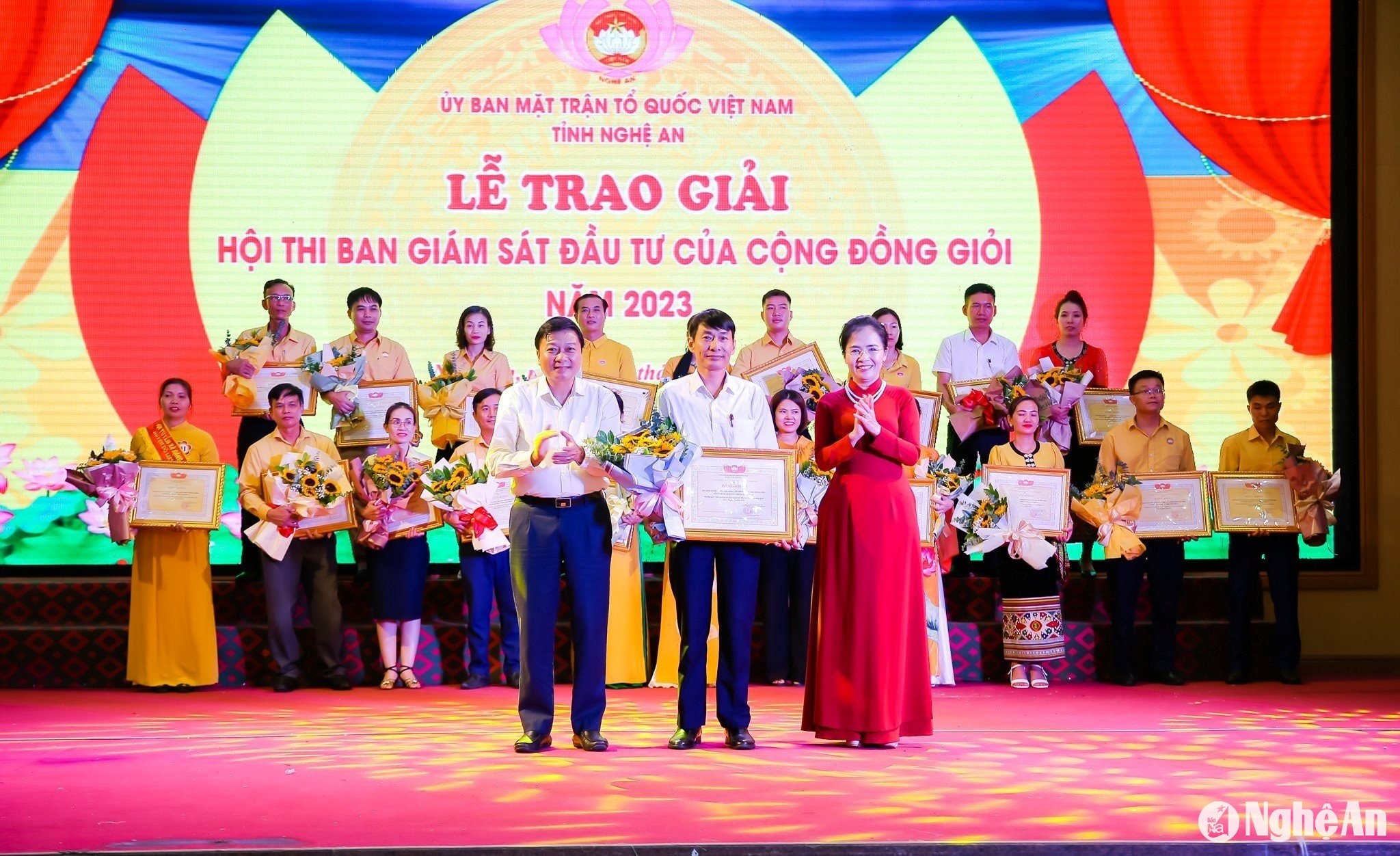
Imbued with Ho Chi Minh's ideology, the Resolution of the 13th National Congress of the Party sets out 12 orientations for national development in the period 2021-2030, including the important orientation: "Practice and widely promote socialist democracy, the people's right to self-governance and their role as the main actors; promote the strength of national unity."(12)Over the years, the Party and State of Vietnam have always focused on and created conditions to promote the position and role of press and media agencies on the ideological front, aiming to disseminate the Party's guidelines and policies, the State's laws and regulations, and reflect good examples and good deeds; at the same time, actively contributing to shaping public opinion and combating and refuting the distorted and provocative arguments of hostile forces.
Party committees, party organizations, and government agencies need to do a good job of receiving citizens and interacting with voters, gathering all legitimate concerns, aspirations, complaints, denunciations, and suggestions from the people to resolve and handle them promptly and in accordance with the law, especially those concerning combating waste and practicing thrift. Heads of departments and agencies at all levels must strictly implement the Central Committee's regulations on dialogue with citizens.
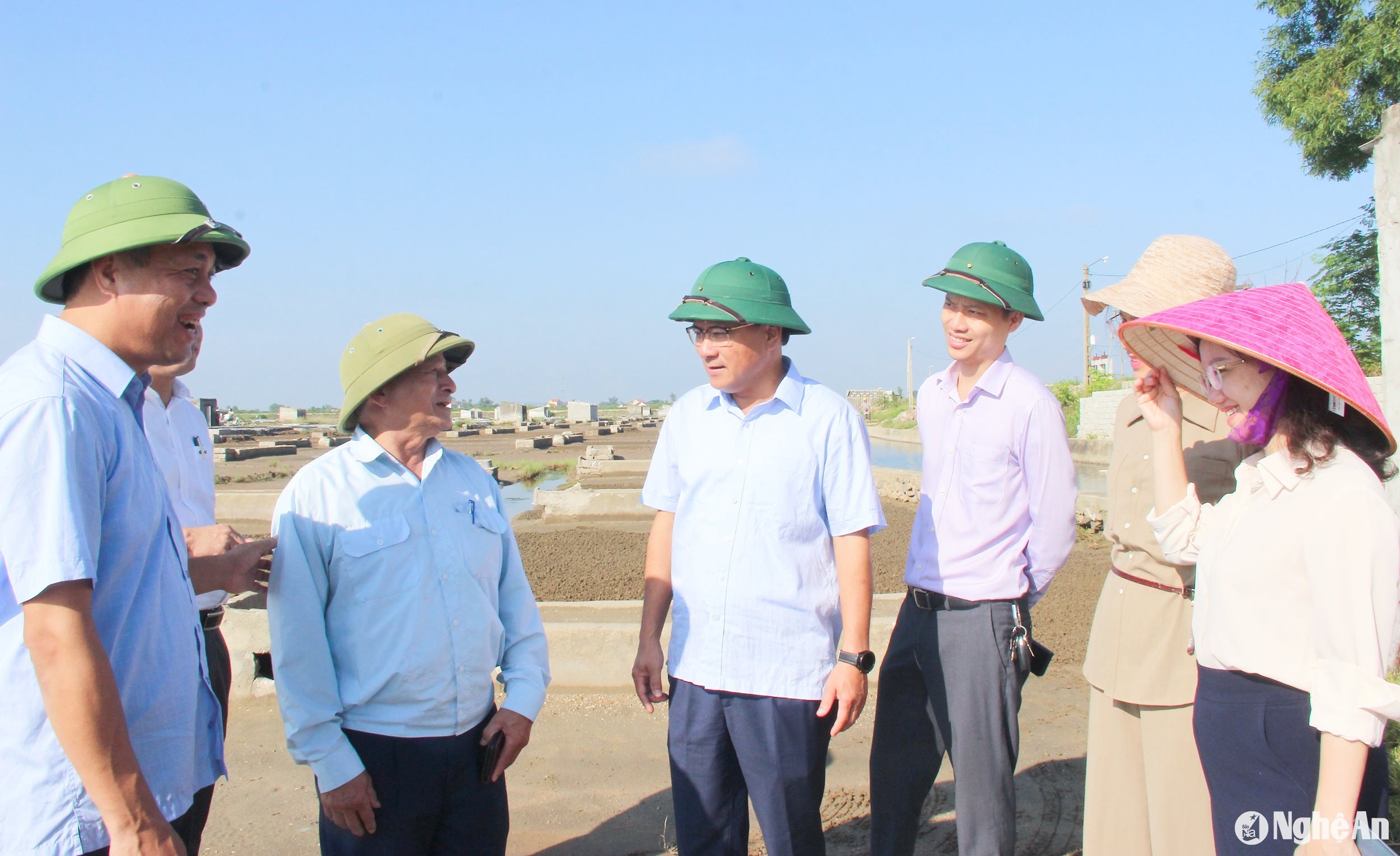
Fifth, strengthen inspection and supervision, and resolutely and strictly punish those who are wasteful and do not practice thrift.
Throughout his career leading the country, President Ho Chi Minh not only focused on educating cadres and Party members in revolutionary ethics, but also on building and implementing laws, especially on strictly dealing with acts of corruption and negativity.
Right from the founding of the new Vietnamese State, he clearly stated: "Serving the country now means sacrifice, struggle, forgetting personal gain and thinking of the common good. Those who want to become revolutionary officials should definitely not be elected."(13).
At the end of 1945, he signed a decree stipulating penalties for those giving and receiving bribes ranging from 2 to 20 years of hard labor and a fine double the amount of the bribe received. On January 26, 1946, he signed a decree making embezzlement and theft of public funds punishable by death. During the resistance against French colonialism, an official, while serving as Director of the Military Supply Department, abused his position and, along with several accomplices, embezzled soldiers' allowances to live lavishly and wastefully. The case was prosecuted, and the official was sentenced to death. According to him, punishing one person to save many; this shows that President Ho Chi Minh always upheld discipline and the rule of law.
The struggle against waste and the practice of thrift are becoming increasingly complex and challenging, no less so than the fight against corruption and bureaucracy. Waste of labor, time, talent, resources, and state funds, as well as the money of individual cadres, Party members, civil servants, and citizens, continues daily and hourly, with ever-increasing severity. Therefore, the Party and State need to strengthen leadership and guidance for functional agencies and the entire political system to regularly inspect, supervise, and promptly detect, rectify, and handle violators. Agencies such as inspection, auditing, the Vietnam Fatherland Front, and other socio-political organizations should actively participate in the fight to reduce waste and effectively implement the Party and State's policy of thrift.
Applying the ideology of President Ho Chi Minh, the Party's 13th National Congress documents set forth the orientation for national development in the period 2021-2030: “Strengthening openness, transparency, accountability, and power control while tightening discipline in the activities of the State and of cadres, civil servants, and public employees. Continuing to vigorously promote the fight against corruption, waste, bureaucracy, crime, and social evils.”(14)Organizing and implementing the Party's resolutions, and effectively putting them into practice as directed by the Politburo and the General Secretary, is a practical way to fulfill the aspirations of the great President Ho Chi Minh and the hopes of the entire Vietnamese nation.
(1)- Ho Chi Minh: Complete Works, National Political Publishing House, Hanoi, 2011, vol. 7, p. 357
(2) - Documents of the 13th National Congress of Delegates, National Political Publishing House, Hanoi, 2021, vol. 1, p. 25
(3)- Ho Chi Minh: Complete Works, op. cit., vol. 14, p. 469.
(4)- Documents of the 13th National Congress of Delegates, op. cit., vol. 1, p. 41.
(5) - Documents of the 13th National Congress of Delegates, op. cit., vol. 1, pp. 183-184
(6) - Documents of the 13th National Congress of Delegates, op. cit., vol. 1, p. 185
(7)- See: Resolution No. 18-NQ/TW, dated October 25, 2017, of the Sixth Conference of the Central Committee of the XII Party Congress, on “Some issues on continuing to innovate and reorganize the organizational structure of the political system to be streamlined, effective and efficient”; Resolution No. 26-NQ/TW, dated May 19, 2018, of the Seventh Conference of the Central Committee of the XII Party Congress, on “Focus on building a team of cadres at all levels, especially at the strategic level, with sufficient qualities, capabilities and prestige, commensurate with the tasks”.
(8) - Documents of the 13th National Congress of Delegates, op. cit., vol. 2, pp. 336 - 337
(9) - Documents of the 13th National Congress of Delegates, op. cit., vol. 1, pp. 176 - 177
(10)- Ho Chi Minh: Complete Works, op. cit., vol. 7, p. 362
(11) - Documents of the 13th National Congress of Delegates, op. cit., vol. 1, pp. 27-28
(12) - Documents of the 13th National Congress of Delegates, op. cit., vol. 2, p. 332
(13)- Ho Chi Minh: Complete Works, op. cit., vol. 4, p. 168
(14) - Documents of the 13th National Congress of Delegates, op. cit., vol. 2, p. 332