

The mountainous region of Nghe An province is controlling the African swine fever outbreak.
Compared to a month ago, African swine fever in the mountainous districts of Nghe An province is showing signs of subsiding. This is a positive sign, reassuring people to protect their herds and ensure a reliable food supply for the upcoming Tet holiday.
The epidemic is basically under control.
In September and October 2024, following heavy rains and floods, African swine fever re-emerged strongly in the province. However, from mid-November until now, the disease situation in the highland districts has shown signs of subsiding.
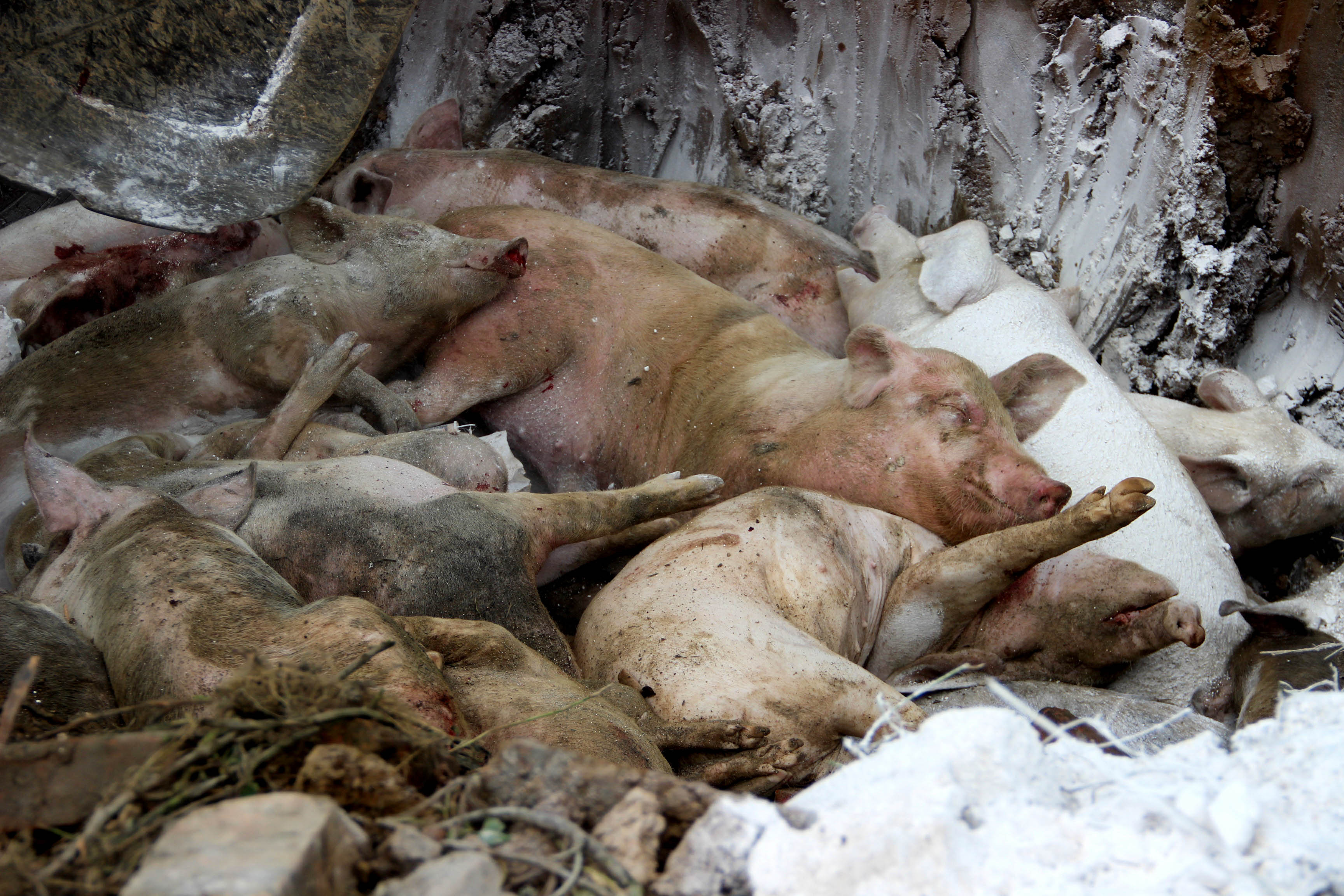
Tan Ky District has a large pig population of approximately 65,000, mainly raised by households, with 7 farms. The African swine fever outbreak in the district occurred in two phases: from January to June 2024, affecting 7 households in 4 communes, resulting in the culling of 140 pigs; and from September and October 2024, the outbreak continued in 47 households in 7 communes, with over 400 pigs culled, weighing over 24 tons.

In response to this complex situation, Tan Ky district has implemented a comprehensive set of measures to promptly contain and suppress the outbreak. The district issued Decision No. 3844 establishing three inspection teams to direct the work of preventing and controlling animal diseases in the district, focusing on containing and preventing the spread of African swine fever.
The task of the inspection teams is to check disease prevention and control work at the grassroots level, rectify shortcomings and deficiencies, and update and report the situation to the district leadership for timely solutions. In addition, Tan Ky district has also issued 45 directives on African swine fever prevention and control for the communes to implement.
In Ky Tan commune, according to our reporter's observations, after the outbreak, the commune established disease control checkpoints, organized disinfection of livestock pens, and properly disposed of infected pigs. As a result, since November 9th, there have been no more unusual pig deaths in the area.

Mr. Tran Hong Phuong, a veterinary officer in Ky Tan commune, Tan Ky district, said: "The entire commune currently has 1,200 pigs, raised by households. As soon as the outbreak occurred in Thanh Tan hamlet in early November, the local authorities immediately quarantined the area and strictly implemented prevention and control measures. The households were also conscientious in reporting to the authorities and carrying out disinfection and sterilization measures. Thanks to this, after two weeks, the outbreak has only occurred in 3 households in Thanh Tan hamlet, with no signs of spreading to other hamlets. The risk area has also been narrowed."
Tan Ky district also supplied 900 liters of chemicals, distributing them to 22 communes and towns to proactively prevent and control the epidemic, prioritizing localities where outbreaks have occurred, such as Dong Van, Tien Ky, Tan An, and neighboring communes. Thanks to the application of comprehensive and decisive measures, the epidemic is now basically under control in the area.
Anh Son District was once the most severely affected area in Nghe An Province due to African swine fever outbreaks, particularly during September and October 2024. According to statistics, from the beginning of 2024 to the present, 13 communes in the district have experienced outbreaks, affecting 710 households. A total of 3,588 pigs have been culled, weighing over 200 tons. This represents a significant loss for both the people and the livestock industry in the area.

Given the complex developments of the epidemic, Anh Son district has implemented the highest level of prevention and control measures. The locality has issued 34 leadership and guidance documents related to the prevention and control of African swine fever; and has strengthened the district-level Steering Committee for the prevention and control of African swine fever.
In addition, the district directed a review and statistical survey of the total pig population in each village, hamlet, and residential area to develop plans and scenarios for prevention and control, ensuring a proactive approach. The district implemented a comprehensive set of disease prevention and control measures, including: disease surveillance, public awareness campaigns, disinfection, control of the transportation and trade of pigs and pig products; and guidance on the proper disposal of all sick and dead pigs testing positive for African swine fever, preventing the spread of the disease.
In particular, the district has established 43 checkpoints to control the movement and trade of animals and animal products in and out of the affected areas, operating day and night. Task forces are stationed in the area, updating information and monitoring the disease's progress daily to implement timely solutions.

Thanks to comprehensive and decisive measures, from mid-November until now, only one commune in the entire district still has dead pigs requiring disposal: Vinh Son commune. Three communes have declared the epidemic over: Binh Son, Hoi Son, and Linh Son. In addition, nine other communes no longer have dead pigs requiring disposal, but less than 21 days have passed, making it impossible to declare the epidemic over yet. These communes are: Phuc Son, Khai Son, Cao Son, Tao Son, Cam Son, Duc Son, Long Son, Thach Son, and Lang Son. This is a very commendable result in one of the most complex epidemic-affected areas in the province.
Not only in Tan Ky and Anh Son districts, but in fact, from mid-November until now, African swine fever in the province has shown signs of subsiding. Districts such as Que Phong, Quy Hop, and Tuong Duong each have only 4 outbreaks that have not yet passed the 21-day quarantine period. Con Cuong has 2 outbreaks; Ky Son has 1 outbreak; and districts such as Nghia Dan and Quy Chau have been declared free of African swine fever.
Don't be complacent or negligent.
African swine fever has been spreading rapidly in Nghe An province since the beginning of 2024, particularly during the peak period following the floods in late September 2024. According to statistics from the Provincial Department of Animal Husbandry and Veterinary Medicine, since the beginning of the year, the province has recorded over 250 outbreaks of African swine fever, resulting in the culling of more than 10,000 pigs. The outbreaks mainly occurred in mountainous districts where farming practices remain inadequate and do not ensure disease safety.

Although the outbreak has been largely brought under control since mid-November, the Provincial Department of Animal Husbandry and Veterinary Medicine advises that localities and relevant agencies should not be complacent about the disease, as the risk of a resurgence remains.
Mr. Tran Vo Ba, Deputy Head of the Provincial Department of Livestock and Veterinary Medicine, stated: Currently, the weather is unpredictable, with humid conditions creating favorable conditions for disease development and spread. Pork prices are high, and the demand for pork during Tet (Lunar New Year) is particularly high, leading small-scale farmers to restock their herds. Furthermore, the management of slaughtering, buying, selling, and collecting pigs and pork products still has many shortcomings and is difficult to manage, so the risk of African swine fever re-emerging and prolonging in the coming period is very high. Therefore, localities must not be complacent or negligent regarding the disease and must maintain the highest level of prevention and control measures.

On November 15, 2024, the People's Committee of Nghe An province issued Directive No. 45 on the focused and comprehensive implementation of measures to prevent and control African swine fever. Accordingly, the Chairman of the Provincial People's Committee requested the Chairmen of the People's Committees of districts, cities, and towns, the directors of departments, the heads of provincial agencies, and relevant units to direct localities to proactively closely monitor the disease situation; detect early, warn, and direct the thorough handling of outbreaks, preventing the emergence of new outbreaks; dispose of sick, suspected sick, and dead pigs in accordance with regulations and guidelines on the prevention and control of African swine fever; promptly detect, prevent, and resolutely handle cases of buying, selling, and transporting sick pigs, and discarding dead pig carcasses that spread the disease and pollute the environment…