

Warning about the potential threat from power banks.
Given the increasing number of fires and explosions, we cannot ignore the potential threat posed by lithium-ion batteries. The widespread use of this type of battery in everyday devices has created serious safety challenges for consumers.
The number of fires and explosions related to battery chargers is increasing and becoming more frequent. Large-scale product recalls from reputable brands such as Audio-Technica (Japan), Belkin (USA), and Anker (China) have exposed serious safety flaws in lithium-ion batteries.
Improper charging practices, manufacturing defects, and the use of low-quality equipment are considered the main causes of fires and explosions, resulting in property damage and posing a direct threat to human lives.
Anker, a manufacturer from China, has long been known as a leading brand in the field of audio and charging accessories, particularly favored for its high-quality power banks at reasonable prices.
However, the series of product recalls this year, the third in just six months, due to overheating issues with lithium-ion batteries, has raised serious questions about the brand's reliability.
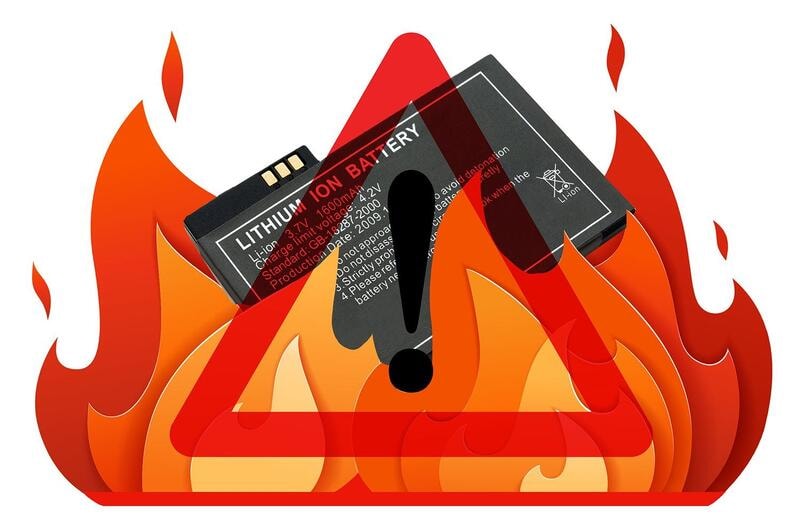
The repeated occurrence of similar incidents not only severely damages Anker's reputation but also raises consumer concerns about the quality and safety of the products they are using.
In an alarming development, Anker has just issued an urgent recall of 80,000 of its speakers due to a serious fire hazard. The 33 reported incidents involving the product, ranging from smoke and small fires to minor burns, highlight the potential risks these devices pose.
In light of this situation, the U.S. Consumer Product Safety Commission has issued an urgent warning, urging users to immediately stop using the affected products and unplug them for safety.
Which Anker products were recalled in 2024?
Anker has identified the speaker models posing a fire hazard as the Soundcore (A3102) and Bluetooth PowerConf (A3302), which were sold exclusively on the Amazon e-commerce platform in 2023. According to the U.S. Consumer Product Safety Commission, both Anker and Amazon have proactively contacted customers who own the defective products to arrange for recalls and exchanges.
This year has been a turbulent one for Anker, as it has repeatedly faced incidents related to overheating lithium-ion batteries. First, there was the recall of over 321,000 products, including the AnkerWork PowerConf S3 (A3302) and Soundcore (A3102) Bluetooth speakers, following numerous reports of fire hazards due to overheating batteries.
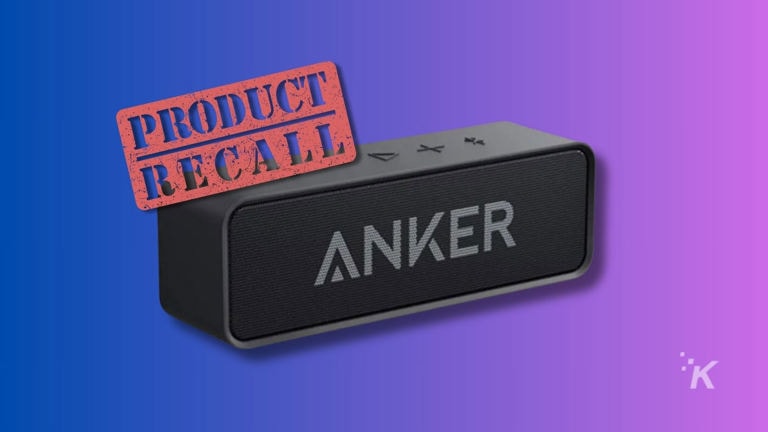
This not only causes anxiety for users but also raises serious questions about the quality and safety of the technology products we use every day.
To ensure absolute consumer safety, Anker expanded its product recall in September to include the 334 MagGo (PowerCore 10K) battery pack, 20,000 mAh power bank, and MagGo (10,000 mAh) power bank. This decision demonstrates Anker's increasingly stringent quality control and product safety measures.
How can I check if my Anker device is affected?
You can easily determine if your Anker device is subject to a recall by visiting the recall program website and entering the serial number of your A3102 speaker, 321 power bank, or Anker MagGo power bank.
While awaiting replacements, the company has advised users of the recalled speakers to stop using them immediately and not to charge them using any external power source or charger.
However, the problem Anker is facing is only a small part of the bigger picture regarding the potential risks of lithium-ion batteries. Recently, an increasing number of devices, from Audio-Technica earbuds to popular power banks like the Belkins BoostCharge Pro, have been reported to have overheating issues related to battery problems. This demonstrates that the safety of lithium-ion batteries is becoming a global concern.
Cheap tech devices pose a risk of lithium-ion battery fires and explosions.
During the shopping season, when demand for inexpensive tech gadgets increases, the risk of fire and explosion due to lithium-ion batteries also increases significantly. From compact devices like mobile phones and tablets to personal transportation vehicles such as electric bicycles and scooters, and even consumer products like e-cigarettes, all pose a potential risk of fire and explosion due to faulty batteries. This is a truly alarming issue that needs serious attention.
According to the latest report from the multinational corporate insurance company QBE (Australia), the number of fires related to lithium-ion batteries in the UK has skyrocketed, by as much as 46%. Heartbreaking images of fires caused by electric bicycles, claiming homes and even lives, are becoming a terrifying reality.
To address the root causes of lithium-ion battery-related house fires, we need stronger regulations. In the UK, the Lithium-ion Battery Safety Bill has set out a clear roadmap to ensure people's safety by tightly controlling the production, storage, and use of lithium-ion batteries.
How to protect your home from fires caused by lithium-ion battery explosions.
Anker's three major recalls not only raised concerns about the safety of its line of speakers and power banks, but also reflected a deeper issue: the increasingly heated debate about the safety of lithium-ion batteries, which extends far beyond the purview of any single brand.
We, as consumers, need to be more mindful of our daily battery usage and charging habits. Do you often overlook charging your electronic devices overnight or ignore safety warnings when using lithium-ion batteries?
These seemingly simple actions can actually pose serious fire and explosion risks. For example, did you know that trying to extinguish a lithium battery fire with water can make the situation worse?
To avoid unfortunate consequences, we need to pay special attention to unusual signs in the battery. If your battery suddenly overheats, swells, leaks fluid, emits a strange odor, fails to charge, or smokes, stop using it immediately. These could be warning signs of danger and a potential risk of fire or explosion.
To ensure safety when using electronic devices, we should prioritize purchasing products from reputable brands and reliable retailers. Simultaneously, equipping ourselves and those around us, especially children, with knowledge about battery safety is also extremely important. Let's all develop the habit of checking and using batteries safely.
Seemingly small actions like using the correct charger, storing devices in a dry place, and unplugging them when fully charged can become a strong barrier, preventing unfortunate fires and explosions caused by lithium-ion batteries.