

Does turmeric harm the kidneys?
Turmeric contains curcumin, a powerful antioxidant with anti-inflammatory properties. However, one of the risks is that excessive doses can harm the kidneys. So, how much turmeric is safe to consume?
According toeMedicinehealthTurmeric has long been used in traditional Eastern medicine for its health benefits. Curcumin, the main bioactive component in turmeric, is a powerful antioxidant with anti-inflammatory properties.
However, turmeric and curcumin in general are safe to consume; however, even beneficial substances can be dangerous in excess. One risk is that high doses can harm your kidneys. This is because too much curcumin can significantly increase oxalate levels in the urine, increasing the risk of kidney stone formation.
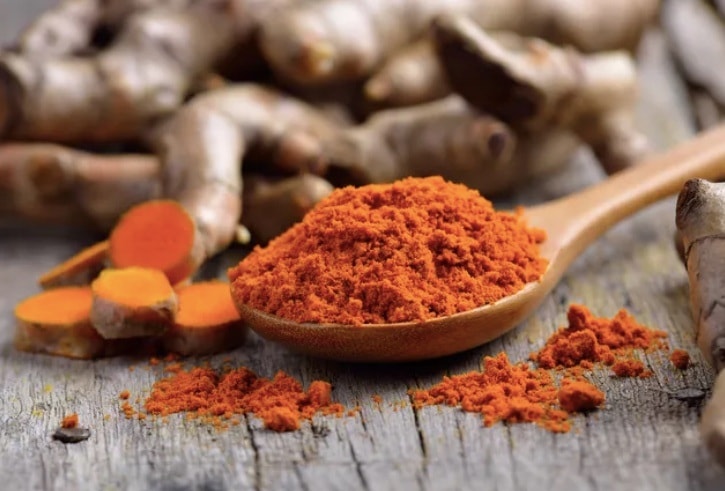
In general, turmeric is safe to consume in moderation (Photo: Gettyimages).
What are the adverse effects of turmeric?
There are other potential risks associated with taking too much curcumin. For example, mild side effects include stomach upset, acid reflux, diarrhea, dizziness, and headaches.
Because turmeric has blood-thinning properties, you should avoid using it if you have a bleeding disorder.
Turmeric can negatively interact with medications including blood thinners, antidepressants, antibiotics, antihistamines, heart medications, and chemotherapy treatments. It can also interfere with diabetes medications and lead to dangerously low blood sugar levels.
Turmeric can worsen stomach problems, such as acid reflux and gallstones.
Because turmeric inhibits iron absorption, you should avoid it if you are taking iron supplements.
Pregnant or breastfeeding women can eat foods containing turmeric as a spice, but should avoid turmeric supplements. These supplements can stimulate uterine contractions and cause complications.
Depending on your overall health and whether you have conditions such as digestive disorders or kidney stones, you should talk to your doctor before adding turmeric to your diet.
Similarly, according to Livestrong, turmeric is generally safe for healthy individuals when used in small doses. However, it may cause adverse reactions in some people.
The U.S. National Center for Complementary and Integrative Medicine warns against using turmeric in high doses or for extended periods because it can cause digestive problems. Constipation, diarrhea, nausea, vomiting, acid reflux, and abdominal pain are common side effects.
This spice can also interact with certain medications, such as anticancer drugs and immunosuppressants.
A report published in Nefrologia in the November-December 2018 issue indicated that turmeric may be unsafe for dialysis patients when used in large quantities.
A 63-year-old woman undergoing dialysis developed a hematoma and spontaneous bleeding after consuming 3 to 5 grams of turmeric powder over several days. Researchers noted that this spice may have anticoagulant effects and increase the risk of bleeding.
In addition to these potential side effects, turmeric may contribute to acute toxic hepatitis, contact urticaria, and atopic dermatitis. Furthermore, the Memorial Sloan Kettering Cancer Center warns that it may not be safe for people with digestive disorders or at risk of kidney stones.
How much turmeric is safe to consume?
Studies show that the health benefits of turmeric extract are primarily due to curcumin when consumed in doses exceeding 1 gram per day. Because it is difficult to consume such large amounts naturally through a regular diet, turmeric is often used in the form of dietary supplements, which contain much higher levels of curcumin.
Generally, the acceptable daily intake of curcumin is about 1.4 milligrams per 0.5 kg of body weight, with a maximum of 12 grams. Anything more than that may cause an adverse reaction.
The potential health benefits of turmeric
Numerous preclinical trials have shown promising effects of curcumin in treating heart disease, arthritis, Alzheimer's disease, digestive disorders, and metabolic syndrome.
When consumed in moderation, turmeric can offer significant health benefits:
ButAnti-inflammatory properties
Curcumin has potent anti-inflammatory properties and can be as effective as anti-inflammatory drugs but without the side effects. It can help reduce chronic inflammation in joints and wounds, decreasing swelling, pain, and discomfort. Because inflammation is often the root cause of several chronic diseases, turmeric can be used to treat conditions such as rheumatoid arthritis, inflammatory bowel disease, and pancreatitis.
ButPain relief
Curcumin may reduce pain associated with rheumatoid arthritis, as well as gastrointestinal pain related to inflammatory bowel disease.
ButAntioxidant properties
Turmeric has powerful antioxidant properties and protects the body from free radicals that damage healthy cells. It can fight aging and boost metabolism, as well as reduce the risk of heart disease, cancer, cataracts, glaucoma, and macular degeneration (age-related eye changes).
ButBoost immunity
Turmeric's natural antiseptic, antibacterial, antiviral, and antifungal properties help stimulate the immune system and protect the body from infection.
ButReduce the risk of cancer.
Research has shown that turmeric can kill cancer cells, hindering cancer growth, development, and spread at the molecular level. Turmeric, in particular, may play a significant role in the treatment and prevention of digestive system cancers, such as colorectal cancer. It may also help counteract the effects of carcinogenic additives in processed foods.
ButReduce the risk of heart disease.
The antioxidant and anti-inflammatory properties of curcumin may help prevent heart disease and cardiovascular complications. Curcumin also reduces low-density lipoprotein (LDL), or bad cholesterol, preventing atherosclerosis.
ButPreventing diabetes
Curcumin slows the onset of type 2 diabetes. Taking turmeric supplements along with metformin may help people with type 2 diabetes stabilize their blood sugar levels.
ButPreventing Alzheimer's disease
Curcumin helps clear the buildup of protein tangles in the brain called amyloid plaques, which are linked to Alzheimer's disease.
ButReduce depression
Curcumin increases levels of neurotrophic factors in the brain, as well as neurotransmitters serotonin and dopamine, all of which may help people with symptoms of depression.
ButSupports digestion
Turmeric stimulates the gallbladder to produce bile, helping the digestive system function more efficiently. Turmeric also supports enzymatic reactions, acid production, and the timely absorption of nutrients in the intestines, and may reduce bloating.
ButLiver detoxification
Turmeric can increase the production of important enzymes that help break down and eliminate toxins in the liver. Turmeric also promotes good liver health by improving blood circulation.
ButImprove bone health
Curcumin supplementation may help improve joint function, prevent bone loss, and preserve bone tissue.
ButPromote healthy skin
Due to its anti-inflammatory, antibacterial, and antioxidant properties, turmeric can help prevent acne, lighten dark circles, reduce scarring, and more.
Turmeric is not easily absorbed by the body when consumed alone. Therefore, to achieve maximum health benefits, turmeric should be consumed with black pepper, as black pepper contains a compound called piperine that enhances the body's absorption of turmeric. Cooking turmeric with oil also helps the body absorb more curcumin.