

How to recognize if your car is having problems due to excessive engine oil consumption.
Engine oil loss during operation can have serious consequences for a vehicle's engine. Therefore, users need to be aware of the signs and symptoms of engine oil loss.
Here are some ways for users to recognize signs of engine damage due to low engine oil consumption and steps to prevent this problem.
Immediate symptoms of an engine running low on oil.
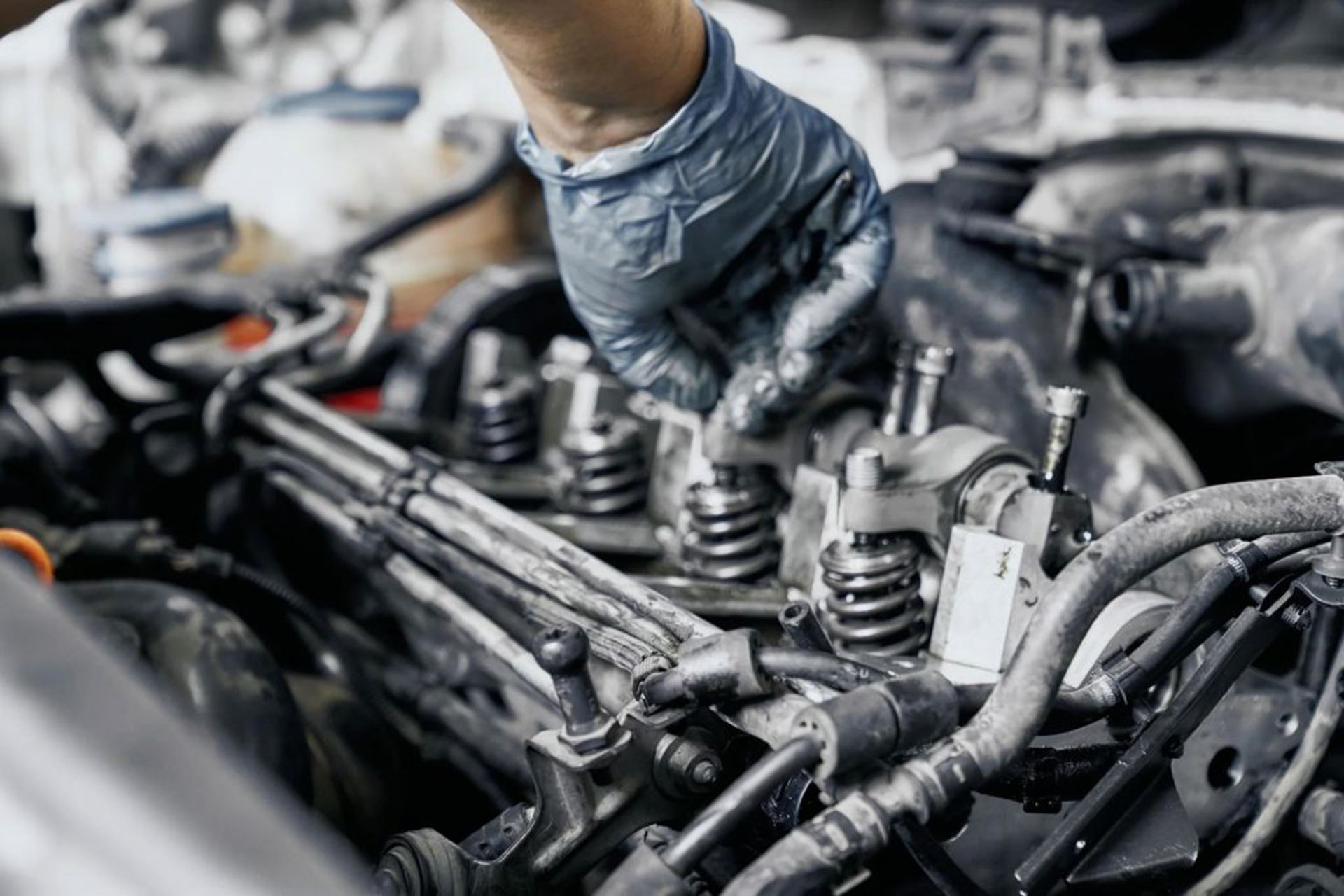
One of the most worrying signs of engine damage due to a low engine oil level is a loud knocking or rattling sound coming from the engine compartment. Another sign that the engine is burning oil is more smoke than usual, especially blue smoke coming from the exhaust. This smoke is usually the result of engine oil burning, which is then expelled through the exhaust system.
Furthermore, low engine oil levels can significantly reduce engine power and efficiency. The engine may struggle to accelerate, lack power, or experience misfiring. This is because the engine cannot operate optimally without sufficient lubrication.
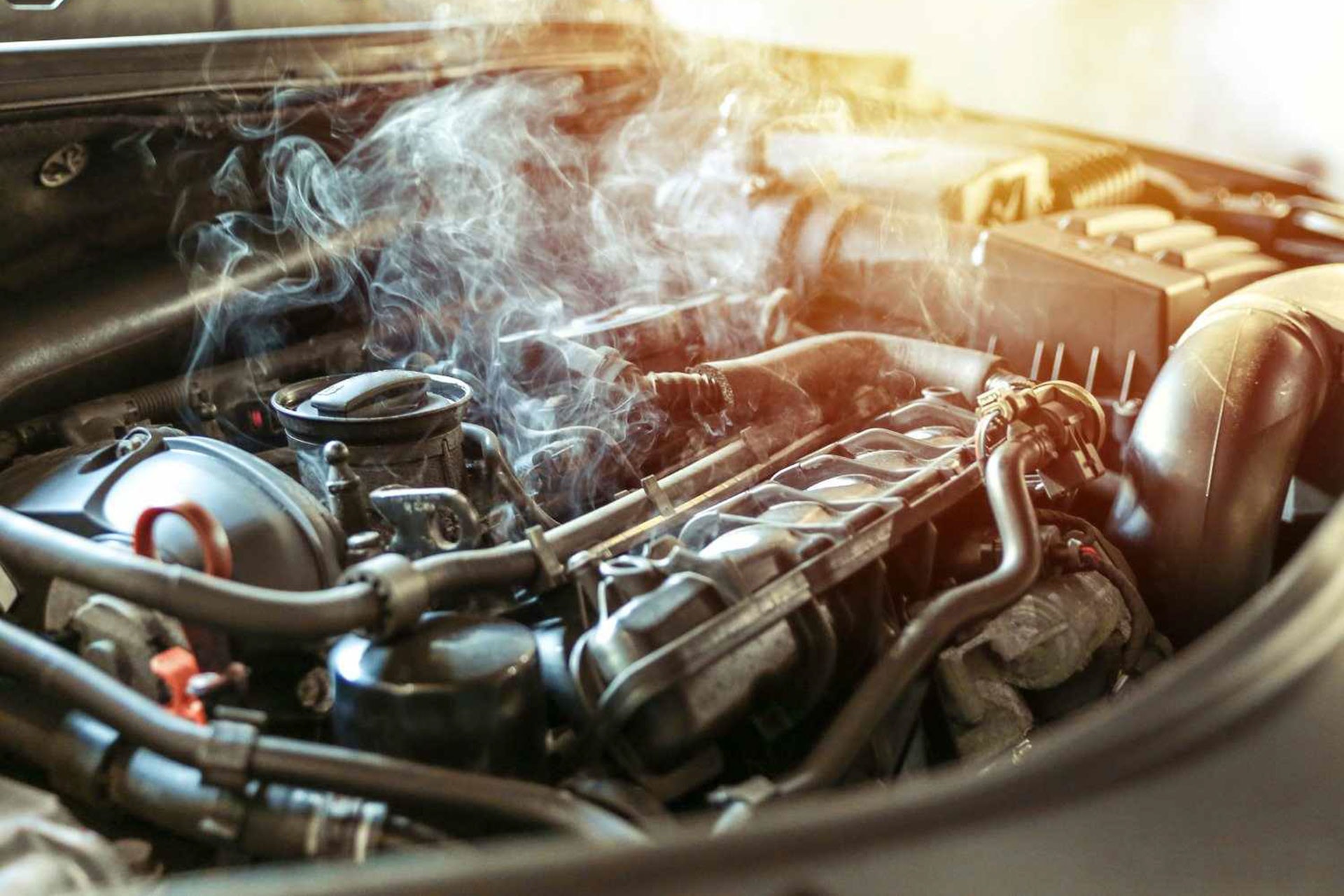
Overheating is another serious symptom. When the engine isn't properly lubricated, it can overheat, causing significant damage to internal components and resulting in a high temperature reading on the dashboard. Unusual smells, such as the smell of burning oil, or metallic grinding noises indicating excessive friction can also be signs of engine problems.
Visual inspection
To determine if your engine is losing lubricating oil, one of the first things to do is check for signs of oil leaks. Look for black stains or puddles on the ground, especially around the engine, oil sump, and transmission.
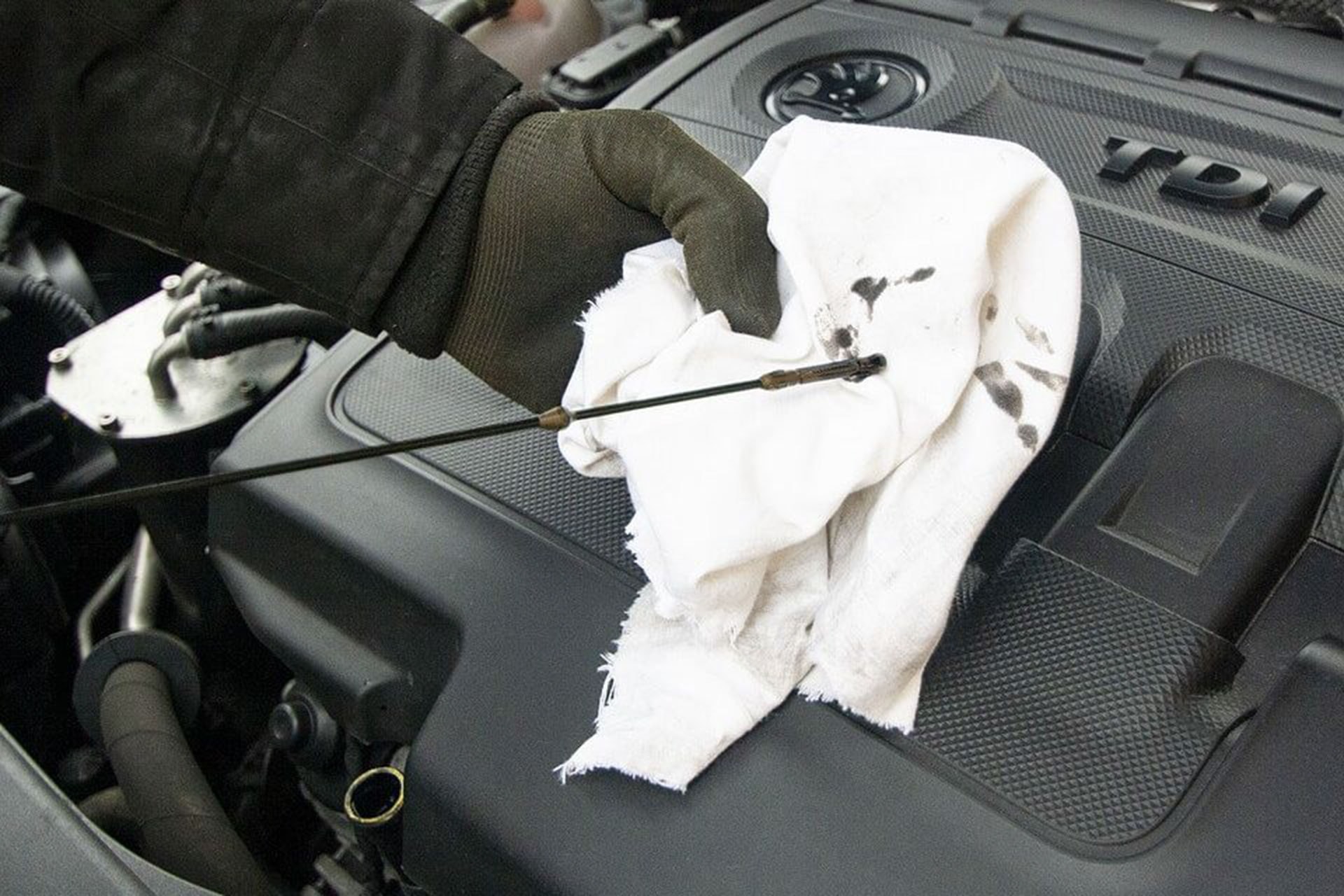
Another important warning sign is the presence of metal shavings in the oil dipstick. This indicates significant wear and tear inside the engine. Additionally, a visual inspection of the engine can reveal cracks or warping in the engine block, as these are signs of serious engine damage requiring major repairs or even replacement.
Using machines for diagnosis
Diagnosing engine problems due to low oil levels requires specialized tools and procedures. Professional mechanics typically use compression tests to assess the condition of the engine's cylinders, determining whether the valves, piston rings, and pistons are properly sealing the combustion chamber. Low compression, in most cases, can stem from leaking valves.
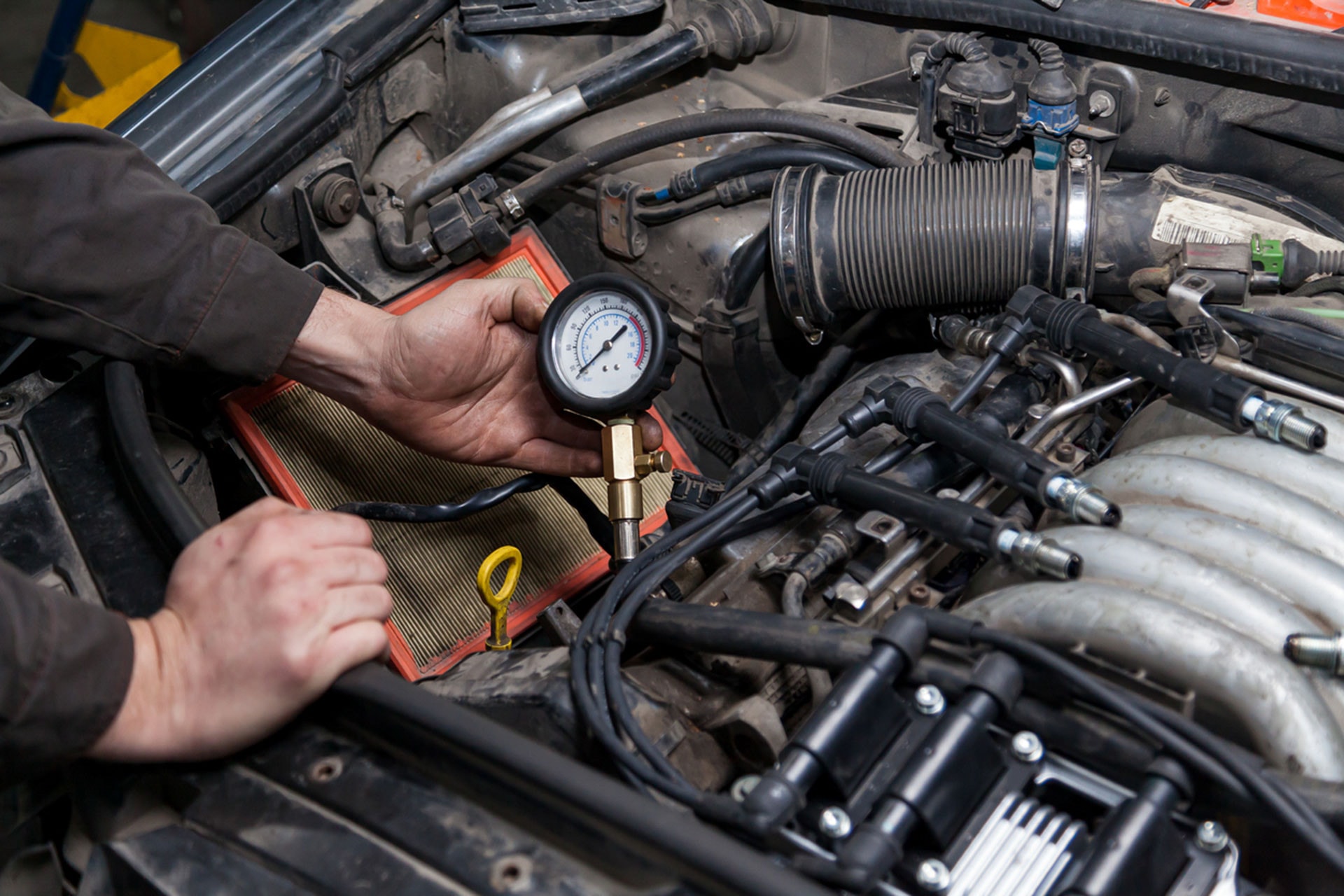
Oil analysis can also provide valuable insights into the condition of the engine. By testing engine oil for contaminants, metal particles, or signs of excessive wear, a mechanic can identify potential problems and assess the severity of the damage.
Camera endoscopy can be used to visually inspect the internal components of an engine. This allows mechanics to identify specific areas of damage, such as scratched cylinder walls or worn bearings.
How can I prevent engine damage caused by low lubrication oil levels?
- Change the oil regularly:Regular oil changes are crucial for ensuring engine performance and longevity. Following the manufacturer's recommended oil change intervals helps keep the engine lubricated and prevents excessive wear.
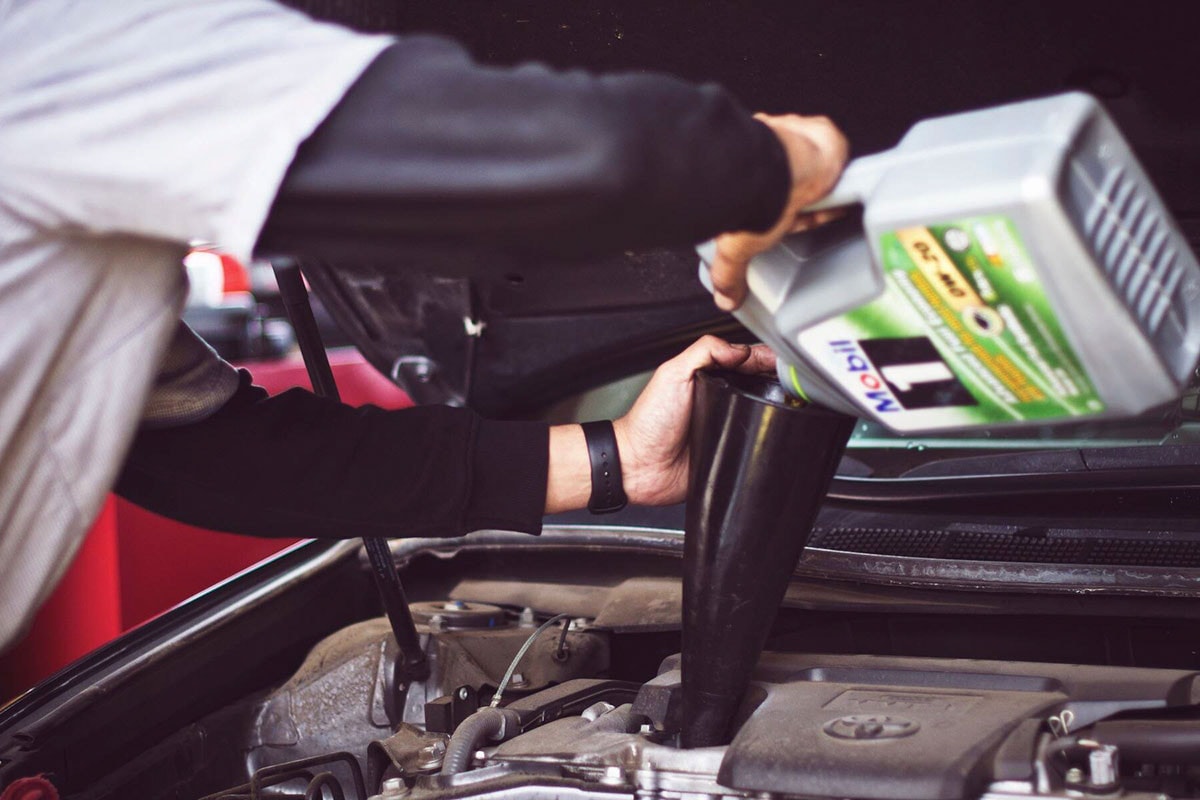
- Monitor oil levels:Regularly checking the engine oil level is essential to prevent engine damage due to low oil. Use the dipstick to measure the oil level, ensuring it is between the “Full” and “Add” marks.
- Address oil leaks promptly:Checking for engine leaks is another crucial step in preventing engine damage. If users notice any leaks, they should address them immediately to avoid further oil loss and the risk of engine damage.