

If one tire is flat, do I need to replace both tires?
When a car tire fails, many car owners, wanting to save money, only want to replace that single tire, but experts recommend replacing them in pairs.
Over time, car tires wear down and need replacing to ensure safety. However, car tires are not cheap. This is a significant expense that users often consider carefully before buying.
When one car tire is damaged, many garages advise owners to replace both tires. This leaves many people wondering, as some only want to replace the damaged tire to save money.
However, according to technical experts, basically, if the tires are still new (less than 1 year and 10,000 km driven) on flat roads, you may only need to replace one tire because the usage time is short and the tires are not yet significantly worn.
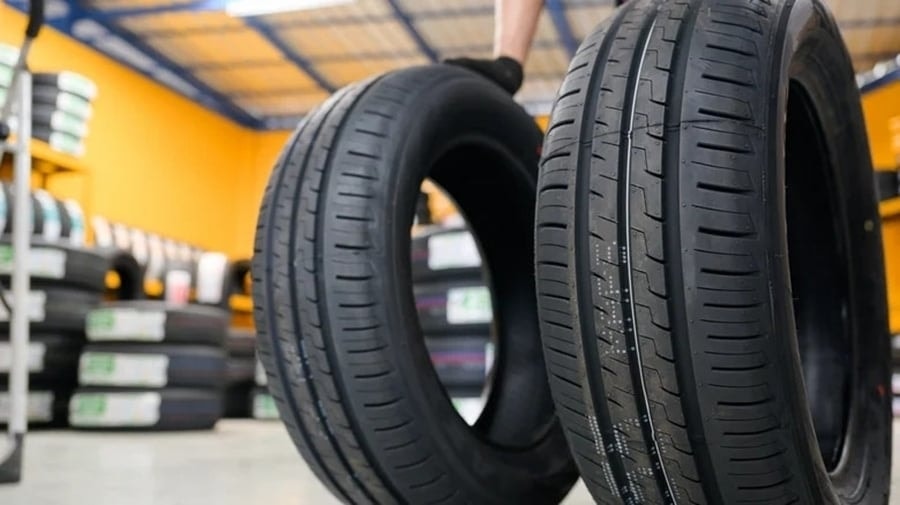
However, if the tires have been driven for over a year and more than 10,000 km, it's advisable to replace both tires. Replacing one tire with a new one while keeping the other old can negatively impact the suspension, gearbox, gear ratios, and tire wear. Furthermore, replacing only one side will cause the old tire to wear out faster, creating an imbalance and reducing tire lifespan.
In particular, unevenly worn tires reduce safety, potentially causing loss of control and increasing the risk of accidents. Replacing tires in pairs is a safe way to maintain balance and ensure stable vehicle handling.
Things to note before changing a tire.
To ensure safety, users should replace tires according to the manufacturer's recommendations, usually after about 5-6 years or more than 50,000 km.
Tires should be checked regularly. If you notice signs such as tears, punctures from nails, worn treads, or dents, you should take your car to a service center for replacement.
Before replacing tires, make sure you choose the right type of tire for your vehicle and the terrain you frequently travel on.
Additionally, pay attention to the manufacturing date printed on the tire surface. Avoid using tires that were manufactured too long ago; it's best to choose tires that were manufactured within the last year.