
10 groundbreaking inventions that changed the world.
Human history has always been intertwined with groundbreaking inventions. So, which inventions have truly changed the world and shaped our lives as we know them today?
Curiosity and creativity are two core qualities that have propelled humankind to the heights of science and technology. From the moment our ancestors first broke a rock to create a sharp tool, the journey of relentless innovation began.
From inventions like the printing press and the telephone to the smartphone, each step has marked a revolution. Some inventions emerge from a moment of brilliant inspiration, but most great breakthroughs are the result of creative minds and persistent innovation over many years.
In this article, we will explore 10 important inventions, delve into the science behind them, and hear the inspiring stories behind these groundbreaking innovations that have changed the world.
1. Global Positioning System (GPS)
In the past, global navigation was a daunting challenge. Humans relied on compasses, maps, nautical chronometers, and even the stars to explore and determine their location in almost every part of the Earth.
However, these traditional tools prove ineffective when it comes to guiding an aircraft across the vast sky or determining precise positioning in unexplored terrain.
The advent of GPS ushered in a new era for positioning and navigation. This network of satellites continuously transmits signals, allowing anyone on Earth, with just a simple GPS receiver, to accurately determine their location.
GPS has revolutionized the transportation industry and become the foundation for popular navigation apps like Google Maps, making travel smarter and more convenient than ever before.
Currently, there are 31 active GPS satellites in Earth orbit, far exceeding the original 24 satellites launched by the US Department of Defense (DOD) between 1978 and 1993. In addition, there are 42 defunct satellites still floating in space.
The GPS system works in parallel with three other major satellite navigation systems: Russia's GLONASS, China's BeiDou, and the European Union's Galileo, creating a robust and reliable global positioning network.
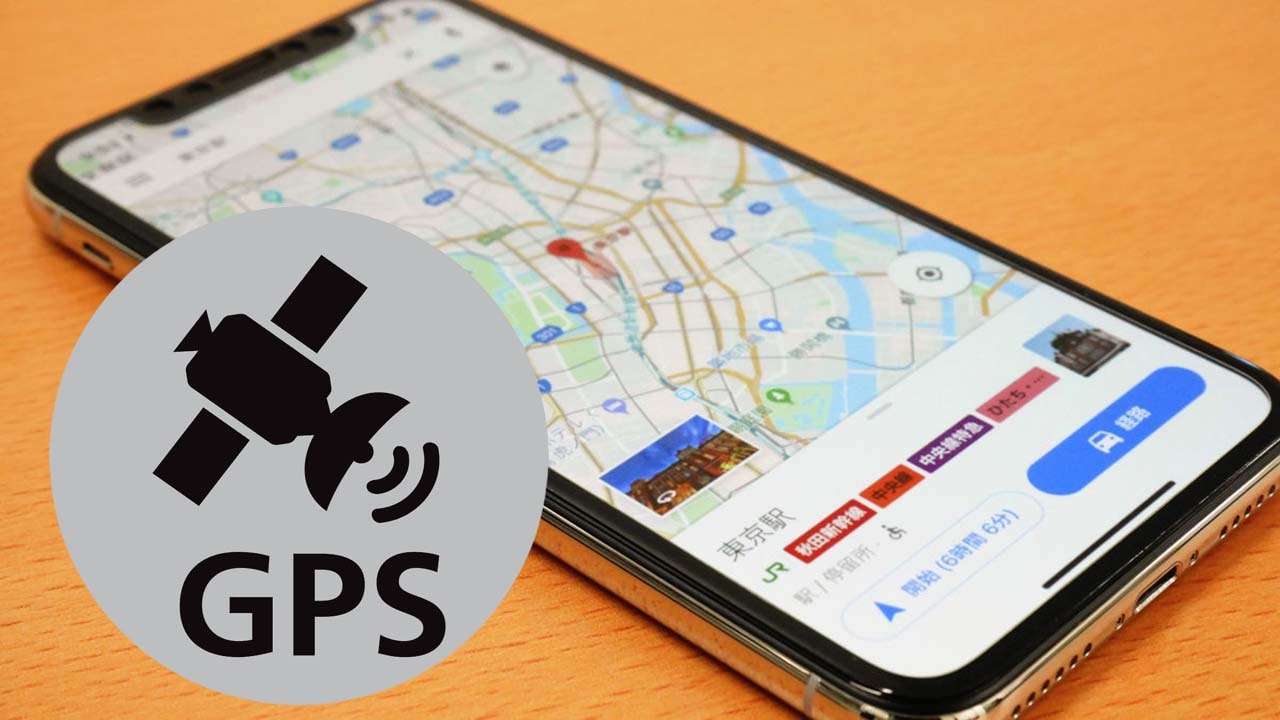
GPS plays a crucial role in daily life. For example, rescue workers rely on GPS to search for and rescue people in distress in the wilderness, police use this technology to track and apprehend criminals, and lost individuals use GPS to find their way home.
From emergencies to everyday activities, GPS has become a silent but incredibly reliable navigational aid.
One key factor contributing to the rapid spread of GPS was that the system was provided completely free of charge by the U.S. government. This landmark decision came after a tragedy in 1983, when a South Korean passenger plane was shot down for inadvertently violating Soviet airspace.
To prevent similar incidents from recurring, then-US President Ronald Reagan announced the expansion of GPS access to the public, transforming this advanced military technology into a global navigation tool serving the interests of all humanity.
2. Telephone
Many inventors pioneered the transmission of voice through electronic devices, and not a few of them later filed intellectual property lawsuits as telephones became widespread.
However, Scottish inventor Alexander Graham Bell was the first to be granted a patent for the electric telephone on March 7, 1876. Three days later, Bell made the historic first call to his assistant, Thomas Watson, with the famous words: "Mr. Watson, come here. I want to see you."
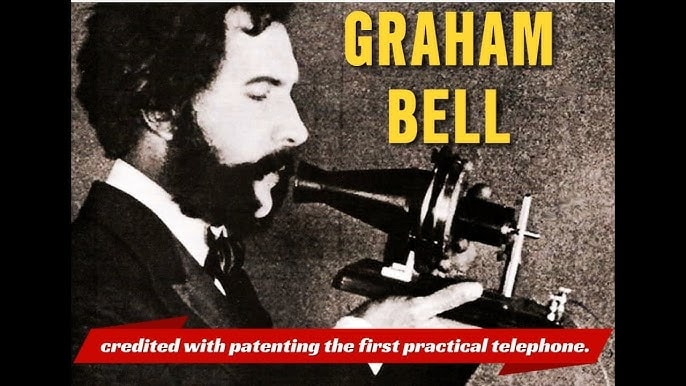
Alexander Graham Bell's inspiration for inventing the telephone came largely from his family. His father was an orator and a communication instructor for the deaf, while his mother, a talented musician, lost her hearing in old age.
Meanwhile, his wife, Mabel, whom he married in 1877, had also been deaf since the age of five. It was these experiences and family influences that spurred Bell to pursue research in sound and communication.
His invention was quickly embraced, revolutionizing business and global communications. When Bell died on August 2, 1922, all telephone services in the United States and Canada were shut down for a minute in his memory, a tribute to the great legacy he left behind.
3. Smartphone
While the telephone was already a groundbreaking invention, the advent of smartphones in recent decades has ushered in a revolution in personal mobile computing. More than just a communication tool, the smartphone has become a multi-functional device, connecting people to the world through the internet, apps, and countless other conveniences.
The line between mobile phones and smartphones is difficult to define clearly. One of the first devices worthy of the title "smartphone" was the IBM Simon, launched in 1994. This was the first multi-functional phone capable of sending email and incorporating a personal organizer.
However, this device was not very popular. Other significant milestones included the arrival of BlackBerry in 2000, ushering in the era of mobile web browsing and email anytime, anywhere.
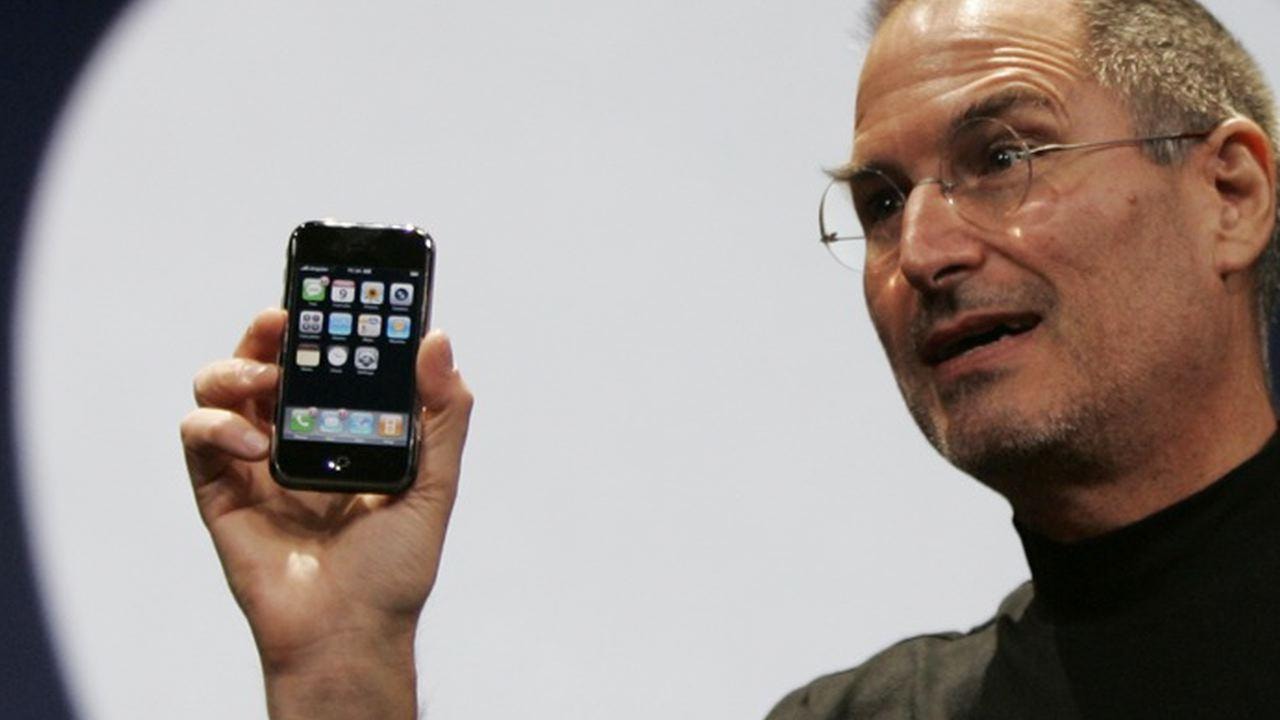
And of course, we can't forget the iPhone, released in 2007, the phone that reshaped the world with its intuitive touchscreen, a design that has become the standard for all smartphones today.
Smartphones have become the launching pad for the explosion of social media and instant messaging apps, integrating many advanced technologies into a compact device that fits in the palm of your hand.
For most people, a smartphone is more than just a phone; it's also a laptop, a high-quality camera, and a task organizer. However, the device's power doesn't stop there; it also functions as a smart sensor, GPS navigation device, recording microphone, digital wallet, and many other useful tools.
4. Printer
Around the 1440s–1450s, the German inventor Johannes Gutenberg revolutionized the world with his invention of the printing press. The core element of this technology was hand-molding, a novel technique that allowed for the rapid and mass production of movable metal type.
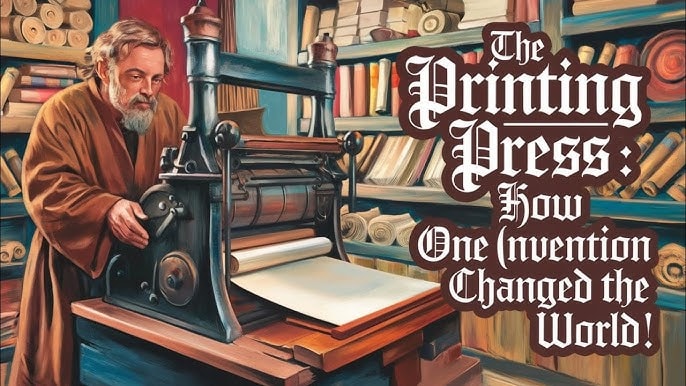
Before Gutenberg, inventors in China and Korea had developed movable metal type technology, but Gutenberg was the first to mechanize the printing process. He used linseed oil ink combined with soot and invented an efficient method of transferring ink from metal type onto paper, ushering in an era of unprecedentedly widespread and profound knowledge dissemination.
Thanks to the revolutionary movable type printing process, the printing press increased the speed of book reproduction many times over, ushering in an era of unprecedentedly rapid and widespread dissemination of knowledge. This demonstrates the undeniable impact of the printing press on society and human knowledge.
5. The Internet
The Internet is a global network connecting billions of computers and devices around the world, allowing people to exchange information and interact without being limited by geographical distance.
In the 1960s, a group of computer scientists at the Defense Advanced Research Projects Agency (DARPA) of the U.S. Department of Defense built a communication network called ARPANET, the precursor to today's Internet.

ARPANET used a groundbreaking data transmission technique called "packet switching," developed by computer scientist Lawrence Roberts, building upon earlier pioneering work by other scientists. This breakthrough laid the solid foundation for the birth and development of the Internet as we know it today.
In the 1970s, scientists Robert Kahn and Vinton Cerf developed the core communication protocols for the Internet, including the Transmission Control Protocol (TCP) and the Internet Protocol (IP). These protocols serve as a "common language" that allows computers worldwide to connect and exchange data with each other.
In 1989, the Internet entered a new era thanks to the revolutionary invention of the World Wide Web (WWW), also known as the Web, by Tim Berners-Lee while he was working at the European Organization for Nuclear Research.
The core idea of the WWW is to integrate advanced technologies such as computers, data networks, and hypertext into a powerful, intuitive, and user-friendly global information system.
The advent of the WWW not only made the Internet more accessible but also opened up a global space for connection, where people can share information, learn, and communicate in ways never before seen in history.
6. Battery
The first battery was invented in 1800 when Italian physicist Alessandro Volta stacked alternating copper and zinc discs, separated by cloth soaked in saltwater, and discovered that this structure could generate an electric current.
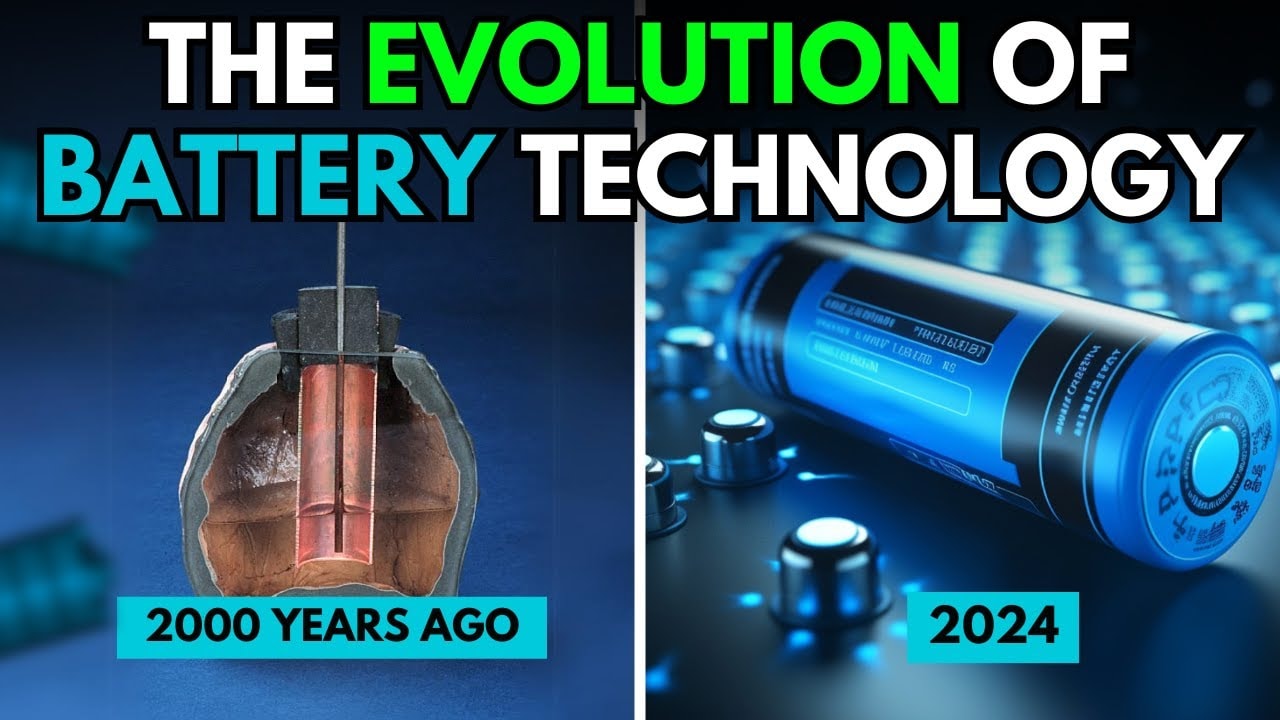
Photo: Internet.
By 1802, Scottish professor William Cruickshank improved Volta's design, creating a version called the trough battery. This device consisted of 50 copper and zinc discs placed in a wooden box containing a salt solution, which increased conductivity and efficiency.
However, it wasn't until 1859 that the French physicist Gaston Planté invented the first rechargeable lead-acid battery, opening up its potential for widespread practical applications. Despite numerous improvements, modern versions of the lead-acid battery invented by Planté are still widely used in automobiles today.
7. Airplane
The human capacity for flight has been a source of inspiration for inventors for centuries. The first human-controlled flight took place in 1783, when Joseph-Michel and Jacques-Étienne Montgolfier took off in a hot air balloon.
By 1853, British engineer George Cayley had designed the first glider that could successfully fly. However, it wasn't until 1903 that Orville and Wilbur Wright made the first successful flight with a powered aircraft.
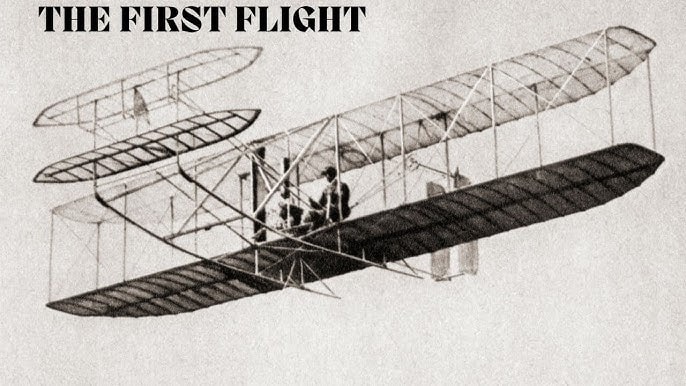
Their aircraft not only took off from Kitty Hawk, North Carolina (USA) using its own power, but also flew and landed safely without being destroyed, something many previous inventions had failed to do.
The Wright brothers were inspired by observing birds in flight, and their glider was designed with wings resembling those of birds, but with a wingspan of 10 meters.
8. Refrigerator
Refrigeration has existed in various forms for thousands of years. Depending on the climate, people in the past used ice or cold water to preserve food. However, artificial refrigeration only truly emerged in 1748, when physician William Cullen first demonstrated the cooling process through evaporation.
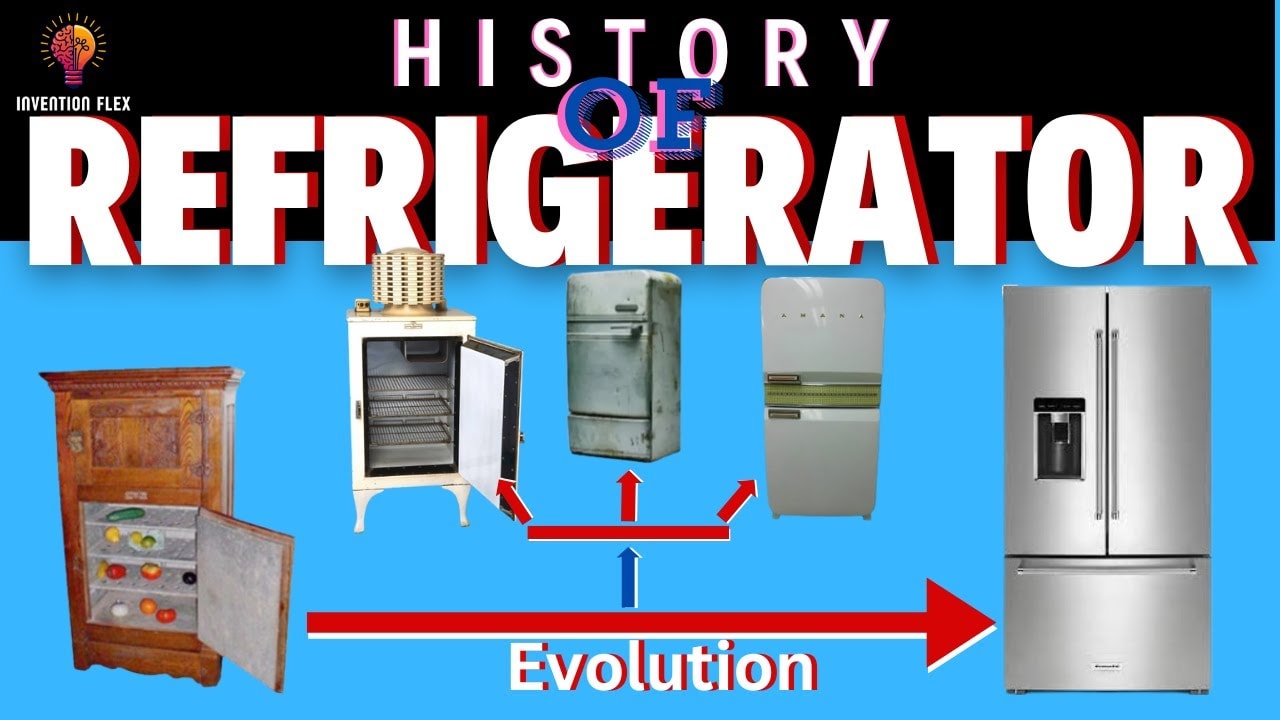
Further breakthroughs occurred in 1834, when American engineer Jacob Perkins invented the vapor compression system. By 1876, German engineer Carl von Linde had developed the process of liquefying gas, ushering in a new era for commercial refrigeration technology.
In 1913, American engineer Fred Wolf invented the first household refrigerator, and with the increasing demand for fresh produce, the number of households owning refrigerators also increased.
9. Nuclear energy
Nuclear energy was first discovered in the 1930s by Italian physicist Enrico Fermi, who found that bombarding atoms with neutrons could cause them to split, releasing a huge amount of energy. He went on to develop the first nuclear chain reaction at the University of Chicago (USA).
This success marked a turning point, leading to the development of nuclear power plants in the 1950s. In 1951, the state of Idaho (USA) commissioned its first nuclear power plant, producing electricity from atomic energy at Experimental Reactor I.
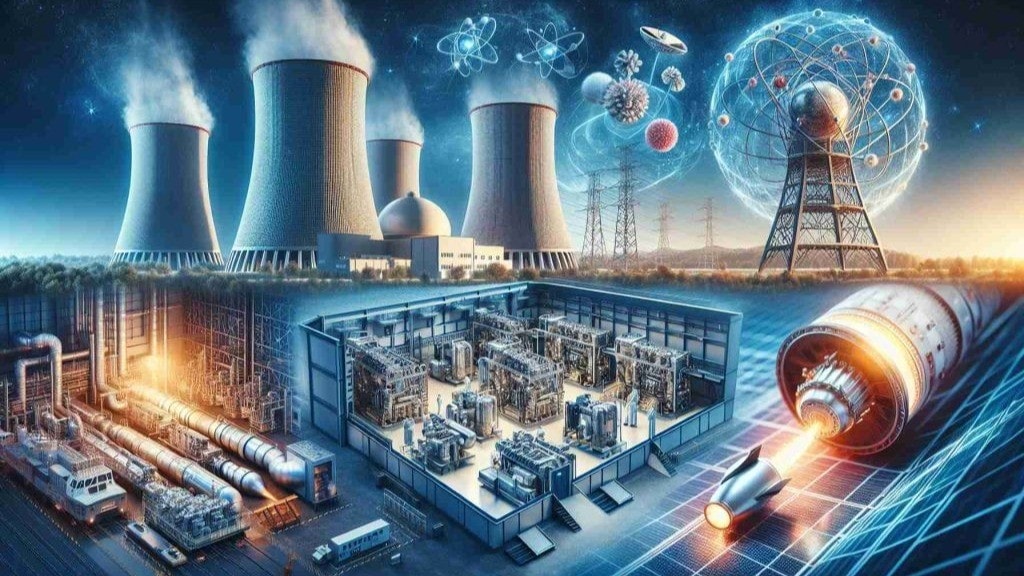
Photo: Internet.
Meanwhile, the city of Obninsk in the former Soviet Union became the world's first grid-connected nuclear power plant in 1954, and by 1957, the Shippingport nuclear power plant in Pennsylvania (USA) had become the first commercial nuclear power plant.
One of the major problems with current nuclear power plants is the use of fission reactions to split atoms, creating radioactive substances with long decay times.
Furthermore, nuclear disasters such as Chernobyl (Russia) and Fukushima-Daiichi (Japan) have highlighted the significant risks and challenges posed by fission-based nuclear energy, raising questions about the safety and sustainability of this technology.
Therefore, scientists are working to develop viable nuclear fusion reactors, a theoretical technology with the potential to generate clean and unlimited energy. In 2022, researchers reported a significant breakthrough: a fusion reactor was producing more energy than it was consuming.
However, experts emphasize that we still have a long way to go before we can produce and apply practical fusion reactors. Currently, nuclear energy is still widely used worldwide, generating about 10% of global energy.
10. X-rays
Like many other great inventions, X-rays were discovered by accident. In 1895, the German physicist Wilhelm Conrad Röntgen conducted a two-month study of radiation.
In an experiment to test whether cathode rays could penetrate glass, he was surprised to find that the radiation could penetrate thick screens and create shadows of solid objects.
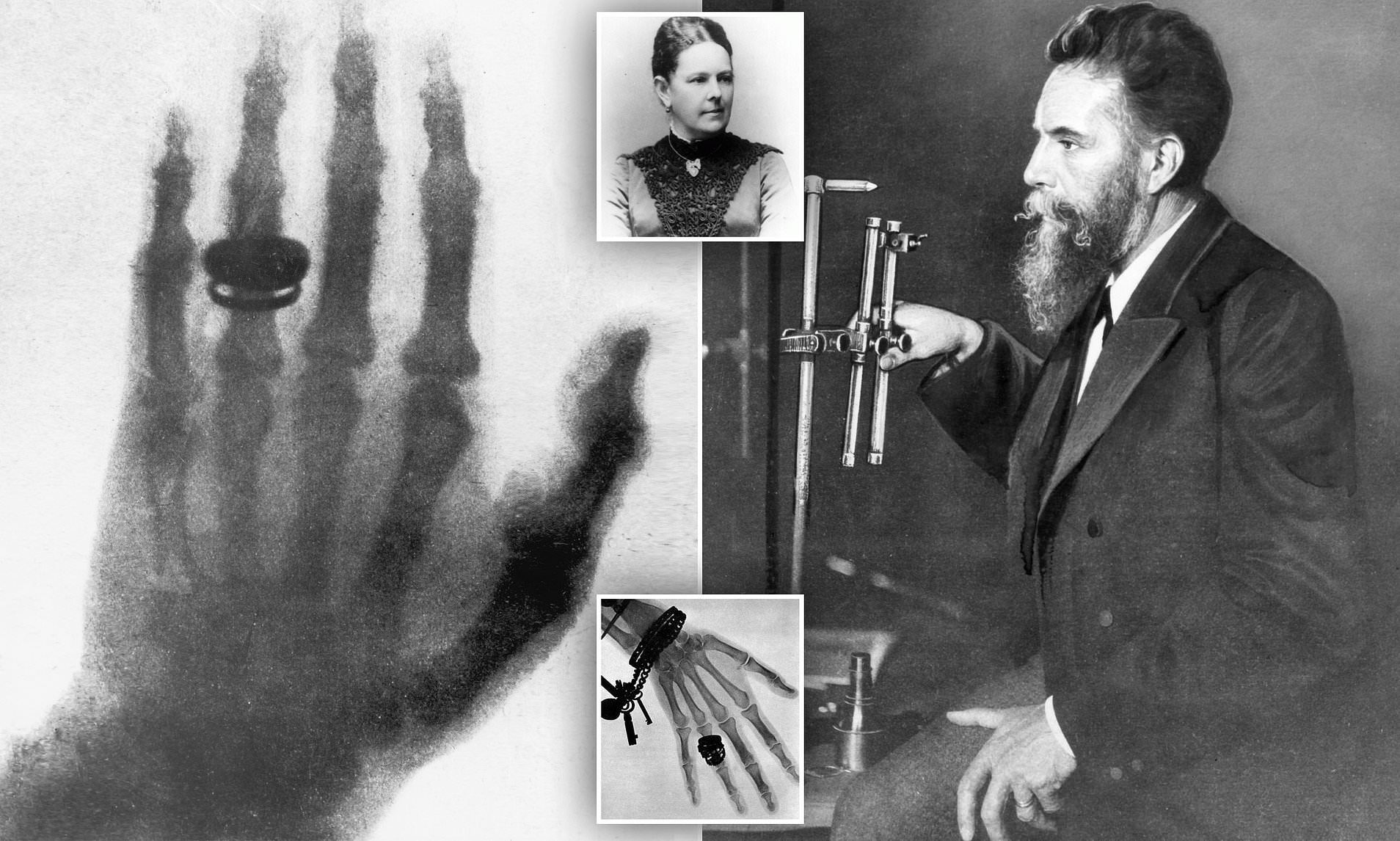
Recognizing the potential of this discovery early on, he continued his research and found that X-rays could penetrate the human body, revealing detailed images of the skeleton and internal organs.
Just one year later, the first group of doctors performed X-ray diagnoses on patients. This discovery paved the way for the birth and development of radiology, enabling doctors to accurately diagnose problems such as broken bones, tumors, and vital organ diseases.
Phan Van Hoa