

What are Southeast Asian countries doing to combat deepfake scams?
Deepfake technology, which creates incredibly realistic fake videos that are difficult to distinguish from real ones, is becoming a major concern in Southeast Asia. Countries in the region are actively seeking solutions to prevent and address this emerging form of crime.
Deepfakes are becoming a serious threat in Southeast Asia, causing significant damage to businesses, governments, and individual users.
According to Tan Ah Tuan, Head of Research and Innovation (Ensign Labs) at cybersecurity company Ensign InfoSecurity (Singapore), this technology not only erodes trust in organizations but also creates opportunities for identity theft, fraud, sensitive data leaks, and severe reputational damage.
Furthermore, deepfakes create complex social problems, blurring the lines between reality and fiction, making information in cyberspace difficult to distinguish and easily manipulated.
Deepfakes are artificial images or videos created using artificial intelligence (AI) technology. According to the University of Virginia (USA), an advanced type of machine learning (ML) called "deep learning" is the tool behind creating deepfakes. This algorithm learns how to reproduce content based on examples provided by the programmer.
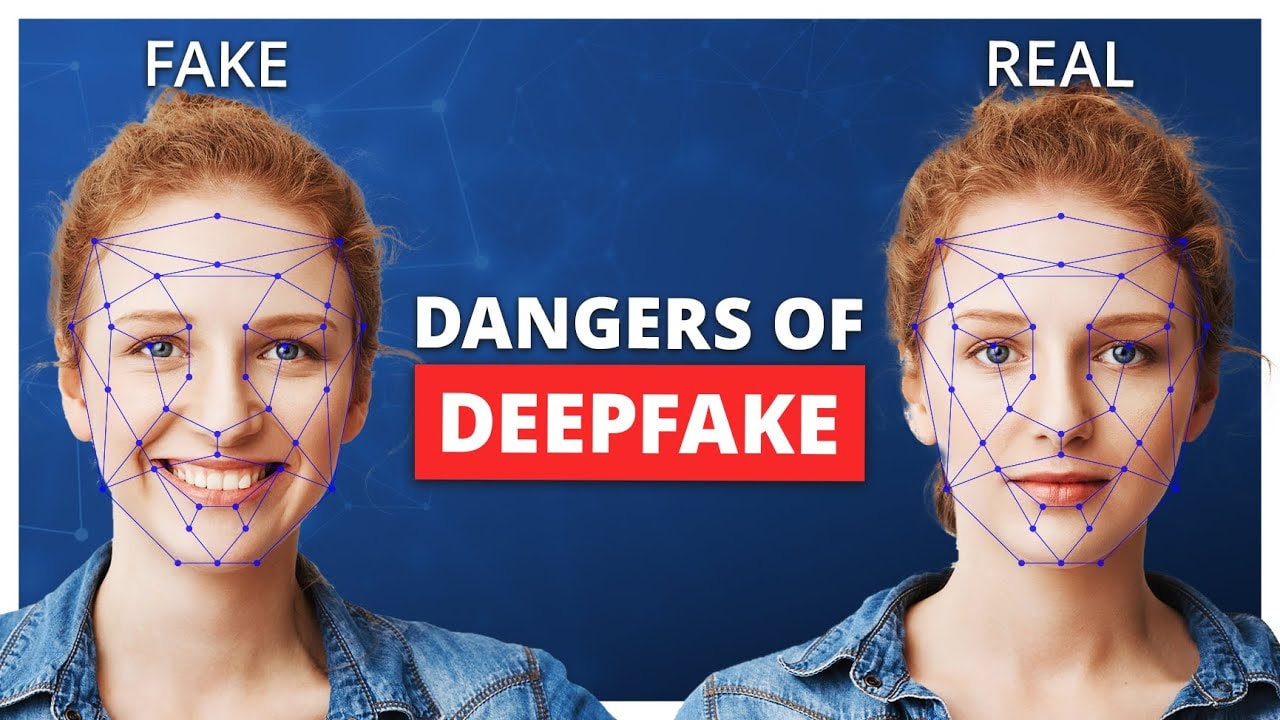
The key difference between deepfakes and images edited with Photoshop or face-swapping technology is their ability to create sophisticated fake images that are almost indistinguishable from real photos.
According to the Global Initiative to Combat Transnational Organized Crime, high-tech criminal groups in Southeast Asia have been leveraging AI to impersonate celebrities, thereby carrying out extortion, fraud, and spreading misinformation, causing serious harm to the public.
The organization's report shows that the Asia-Pacific (APAC) region witnessed a dramatic increase of up to 1,530% in deepfake-related incidents between 2022 and 2023. Notably, the Philippines saw the highest growth rate at 4,500%, while Vietnam recorded the highest increase in deepfake fraud cases, at 25.3%.
Solutions that Southeast Asian governments are implementing to combat deepfakes.
Deepfakes, ranging from videos and images to audio recordings, have become widespread thanks to significant advances in Large Language Models (LLMs) such as MidJourney, OpenAI's ChatGPT, and Google's Gemini.
At the 2023 World Economic Forum on Cybersecurity, 46% of survey participants expressed concerns about AI's potential for "confrontation," including threats such as phishing, malware development, and deepfake creation.
Below are some of the solutions that the Association of Southeast Asian Nations (ASEAN) is implementing to protect the community from the growing problem of deepfake scams.
Develop policies and regulations.
Regional authorities are actively considering the development of policies and regulations related to personal data protection, privacy, and user consent. The biggest challenge is how to simultaneously foster innovation and enable businesses to achieve profitability while minimizing negative impacts on the public.
For example, Singapore is strengthening its cybersecurity to combat deepfake scams, aiming to protect its democracy and the country's future. In one case, cybercriminals used images of former Prime Minister Lee Hsien Loong to promote fraudulent investment products.
In addition, leading technology corporations such as Microsoft, Meta, X (formerly Twitter), and Google are also actively involved in regulation, and announced a joint commitment last February to combat the use of AI for fraudulent purposes.
Establishenforcement mechanisms
Researcher Carol Soon, head of the Institute for Policy Studies at the National University of Singapore, emphasized that technology companies need to adopt a multi-faceted approach in deploying and enforcing measures to combat the misuse of AI for fraudulent purposes.
ASEAN governments have proactively enacted laws to combat deepfakes and other online threats. For example, Singapore has passed the Online Crime Harm Act (OCHA) and the Cybersecurity Act to strengthen its cybersecurity capabilities.
Meanwhile, the Philippines established a National Computer Emergency Response Agency to handle digital incidents, while Indonesia deployed a National Cyber Security and Cryptocurrency Agency (BSSN) to address cyber-related threats.
Developing solutionscreative ways to fightDeepfake again
Research by the UK-based technology company Sumsub indicates that the number of deepfakes detected globally has increased tenfold across multiple industries between 2022 and 2023.
The online media industry saw the sharpest increase in identity fraud cases. In particular, the cryptocurrency industry became a primary target, accounting for 88% of detected cases in 2023, followed by the fintech industry with 8%.
Cybersecurity companies like GROUP8, based in Singapore, are offering AI-powered solutions to detect and prevent online threats. Startups need to consider developing new technologies to detect and authenticate deepfakes, as well as training LLMs to accurately identify deepfakes in real-time scenarios.
Some possible solutions could include using digital watermarks, blockchain technology, and metadata to detect AI-generated content.
Advanced training in technology knowledge
According to the World Economic Forum (WEF), raising public awareness of online dangers will help citizens become more vigilant and learn to distinguish between authentic information and fabricated content. This will also help prevent the spread of AI-generated misinformation.
Some helpful tips for identifying deepfakes include checking the consistency of the person's identifying features in the video with previous images, examining details in the photos or videos, and assessing whether the character's movements are natural or animated. Additionally, implementing multi-factor authentication will help protect personal devices from unauthorized access.
ProspectsRegarding the fight against deepfakes in Southeast Asia
With ASEAN pushing forward with its digital transformation goals, the region is becoming increasingly vulnerable to cybersecurity threats. To address this, companies need to deploy a range of security tools, including cloud technology, blockchain, automation processes, and other technical solutions to ensure data safety and security.
However, the fight against deepfakes still faces many significant challenges. Issues such as limited resources, the relentless development of technology, a shortage of AI expertise, increasingly surreal deepfakes, inconsistent legal regulations, and low detection rates are all significant obstacles.
To effectively address this threat, regional governments and stakeholders need to strengthen cooperation and seek input from other countries on the measures they are implementing.
In addition, providing sufficient funding and resources is crucial to ensuring that anti-deepfake efforts are implemented effectively.