

How to care for peach blossoms to bloom in time for Lunar New Year 2025
Peach blossoms are an indispensable flower during Tet (Lunar New Year) in Northern Vietnam. However, not all peach blossoms bloom exactly during Tet. Therefore, Nghe An Newspaper presents to you how to care for peach blossoms so they bloom in time for Tet 2025.
How to care for peach blossoms to bloom in time for Lunar New Year 2025
Stimulating peach blossoms to grow faster.
Keep the plant warm to encourage faster flowering by watering the base with warm water at a temperature of about 45-50 degrees Celsius. This watering process should be repeated about 4-6 times a day.
Aspirin solution: Crush aspirin tablets into powder and add it to a container of warm water. Then add a little nitrogen fertilizer, stir until dissolved, and water the base of the plant daily.
Dissolve 20g of potassium fertilizer in warm water and water the peach trees every 3 days. Mix this potassium fertilizer solution directly with the soil around the peach tree to encourage faster bud development.
Crush 5-10 vitamin B1 tablets and dissolve them in warm water. Then, water the base of the plant with this mixture daily to stimulate faster flower bud blooming.
Mix 1 teaspoon of white vinegar into the watering can and stir until the mixture dissolves. Then, use this mixture to water your flowers daily. For potted peach blossoms, you can combine 1 teaspoon of white vinegar with a little sugar to encourage faster flowering.
Use light bulbs to create a warm environment that will help flowers bloom faster.
To stimulate flowering, apply lime around the base of the plant; the flowers will bloom in just a few days.
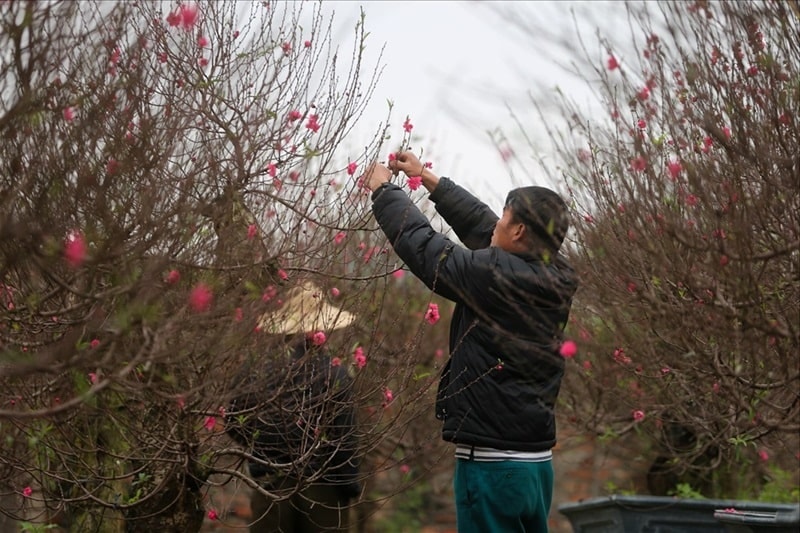
How to slow down the blooming of peach blossoms.
Warm weather causes peach blossoms to bloom faster. To slow this down, simply make a small incision around the stem, about 10-15cm from the base. This will restrict nutrients from reaching the flowers. Alternatively, using cold water for the flowers is also a good solution.
To slow down flowering, reduce the temperature by spraying cold water over the entire canopy of the tree.
For peach trees, spreading a layer of gravel around the base will help cool the roots. Placing the peach tree on a well-ventilated balcony will also help limit flowering.
If the plant is permanently planted, use netting to create a shade structure, limiting sunlight in the plant's area. Use 1% urea fertilizer diluted with water and water the roots or spray it on the leaves and stem.
Finally, if your house is already warm enough, you should limit adding extra string lights to the flower stems because the warm electricity will make the flowers bloom faster.
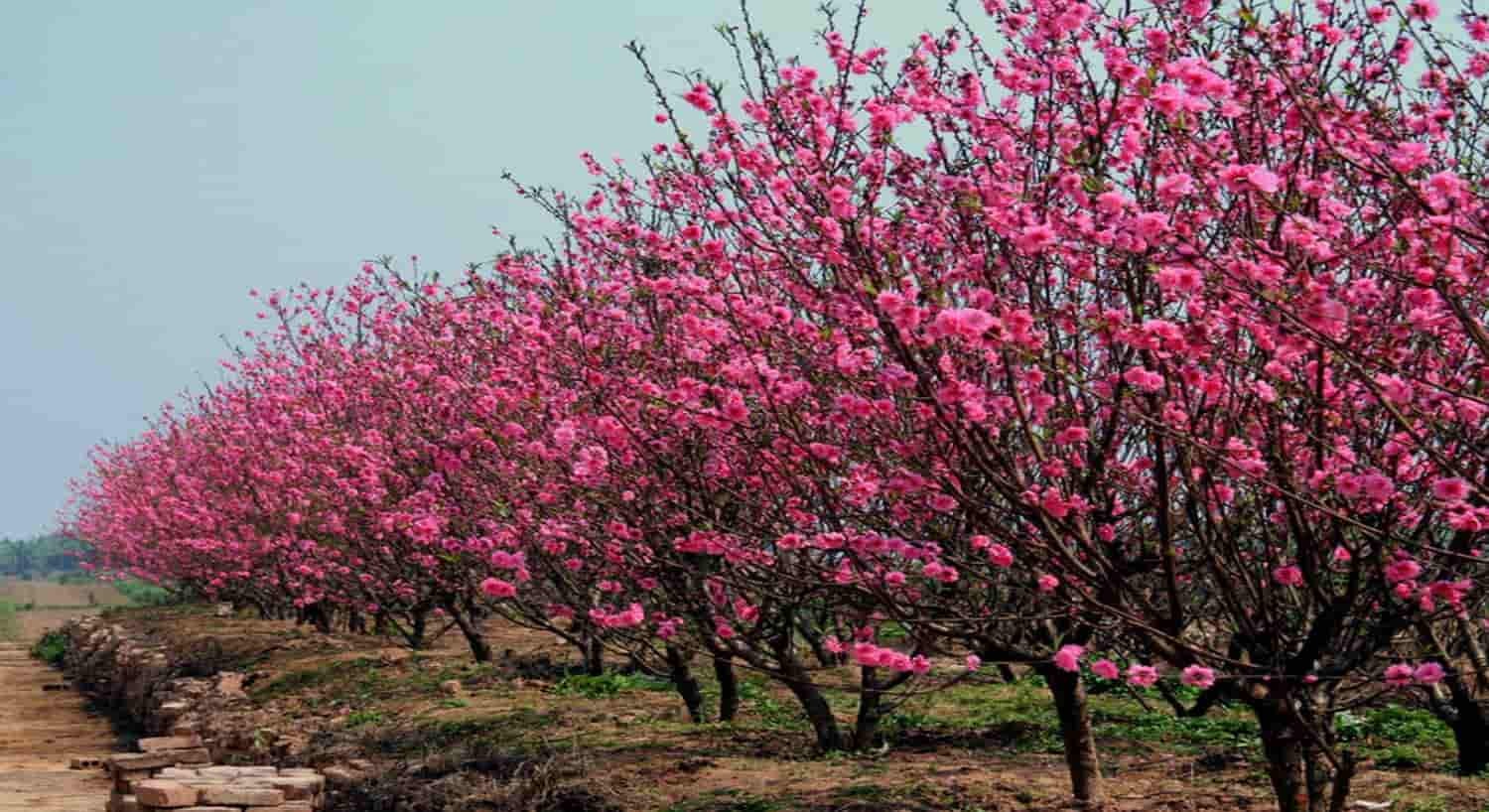
Tips for keeping peach blossoms fresh longer during Tet (Vietnamese New Year).
Keep the water in the vase clean.
For peach blossoms in a vase, you must always keep the water in the vase clean. Change the water regularly to keep the flowers hydrated and place the vase in a location with little wind, minimal sunlight, and sufficient warmth. However, since peach blossoms prefer dry conditions, avoid overwatering, which can lead to root rot.
Add extra nutrients to peaches.
To supplement the nutrients for the flowers, you can add a few B1 tablets to the vase (you can use the kind for human consumption or buy B1 specifically for plants to prevent shock, which would be better). Another ingredient to consider for supplementing nutrients to keep the peach blossoms healthy is potassium.
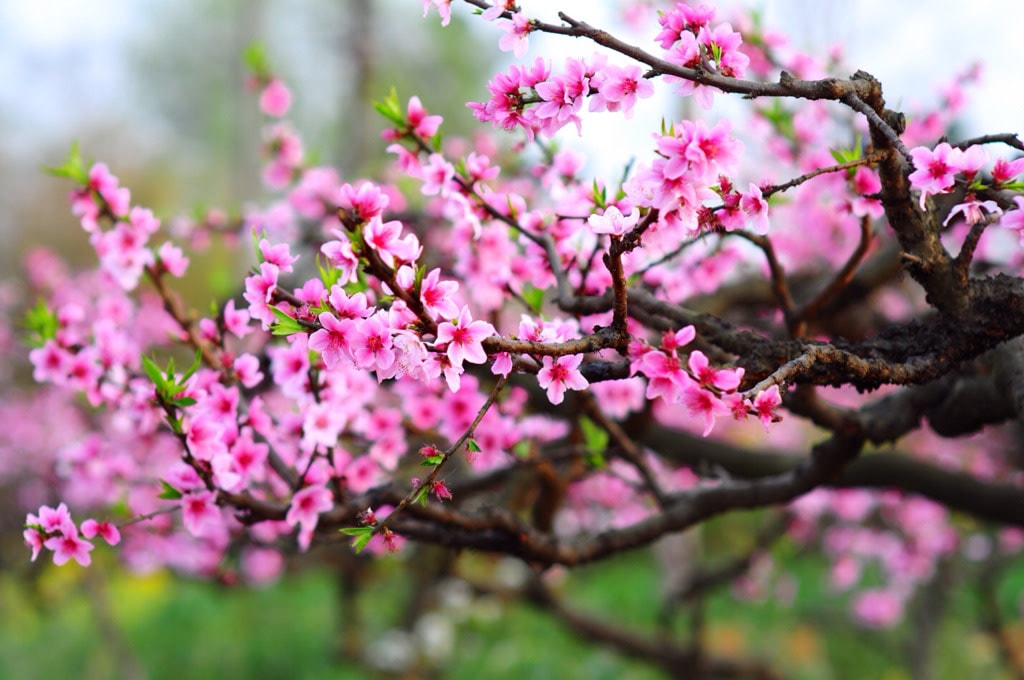
Do not burn the base of the peach blossom branches.
When burned, the base of the peach blossom branch will char, preventing it from absorbing water and nutrients, causing the branch to wilt quickly and the flowers to fade prematurely. Burning the base of the peach blossom branch to keep the flowers fresh is unscientific.
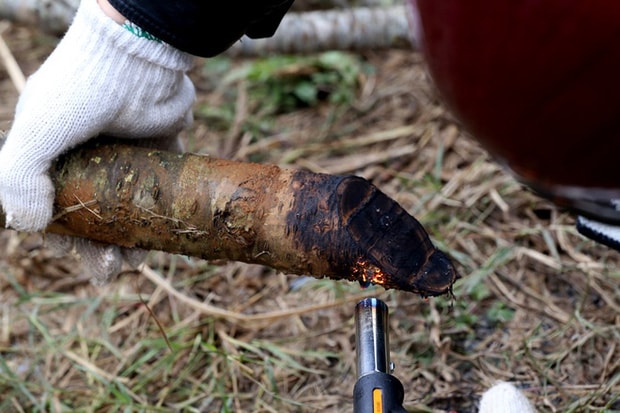
According to folk tradition, burning peach blossom branches is primarily to kill bacteria and fungi that invade the vascular bundles of the branches, reducing sap leakage, nutrient loss, and purifying the water in which the peach blossoms are placed. However, burning the base of the branches can also clog the vessels, preventing water and nutrients from reaching the branch.