

Changes in Ky Son, a mountainous district.
In 2024, along with new directions from the province and the central government, especially Resolution 39/NQ-TW, Ky Son district, a mountainous area, flexibly managed and utilized investment sources and support for livelihoods and social security, while also protecting forests, creating many positive changes.
Sustainable rural economic development
Visiting the farms in Ta Ca and Huu Kiem communes of Ky Son district, which combine livestock farming and the cultivation of winter vegetables and fruits, in the early days of spring, a joyful atmosphere is already present on every hillside and in every lush green farm.
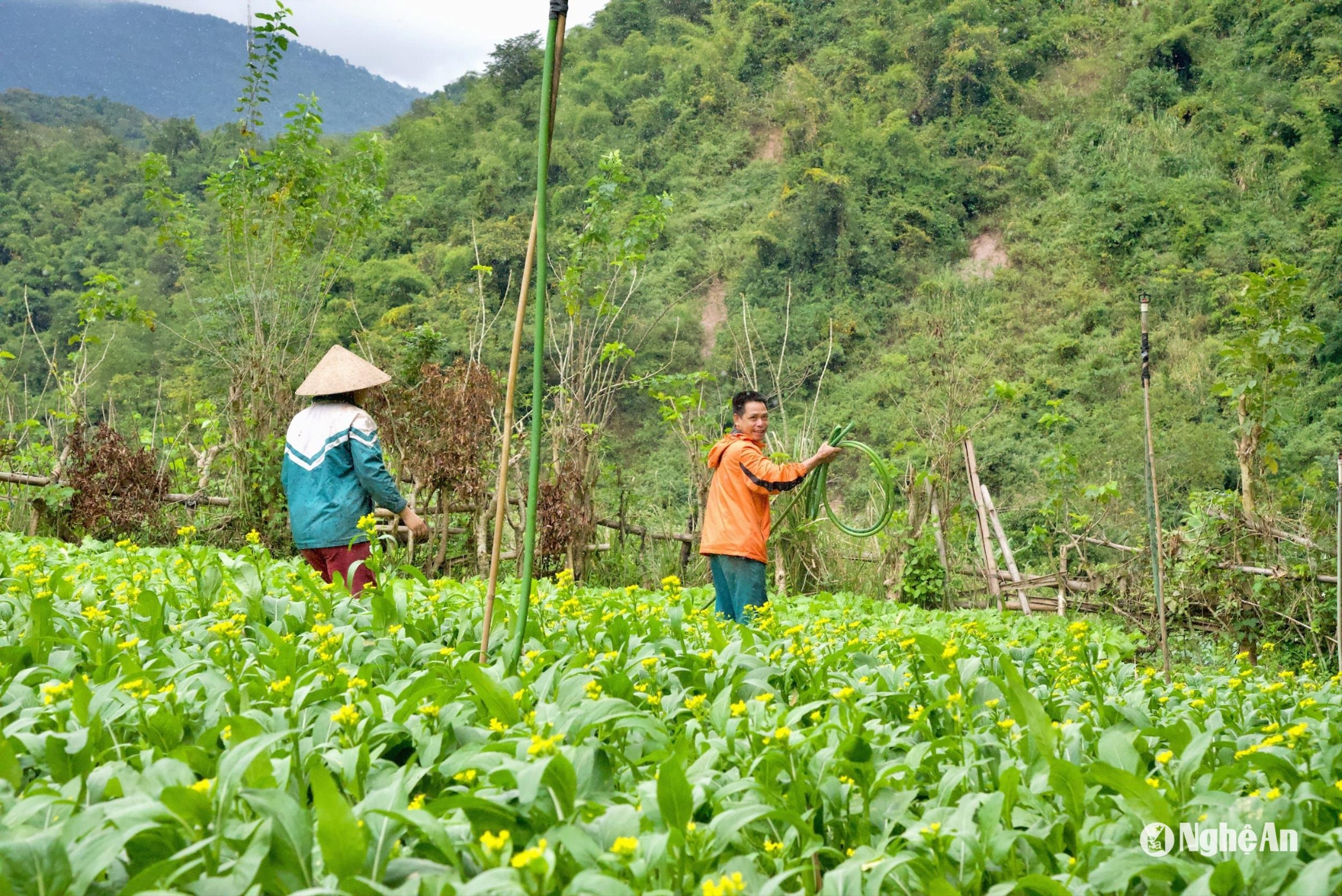
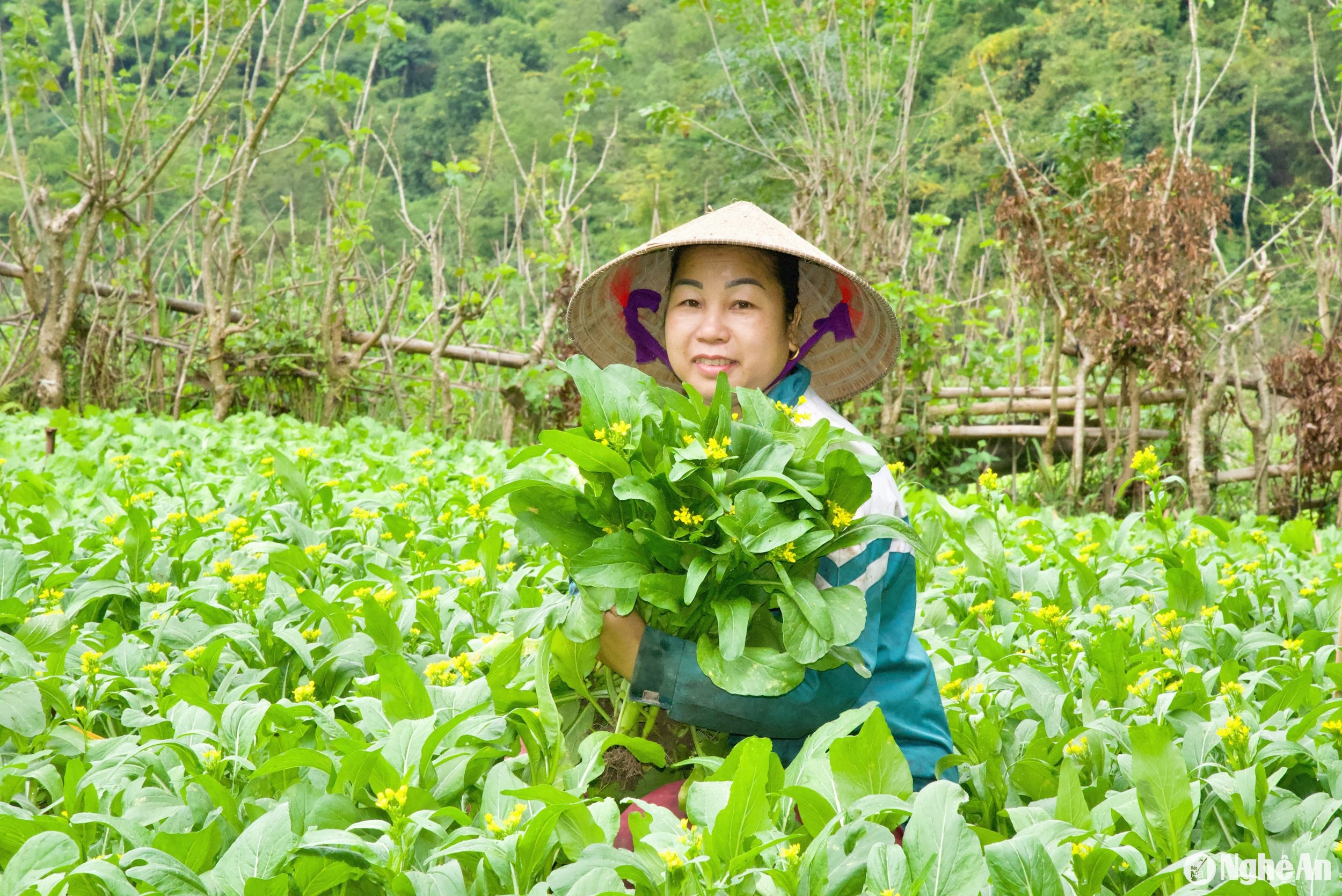
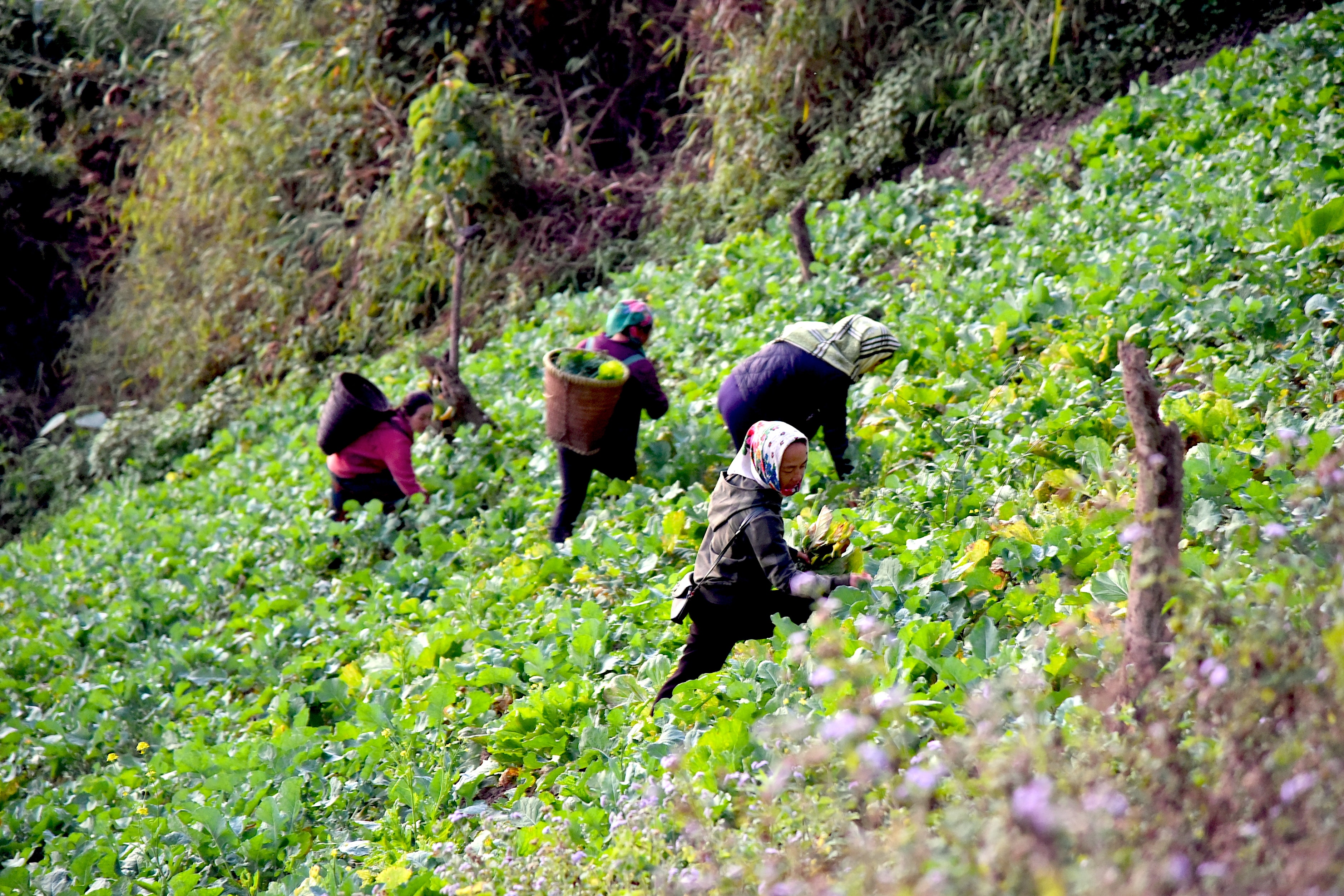
The clean vegetable growing areas in Khe Nhinh of Huu Kiem commune, and in Hoa Son and Son Ha villages of Ta Ca commune, have become specialized production zones for many years, bringing high economic value to the people. These are also models that the Ky Son District People's Committee has oriented towards sustainable organic agricultural production. In 2024, the area of vegetable crops in Ky Son is estimated to reach 320 hectares, an increase of 60% compared to the same period, yielding a production of 2,300 tons, an increase of 30% compared to the same period in 2023.
Besides growing clean vegetables on hillside fields according to the seasons, based on the climate and specific topography of each sub-region, localities in Ky Son also cultivate crops that yield high economic returns and are suitable for the soil, such as tea, ginger, and medicinal plants like Puxailaileng ginseng, Polygonum multiflorum, Codonopsis pilosula, Panax notoginseng, and Panax notoginseng...
In July 2024, the Ministry of Agriculture and Rural Development issued Decision No. 2561/QD-BNN-LN approving the "Plan to support the development of agricultural and forestry economy in Ky Son district, Nghe An province until 2030". According to the orientation of Plan 2561, Ky Son will gradually invest in developing its agricultural economy by linking value chains from production, harvesting, preliminary processing, preservation, processing and consumption, and developing OCOP products based on effectively utilizing the local potential and advantages.
Currently, the district has 7 OCOP products that have achieved 3 stars or higher, including unique products made from agricultural raw materials with geographical indications such as ginger, and organic products such as Shan Tuyet tea…
Simultaneously, the district directed the development of the economy under the forest canopy, and reforestation in conjunction with land and forest allocation. By 2024, Ky Son had allocated 20,000 hectares of forest land to 1,875 households and communities.
Following this direction, people in the district are combining the application of science and technology to improve productivity, quality, and competitiveness of their products. Many economic models developed by the people themselves are demonstrating the right approach and high efficiency, such as: experimenting with commercial catfish farming in Ta Ca commune; planting medicinal herbs under the forest canopy, and non-timber forest products adapted to climate change… which both create livelihoods for the people and contribute to sustainable environmental protection.
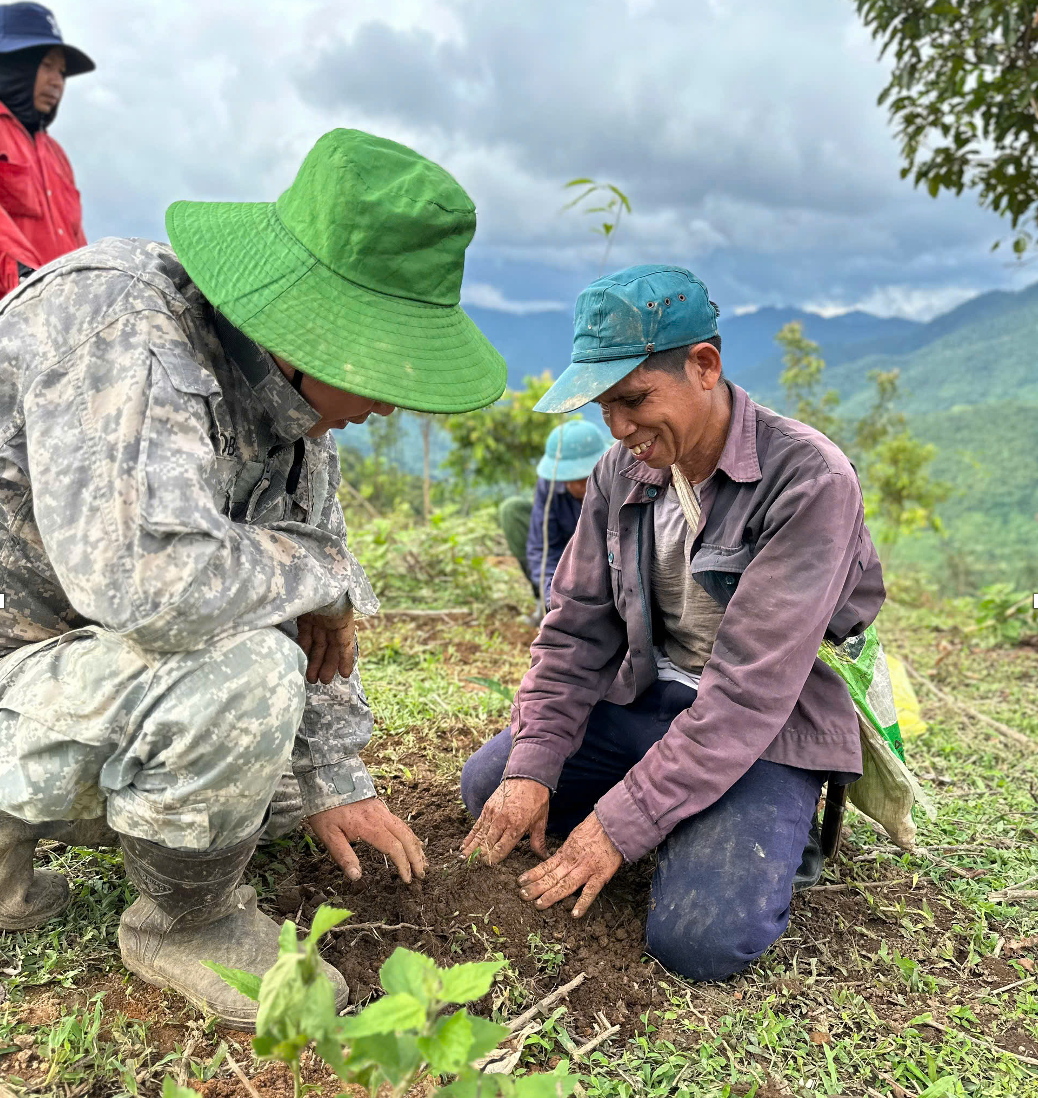
Then there are models such as: reforestation in Pha Danh commune; experimental planting of seed-bearing Dipterocarpus trees in Dooc May and Keng Du communes; planting purple cardamom in Huoi Tu and Na Ngoi communes on a scale of 1.3 hectares…
Focusing on sustainable agricultural and forestry production, linked with afforestation, cultivating medicinal plants under the forest canopy, and protecting forests, also serves as a "foundation" for the development of tourism and services in Ky Son. Since 2023, the district has implemented new types of tourism suitable to the local conditions.
Social welfare highlights
The socio-economic development results and poverty reduction efforts in Ky Son district, in line with the goals of the District Party Congress Resolution for the 2021-2025 term, have been largely assessed as achieving many specific targets. This is especially true for models of crop cultivation, livestock farming, and afforestation, forest protection, and the development of the economy under the forest canopy, all oriented towards a sustainable green economy and ensuring social welfare.
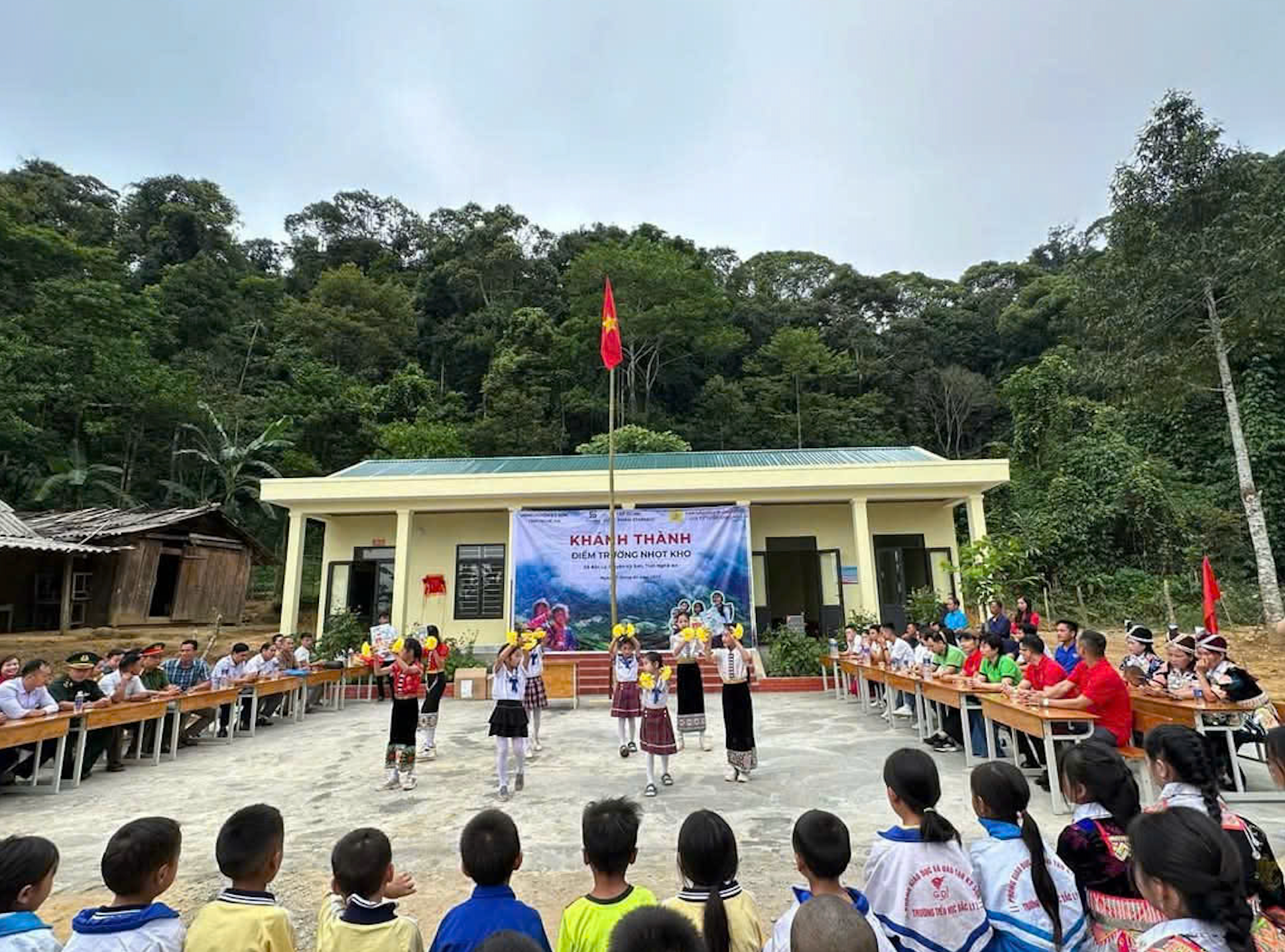
In addition, attracting investment with a total capital of over 548 billion VND has also created momentum for positive socio-economic changes in Ky Son, with many infrastructure projects being built and put into operation.
To achieve these changes, in addition to the self-motivation of each household, there has also been dynamism and flexibility in the leadership and management of officials and leaders at all levels; and the effective involvement of the armed forces in ensuring national defense and security.
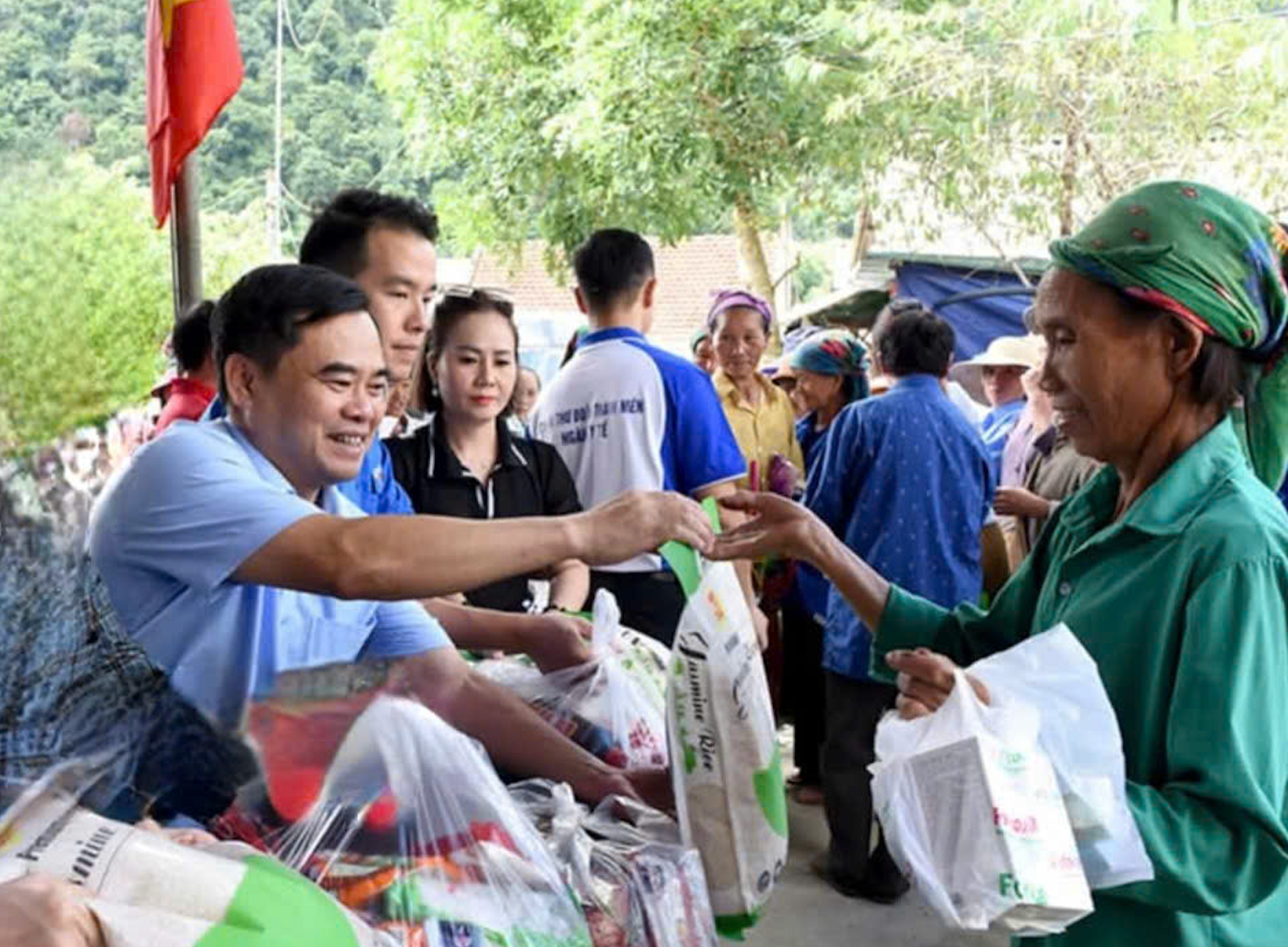
In addition to effectively implementing support and investment from policies and guidelines, officials and Party members in Ky Son are particularly dynamic and dedicated in connecting with and mobilizing charitable and social welfare activities for the people. As a result, the people of Ky Son have benefited from many sources of cash donations, facilities, equipment, and essential goods from charitable agencies, organizations, and individuals.
In the final months of 2024, on the personal pages and social media accounts of village officials, many teachers, and residents of Ky Son that we connected with, a common theme emerged: expressions of joy and gratitude for the support and sharing from benefactors. Through these connections, along with the "Tet for the Poor 2024" program, Ky Son mobilized over 10 billion VND in cash and in-kind donations to support the people in settling down and improving their livelihoods.
Results for 2024, compared to 2023: The production value of Ky Son district is estimated at over 1,780 billion VND, an increase of 6%. Of which, the production value of the agriculture, forestry, and fisheries sector is estimated at over 518 billion VND, reaching 104.9% of the plan, an increase of 11.2%. The service sector is estimated at over 845 billion VND, an increase of 5.9%. Average per capita income is estimated at 26.18 million VND.