
How long does it take to lose weight?
Factors such as age, gender, and starting point can affect how long it takes you to lose weight. Experts recommend losing 0.5-1 kg per week to maintain a safe and effective weight loss regimen.
Weight loss occurs when you consistently consume fewer calories than you burn each day. This is known as a calorie deficit.
A calorie deficit is typically achieved through exercise and a balanced diet. However, other factors can affect the rate at which you burn energy and, therefore, lose weight.
How much weight should you aim to lose?
Many people claim to have a secret method to help you lose up to 4.5kg in a week. However, such rapid weight loss is not safe, effective, or sustainable.
Therefore, you should aim to lose 5% to 10% of your body weight in the first six months of your weight loss journey. The U.S. Centers for Disease Control and Prevention (CDC) recommends losing 0.5 to 1 kg per week.
Maintaining a calorie deficit is crucial for weight loss, but it's equally important to set realistic calorie goals. On average, reducing your calorie intake by 500 calories per day is enough to help you lose about 0.5 kg per week.
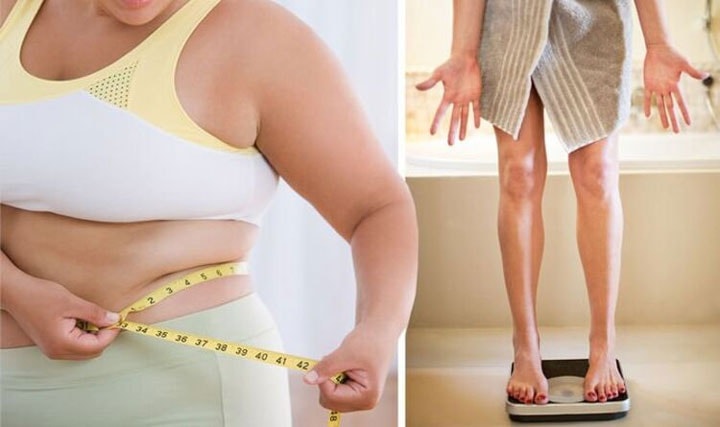
The scientific approach to weight loss is to lose weight gradually to allow the body to adapt. (Illustration: Getty)
According tographlineIf you are unsure about your weight loss goals and how many calories you should consume to achieve them, consider talking to a healthcare professional. They can help you create a sustainable plan.
How does weight loss happen?
Any food or drink you consume that contains calories counts toward your total calorie intake. However, the number of calories you burn each day, known as your total daily energy expenditure, is a little more complex.
Energy consumption comprises three main components:
- Basal metabolic rate (BMR): This is the amount of calories your body burns when performing basic bodily functions, such as breathing and pumping blood. BMR is also known as resting energy expenditure (REE).
- Thermic effect of food (TEF): This refers to the amount of calories used to digest, absorb, and metabolize food.
- Non-resting energy expenditure (NREE): This is the amount of calories used during physical activity.
NREE is divided into exercise-induced thermogenesis (EAT) and non-exercise-induced thermogenesis (NEAT), which includes everyday movements outside of formal workouts such as walking and outdoor activities.
Factors affecting weight loss
Several factors affect the rate at which you lose weight. Many of these factors are beyond your control.
Weight loss journey phase
Weight loss occurs in several stages. You're likely to lose more weight in the first few weeks as your body adjusts to the calorie deficit and more regular exercise. However, after a few months, you may reach your weight loss plateau.
Sex
Some studies suggest that men and women may burn calories at different rates. For example, a 2023 study found that men may burn more calories at rest than women.
An 8-week study involving more than 2,000 participants on an 810-calorie diet also found that men lost 16% more weight than women.
Age
On average, people gradually gain weight until age 75, but after that, body weight may begin to decrease. Older adults tend to increase fat mass, while decreasing bone density and muscle mass.
Initial weight
Your initial body mass and composition can affect the rate at which you can expect to lose weight.
Calorie deficit
The degree of calorie deficit can affect the rate of weight loss. For example, consuming 500 fewer calories per day for 8 weeks may lead to greater weight loss than consuming 200 fewer calories per day.
However, be sure not to let your calorie deficit become too severe. Doing so can increase the risk of nutrient deficiencies and loss of muscle mass instead of fat mass.
Other factors
Several other factors can also affect the rate of weight loss, such as:
- Genetics.
- Not getting enough sleep can increase hunger, affect hormones, and cause changes in eating behavior.
- Certain medications, such as those used to treat depression, high blood pressure, epilepsy, diabetes, and allergies.
- Certain health conditions, such as chronic stress, depression, hypothyroidism, and Cushing's syndrome.
- Family history of obesity or being overweight.
What is the best diet for weight loss?
There are countless weight-loss diets, each promising amazing results. But it's important to note that there is no single best diet for weight loss.
A 2020 review of 121 studies examined the weight-loss effects of 14 popular diets with varying ratios of macronutrients. Researchers found that all diets resulted in weight loss, with no significant differences in the long term.
The most important thing is to adhere to a manageable calorie deficit and eat a balanced diet, including:
Prioritize fruits, vegetables, lean protein, low-fat dairy products, and whole grains.
- Limit alcohol, sodium, added sugar, cholesterol, saturated fat, and trans fat.
Remember, you shouldn't drastically reduce your daily calorie intake. Maintaining a very low-calorie diet for an extended period is difficult and can eventually lead to increased calorie consumption and weight regain.
Consider cutting 500 to 750 calories a day for a short period, then readjusting your calorie intake goal afterward. For best results, combine a balanced diet with regular exercise and sufficient sleep.

Ha An