

Common problems when driving in the rain.
Rain not only reduces driver visibility but also makes many parts of the vehicle more susceptible to malfunctions or damage.
Besides causing slippery surfaces and reducing visibility, heavy rain can also directly affect various parts of your vehicle. Here are some common problems that can occur when driving in the rain:
Fogging of the windshield
When it rains, the lower temperature causes condensation to form on the windshield, making it foggy. This obstructs the driver's visibility and directly affects driving. To remedy this, activate the defroster or turn on the air conditioner and select the setting that directs airflow towards the windshield.
The rearview mirror is blurry.
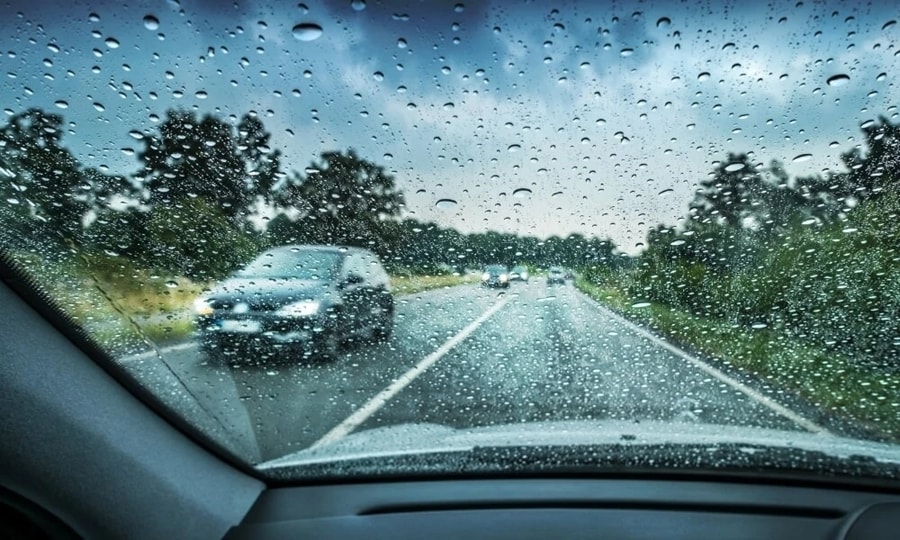
Not only the windshield, but also the side rearview mirrors get blurry when driving in the rain. To mitigate this, drivers can install rearview mirror rain deflectors or use anti-fogging stickers for the rearview mirrors.
Difficult to observe
If it's raining heavily, visibility will be limited even if the windshield wipers are working effectively. In this situation, drivers should turn on their hazard lights and fog lights so other vehicles can see them. Additionally, drivers should maintain a safe distance from the vehicle in front.
Engine stalled
Heavy rain can easily lead to flooding, causing vehicles to suffer from hydrolock. This is when water enters the engine through the air intake. The water entering the engine prevents fuel from burning, causing the vehicle to suddenly stall.
In this situation, the driver should not start the engine because it could cause water to be sucked deeper into the engine, creating significant resistance, breaking the crankshaft, or damaging the entire engine.
Poor brake response
When driving in the rain, the braking system may be less responsive. The most common symptom is an unpleasant noise coming from the brakes. Therefore, regular vehicle maintenance is recommended to check and replace brake fluid, especially for vehicles that have traveled more than 40,000 km.
The car skidded on the water.
This is a common occurrence when driving in the rain due to slippery roads. Therefore, drivers should maintain a moderate speed and avoid sudden braking.
If it's raining heavily or windy, you shouldn't continue driving. Instead, stop and park in a safe location.