

Traditional education in the age of AI
As AI technology and digital applications permeate daily life, many countries are choosing a different path: maintaining and returning to traditional educational methods. This trend not only offers numerous benefits in terms of skills and emotional development for students, but also raises questions about the role of technology in education.
Paper books are taking center stage.
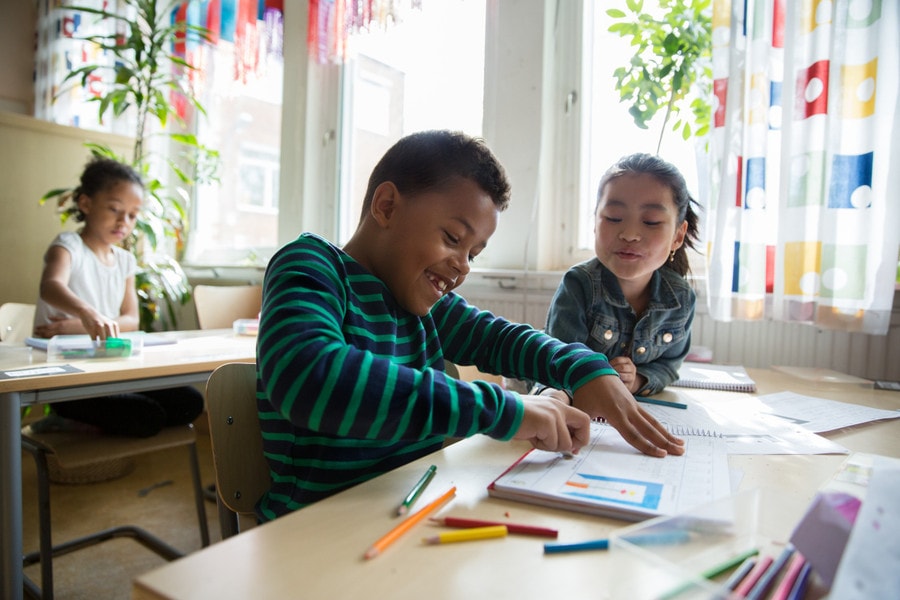
While his peers in many countries around the world are learning to use technology, 9-year-old Liveon Palmer, a student at Djurgardsskolan Primary School (Stockholm, Sweden), practices his handwriting every day.
For Palmer and Swedish students in general, traditional subjects have shown no signs of being replaced by modern educational methods. Liveon Palmer shared: “I enjoy practicing handwriting because writing on paper feels more comfortable. Therefore, I really enjoy traditional lessons.”
While the world is witnessing the rapid development of artificial intelligence (AI) and digital technology, an interesting trend is emerging in Sweden: students there are gradually returning to traditional learning methods. This is a noteworthy choice, given that most other countries are actively integrating technology into education.
Schools in Sweden are prioritizing traditional teaching methods, focusing on learning through paper books, handwriting, and in-person classroom discussions. Instead of using online learning tools or AI-assisted applications, students are encouraged to read paper books, take notes by hand, and participate in interactive sessions with teachers.
Some schools have reduced the amount of time students spend using computers and electronic devices in the classroom, only using them when absolutely necessary. This aims to ensure that students do not become overly dependent on technology and instead develop critical thinking skills and communication abilities.
Recent studies indicate that excessive use of technology in education can reduce students' ability to concentrate and think independently. Therefore, with its decision to adjust the traditional learning model, the Swedish government aims to mitigate these negative impacts, especially as students are increasingly relying on AI applications for homework or information retrieval.
The decision has received support from teachers and parents. They argue that in-person learning, through interaction between teachers and students, plays a crucial role in building social and emotional skills. While AI can support personalized learning, it cannot completely replace the human element in the educational process.
Catarina Branelius, a third-grade teacher at Djurgardsskolan Primary School, said she guides her students to use tablets appropriately and selectively, rather than using them full-time.
“When teaching Math, I create games on tablets to help students get acquainted with calculation skills. But in Language class, I don’t use computers to guide students on how to write. Students under 10 need time to practice handwriting before they use keyboards,” Catarina explained.
Another factor driving this trend is privacy concerns. AI applications often collect user data, and their use in education could lead to the misuse or leakage of students' personal information.
The return to traditional learning has brought about significant changes in the Swedish education system and the lives of students.
Firstly, students' basic skills improve. Teachers notice that students write more neatly and their reading comprehension improves significantly when learning through paper books instead of electronic screens. These skills are not only important for academics but also help students develop logical thinking and organizational skills.
Secondly, students experience reduced stress and pressure. They feel more comfortable not having to face the pressure from technological tools or high expectations regarding the use of AI. Instead, they can focus on understanding the material and developing themselves naturally.
Finally, in-person learning allows teachers to better understand each student, thereby developing more appropriate teaching methods. Students also have the opportunity to exchange ideas, discuss, and receive immediate feedback from teachers, something that technology cannot fully replace.
Learn from nature
In Canada, schools are actively collaborating with nature organizations and community groups to organize field trips for students. While this activity is part of the curriculum, schools are increasing the number of field trips instead of allowing students to use technology excessively.
For example, Lakehead University and the Ontario Institute for Educational Research at the University of Toronto, Canada, are organizing field trips into the forest for high school students across the country.
The curriculum not only helps students better understand the environment and climate change, but also fosters a closer connection with nature. This need is particularly important in the context of technological advancements that lead teenagers to spend more time online.
During an outdoor lesson in Ontario, kindergarten teacher Wilma Armstrong took her students on a "forest bathing" experience outdoors. The children were immersed in the sights, sounds, and smells of the forest while observing and learning about the surrounding nature.
“Every time I announce that the children will be going into the forest, their eyes light up with joy. They cheer whenever they discover a new type of plant and share it with their friends. I hope these small activities will help them grow to love the environment, nature, and appreciate its real values,” Ms. Armstrong said.
Amidst the global transformation of education by AI and digital technology, a traditional yet innovative educational model is gaining attention: outdoor schools. This trend is not only emerging in developed countries like Sweden, Germany, and the United States, but is also spreading to many other nations worldwide. The development of outdoor schools in the context of rapidly advancing AI has offered fresh perspectives on education and the future of young generations.
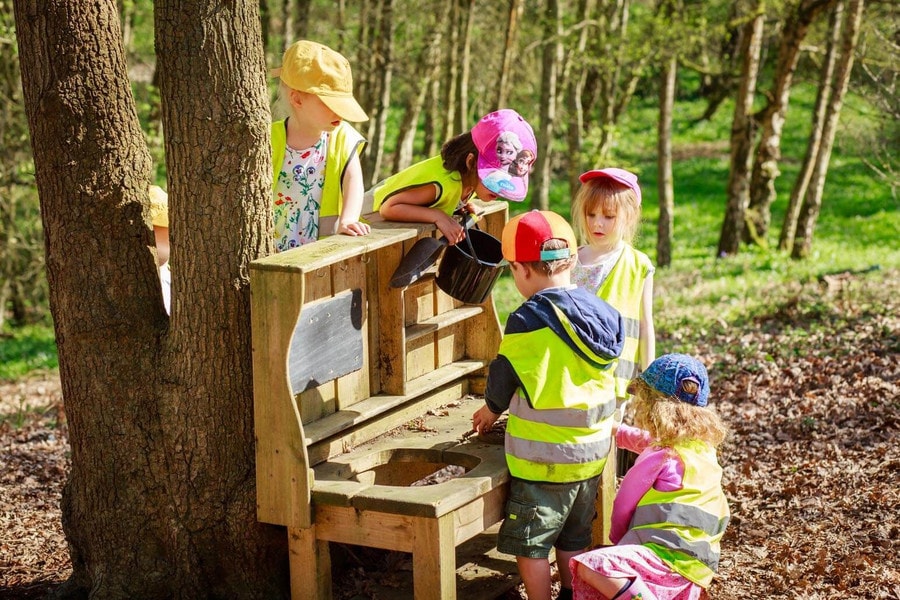
Forest schools in many Western countries are an educational model where students learn primarily in natural environments, rather than in traditional classrooms. Learning activities often include exploring the natural environment, practicing survival skills, and participating in outdoor group projects. Teachers act as guides, helping students connect with nature and learn through hands-on experience.
The explosion of technology and AI is prompting nations to question the role of humans in an automated world. In this context, outdoor schools emerge as a solution to balance technology and core human values, while providing opportunities for students to temporarily step away from screens, connect with nature, and develop critical thinking through hands-on experiences.
Reshaping Education
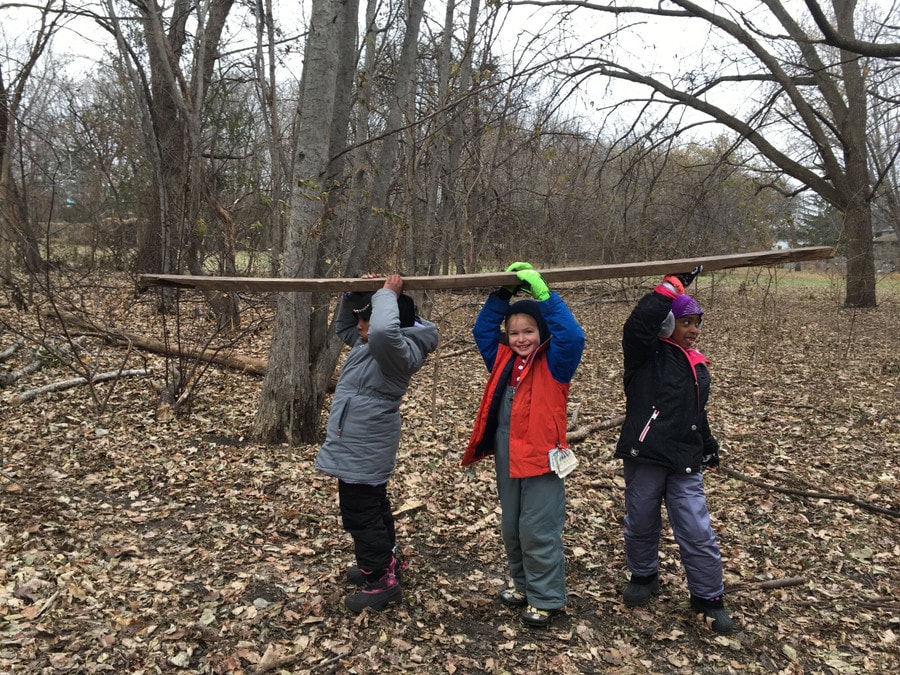
Numerous studies have shown that outdoor activities help reduce stress, improve mental health, and enhance concentration. This is especially important given that today's students are easily influenced by academic pressure and negative factors from social media.
One prominent example is the outdoor school system in Norway and England. Here, students spend most of their day learning outdoors, regardless of the weather. They learn how to care for plants, observe wildlife, and practice practical skills such as setting up tents or cooking outdoors. Teachers in Sweden note that students not only improve academically but also become more confident, independent, and creative.
In the US, a school famous for this model is Treetop Nature School in Oregon. Students experience ecology classes, explore local flora and fauna, and learn how to protect the environment. Alexander Philips shared: “I feel like I learn more when I’m out in nature. I not only understand what I’ve learned from books but also feel the true meaning of living in harmony with the environment.”
For students, outdoor schooling offers opportunities for holistic development in terms of physical, mental, and social skills. It also enhances creativity and critical thinking through hands-on activities. Finally, it reduces stress and improves mental health, especially in the context of increasing pressure from technology and social media.
In the field of education, outdoor education models will promote experiential learning, complementing online and AI-based learning models. Furthermore, it creates a balanced learning environment between technology and nature, helping students avoid over-reliance on machines.
For society, outdoor education contributes to raising awareness about environmental protection. This model also equips the younger generation with soft skills and sustainable thinking, suitable for a volatile future.
Outdoor schools are not just a response to the rise of AI, but also a reminder of the importance of connecting people with nature. In the digital age, this model offers a holistic approach, helping students develop comprehensively and prepare them for the challenges of the 21st century. This is not just a trend, but a significant step in reshaping education.
While AI excels at developing hard skills like math and programming, outdoor schools focus on developing soft skills. Students learn teamwork, problem-solving, emotional management, and leadership—skills that are difficult for machines to replace.