The arduous fight against HIV/AIDS in the highlands.
Thanh Chung - Duc Anh•February 24, 2025 15:21
Que Phong is a mountainous district bordering the Vietnam-Laos border. It is home to 72,000 people belonging to six ethnic groups: Thai, Mong, Khmu, Tho, Tay, and Kinh. The lives of the people are still difficult, and the level of education is low. Social problems are complex and widespread. This is one of the reasons why Que Phong district has become the hottest spot for HIV/AIDS in Nghe An province.
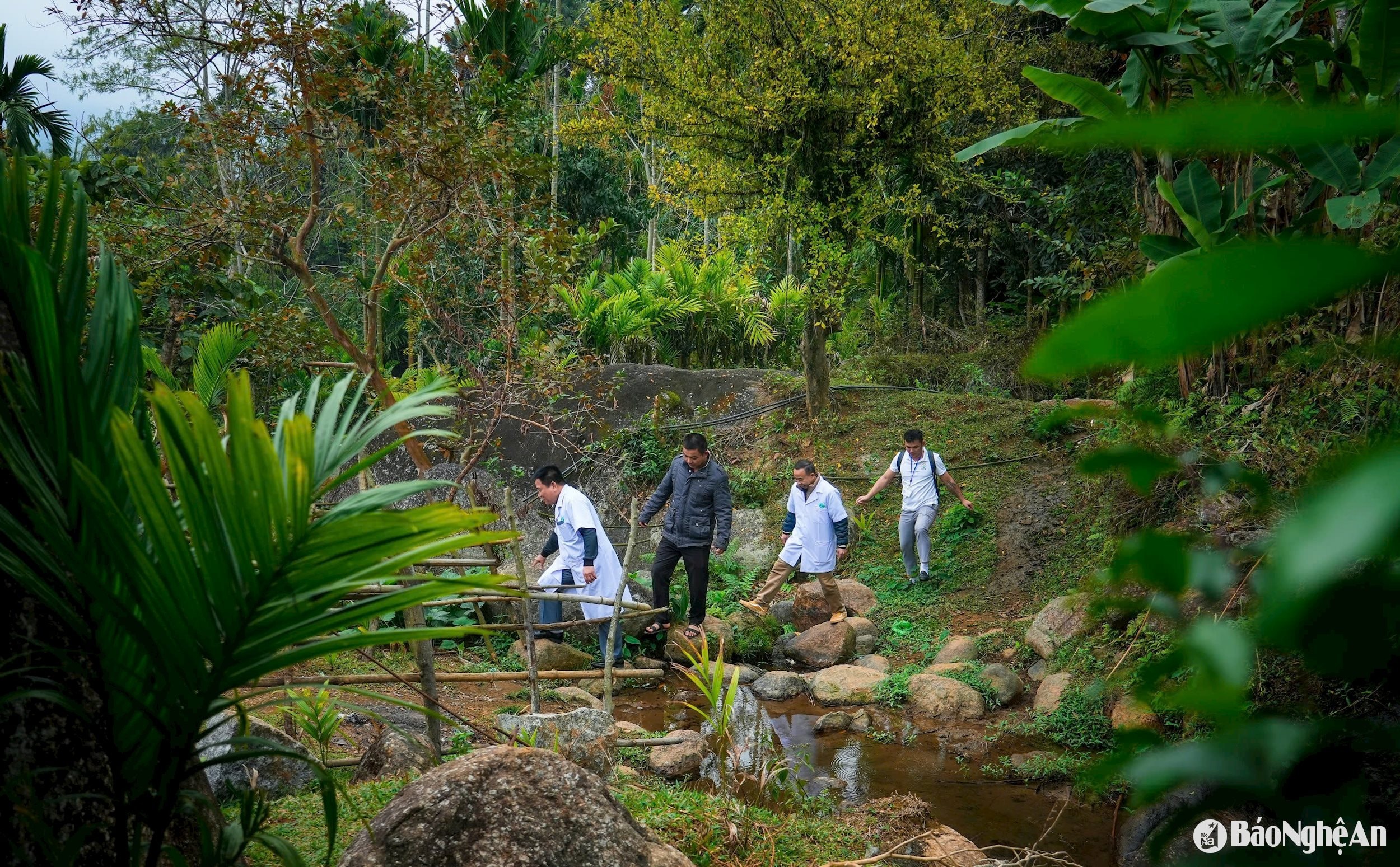
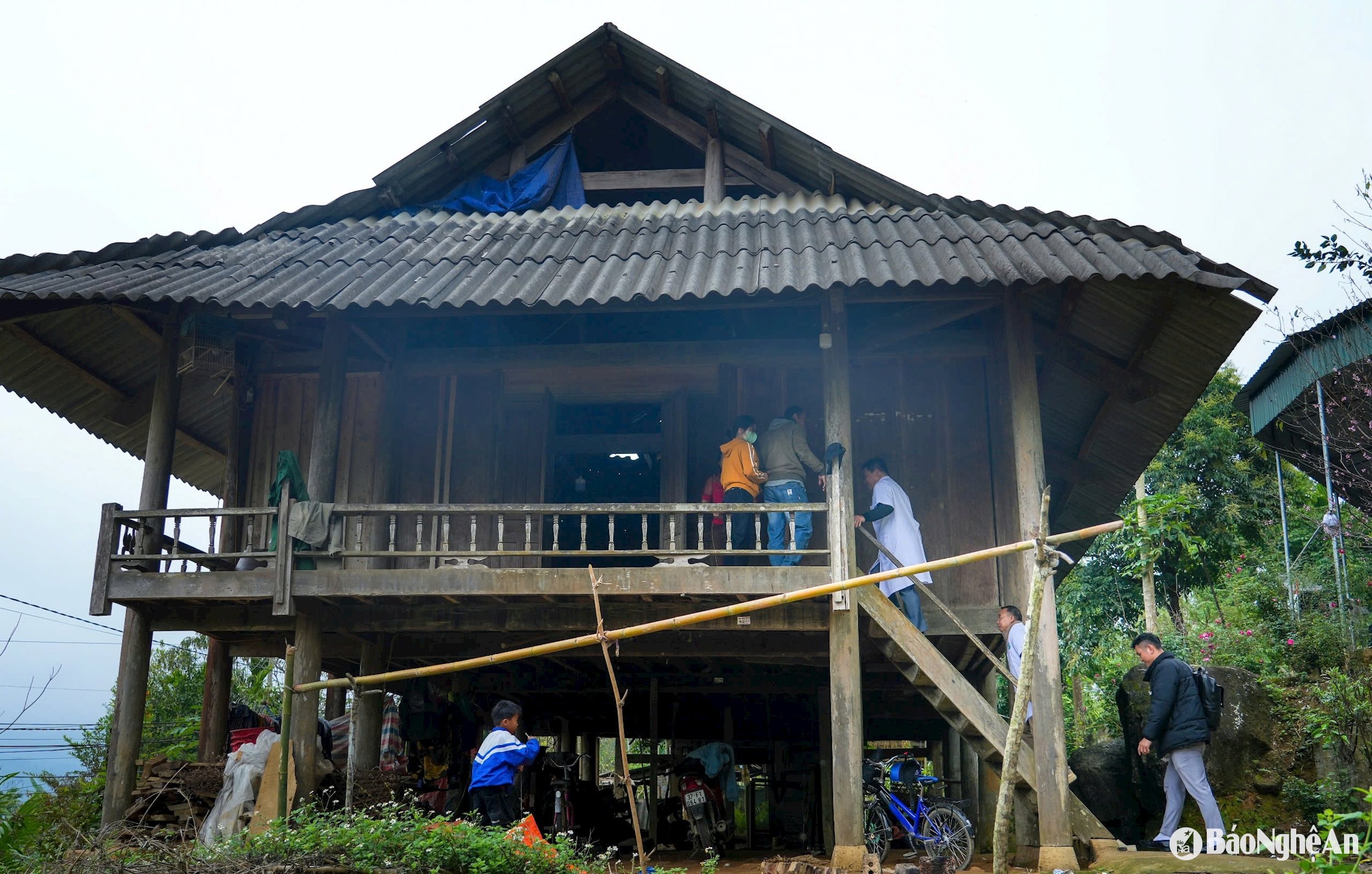
To date, the cumulative number of HIV infections in Que Phong district is approximately 2,200. Nearly 700 HIV/AIDS cases have resulted in death. The number of people living with HIV is 1,480. The number of patients under treatment management is 986... All 13/13 communes and towns have people infected with HIV. In the photo: Health workers go to villages to educate the people about the risks of contracting this devastating disease. Photo: Duc Anh
According to health experts, the HIV/AIDS epidemic in Que Phong district began to emerge in the early years of the 21st century. Drugs from Laos flooded in; social vices infiltrated the area... Injecting drugs and unsafe sexual practices allowed HIV/AIDS to spread to every village and hamlet in this border district. (Photo: Duc Anh)
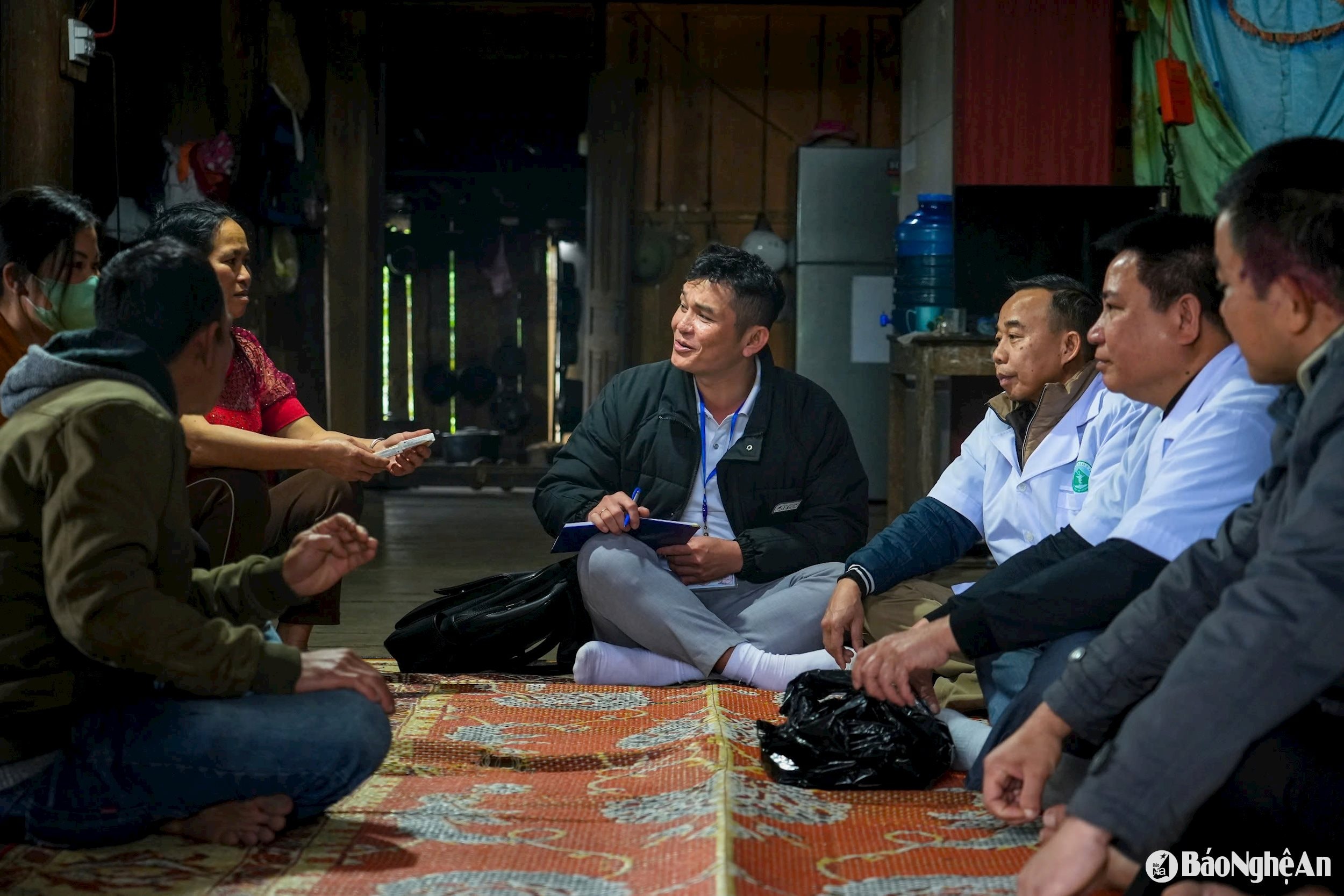
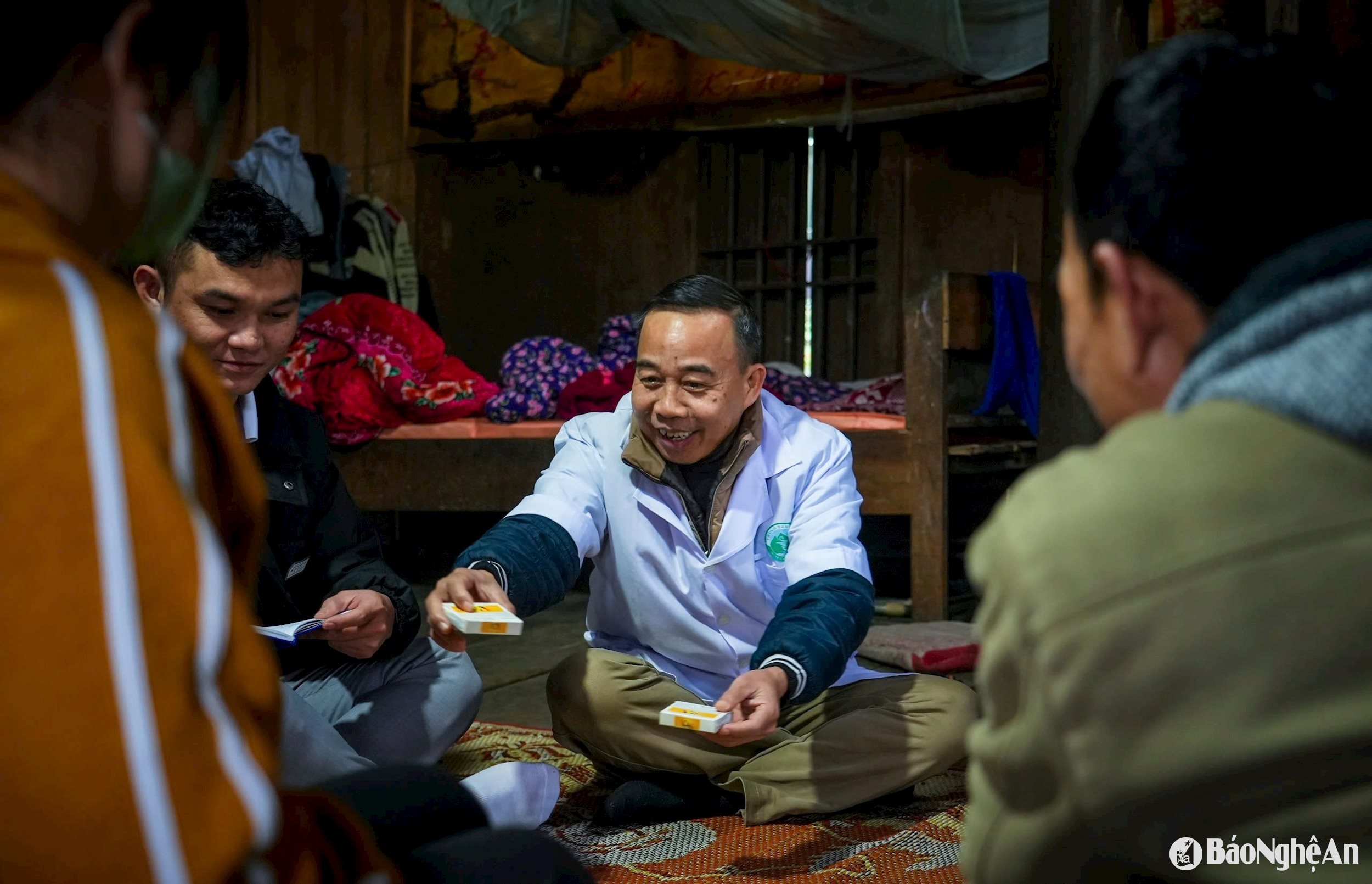
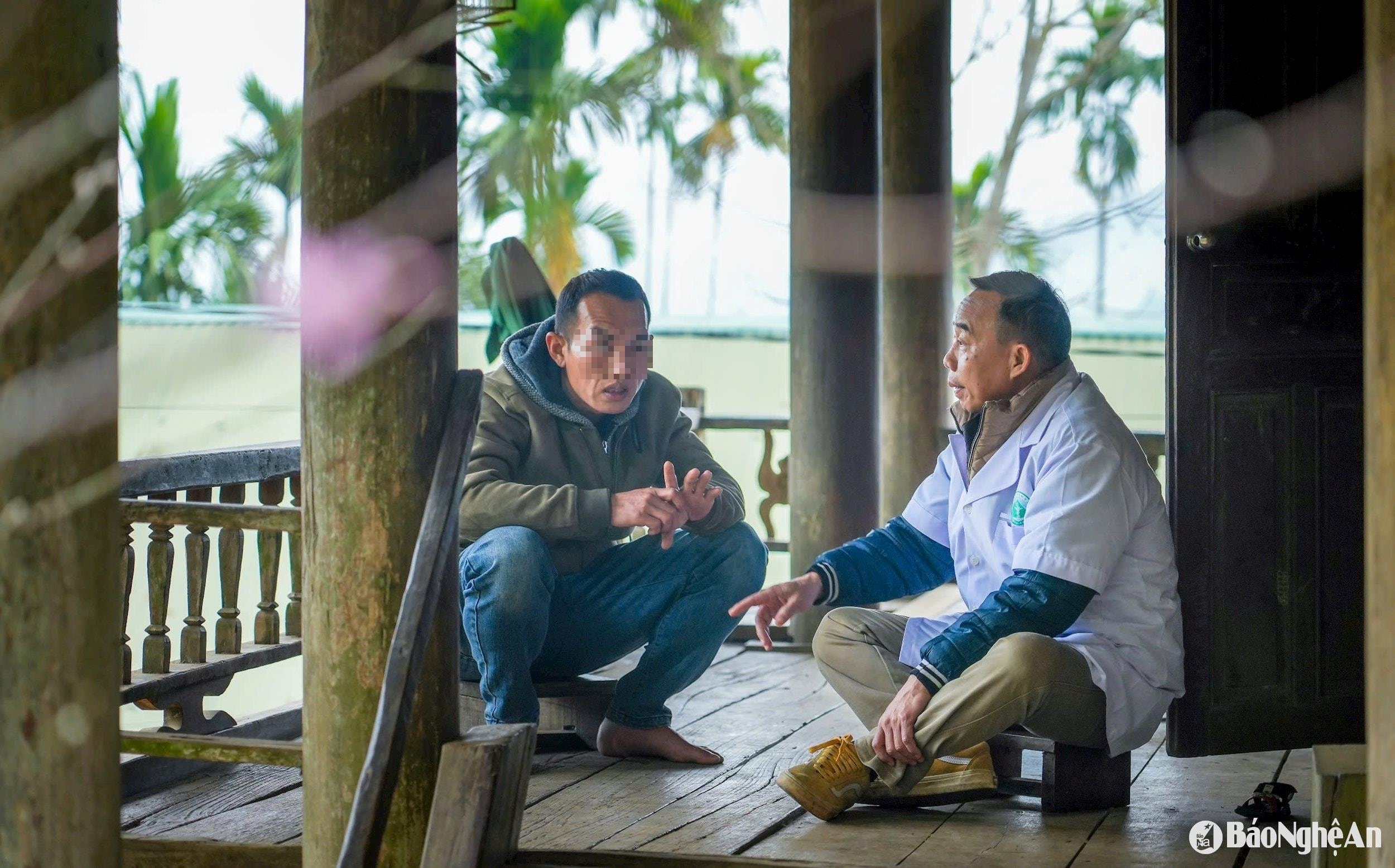
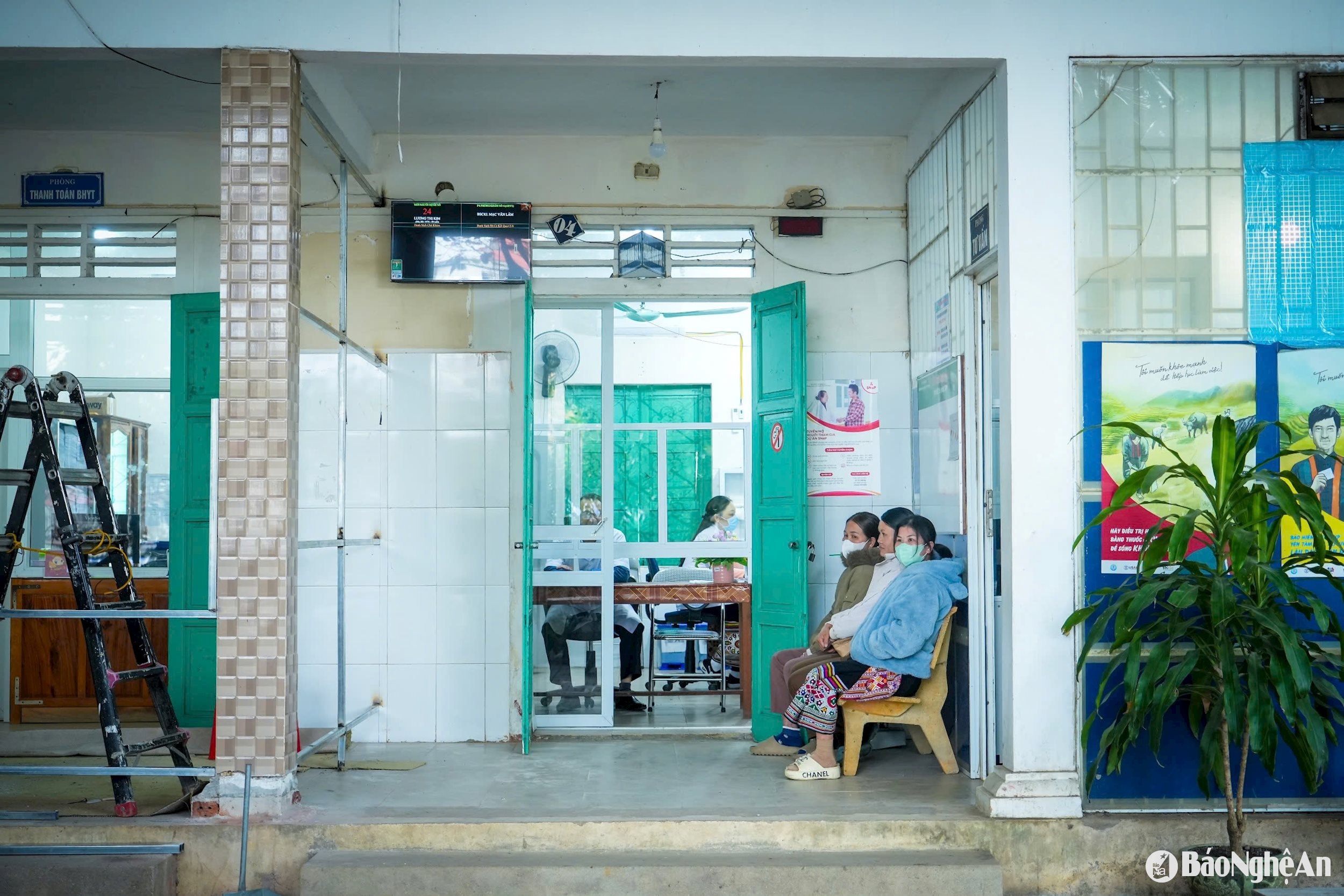
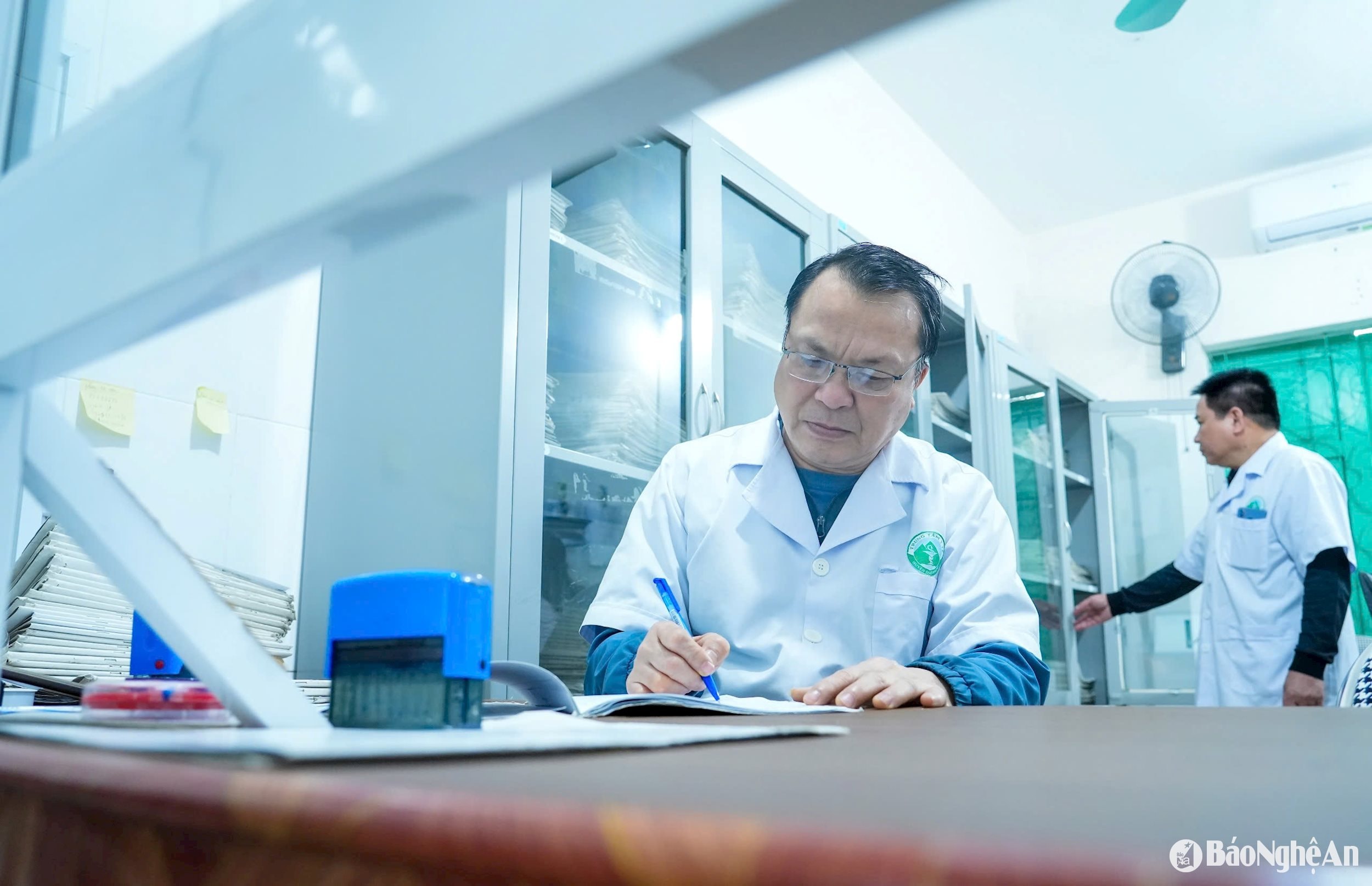
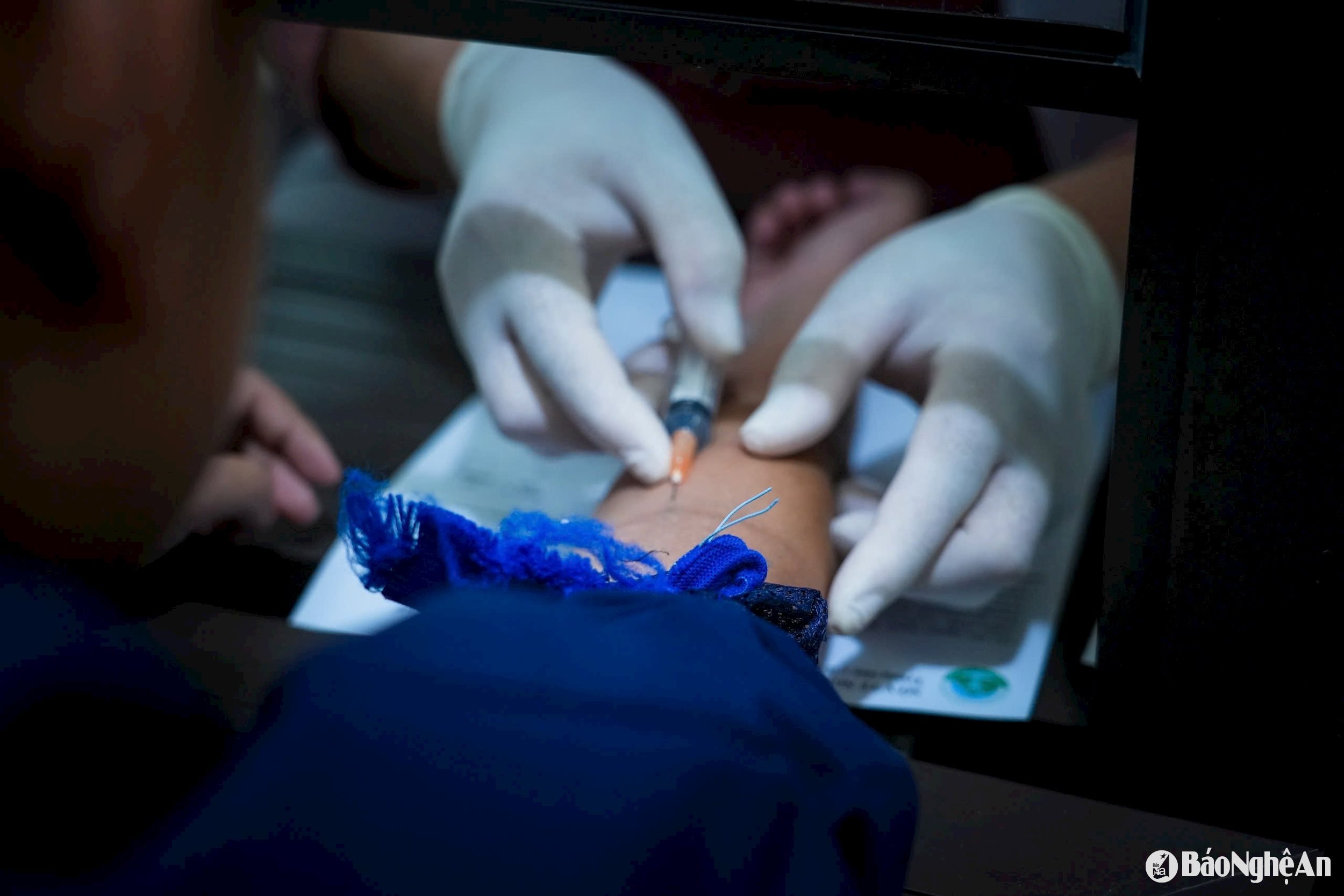
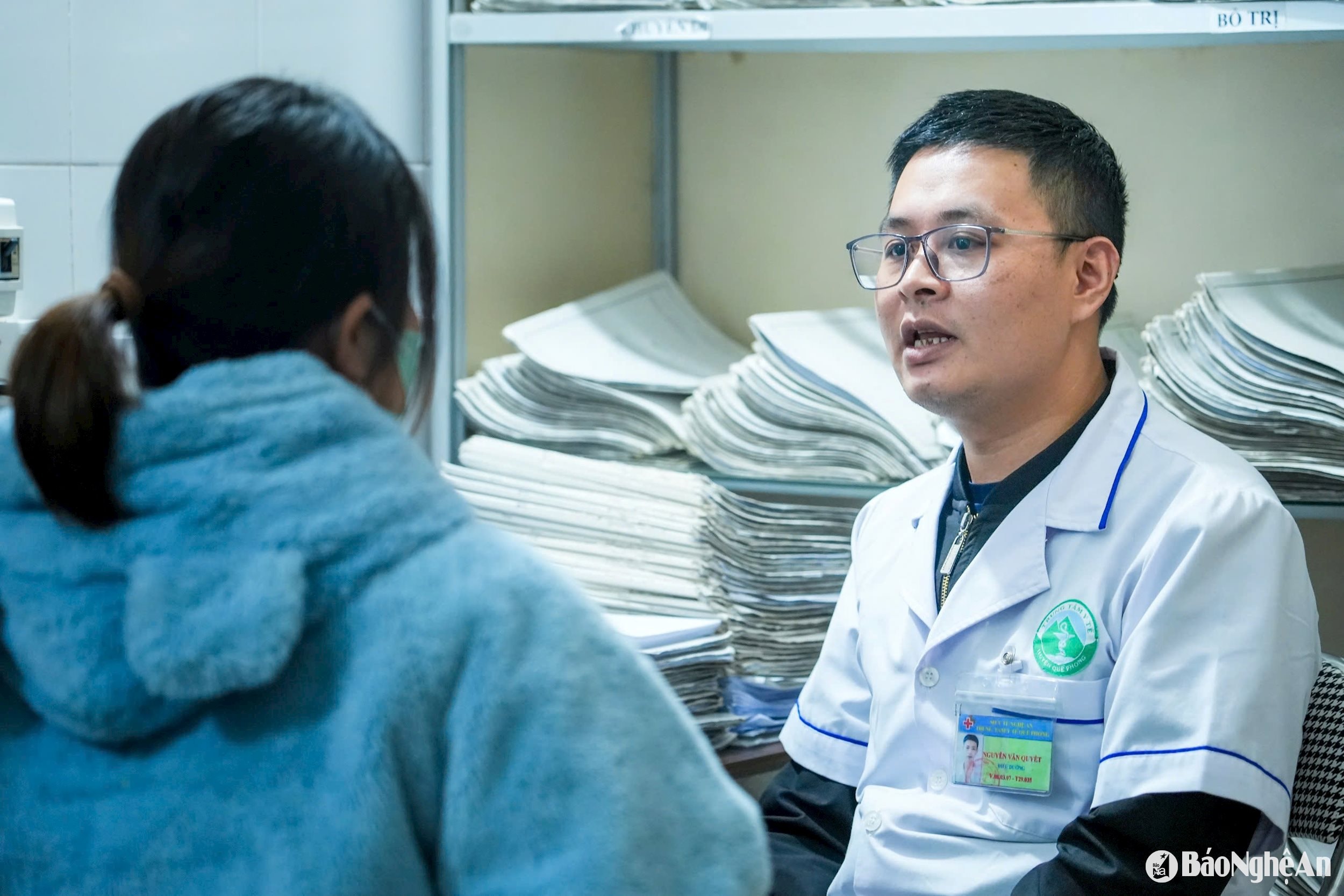
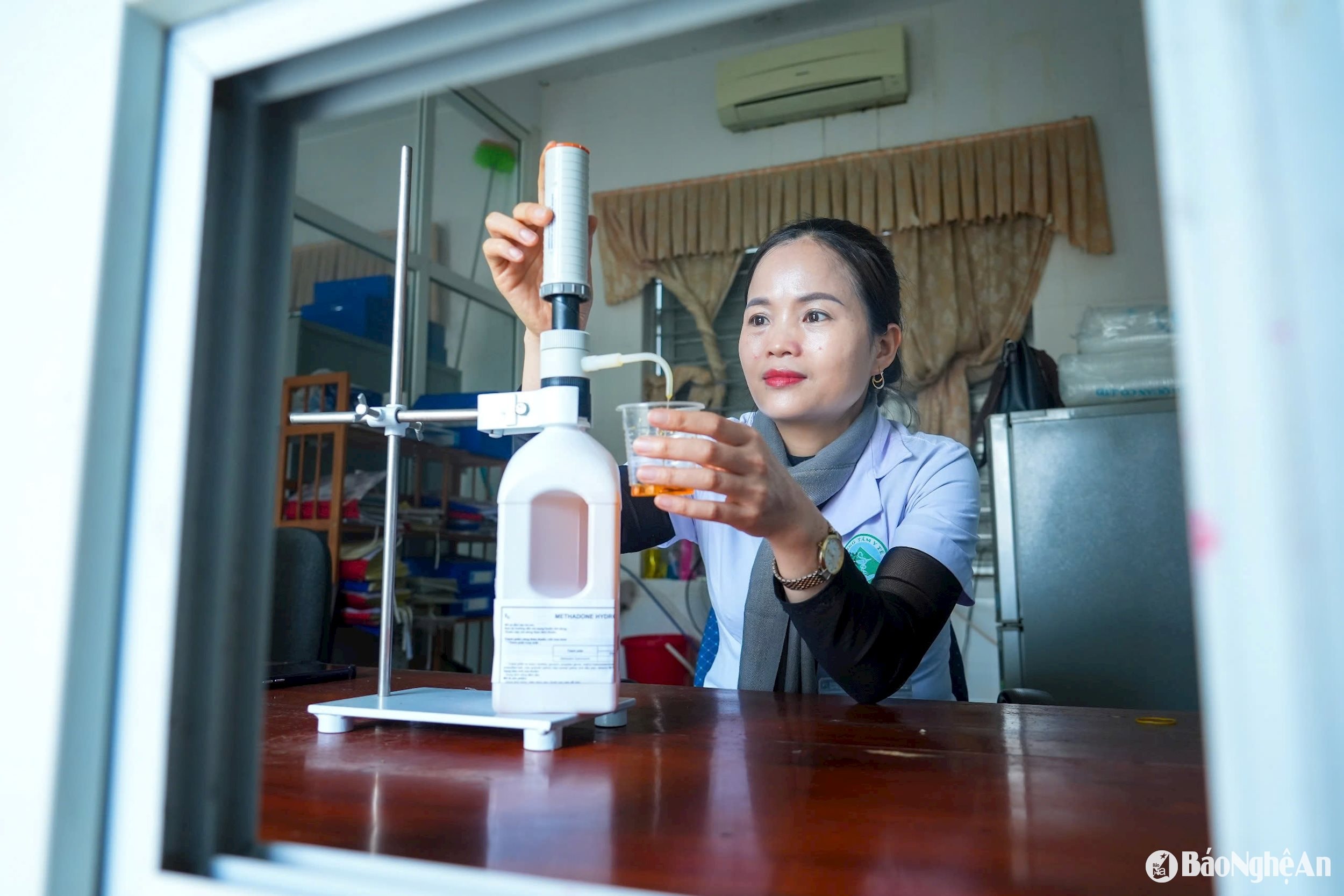
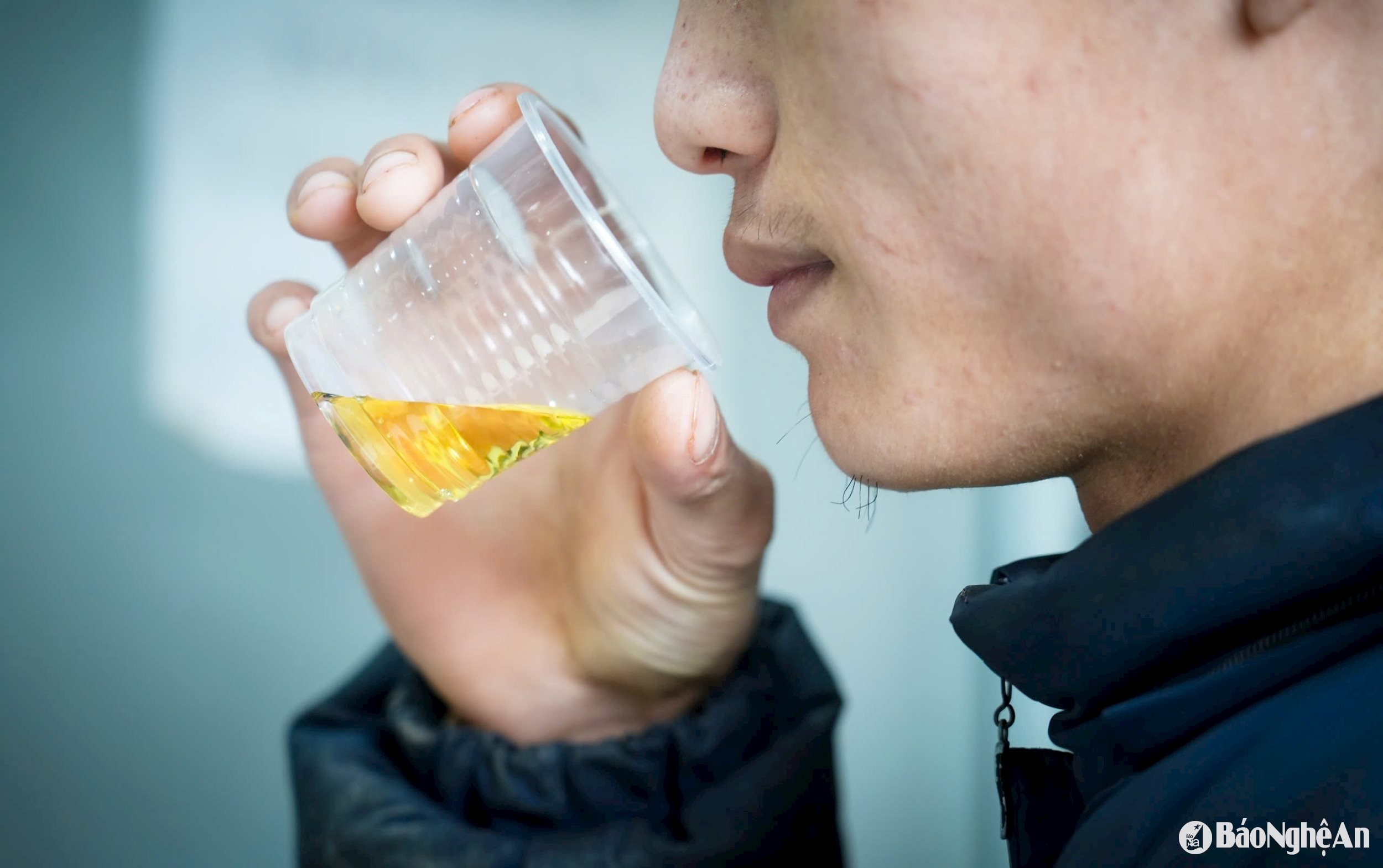
To prevent and control HIV/AIDS, over the years, the Party Committee, government, departments, and especially the Health sector of Que Phong district have implemented many measures, including: propaganda, counseling and testing; providing harm reduction intervention services and preventing mother-to-child HIV transmission; distributing syringes, condoms, and lubricants; providing care and treatment for HIV/AIDS with ARV drugs for infected people and Methadone treatment for drug addicts. In the photo: Health workers are educating people infected with HIV. Photo: Duc AnhThanks to this, people in this mountainous district have gained knowledge about the disease; they are more aware of crime prevention, social evils, and HIV/AIDS prevention... Patients are gradually overcoming their inferiority complex and actively participating in treatment; actively participating in labor and production... rebuilding their lives. Many patients have been detected, with an average of 15-20 new patients discovered each year. In the photo: Patients visiting district health centers for HIV infectious disease examination. Photo: Duc AnhThe district has mobilized the participation of various sectors and levels, as well as the active involvement of the people, in the prevention and control of HIV/AIDS. HIV/AIDS prevention and control activities are closely linked with the prevention and control of drug abuse, prostitution, and the "All People Build a Culturally Rich Life in Residential Areas" movement. (In the photo: Doctors check and monitor the records of patients infected with this devastating disease. Photo: Duc Anh)There are no effective measures to manage the health of sex workers, while prostitution remains a complex and difficult-to-control problem. The use of methamphetamine and synthetic drugs among young people is not yet under control. Stigma and discrimination against people with HIV remain barriers to HIV testing. (In the photo: Blood collection area for testing. Photo: Duc Anh)Counseling patients infected with HIV/AIDS. Photo: Duc AnhIn addition, there are difficulties in ARV treatment due to drug interruptions, obstacles in procurement bidding; difficult living conditions, many infected people working far from home, delays in receiving treatment; and the situation of drug addicts abandoning Methadone treatment. HIV/AIDS has infiltrated Hmong villages, where there were previously no infected people. In the photo: Health workers distributing Methadone to drug addicts. Photo: Duc AnhAddicts are given methadone daily. Photo: Duc AnhHIV/AIDS prevention and control in Que Phong still faces many difficulties and challenges. This requires continued efforts from the health sector in particular, and the Party committee, government, departments, and people in general. At this time, health workers and peer educators here are still diligently working to raise awareness of disease prevention among people in the villages; searching for infected individuals; encouraging infected and addicted individuals to adhere to treatment and implement measures to prevent transmission; and educating the younger generation to stay away from drugs and social vices. Photo: Duc Anh