

Young people in the border region of Nghe An province escape poverty by raising porcupines.
With perseverance and a spirit of continuous learning, Sam Van Binh and his wife in Muong Cat village, Thong Thu border commune (Que Phong district), have escaped poverty by investing in porcupine farming.
Thong Thu commune is primarily inhabited by the Thai ethnic minority, with an economy based on agriculture, forestry, and small-scale livestock farming. However, over-reliance on traditional models has resulted in many difficulties in their lives.
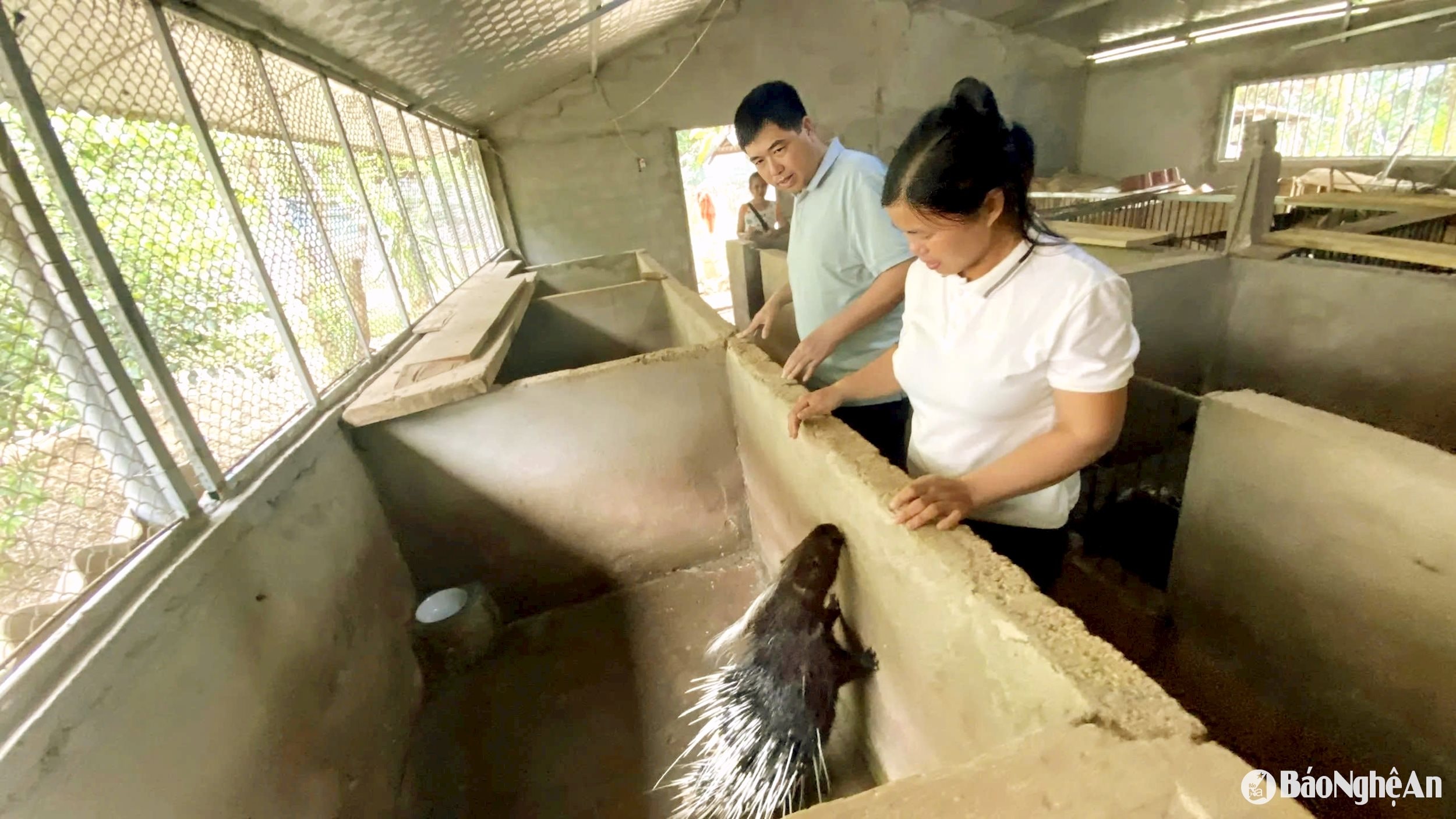
In 2013, through research in newspapers and on television, Sam Van Binh (born in 1988) realized that porcupine farming had high economic potential and was suitable for local conditions. He discussed it with his wife and decided to invest in porcupine farming. Initially, he bought a pair of breeding porcupines for 5 million VND to raise. After 3 years of care, Binh's porcupine farming model began to yield results.
Since then, his family has consistently sold 7-8 porcupines for meat and 3-4 breeding pairs annually. With the price of commercial porcupines fluctuating around 250,000 VND/kg, his family earns nearly 50 million VND per year; along with other income from agricultural and forestry production, Sam Van Binh's family has escaped poverty many years ago.
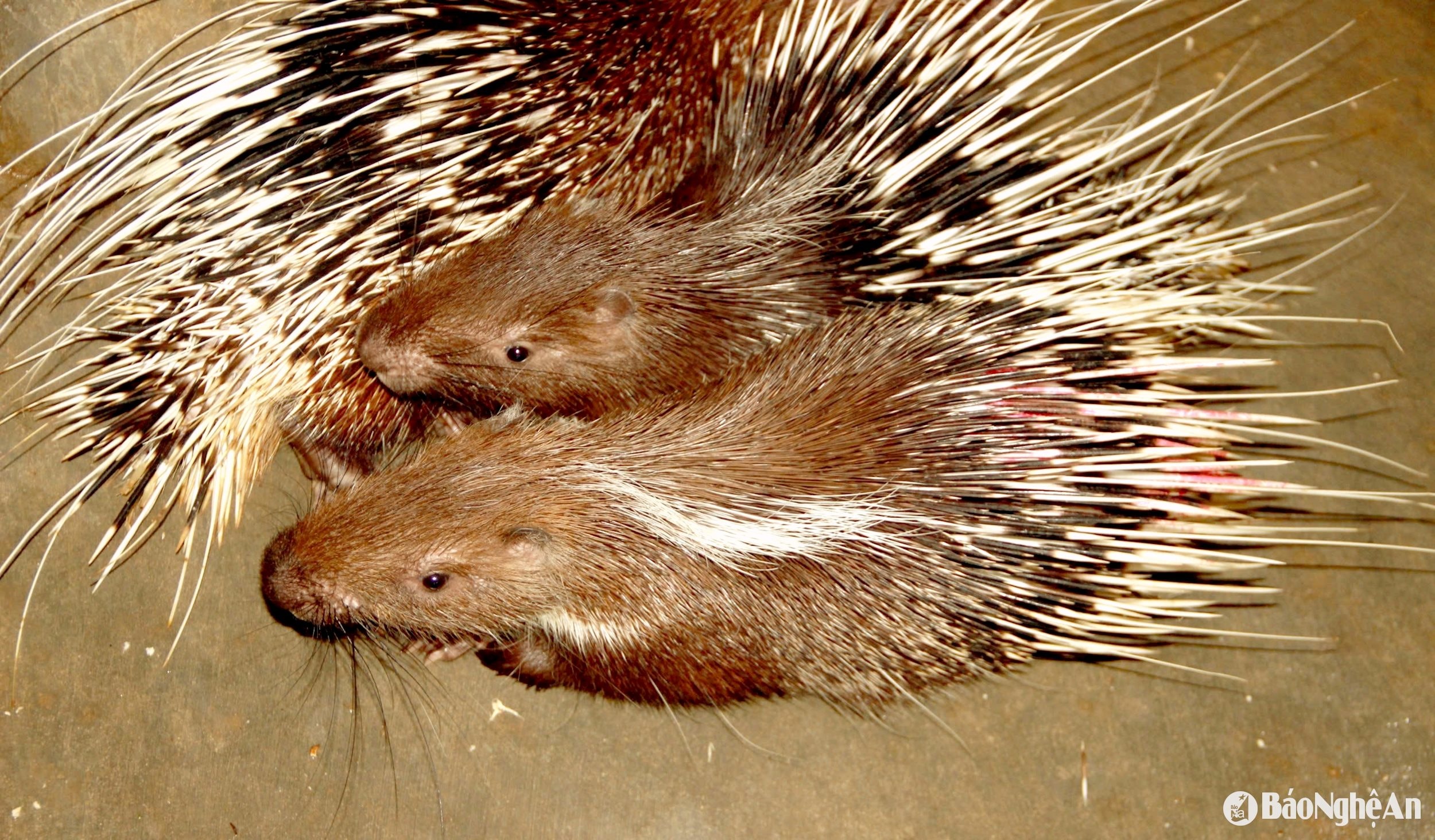
Not stopping there, the couple continued to expand their operation. Their farm now houses approximately 36 porcupines, with two-thirds being breeding stock. The enclosures are solidly built, ensuring they are dry, well-ventilated, and free from dampness and standing water. The system is divided into small compartments, each housing 2-3 porcupines, making care easier.
Ms. Sam Thi Huyen (Mr. Binh's wife) shared: "Hedgehogs are omnivorous, have high resistance to disease, and rarely get sick, so they don't require much care. Their food mainly consists of natural vegetables and fruits such as pumpkin, banana, papaya, kohlrabi... which are easy to find and don't need cooking, significantly reducing costs. We hope this model will continue to develop, not only helping my family but also supporting many other households to have a stable income and improve their lives."
Regarding their life cycle, hedgehogs give birth twice a year, with each litter containing 1-3 offspring. After about 10 months, the young hedgehogs reach a weight of 9-10 kg and can be sold as commercial hedgehogs. Besides selling hedgehog meat, his family also supplies breeding hedgehogs to many households in the area, helping to spread the hedgehog farming model more widely.
According to Mr. Luong Van Huan, Chairman of the People's Committee of Thong Thu commune, this is a suitable direction for the locality and should be replicated to help many other households escape poverty and develop their economy. However, because porcupines are wild animals, when raising them, households need to comply with regulations on wildlife protection and have a certificate from the Forest Protection Department.