

Who were the 18 Hung Kings?
Who are the 18 Hung Kings? Whose death anniversary is commemorated on Hung King's Commemoration Day?
According to legend, the Hung Kings were the first kings of the nation, initiating the Hung Dynasty and establishing the Van Lang Kingdom - the first state in Vietnamese history.
Hung Kings Commemoration Day, also known as Hung Temple Festival or National Commemoration Day, is an occasion for the Vietnamese people to remember the Hung Kings, who are considered the ancestors who founded the Vietnamese nation.
The Hung Kings Commemoration Ceremony is an occasion for people to express their gratitude to their national origins. It usually takes place on the 10th day of the 3rd lunar month every year at Hung Temple in Phu Tho province. This is a major event with spiritual, cultural, and historical significance, attracting the participation of a large number of people from all over the country.
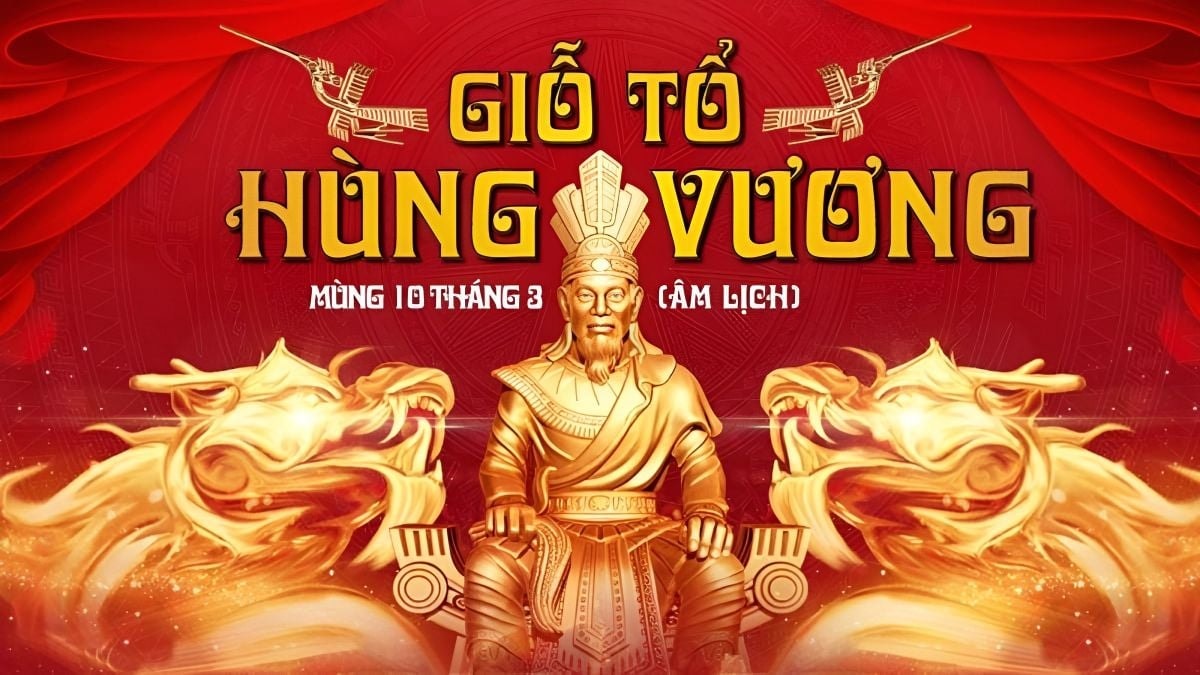
Who are the 18 Hung Kings?
According to many current historical documents, based on excavated materials and "Dai Viet Su Luoc" (A Brief History of Dai Viet), the 18 Hung Kings reigned, including the following kings.
(1) King Duong VuongLộc Tục, also known as Lục Dục Vương, was born in the year Nhâm Ngọ (2919 BC) and ascended the throne at the age of 41. It is unclear how many generations of kings ruled under him, but he reigned for a total of 86 years, from the year Nhâm Tuất (2879 BC) to Đinh Hợi (2794 BC).
(2) Lac Long QuanHis given name was Sùng Lãm, also known as Hùng Hiền Vương, born in the year Bính Thìn (2825 BC), ascended the throne at the age of 33, and it is unclear how many generations of kings ruled. This branch of the family reigned for a total of 269 years, all calling themselves Hùng Hiền Vương, from the year Mậu Tý (2793 BC) to the year Bính Thìn (2525 BC).
(3) Hung Quoc VuongHung Lan, born in the year Canh Ngo (2570 BC), ascended the throne at the age of 18. It is unclear how many generations of kings ruled, all of whom called themselves Hung Quoc Vuong, for 272 years, from the year Dinh Ty (2524 BC) to 2253 BC.
(4) Hung Hoa VuongHis given name was Bửu Lang, his birth year is unknown. He ascended the throne in the year Đinh Hợi (2252 BC). It is unclear how many generations of kings ruled, all of whom called themselves Hùng Hoa Vương. He reigned for a total of 342 years, from the year Đinh Hợi (2254 BC) to the year Mậu Thìn (1913 BC).
(5) Hung Hy VuongHis given name was Bảo Lang, born in the year Tân Mùi (2030 BC), and he ascended the throne at the age of 59. It is unclear how many generations of kings ruled, but they all proclaimed themselves Hùng Hy Vương and reigned for a total of 200 years, from the year Kỷ Tỵ (1912 BC) to Mậu Tý (1713 BC).
(6) Hung Hon VuongLong Tien Lang, born in the year Tan Dau (1740 BC), ascended the throne at the age of 29, ruled for two generations, and reigned for a total of 81 years, all under the title Hung Hon Vuong, from the year Ky Suu (1712 BC) to the year Ky Dau (1632 BC).
(7) Hung Chieu VuongHung Chieu Vuong, whose given name was Quoc Lang, was born in the year Quy Ty (1768 BC). He ascended the throne at the age of 18, and his lineage continued for five generations, all of whom were known as Hung Chieu Vuong. They reigned for a total of 200 years, from the year Canh Tuat (1631 BC) to the year Ky Ty (1432 BC).
(8) Hung Vy Vuong, whose given name was Vân Lang, born in the year of the Water Dragon (1469 BC), ascended the throne at the age of 39. Five generations of kings all proclaimed themselves Hùng Vỹ Vương, reigning for a total of 100 years, from the year of the Metal Horse (1431 BC) to the year of the Earth Rooster (1332 BC).
(9) Hung Dinh VuongHis given name was Chân Nhân Lang, born in the year Bính Dần (1375 BC), ascended the throne at the age of 45. Three generations of kings all proclaimed themselves Hùng Định Vương, reigning for a total of 80 years, from 1331 to 1252 BC.
(10) Hung Uy Vuong, given name Hoàng Long Lang, 3 generations, 90 years, from 1251 to 1162 BC.
(11) Hung Trinh VuongHung Duc Lang, born in the year Canh Tuat (1211 BC), ascended the throne at the age of 51. His dynasty lasted for four generations, all bearing the title Hung Trinh Vuong, reigning for a total of 107 years, from the year Canh Ty (1161 BC) to the year Binh Tuat (1055 BC).
(12) Hung Vu VuongHis given name was Đức Hiền Lang, born in the year Bính Thân (1105 BC). He ascended the throne at the age of 52. Three generations of kings all proclaimed themselves Hùng Vũ Vương, reigning for a total of 86 years, from the year Đinh Hợi (1054 BC) to the year Nhâm Tuất (969 BC).
(13) Hung Viet Vuong, whose given name was Tuan Lang, born in the year of Ky Hoi (982 BC), ascended the throne at the age of 23. The dynasty lasted for 5 generations of kings, all of whom called themselves Hung Viet Vuong, reigning for a total of 115 years, from the year of Quy Hoi (968 BC) to Dinh Mui (854 BC).
(14) Hung Anh Vuong, whose given name was Viên Lang, born in the year of the Fire Rabbit (894 BC), ascended the throne at the age of 42. Four generations of kings all proclaimed themselves Hùng Anh Vương, reigning for a total of 99 years, from 853 to 755 BC.
(15) Hung Trieu VuongHis given name was Cảnh Chiêu Lang, born in the year of Quy Sửu (748 BC). He ascended the throne at the age of 35, and his lineage continued for three generations, all of whom were known as Hùng Triệu Vương. They reigned for a total of 94 years, from the year of Đinh Hợi (754 BC) to the year of Canh Thân (661 BC).
(16) Hung Tao VuongHis given name was Đức Quân Lang, born in the year Kỷ Tỵ (712 BC). He ruled for 3 generations, reigning for a total of 92 years, from the year Tân Dậu (660 BC) to the year Nhâm Thìn (569 BC).
(17) Hung Nghi VuongHis given name was Bảo Quang Lang, born in the year Ất Dậu (576 BC). He ascended the throne at the age of 9, and four generations of kings all proclaimed themselves Hùng Nghị Vương, reigning for a total of 160 years, from the year Quý Tỵ (568 BC) to the year Nhâm Thân (409 BC).
(18) Hung Due VuongBorn in the year of Canh Than (421 BC), he ascended the throne at the age of 14. The number of successive kings is unclear, but he reigned for a total of 150 years, from the year of Quy Dau (408 BC) to the year of Quy Mao (258 BC).
With so many Hung Kings, whose death anniversary is commemorated on Hung King's Ancestral Commemoration Day?
According to legends and historical accounts, the 18 Hung Kings ruled consecutively for over 2,600 years. If divided equally, each king's reign would last approximately 150 years, which has led many to question its accuracy.
Some scholars explain that the 18 Hung Kings do not represent 18 specific individuals, but rather 18 lineages or branches, each with many successive kings ruling and using the same royal title. The number 18 is also symbolic because it is a multiple of 9 – a sacred number in Vietnamese culture.
Although there were many Hung Kings, the Vietnamese only celebrate one Hung King Commemoration Day. This leads many people to wonder: whose death anniversary is it?
In fact, the commemoration of the Hung Kings' death anniversary has existed for about 2,000 years. During the reign of Thuc Phan An Duong Vuong, a stone pillar was erected on Nghia Linh mountain with a vow affirming eternal respect and responsibility to the Hung Kings and the country they left behind.
Throughout history, dynasties have acknowledged the immense contributions of the Hung Kings in founding and establishing the nation. Therefore, the Vietnamese people have dedicated a day to commemorate these great achievements, considering it an opportunity to express gratitude to those who laid the foundation for the nation.
Initially, people didn't have the custom of visiting Hung Temple on the 10th day of the 3rd lunar month as they do now. They usually chose auspicious days according to their personal destiny to perform the rituals throughout the year, with the highest numbers in spring and autumn.
In many localities, the ancestral worship ceremony is held on the 12th day of the third lunar month, combined with the worship of the Earth God. Families with descendants living far away hold the memorial ceremony from the 11th day of the third lunar month, but do not organize it on a large scale.
Such year-round rituals were costly, lacked uniformity, and did not fully express the reverence of the entire community. Recognizing this, in 1917, during the reign of Emperor Khai Dinh, the Governor of Phu Tho, Mr. Le Trung Ngoc, proposed to the Ministry of Rites that the 10th day of the 3rd lunar month be designated as the official national Ancestor Commemoration Day.
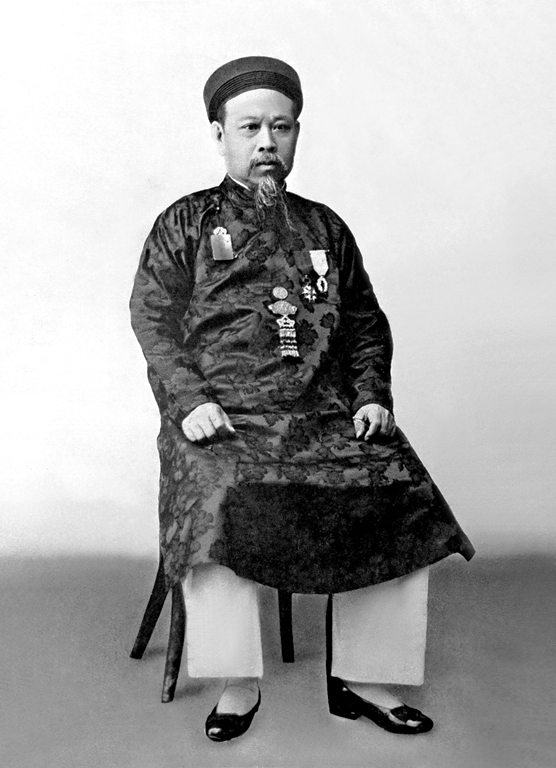
Since then, the 10th day of the third lunar month each year has become an important occasion for people nationwide to turn their thoughts to their roots – the land of Phu Tho, where the Hung Kings are worshipped.
Since then, Hung Kings' Commemoration Day has become a major holiday, also known as the National Day. It is an occasion for the entire nation to remember their ancestors and demonstrate the spirit of gratitude. On this day, workers nationwide are given time off to participate in commemorative activities.