

Peter Pan Syndrome: Adults who don't want to grow up.
Peter Pan syndrome can be identified in adults who don't want to grow up and are afraid of taking responsibility. The signs of Peter Pan syndrome are easily recognizable in the article below!
What is Peter Pan syndrome?
Peter Pan syndrome is a term in psychology used to describe a condition in which adults tend to reject or avoid the process of growing up, unwilling to integrate with the responsibilities and social expectations placed upon them as adults.
People with Peter Pan syndrome often have difficulty taking on roles such as managing personal finances.building a stable emotional relationship, pursuing career goals, or securing responsibilities associated with independent living such as owning a home and maintaining self-sufficiency.
Psychologically, people with Peter Pan syndrome often exhibit prominent characteristics such as curiosity, innocence, a sense of humor, or playful behavior similar to that of young children.
However, they are also prone to losing control of their emotions, acting impulsively, or lacking the ability to manage stress effectively.
Not everyone with these characteristics has this syndrome, as it is only considered a syndrome when those characteristics significantly interfere with the ability to live an independent and mature life.
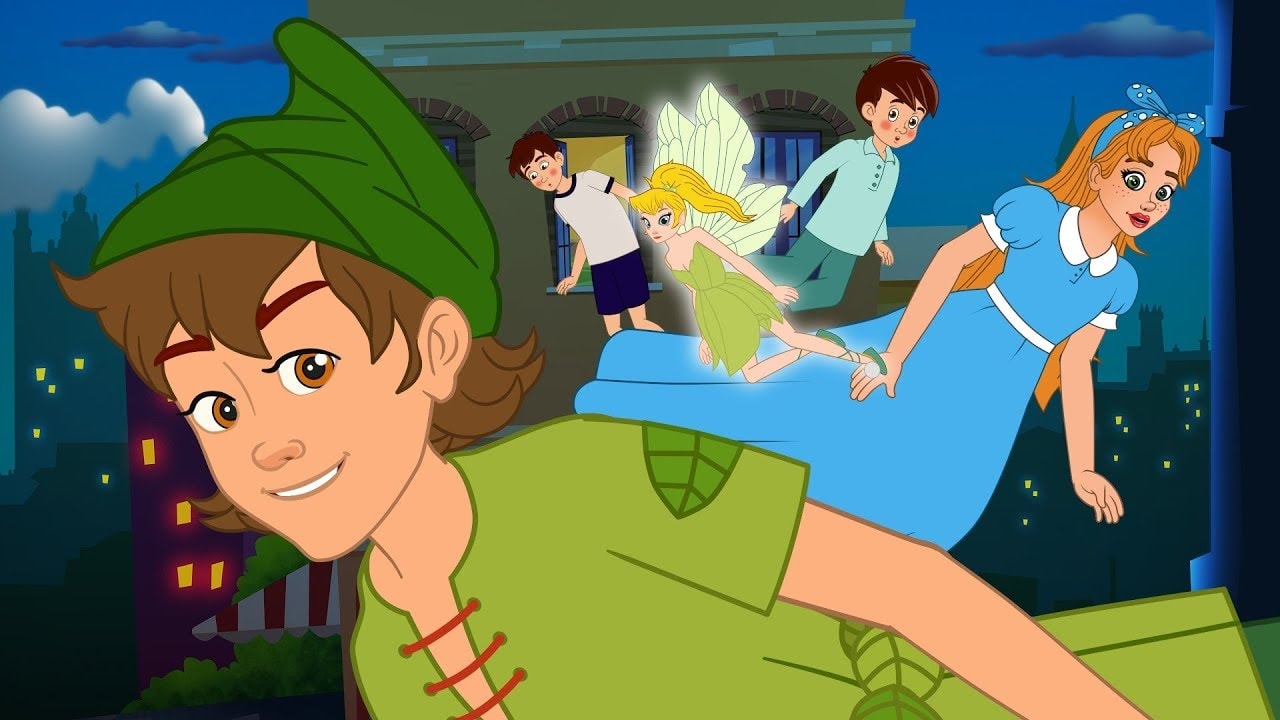
Currently, Peter Pan syndrome is not recognized as an official mental disorder in the international classification system of diseases and psychology; therefore, there are no specific diagnostic criteria or standard treatment methods.
Psychologists often focus on supporting individuals with Peter Pan syndrome in building a sense of personal responsibility, developing coping skills and adapting to adult life, and encouraging them to gradually accept new roles and challenges so they can progress further in life.
Causes of Peter Pan Syndrome
Peter Pan syndrome is a relatively new concept in the field of psychology. However, recent studies have begun to point to several psychological and social factors that may contribute to this syndrome.
Overprotective family
According to psychologists, overprotective parenting can diminish children's independence and hinder their development of essential life skills needed to adapt to the adult world. Excessive protection throughout childhood and adolescence can lead to a dependent mindset, causing children to reject maturity and personal responsibility later in life.
Fear of loneliness and the need for care.
Psychologist Humbelina Robles Ortega suggests that individuals with Peter Pan syndrome often have a fear of abandonment or isolation. Therefore, they constantly seek people who can care for, support, and fulfill their emotional needs. This is particularly evident in personal or romantic relationships, where they tend to be dependent and avoid the responsibilities of adulthood.
Related mental health issues
Some psychological studies suggest that individuals exhibiting symptoms of Peter Pan syndrome may also have underlying mental health issues, such as personality disorders, anxiety disorders, or depression. These symptoms exacerbate avoidance of responsibility and hinder the ability to adapt to independent living.
The role of gender and social expectations
Cultural and social factors related to gender roles also play a significant role in the emergence of Peter Pan syndrome. In many societies, women are often expected to assume responsibilities such as caring for the family, maintaining relationships, and supporting others.
This pressure can inadvertently create conditions that encourage men to become irresponsible, neglect family and work obligations, and avoid personal growth.

Psychological studies suggest that men are more prone to this syndrome. This may be closely related to cultural, educational, and societal factors that are rapidly changing in modern life.
Symptoms and signs of Peter Pan syndrome
Individuals with Peter Pan syndrome often exhibit distinctive emotional, behavioral, and social characteristics. While not officially classified as a mental disorder, the signs are relatively specific and can significantly impact quality of life.
Emotional and behavioral disorders
One of the most obvious manifestations of Peter Pan syndrome is a tendency to lose control of emotions, expressed through extreme and volatile emotional states.
Those afflicted may experience sudden shifts from feelings of joy to anxiety or panic. They also frequently exhibit intense anger, irritability, self-pity, or mild depression.
Additionally, these individuals often struggle to express their feelings genuinely, lacking the skills to show love or empathy. Unexplained guilt, persistent stress, and difficulty relaxing are also common symptoms.
In particular, they are often unreliable in relationships, prone to deception, manipulation, or seeking to evade responsibility through dishonest behavior.
Consequences in relationships and social life.
Peter Pan syndrome often negatively impacts the ability to build and maintain close relationships. In the workplace or in personal life, people with this syndrome are likely to feel isolated because they are unable to forge lasting connections with others.
They tend to avoid conflict or responsibility by blaming others, instead of acknowledging and addressing the problem from within themselves.
When faced with difficulties, many people choose to escape reality by using stimulants such as alcohol or drugs. Abuse of these substances often stems from a temporary need to forget pressure and responsibility, but in the long run, it creates a vicious cycle that further distances them from reality and makes psychological recovery even more difficult.
Early recognition of the signs of Peter Pan syndrome is crucial in supporting individuals with the condition. Through psychotherapy, social support, and emotional education, those with the syndrome can gradually learn to cope with adulthood and build more stable lives.
Treatment options for Peter Pan syndrome.
Peter Pan syndrome is not currently classified as an official mental disorder in medical diagnostic systems such as DSM-5 or ICD-11. Therefore, there is no standardized treatment protocol specifically for this syndrome.

However, many modern psychological interventions have been applied to help those affected identify the problem, develop life skills, and gradually adapt to their adult roles.
Psychological interventions
Treatment for Peter Pan syndrome relies heavily on the cooperation and willingness of the individual to change. Once individuals recognize their avoidance behaviors and their negative impact on their lives, they can receive support through various forms of psychotherapy, such as:
Cognitive behavioral therapy (CBT):It helps patients identify negative, irrational thoughts and replace them with healthier behaviors and responses to the responsibilities and pressures of adult life.
Solution-focused therapy:Focus on specific, realistic goals to encourage patients to develop problem-solving skills and proactively build their future.
Family therapy:It helps to regulate interaction patterns within the family, especially in the dependent relationships between parents and adult children.
Strength-based therapy:Leveraging the patient's existing strengths to motivate personal development, enhance self-esteem, and improve their ability to manage their own lives.
Prevention and supportive measures at home
Since Peter Pan syndrome largely stems from early childhood psychological development, prevention should begin with parenting. The following measures can play a crucial role:
Guidance for parents in educating their children:Parents need to be equipped with knowledge about proper parenting, avoiding overprotection or doing everything for their children, and instead encouraging independence and responsibility from an early age.
Organize workshops for parents:Parenting programs, especially those aimed at young parents, help them understand the importance of setting boundaries, encouraging responsibility, and fostering maturity in their children.
Create a supportive living environment:Family, friends, and the community need to patiently support individuals with Peter Pan syndrome instead of criticizing or doing everything for them. Being there for them and encouraging them to proactively change is key to their recovery.
Although Peter Pan syndrome is not directly life-threatening, it profoundly affects quality of life and mental health.
Early detection and appropriate intervention can help individuals gradually bridge the gap between the "resistance to growth" state and healthy, sustainable adult development.